
Louis Meneteau
CPO of Argile
187 articles published
Louis is CPO of Argile. An engineer by training, he spent four years in systems engineering, validating calculation software and designing the trials that test it, then three years in software product. He turns the installer's daily reality into product workflows: technical survey, sizing, quotes and subsidy files, with a hard requirement on the compliance of what comes out. His articles describe field gestures rather than principles, because he watches them on site before specifying them. When one entry flips a result, he says so and explains how to decide on the spot.
Subjects covered
Their articles

Your customers want to use their solar electricity in the evening, without depending on the grid. With a properly sized home storage system, you turn a daytime surplus into real comfort and visible savings. The right choice hinges on usage, power demand and available space, not on a marketing promise.
4 min read

With stone walls, you don't play sorcerer's apprentice. For you as a tradesperson, the real challenge is keeping the wall healthy, without blocking moisture or creating hidden condensation, while still gaining comfort. Before choosing a build-up, check the condition of the joints, rising damp, and ventilation. A good solution respects the "breathability" of the old building, and saves you from costly callbacks.
5 min read
On a poorly set domestic hot water (DHW) system, the health risk arrives fast. As a tradesperson, your value is delivering safe hot water production without overconsuming or tweaking settings blindly. Temperature, heat maintenance, circulation, draw-off points, every detail matters on site and in maintenance. With a clear method and robust settings, you secure the installation and avoid callbacks.
5 min read

When a heat pump keeps short-cycling, efficiency drops and wear speeds up. By adding a properly sized volume of storage water, you smooth out the cycles, stabilize the flow temperature and gain comfort, without tinkering with the controls. Getting it right comes down to a few simple choices, set from the moment of installation.
6 min read

A well-written diagnosis is often what turns a quote from "maybe" into "let's do it." As a tradesperson, you save time when the document is clear, well organised, and talks about the actual home rather than a theoretical case. Customisation is the small extra that reassures the client and protects your job.
5 min read

Between available space, truck access and dust you'd rather avoid, fuel storage is often decided down to the centimetre. As a tradesperson, planning the usable volume, the flow slope and the feed path to the boiler from the start saves you time and callbacks. A few simple choices in the right place, and the installation becomes reliable, clean and easy to maintain.
5 min read
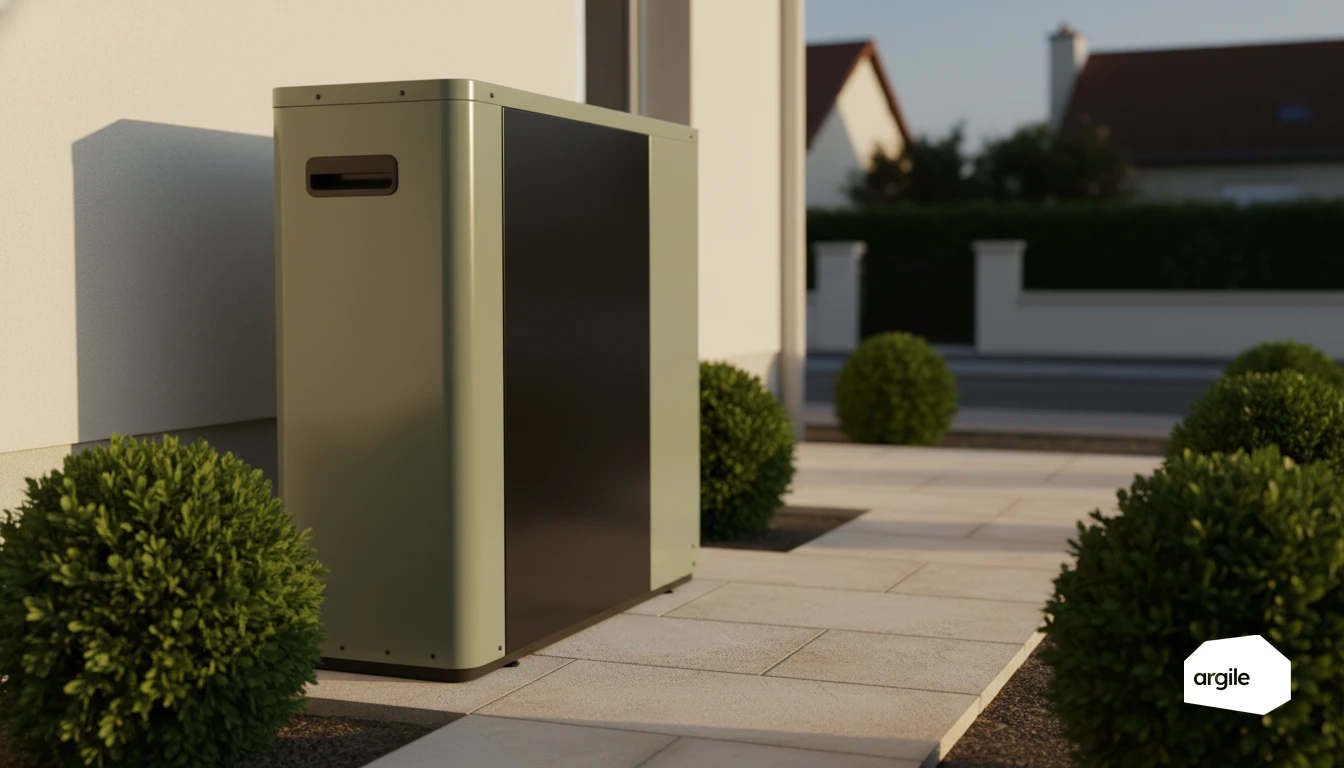
R290 is propane. It is not a fluorinated greenhouse gas, so it sits outside the quotas in Annex VII of EU Regulation 2024/573, outside the leak checks in its Article 5, and outside the placing-on-the-market bans in its Annex IV. Two trade-offs: safety class A3, whose charge allowed per room comes from the manual and not from a forum, and company certification, which the French order of 21 November 2025 extends to hydrocarbons from 1 January 2027.
6 min read
When water builds up at the foot of the walls, it's your foundations that take the hit: cracks, efflorescence, odours, and callbacks down the line. As an installer, you can secure the job from the design stage, with a water-drainage layout planned around the terrain, the slopes and the low points. Properly sized and properly installed, it's a small package of work that prevents big problems, and makes the difference over the long run.
5 min read

Low-temperature underfloor heating is sized under two ceilings, not one: the surface temperature of the finished floor, and the flow water temperature. Everything else, spacing, active area, water regime, exists to keep the required output under those limits. Here are the referenced figures, the screed cover thicknesses to respect, and what belongs on the quotation before the first pipe goes down.
5 min read

On the job site, every degree counts. A machine that's more stable in cold weather, more efficient and easier to size means fewer callbacks and more margin for you. Ejector-equipped models open up an interesting path when you're aiming for good winter performance without moving to overly complex solutions. If you equip homes exposed to frost or demanding renovations, this is a technology worth keeping on your radar.
5 min read

Your clients want steady heat, and you want a clean installation that doesn't call you back for a service visit every winter. With a properly sized pellet unit and a suitable hopper, you tick the boxes for comfort, autonomy and a low-carbon image, without complicating the job. Here's a rundown of the choices that really matter on site, from the plant room to the controls.
5 min read
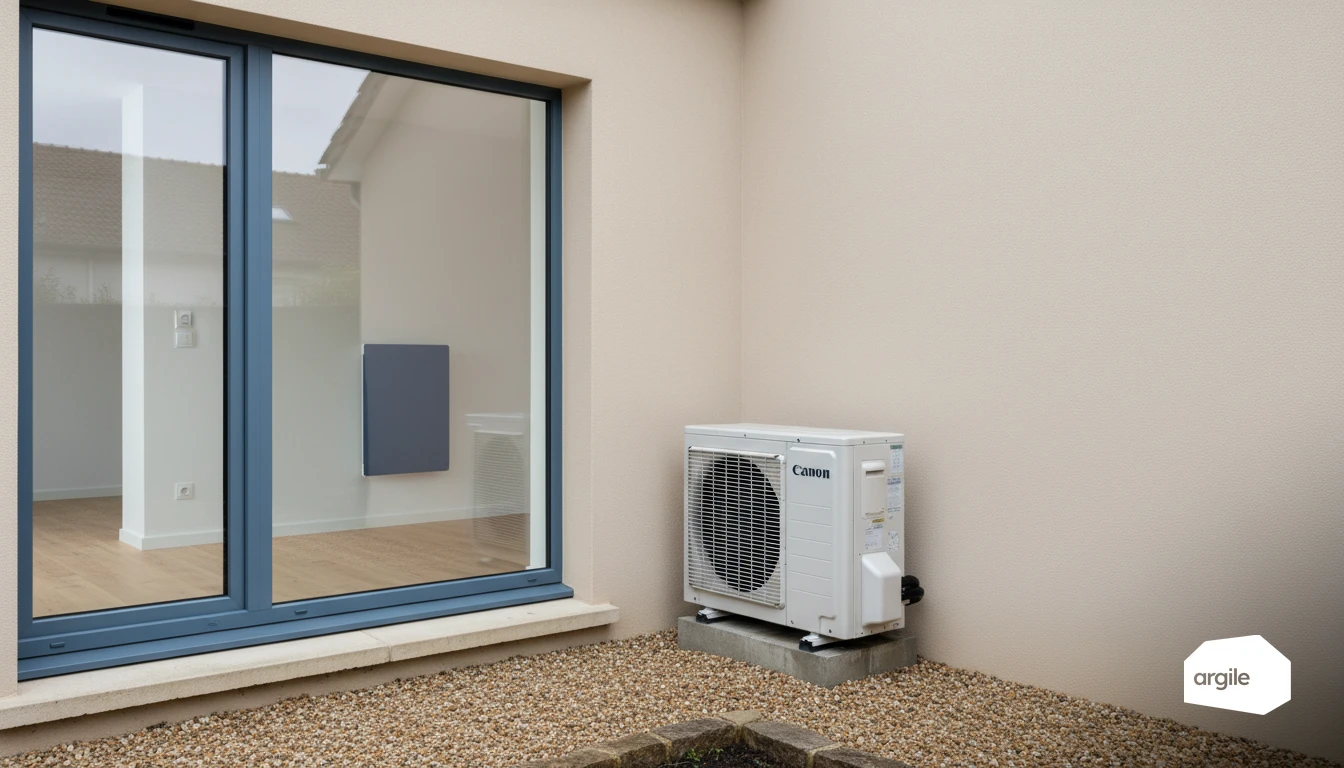
Electric backup isn't a comfort option, it's part of the sizing. The French NF DTU 65.16 caps the heat pump at 70 to 100 % of the design heat loss D and requires heat pump plus backup to reach 1,2 × D. And it closes a door that many sizing notes leave open: a stove or storage heaters already in the property never count as backup.
5 min read
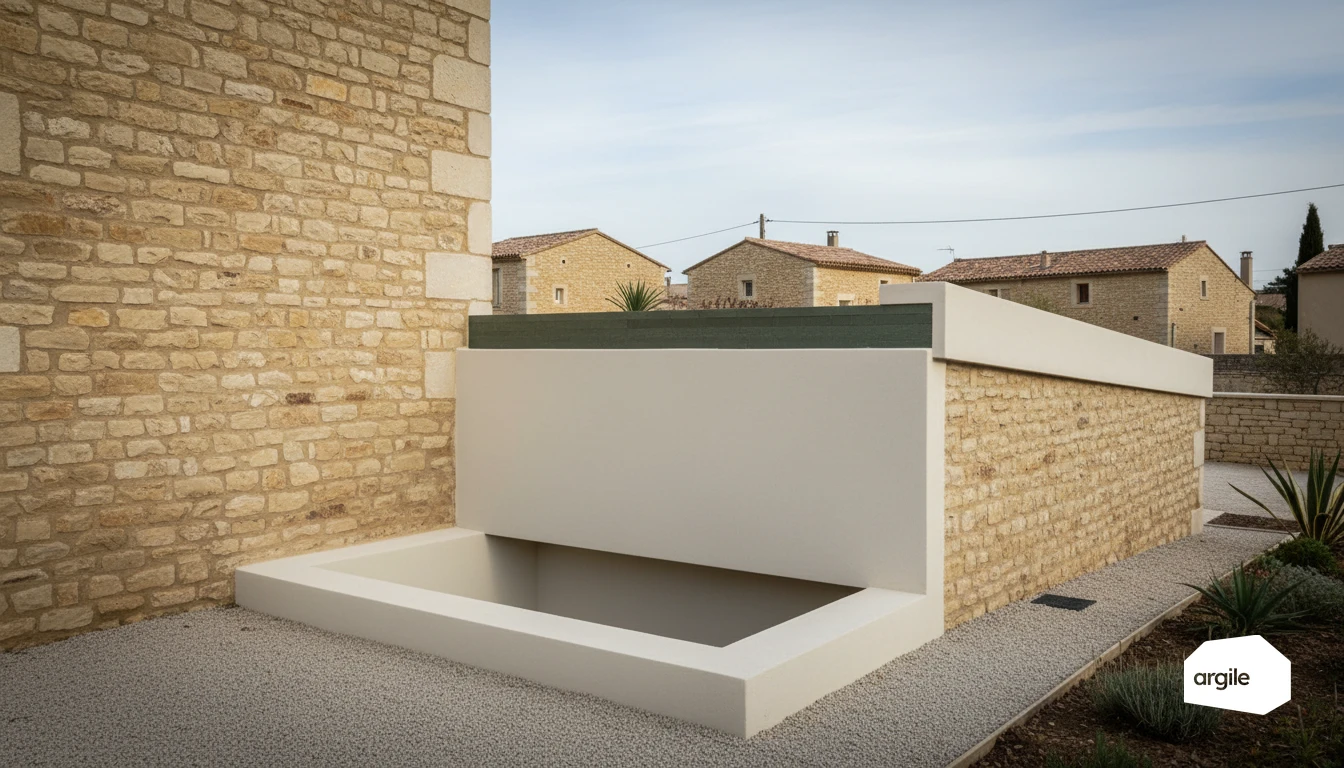
When a project demands zero compromise on fire safety and watertightness, you need an insulation material that stays reliable even in humid environments, basements, or flat roofs. This one ticks those boxes without asking you to cut corners on installation, and it holds up well over time. That means secure performance and finishes, plain and simple.
5 min read
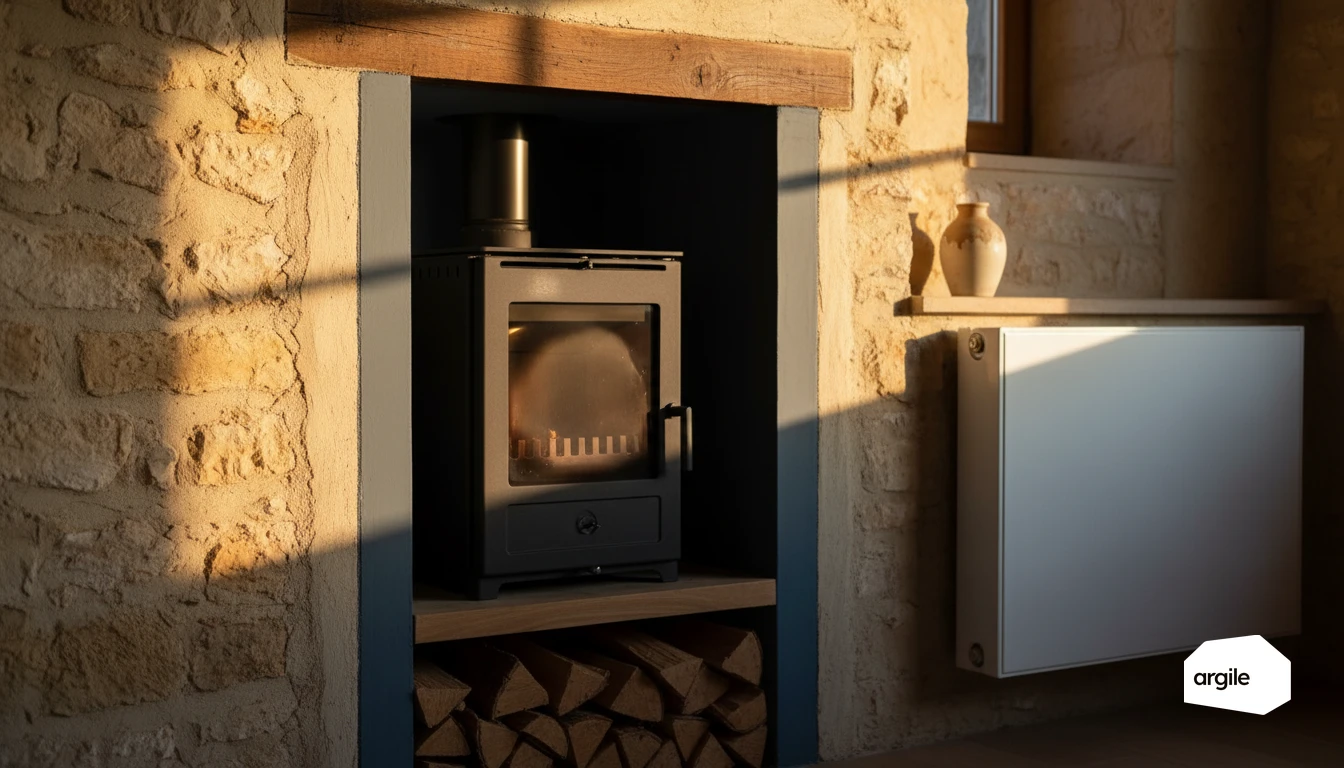
You want to offer your customers wood heating that can supply both hot water and radiators, without multiplying equipment. Between the stated output, the share actually sent to the hydraulic network, and installation constraints, the differences come down to a few concrete choices. Here, we lay out the key points to price accurately and install cleanly, from the first survey to the first fire.
6 min read
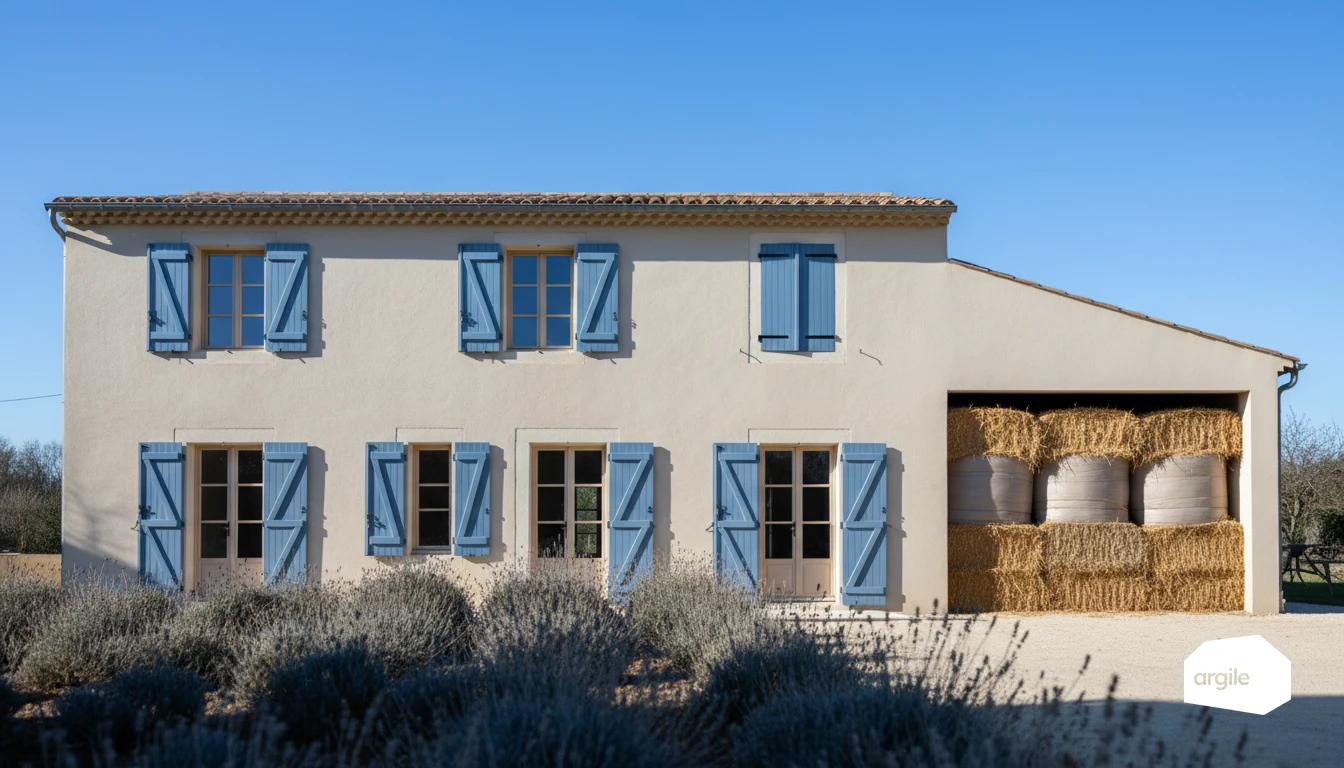
You're looking for a bio-based insulation that holds up without blowing the budget. This plant-based bale material installs quickly, details cleanly on site, and helps you offer a lower-impact renovation without complicating your habits. With the right installation details, you keep the performance and secure the trade's insurability.
5 min read

A microchannel exchanger cuts the internal volume of the condenser, and therefore the refrigerant charge. No quantified gain is published by any primary source, but the regulatory consequence is: below 3 kg, a split system falls under the ban on GWP of 750 or above that has applied since 1 January 2025. Here are the thresholds, the cleaning rules and what to check before specifying one.
5 min read
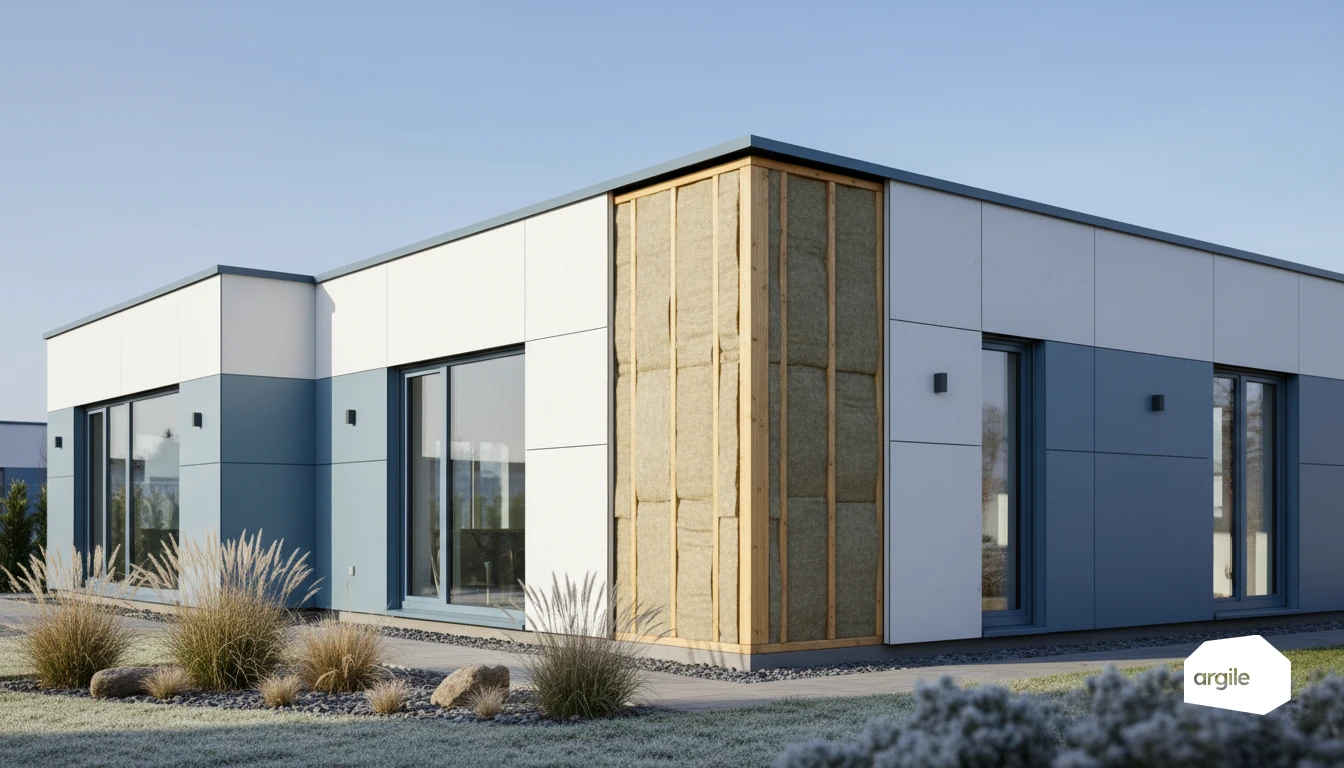
On site, you're looking for insulation that ticks the boxes for summer comfort, moisture management and hassle-free installation. This plant-fibre solution fits easily into walls, sloped ceilings or floors, in both new build and renovation, with formats close to what you're used to. Chosen and installed well, it helps you achieve insulation that's consistent, durable and pleasant to live with for your clients.
6 min read

An hourly rate is built on chargeable hours, not on paid hours: a 39-hour contract pays a little over 2,000 hours a year, and statutory leave, travel, collection, surveys, callbacks and admin take several hundred of them back before anything reaches a customer. Two further gaps do the rest of the damage: the employer costs a bare wage figure ignores, and the margin coefficient, which is not one plus the rate you are aiming at.
5 min read

On the ground, a supplementary gas heater can help quickly, without major work, but it doesn't suit every home or every project. For your clients, the challenge is simple: gain comfort right away, without cutting corners on safety, ventilation and the bill. Here's a rundown, with clear benchmarks, to know when this solution makes sense, and when it's better to pass.
5 min read

On a quote or an audit, the same gas can display two calorific values, and the gap is not a minor detail. GCV and NCV change the result, so your billed kWh, your stated efficiencies and your comparisons between solutions. By mastering the conversion ratio, you secure your pricing and avoid endless arguments at the end of a job.
5 min read
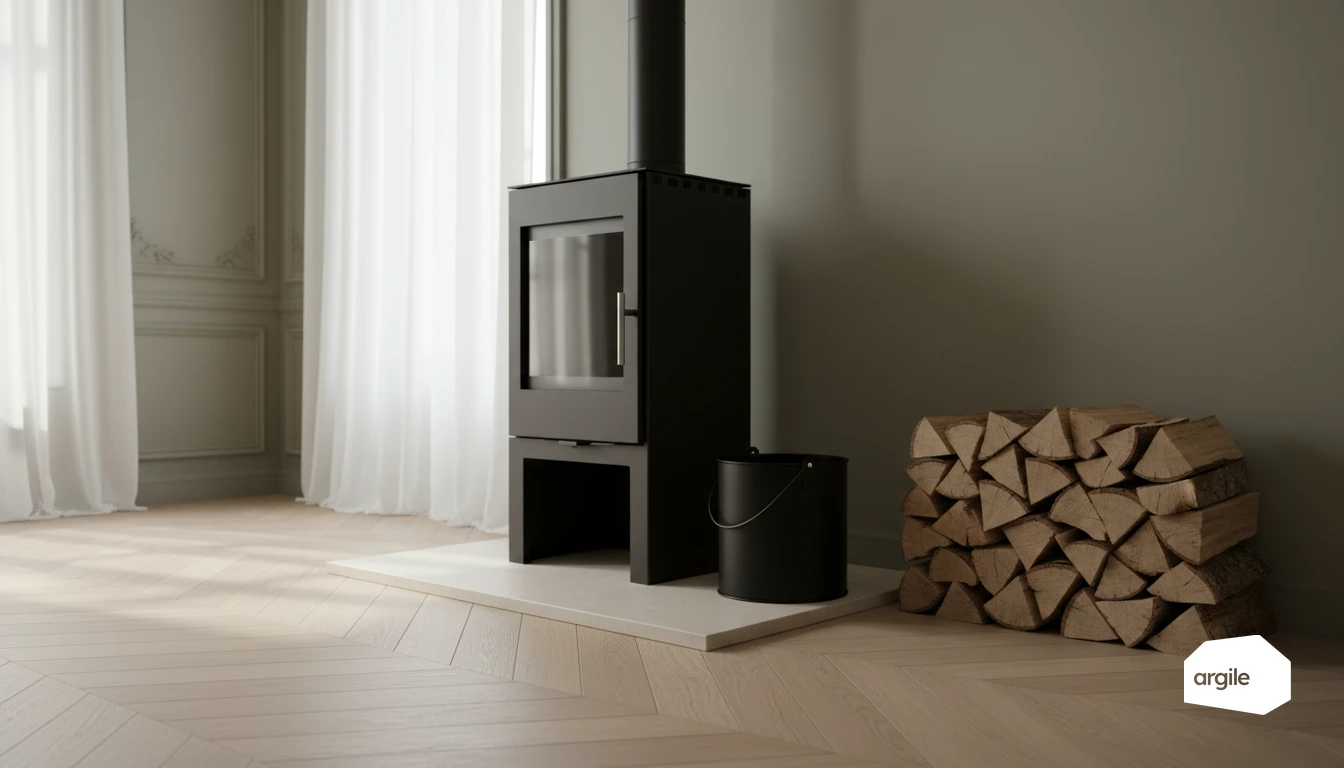
At your clients' homes, a poorly used heating appliance can quickly show. Odours, smoke at start-up, deposits on the glass — indoor and outdoor air both suffer. As a tradesperson, you control the right habits. Correct sizing, a suitable flue, regular servicing and simple lighting advice change everything, bringing real comfort and lower emissions.
5 min read

When you insulate from the outside with an applied facing, you're playing on two fronts: thermal comfort for your customers, and clean moisture management thanks to the air gap that helps the wall stay healthy. Properly installed, this system also lets you make up for irregular substrates and deliver a clean, durable facade, without piling up compromises on site.
6 min read
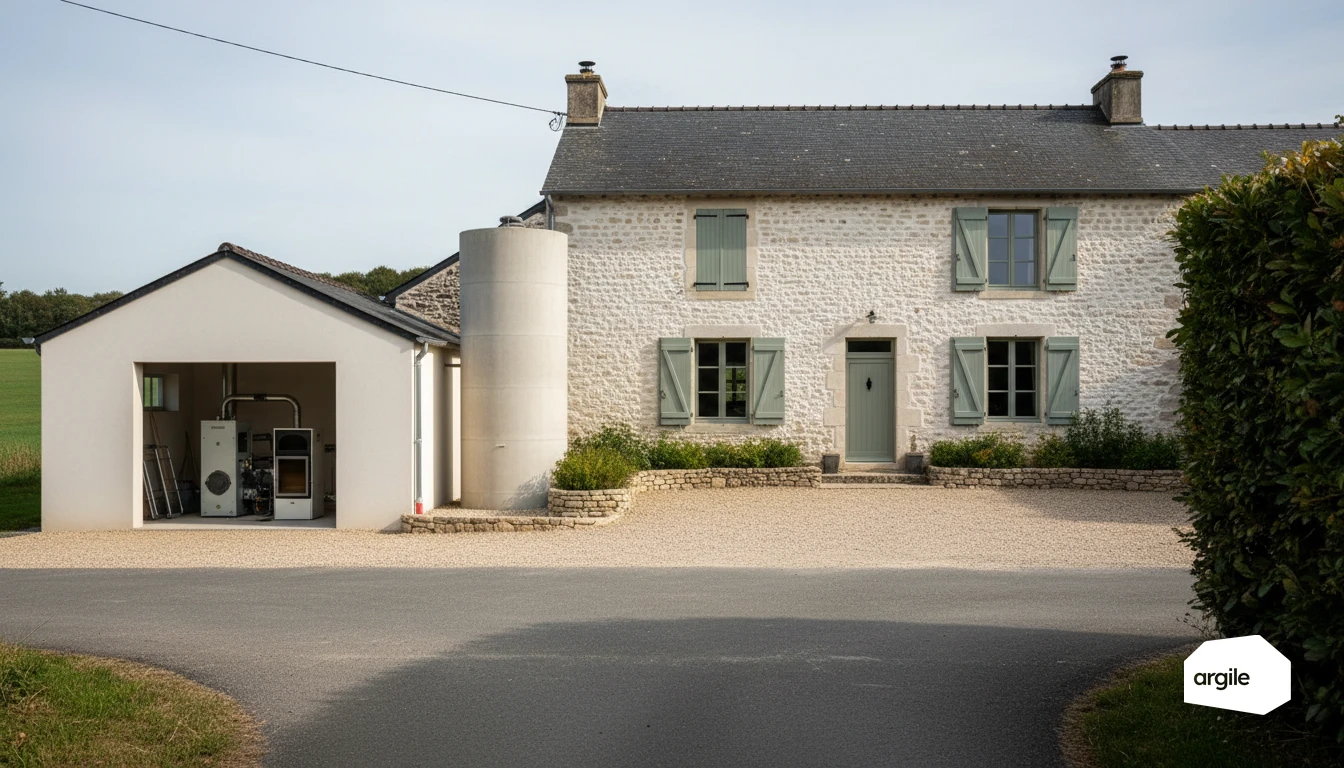
In a large building, heating is never a "detail": it's a line item that weighs on your costs, your job-site timelines and client satisfaction. With forest wood chips, you can aim for a robust solution built to run for a long time, provided you size the output, storage and feed system correctly. You gain peace of mind by planning fuel logistics, delivery access and maintenance right from the quote stage.
5 min read
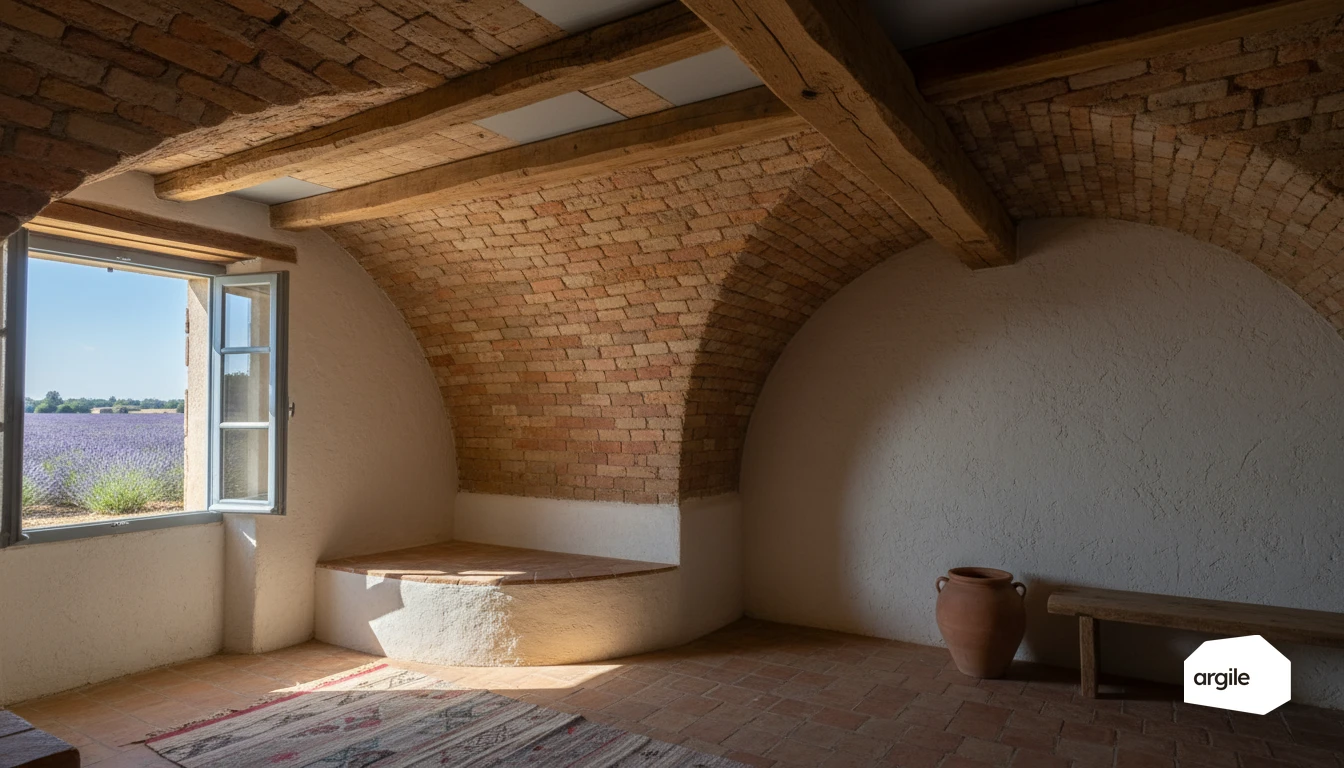
On a brick vaulted floor, you're often working within tight margins between respecting the original building, available headroom and thermal performance. The right approach is to first assess the condition of the vaults and their bearings, then choose insulation compatible with moisture and loads, without sealing off the masonry. With a clear method, you secure the job and gain comfort, without a bad surprise at handover.
5 min read

Ten centimetres of substrate deliver in the order of 0.10 to 0.15 m²·K/W, while a refurbished flat roof has to reach 4.5 m²·K/W in the coldest French climate zone. The planted build-up therefore accounts for a few per cent of the requirement: it replaces no insulation at all. Its value lies elsewhere, in the summer behaviour of the membrane and in the retention of everyday rainfall.
4 min read
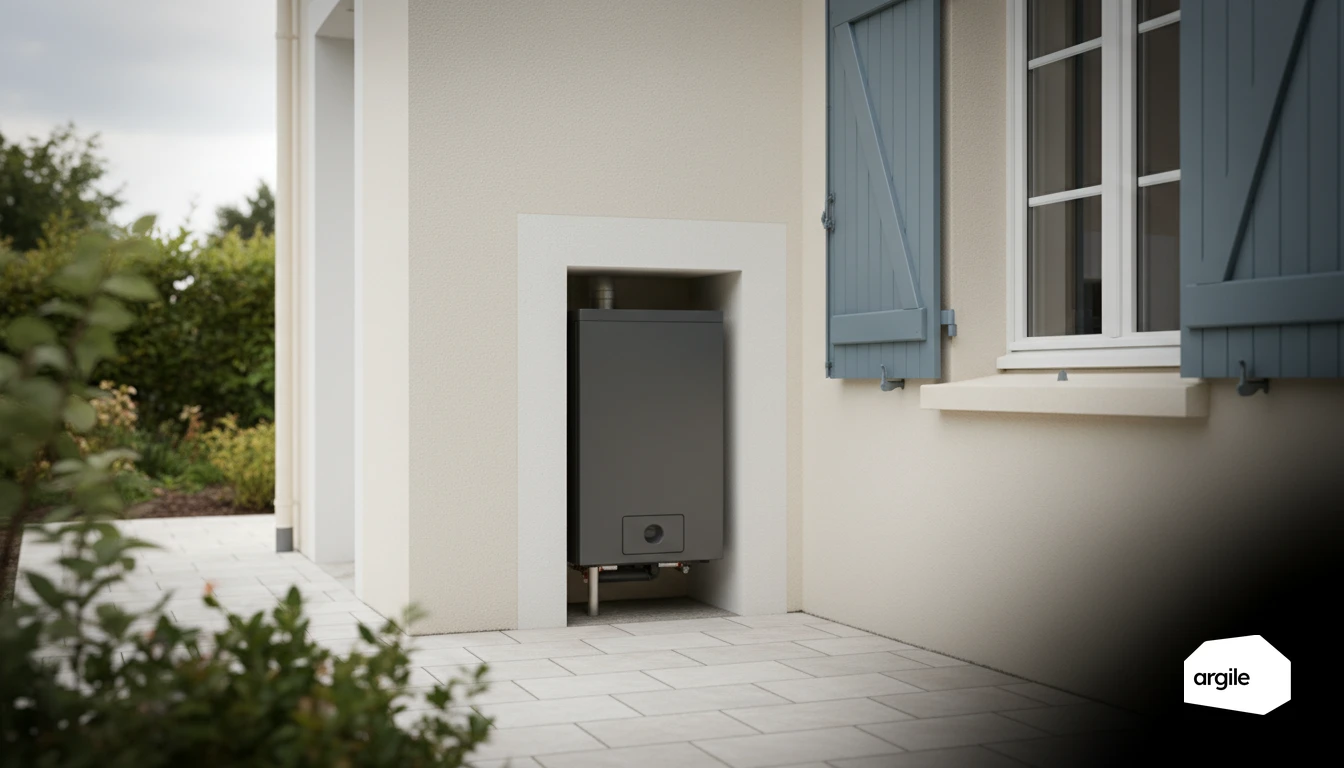
The low-temperature boiler as a product category left the market on 26 September 2015: Regulation 813/2013 set a seasonal space heating efficiency floor of 86% for fuel boilers up to 70 kW, which no non-condensing appliance reaches. One exception survives, the type B1 boiler on a shared natural-draught flue. What still matters on a retrofit is the water regime and the output of the existing emitters.
5 min read

A single French text puts numbers on indoor CO2, and it does not target housing: the order of 27 December 2022, which frames the measurement in premises open to the public. It sets the thresholds, but it also sets what the instrument must be worth, and that part is what product sheets leave out. In a dwelling no CO2 threshold applies, the obligation is still a flow rate.
5 min read

When heating runs in an empty room, you lose kWh without seeing it. By controlling heat output based on actual occupancy, you improve comfort while cutting waste, especially in hallways, offices, bathrooms or rental homes. On site, the challenge is simple: choose the right location, set the delays and wire it up cleanly so it works day to day, not just on handover day.
5 min read
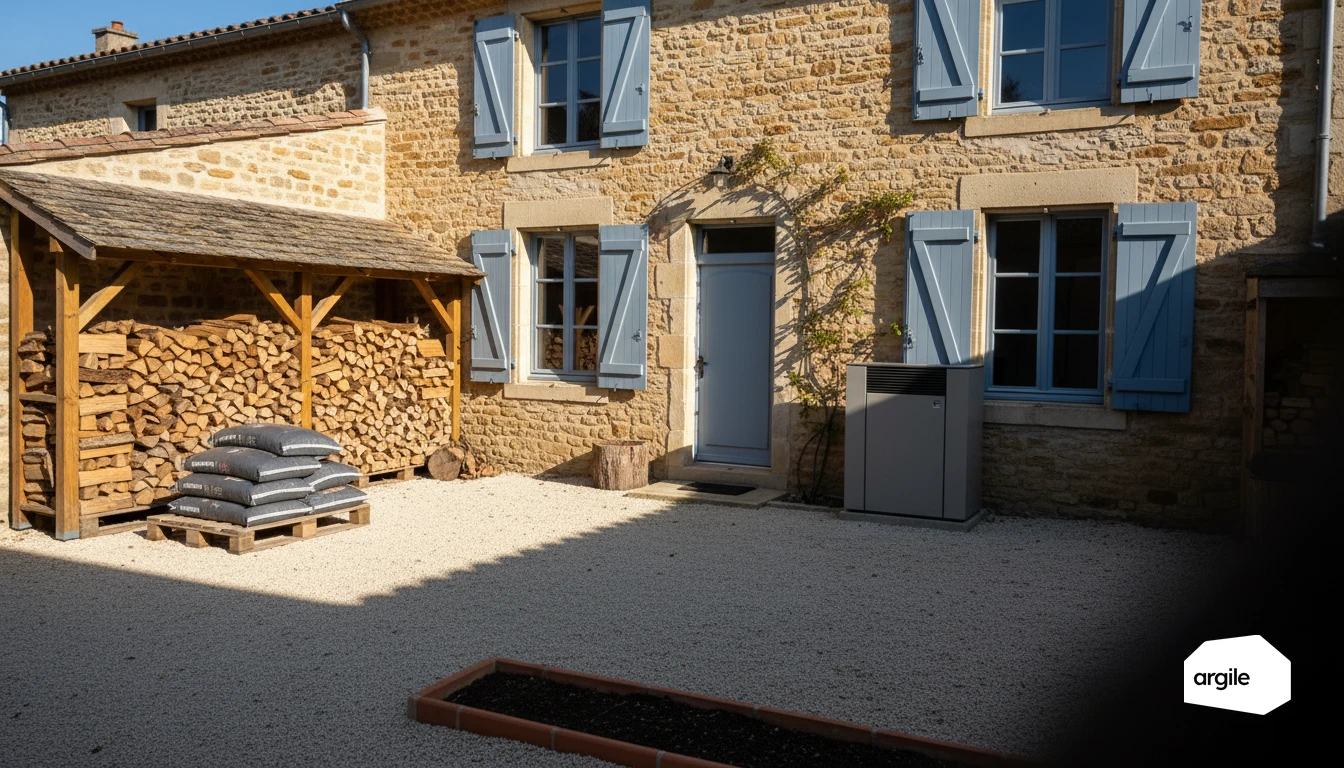
The choice between logs and pellets is not settled by what the client feels like doing. Ecodesign sets two sets of emission limits depending on whether the boiler is manually or automatically stoked, and a manually stoked boiler needs a buffer tank while an automatically stoked one needs a silo. Those requirements, plus the space available and the delivery access, are what decide the fuel.
4 min read
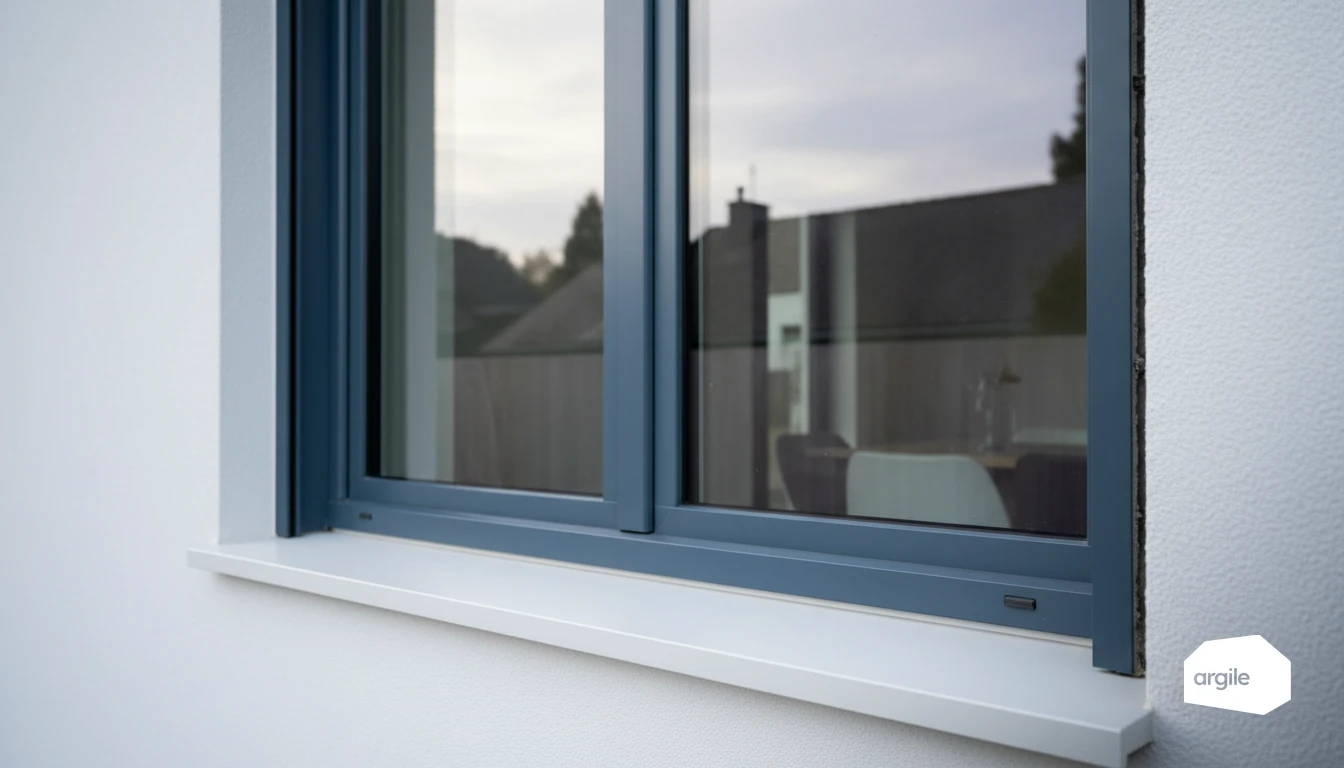
On a window-replacement job, the method is decided at the survey. Frame condition, plumb, clearances, sill, jamb linings and added thickness: what you record on site drives the airtightness, the performance you put in writing and your own liability. BS 8213-4 sets the survey duty, Approved Document L sets the product threshold.
6 min read
Reveal your expertise
One demo, and you see your expertise proven.
Contact us
