
Louis Meneteau
CPO of Argile
187 articles published
Louis is CPO of Argile. An engineer by training, he spent four years in systems engineering, validating calculation software and designing the trials that test it, then three years in software product. He turns the installer's daily reality into product workflows: technical survey, sizing, quotes and subsidy files, with a hard requirement on the compliance of what comes out. His articles describe field gestures rather than principles, because he watches them on site before specifying them. When one entry flips a result, he says so and explains how to decide on the spot.
Subjects covered
Their articles

Indoor air quality is often decided at night. When a bedroom isn't properly renewed with fresh air, humidity and CO2 rise, and sleep becomes lighter and more broken. As a tradesperson, you can fix this without overengineering. Proper sizing, well-placed extract points, controlled flow rates and simple maintenance turn discreet ventilation into real nighttime comfort.
5 min read
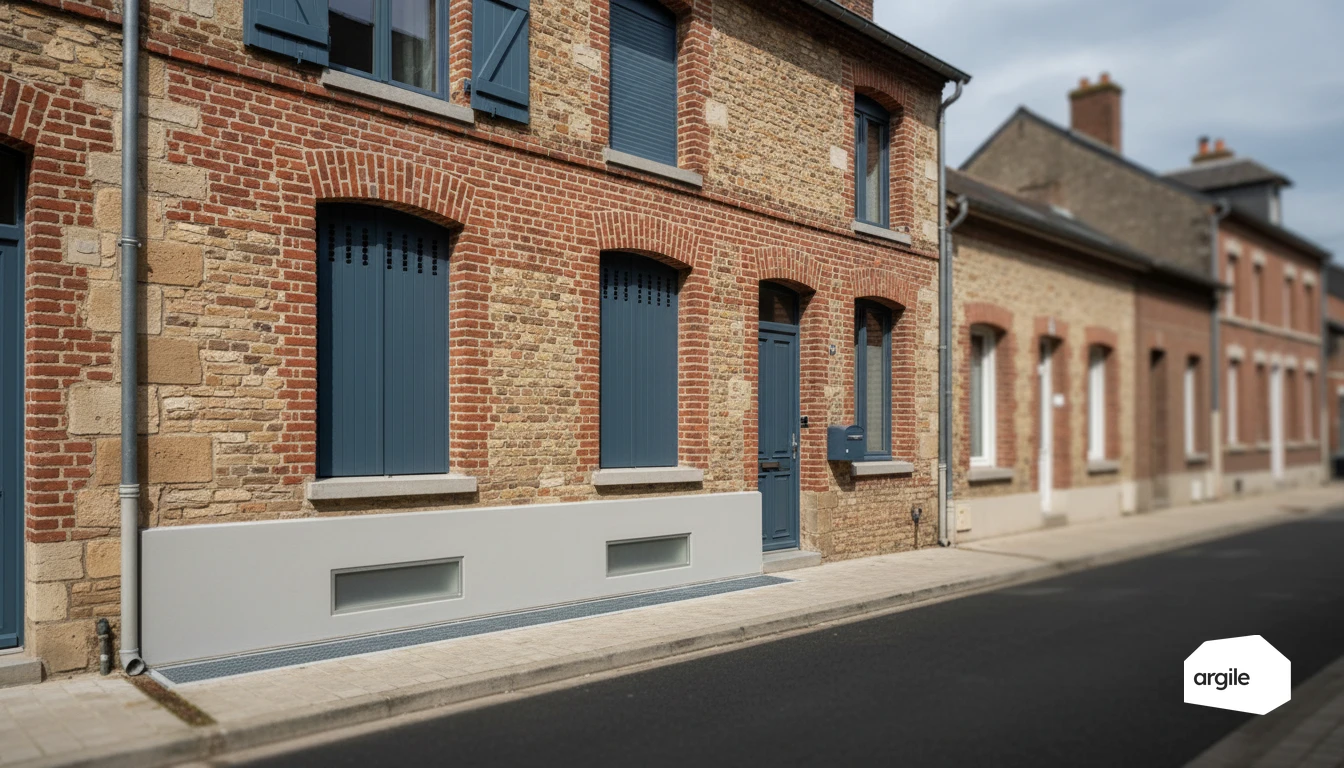
In a house, the cold zone beneath living spaces can undermine comfort and drive up heating needs. As a tradesperson, the right choice is made on site: insulate the ceiling when you need to protect the rooms above quickly, or the walls when moisture and thermal bridges set the priority. With a few simple checks, you secure the solution and the job runs without surprises.
5 min read

The choice between a complete replacement window and changing the glazing alone is settled first on funding, then on the state of the frame. The French CEE sheet BAR-EN-104 explicitly excludes simply replacing glazing, and MaPrimeRénov' has no longer funded glazed elements as a standalone measure since 1 September 2026. A client with tired double glazing in a sound frame therefore falls outside the grant schemes, whatever level of intervention is chosen.
5 min read

On a ground source heat pump, the horizontal loop is decided by the plot, not by the catalogue: clear area, plant access, soil type, no future loading over the trenches. On the paperwork side, the grant runs through MCS certification and a room-by-room heat loss calculation, not through a rule of thumb on floor area. Getting that wrong is a job that does not qualify.
5 min read

On site, it's not the technical work that wastes time, it's hesitation at the moment of deciding. When you set a clear framework from the start, you secure the quote, align the client, and avoid the backtracking that eats into your margins. Here's a simple method for choosing the right criteria, in the right order, and moving forward without ambiguity.
5 min read

On an energy renovation site, every oversight costs time, and sometimes a grant. With a well-maintained digital model, you visualise the existing building, coordinate the trades and lock in your insulation and equipment choices before starting. The result is fewer back-and-forths, more accurate quotes, and a client who finally understands what you are proposing.
5 min read

When you're preparing an insulation job, everything often hinges on one simple question: what's actually on the other side of each wall — outside, inside, the ground, or a neighbour? Getting this right avoids wrong thicknesses, good materials installed in the wrong place, and quotes that go off track. Clarifying these contacts during the site visit from the start protects both the thermal result and the client relationship.
5 min read

On a solar hot water system the backup fuel does not only change the hydraulic layout: it changes the water heating efficiency figure the system has to declare. With a Joule effect electric backup, 36 to 60 % is enough depending on the tapping profile. With a gas backup, the equivalent requirement is 95 to 120 %. Here is where that gap comes from and what it means for product selection, pipework and paperwork.
5 min read

On site, nothing beats a field measurement to know whether the air is actually moving as intended. With the right instruments and a simple method, you quickly spot underperforming vents, imbalances between rooms, and common causes like clogging or leaks. The result: you save time on adjustment, and you secure the final quality before handing over the job.
5 min read

When a job site lacks thermal mass, summer overheating and heating swings come back quickly, even after good insulation. By integrating phase change materials into a partition or a lining, you smooth out the temperature without adding weight to the structure or eating into your schedule. It's a clever solution to offer wherever every centimetre and every degree counts.
5 min read

Your clients want more comfort, less noise and lower bills, without windows getting endlessly thicker. Vacuum glazing offers a serious route to better insulation while keeping slimmer profiles — it's up to you to judge where it's worth it on your projects. If you ask the right questions from the measuring stage, you avoid bad surprises during manufacturing and installation.
5 min read
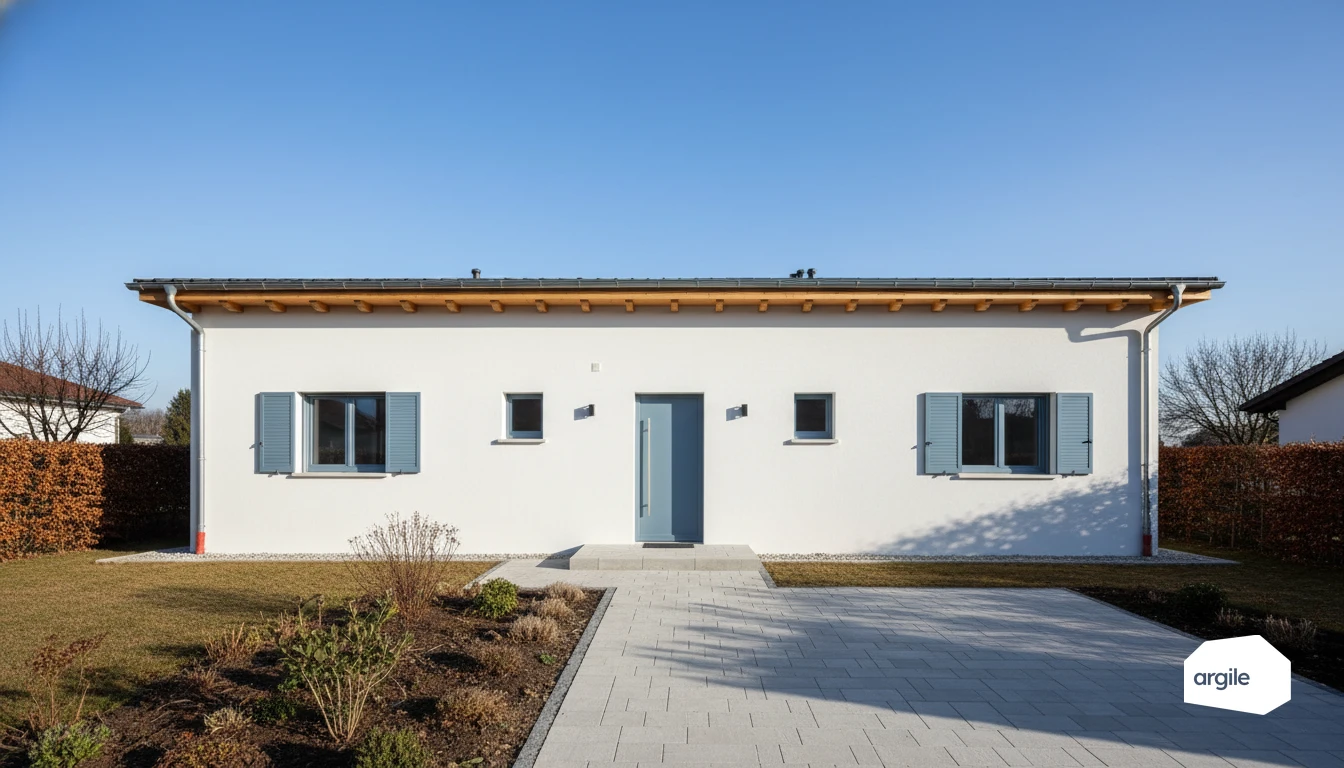
Between insulating and changing the heating system, your clients often hesitate. It is up to you to set the right project logic, to avoid oversizing a heat pump or letting heat loss run away despite a new appliance. By clarifying the order of the work, you secure performance, budget and satisfaction at the end of the job.
5 min read

When you need to save centimetres without giving up on performance, vacuum insulation panels can truly change the game in renovation. They fit where conventional solutions hit a wall, thin walls, window reveals, floors with limited height, and help you meet your targets without redoing the whole building envelope. Provided you properly anticipate panel protection and singular points, to avoid bad surprises on site.
6 min read
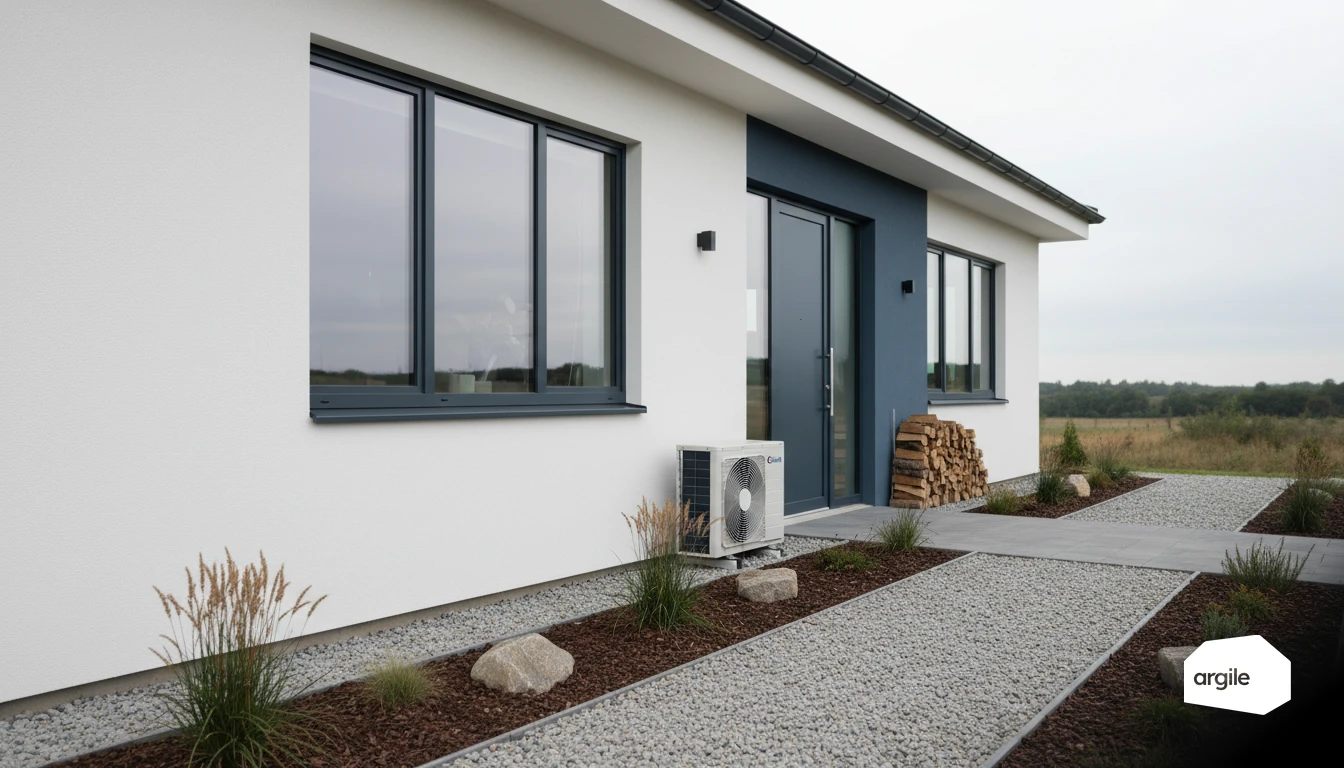
When a client is torn between a heat pump, a boiler, wood, or a hybrid setup, it's often up to you to turn the building's data into a clear choice, without an endless debate. With a simple grid, you quickly compare constraints, budget, use, and knock-on work, and you can justify your recommendation in black and white. The result: a stronger quote, and a job that starts without any grey areas.
5 min read

On site, a heat pump's performance isn't decided by a product sheet, but by a few well-chosen figures. By mastering the seasonal efficiency calculation, you secure your sizing, your settings and your pitch to the client, without getting lost in acronyms. Here, we get straight to the point, with a simple, repeatable method.
6 min read

Outdoors, insulating a pipe network is often the detail that avoids callbacks. You gain on two fronts: less heat loss, less risk of freezing and condensation, so fewer breakdowns and service calls. With a few good installation and protection habits, you secure performance without adding extra work for your teams.
4 min read

When you need to enter a Ug value in Argile, the hard part isn't the calculation itself — it's staying consistent between manufacturer values, tables, and what you actually enter. With a simple method, you avoid the discrepancies that skew the final result and save time when pricing the job. We'll walk through the right habits, from choosing the value to entering it, without drowning you in technical detail.
6 min read
Between quotes, job-site constraints and grants, every energy retrofit project demands quick, accurate decisions. An AI assistant designed for tradespeople helps you scope needs, check the key points and prepare your arguments for the client, without drowning you in technicalities. You stay in control, the tool saves you time where it counts.
5 min read

Between quotes, invoices, grant applications and tracking your teams, the risk isn't lacking skill — it's losing time retyping the same information everywhere. When everything lives in one place, you gain responsiveness, secure your paperwork, and keep a clear view of the job, from the first estimate to handover.
4 min read

In a renovation, heat losses don't always come from large surfaces. A discreet zone above the windows can create a real draft and ruin otherwise well-executed insulation. As a tradesperson, you can gain quickly here: immediate comfort, fewer cold surfaces, and a clean finish that avoids callbacks.
6 min read

A heat-recovery ventilation installation is judged on three things: the flow rates achieved, the power input and the evidence you leave behind. The rest is commerce. Here are the binding values of the decree of 24 March 1982, the ecodesign requirements to check before ordering, and the contents of a handover record that stands up to inspection.
5 min read

When regulation truly follows the weather, your jobs gain in comfort and credibility. With a well-placed, well-configured outdoor sensor, you stabilize indoor temperature, limit overheating and reduce unnecessary generator cycles. The result: fewer last-minute adjustments and clients who notice the difference from the very first days.
5 min read
Some of your clients still have that stubborn old heater that keeps pushing bills up, clogging the system, and complicating renovation work. The good news: you now have clear solutions to replace it without sacrificing comfort or budget. The key is making the right diagnosis and pointing to the right alternative from the very first visit.
5 min read
On a job site, the real question isn't the machine. It's what your emitters can handle without flinching: underfloor heating, cast-iron radiators, steel panels, existing sizing. By choosing the right flow temperature, you secure comfort, avoid callbacks and keep an installation that runs efficiently, even on cold days.
5 min read

On your jobs, every litre counts. By combining simple habits with well-chosen equipment, you help your clients cut their bill without sacrificing everyday comfort. And you showcase your expertise, by offering concrete solutions that are quick to install and easy to explain.
5 min read

Sizing a heat pump is not a commercial judgement call: BS EN 12831 gives you the design heat loss at the design outdoor temperature, and good practice caps the machine at that figure rather than above it. The safety margin added out of habit is what causes short cycling. Here is the calculation method, the bracket to work within, and the mistakes that cost you a job.
5 min read

When a prospect compares three quotes in five minutes, your edge isn't decided on price, but on the trust you inspire. As a tradesperson, you can take back control with simple, visible proof: verified reviews, job-site photos, deadlines you keep, clear explanations. And above all, a squared-away first contact, because that's often where everything gets decided.
6 min read

Demand is changing, your clients no longer want a single isolated step, they expect a complete, readable pathway, with results delivered. For you, it's the opportunity to become the single point of contact who steers, coordinates and secures the project, from diagnosis to handover. With a clear offer and reliable partners, you gain value, margin, and referrals.
5 min read

A well-chosen roof window means less overheating in summer, less loss in winter, and a comfort you feel from the very first night. For you, as a tradesperson, it all comes down to two simple points to secure on site: the actual thermal performance of the whole unit and effective blackout options suited to how the room is used. By mastering these choices, you save time on installation, cut down on callbacks, and deliver a clean, durable result that's easy to explain to the client.
5 min read

On an energy retrofit site, the difference between a satisfied client and a blow-up often plays out at your interfaces. When insulation, ventilation and heating follow one another, simple coordination, clear handover points and sharply defined responsibilities prevent rework and tension. You save time, you secure quality, and so do your partners.
5 min read
Reveal your expertise
One demo, and you see your expertise proven.
Contact us
