News
Articles by Argile
All our articles in the “Energy renovation” category.

On a district heating network, one figure drives the whole file: the share of renewable and recovered energy. From 50% upward it opens the 5.5% VAT rate on the heat supplied, allows the network to be classified, and triggers the duty to connect above 30 kW inside the priority development perimeter. Here are the values to record before pricing a substation, and the texts that set them.
5 min read
On site, a leak sometimes comes down to a few grams, but it can cost you dearly if traceability isn't rock solid. A well-kept log book means less stress during an inspection, cleaner interventions, and a team that knows exactly what was added, recovered or replaced. Here's a rundown of what to record and the right habits to stay compliant, without unnecessary paperwork.
5 min read
Producing heat and electricity at the customer's home, continuously, without complicating your life, that's a promise worth examining closely. On site, this type of system changes the game on sizing, connections and plant-room space, with some very concrete points to watch. If you're aiming for a coherent, RGE-compliant renovation, you save time by clarifying usage, available fuel and maintenance level from the outset.
5 min read
When your clients want to cut their bill without adding a complicated system, capturing the sun with a well-designed wall can make the difference. This simple principle turns an exposed wall into a heat reservoir that slowly releases warmth into the home, especially in mid-season. With the right design and installation habits, you gain a concrete, low-tech, durable selling point on your jobs.
5 min read
When a workshop, a laundry, or a food-processing plant needs reliable heat, every kWh counts. Today, you can offer a solution that reaches high temperatures while significantly cutting emissions, without overhauling the whole installation. By carefully handling sizing, the heat source and the connections, you secure the process and gain credibility from the quote stage onward.
5 min read

Adding up per-person demands does not give a building's demand. The reference method goes through the standard dwelling, a three-room social housing flat occupied by 2.1 people, whose measured average daily demand is 125 ± 50 litres at 40°C. Every flat type is brought back to that standard dwelling through an equivalence coefficient.
5 min read
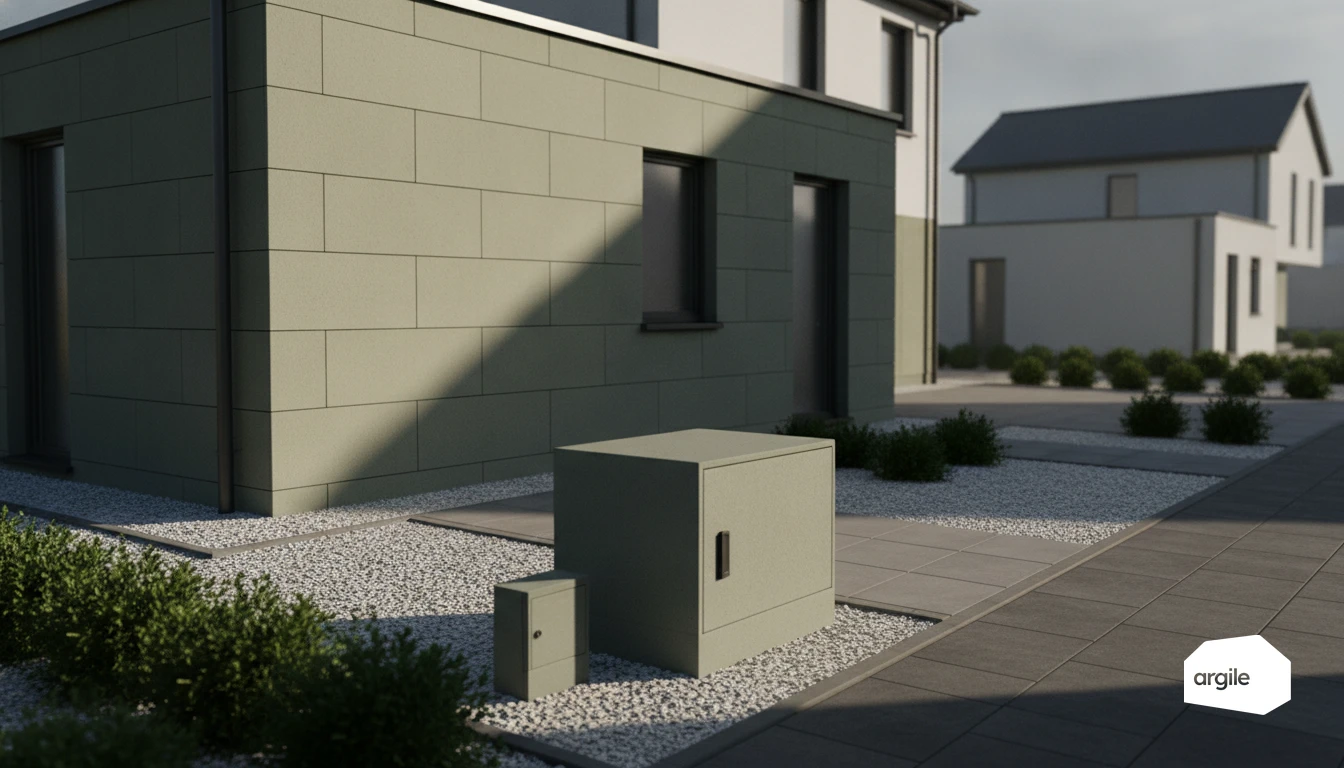
In a housing development, heat is often best handled at the scale of the neighbourhood. With a small local network and a properly sized shared boiler room, you can pool production, simplify maintenance, and secure the performance of a project, without complicating life for residents. It's also a lever for making the most of a renewable energy source available on site and making your jobs clearer for the client, from the first plans through to commissioning.
5 min read

On a job site, what saves time isn't going fast, it's moving forward in the right order. By structuring the works into clear sequences, you secure the final performance, avoid costly rework and keep the client engaged until the last step. A simple method, designed for your on-site constraints, changes everything.
5 min read
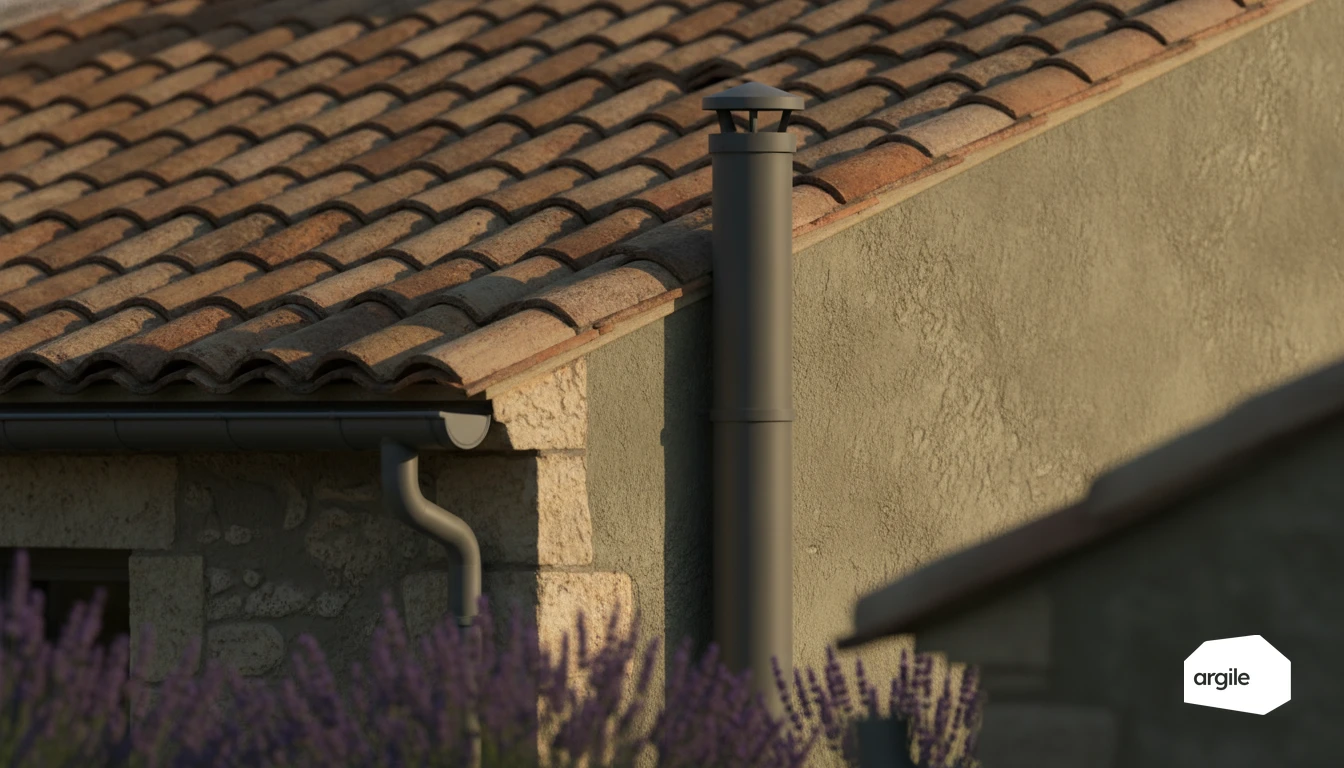
When a job calls for effective ventilation without pushing up the bill or complicating the installation, a passive solution can really make the difference. You capture heat from the sun to create a draught that renews the air, with no motor and often little maintenance. Properly sized and placed, it improves summer comfort while showcasing your expertise on renovation projects.
5 min read
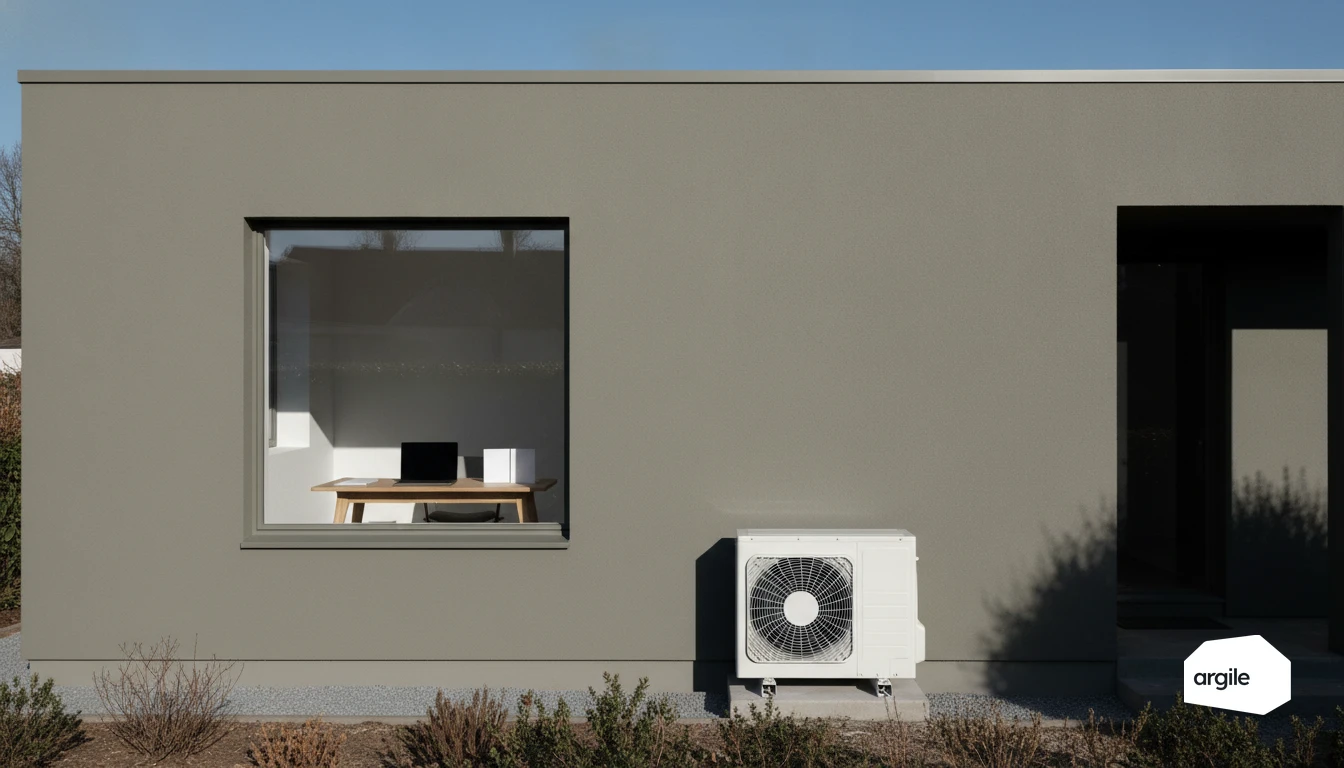
SEER (Seasonal Energy Efficiency Ratio) measures how much cooling an air conditioner produces over a season for each kWh of electricity it uses: 8.5 or more earns class A+++, and 4.6 is the legal floor for a split under 6 kW. This article explains how it is calculated under EN 14825, how it differs from EER and SCOP, what value to aim for, and how to convert it into kWh to put a figure on a bill in front of the client.
10 min read

Between two renovation solutions, the real gap is often decided over 15 or 20 years, not on this month's quote. With the right discount rate, you bring future energy, maintenance and replacement costs back to today's value, and you finally compare on equal terms. That's how you defend a solid technical choice, backed by clear figures.
6 min read
Your clients don't just want equipment, they want comfort that holds up over time, with no bad surprises. By shifting from selling a product to selling a service, you can smooth out costs, secure performance and build recurring revenue, while staying concrete about installation quality and follow-up. It's another way to showcase your expertise, and often, to sell more simply.
5 min read
1 / 7
NextReveal your expertise
One demo, and you see your expertise proven.
Contact us
