Understanding vacuum triple glazing: what changes for your project
Standard triple glazing vs vacuum glazing: differences in structure and performance
"Standard" triple glazing stacks 3 panes and 2 gas-filled gaps. Vacuum glazing replaces one of the gaps with a near-vacuum cavity, using micro-spacers and a peripheral seal. At a comparable thickness, it often targets a lower Ug, with values to be checked on the manufacturer's data sheet.
Thermal insulation and comfort: what you can promise (without overselling)
You can announce a better interior surface temperature, and so less of a cold-wall effect and a reduced risk of condensation. However, the final comfort also depends on the frame, the airtightness and the installation. Promise a measurable gain, not a bill cut in half.
Weight, thickness, inertia: impact on removal and installation
Depending on the reference, the overall unit can be slimmer than standard triple glazing, and sometimes lighter. On site, this changes the setting blocks, the rebate and the hardware, especially in renovation. Handle without twisting, the edge of the glazing unit is a sensitive zone.
2026 innovation: where vacuum-glazed windows stand in the market
Maturity level of the solutions: availability, ranges, lead times
In 2026, vacuum glazing remains a niche offering in France. It's found mainly from a handful of European and Asian manufacturers, often through specialized joiners. The ranges are still limited, with restricted formats. Lead times often run from 6 to 12 weeks, and longer for custom sizes.
Compatibility with window frames: new build, renovation, custom sizes
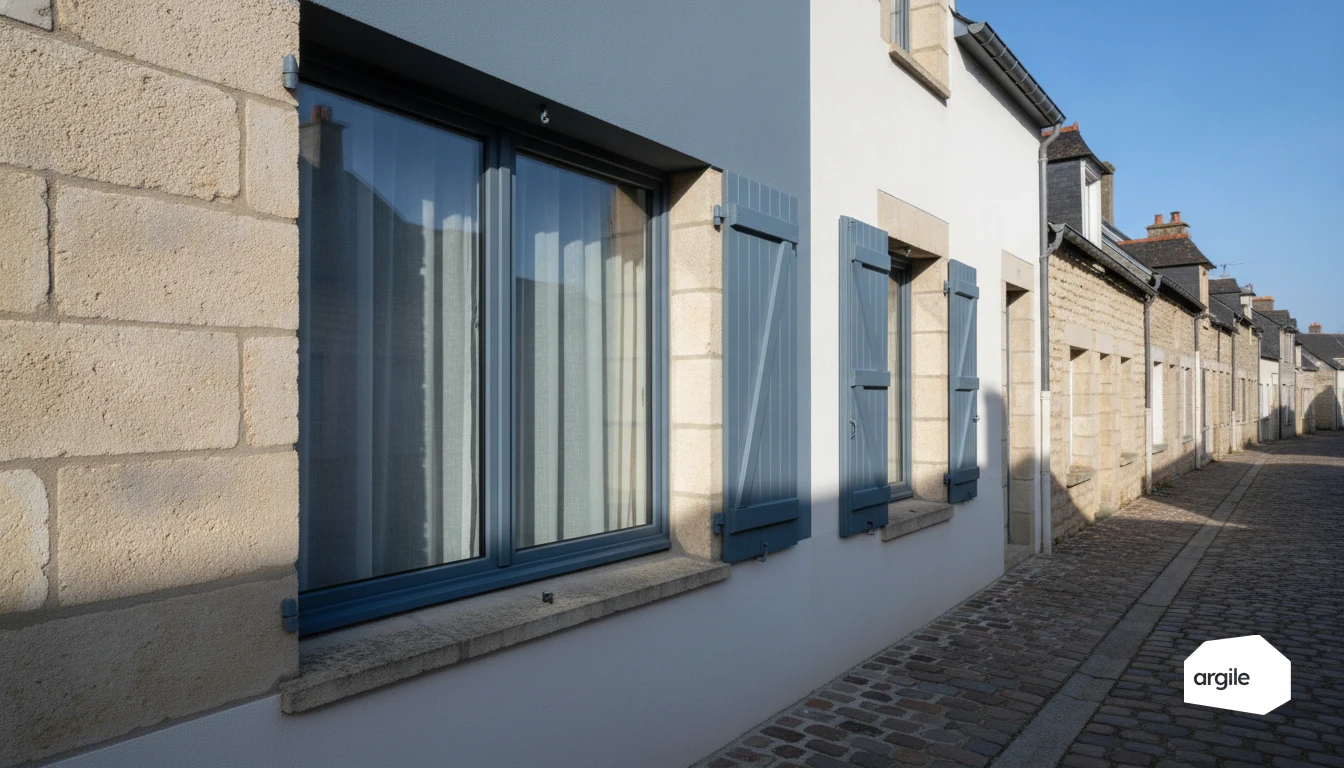
In new build, integration is simpler because the frame is sized from the outset. In renovation, the key point is the glazing's thickness and the rebate depth. Some double-glazing replacements are possible. You need to check the peripheral clearance, the setting blocks and the sealing. Custom sizing is common to adapt to the existing frame.
Observed costs and factors that make the glazing price vary
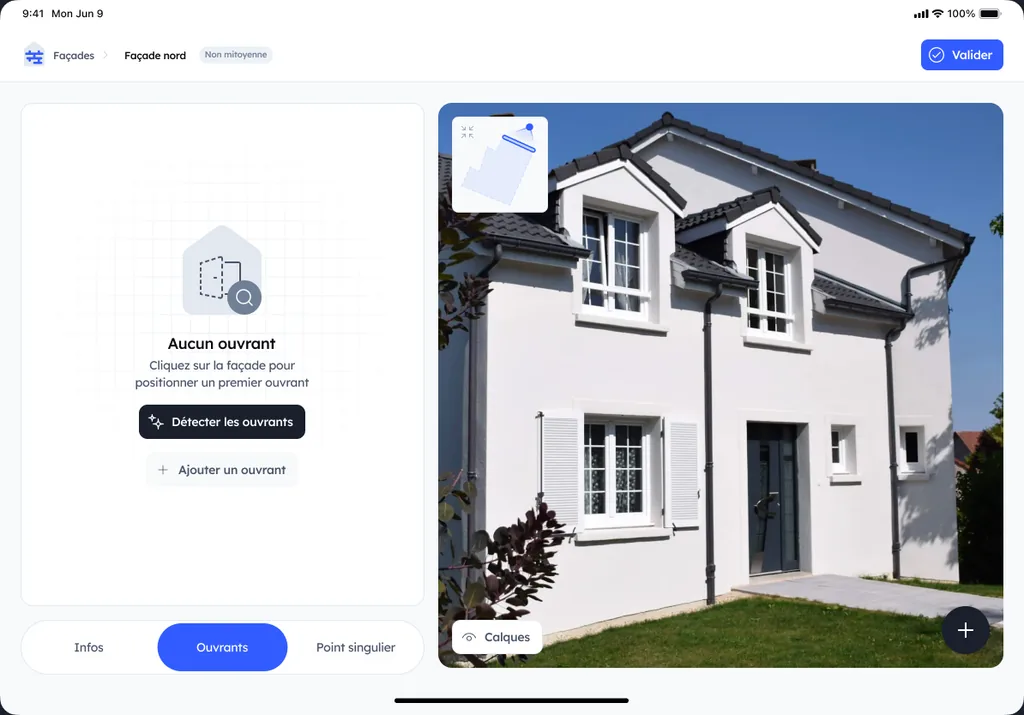
Prices vary widely. For the same surface area, vacuum glazing often costs 1.5 to 3 times more than high-performance double glazing. The budget depends on the format, the type of glass, low-emissivity treatments, safety (laminated glass), and quantities. Also factor in installation and adjustments, since the solution is less standardized. On a glazing package, the pricing hinges on the count: openings are picked out on the façades and their areas worked out automatically.
Choosing the right glazing: concrete criteria to avoid specification mistakes
Uw, Sw, LT: reading the useful values and avoiding misleading comparisons
To compare glazing units, first look at Uw (the performance of the complete window, not just the glass), then Sw (solar gains) and LT (light transmittance). Always compare products of the same type and the same dimensions. Triple glazing can lower Uw but reduce Sw and LT. On a north-facing façade, insulation is usually the priority. On the south side, the balance between gains and overheating matters.
Acoustics, safety, solar control: glazing options depending on the client's needs
For noise, ask for the Rw index and consider the context (road, floor level). For safety, laminated glass limits break-ins and holds shards together. In the case of large bay windows or west/south exposure, solar-control glazing can calm overheating without darkening the room. The right choice starts from the actual need, not a reflex to "always add more layers."
Thermal bridges, spacers, sealing: the details that make the result
The best glazing loses its edge if the installation creates air leaks or a thermal bridge at the reveal. Favour a "warm edge" spacer and continuous insulation to the frame. Take care with sealing: compression tape, membranes, interior and exterior weatherproofing. These are the details that prevent condensation and keep the promise made to the client.
Installation: points to watch specific to vacuum glazing
Transport, storage, handling: securing a more technical glazing unit
Vacuum glazing has to be handled like a precision product. Protect the edges and perimeter, often the sensitive zone. Store vertically, on stable stillages, away from moisture and impacts. During installation, favour suction cups, gloves and two people. Avoid twisting, point loads and overly rapid temperature changes.
Air and water sealing: adjustments, seals, compression tape, finishing
Performance depends on the sealing work. Adjust the sash before the finishing touches, then apply a continuous seal and a compression tape sized to the actual gap. Check the bearing of the glazing beads without over-compressing the glazing. Take care with water drips, flashings and render joints. A smoke test or a feeler-gauge check can settle any doubt.
Rebate allowances, installation clearances, hardware: anticipating the constraints
Anticipate the thicknesses, the rebates and controlled clearances. Check the compatibility of the profile, blocks and hardware with the weight and rigidity of the assembly. The glazing blocks must carry the load without crushing the edges. No drilling or trimming on site. Rely on the manufacturers' instructions and, where available, a technical approval document.
Subsidies and compliance: how to include this innovative glazing in your applications
Subsidy eligibility: documents to provide and pitfalls to avoid in 2026
For a window project, your funding application mainly hinges on proof of performance. Keep the product data sheet for the glazing actually installed and the frame close at hand, with the Uw and the g-value, the detailed quote, the invoice, and proof of your registration. Common pitfalls in 2026: mixing up the glazing reference with the frame reference, forgetting to state the treated surface areas, or installing a different product from the one on the quote.
Certification and liability: what you need to keep a record of (photos, data sheets, reports)
Keep records as if you had to rebuild the file a year from now: before-and-after photos, labels and references, a glazing layout plan if useful, installation instructions, and a signed handover report. In the event of an inspection, it's this chain of evidence that protects your business.
Talking to clients: savings, comfort, durability, without vague claims
Stay concrete. Less loss through the glazing, a reduced cold-wall sensation, and better day-to-day control. Add durability: simple upkeep, manufacturer warranties, and compatibility with a comprehensive renovation. Your promise is measurable comfort, not magic.