
Louis Meneteau
CPO of Argile
186 articles published
Louis is CPO of Argile. An engineer by training, he spent four years in systems engineering, validating calculation software and designing the trials that test it, then three years in software product. He turns the installer's daily reality into product workflows: technical survey, sizing, quotes and subsidy files, with a hard requirement on the compliance of what comes out. His articles describe field gestures rather than principles, because he watches them on site before specifying them. When one entry flips a result, he says so and explains how to decide on the spot.
Subjects covered
Their articles
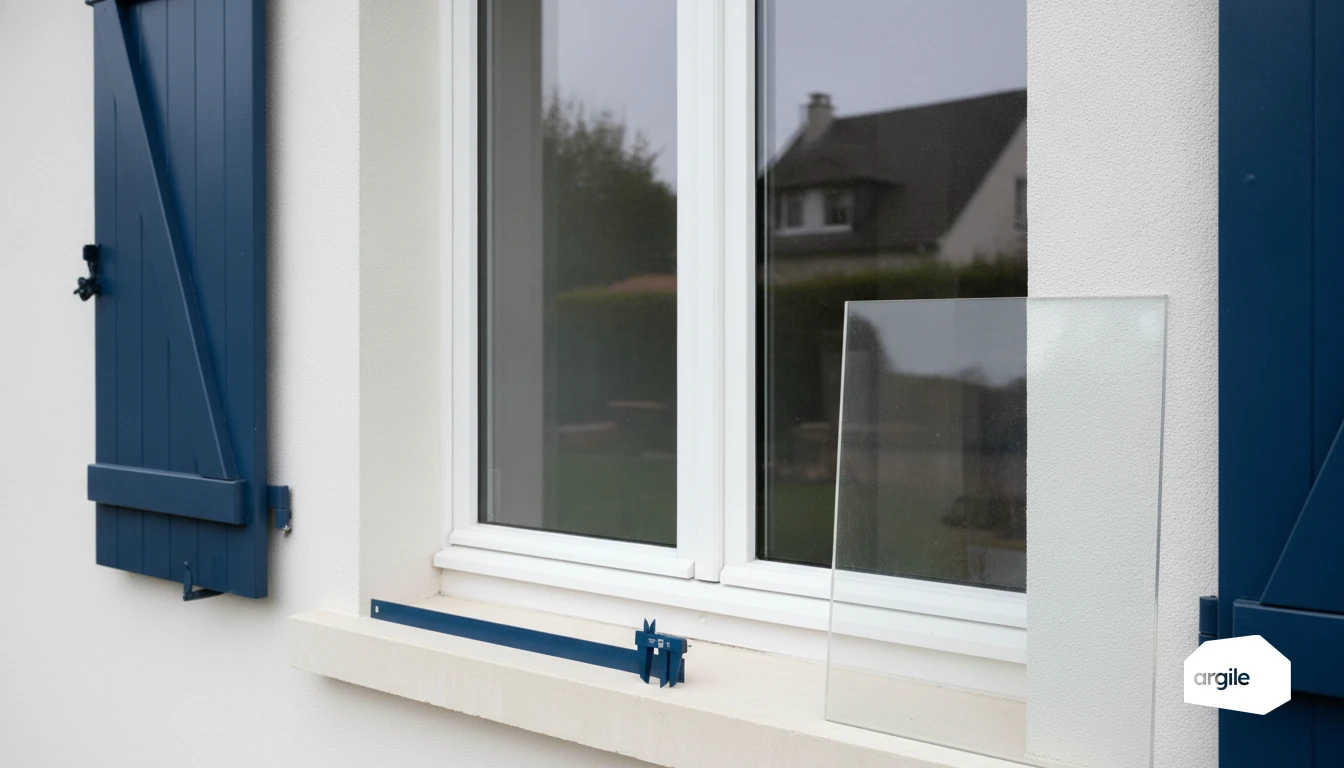
For custom-made secondary glazing, allow a 2 to 3 mm installation clearance per side, take measurements at three points (top, middle, bottom), and use the finished size based on the smallest measurement. This tolerance is the one reflected in external joinery standards, in practice NF DTU 36.5, and it is what prevents delivering a frame that cannot be fitted to old joinery that is rarely square. On the scheduling side, factor in a typical manufacturing lead time of 2 to 4 weeks depending on the workshop and finish, and keep in mind that secondary glazing generally does not meet the performance required under energy-efficiency certificate schemes for glazed walls, so it is usually not eligible for funding, but it remains a relevant solution in protected areas.
6 min read
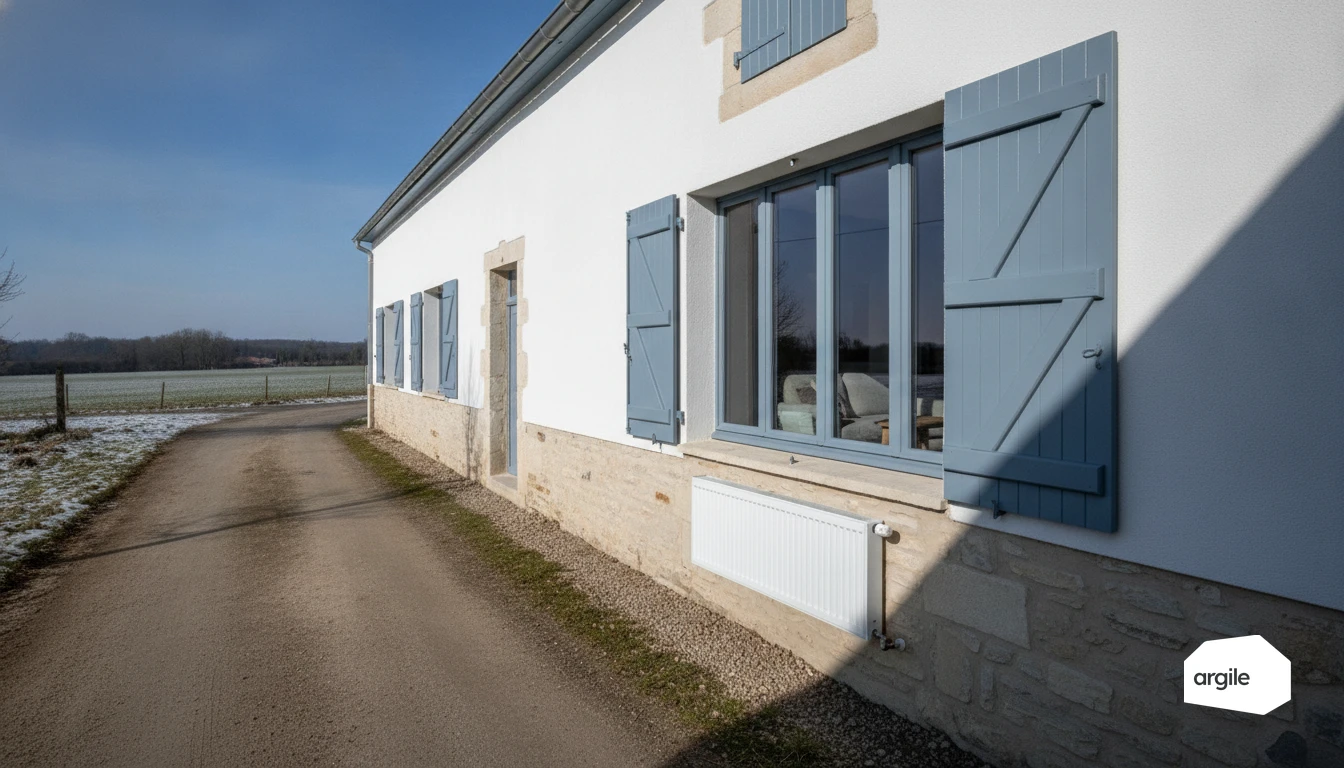
In practice, connected thermostatic valve heads mainly deliver a few percent of savings when you can turn down certain rooms, typically around 5 to 10% on a well-balanced hot-water heating system, based on the order-of-magnitude figures given in ADEME’s guide “Pourquoi et comment isoler son logement ?”, which reminds us that lowering the setpoint is the real driver of energy use. The savings depend first and foremost on the temperature difference you create between zones, not on the “connectivity.” On site, without hydraulic balancing and available flow, the valve does not regulate anything and comfort deteriorates, so this must be checked before pricing the job. Last constraint: the compatibility of the valve body (thread and stroke) determines the choice of adapters and the stability of the control.
6 min read

Project profitability comes down to two live figures: your margin on direct costs and the gap between the hours sold in the quote and the hours actually recorded, valued at your hourly cost rate. The most robust calculation method is job-by-job analytical accounting, as set out in the FFB guide “Pilotage et gestion d’une entreprise du bâtiment”, which requires allocating purchases, subcontracting and time spent to each job. This cross-check shows whether margin is being lost on materials (cost overruns, year-end discounts, extras without a change order) or on time (underestimated prep, unbilled travel, rework and defects), and therefore which lever to correct on the next quote.
6 min read
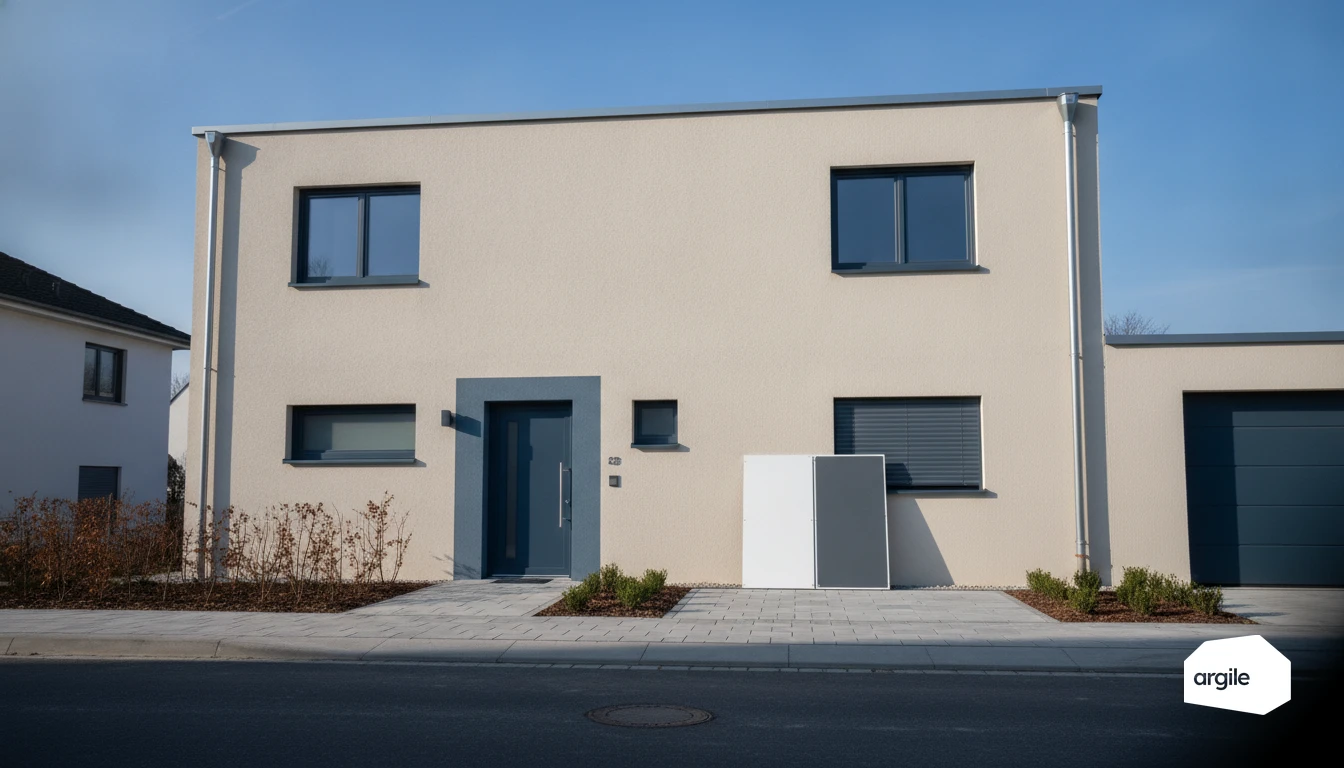
In ETICS under render, standard white EPS (declared lambda around 0.038 W/m.K) typically requires 160 to 200 mm to target a thermal resistance R in the range of 4.2 to 5.3 m².K/W, whereas graphite EPS (lambda around 0.031 W/m.K) achieves the same R with about 130 to 160 mm, based on product declarations under NF EN 13163 and the calculation R = e/λ. On site, the switch to another insulation family mainly comes down to three points to note in the quotation and self-check: fire reaction requirements and protective measures, rodent sensitivity at plinth level or exposed areas, and incompatibility of EPS with certain solvents (adhesives, sealants, cleaners) as stated in manufacturers’ technical datasheets and SDSs.
6 min read
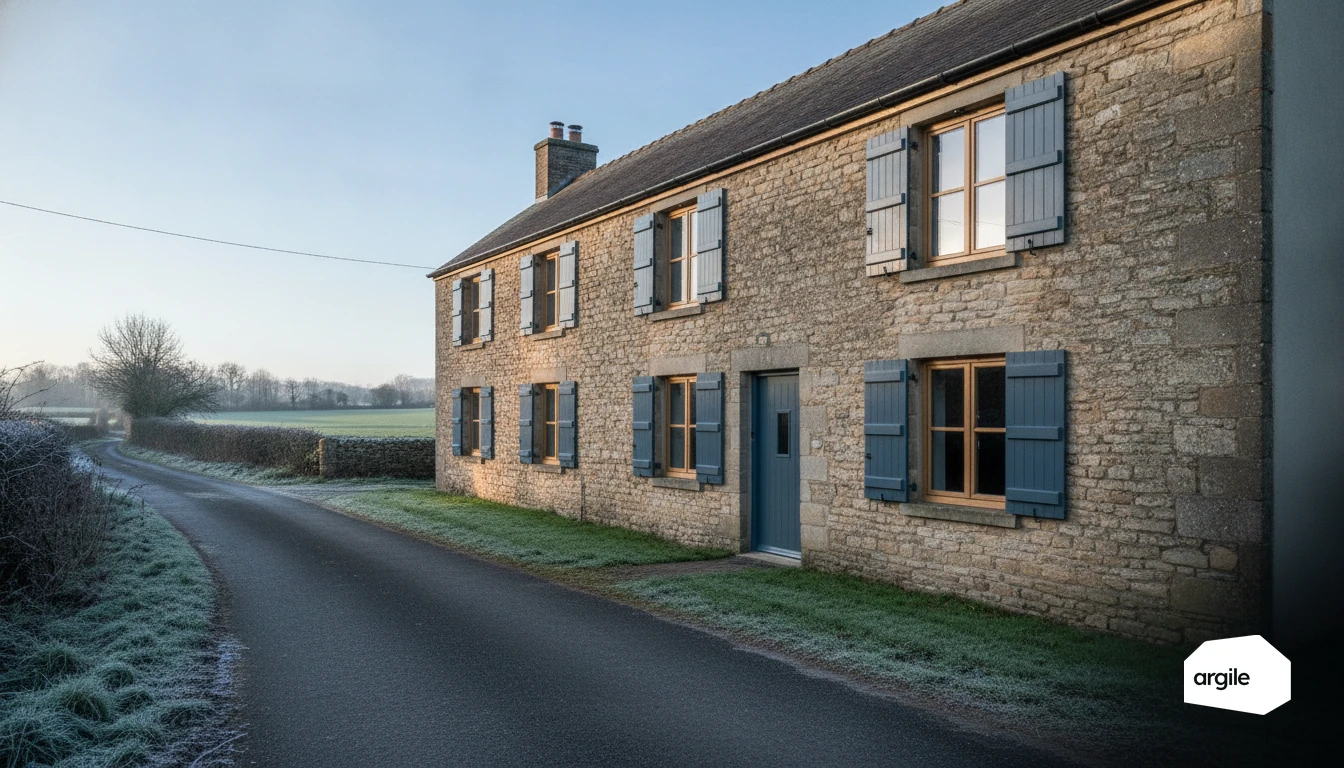
In practice, adding secondary glazing to an existing timber frame mainly pays off on single glazing by bringing Uw down from around 5.5 to 3 W/m².K when the air gap is clean and airtightness has been restored, but it remains well short of a high-performance new double-glazed window, often around 1.3 to 1.6 W/m².K. The Th-Bât method (decree of 8 October 2021) and the requirements set out in the CEE energy-saving certificate sheets for window replacement impose much lower Uw thresholds, which is why secondary glazing generally does not qualify for grants. On site, feasibility comes down to the added weight and reinforcement of the hinges, the available swing clearance, and above all the management of an air gap that must be properly controlled to avoid condensation and rot in the frame, a key issue in protected areas where replacement is prohibited.
6 min read

After a renovation, the gap between theoretical savings and actual bills often comes from a rebound effect, typically measured at around 10 to 30% of the expected gains, when comfort is increased (setpoint temperature, heated rooms, duration). These benchmarks are recalled in ADEME publications on renovation and usage, and they never replace proper commissioning checks (airtightness, settings, balancing, ventilation). On your quotes, protect yourself by stating a reference temperature, a usage scenario, and the list of settings and tests carried out at handover, so that behaviour changes and installation defects are clearly distinguished.
5 min read
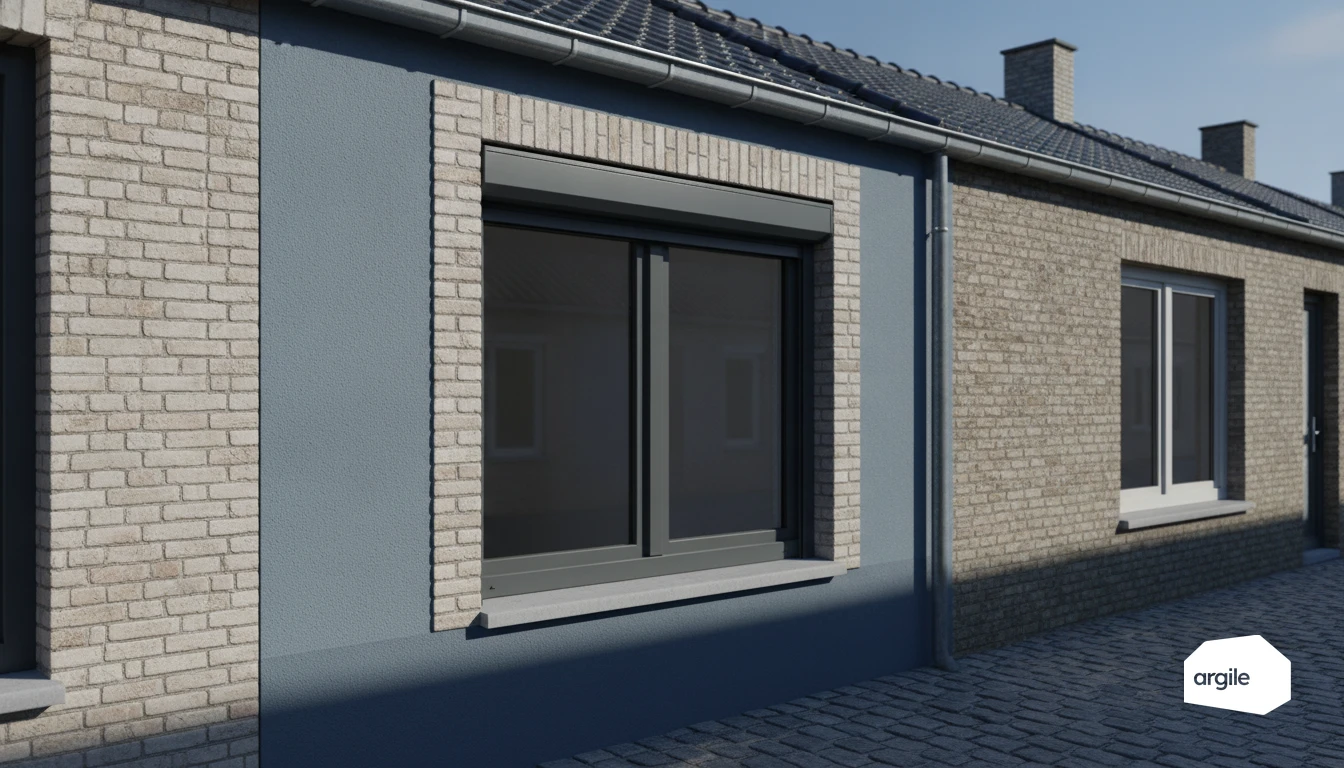
In renovation work, sobriety is first and foremost about the need, before efficiency: it covers everything that reduces usage or the level of service required (setpoint temperature, operating hours, heated volumes), whereas efficiency improves the performance of a system for the same service level, and substitution replaces one energy source with another. The most solid reference for framing these three levers remains the ADEME report “Sobriété énergétique”, which distinguishes between “sobriété”, “efficacité” and “substitution”. In practical terms, on site you can include measurable settings in your quote, such as a heating setpoint of 19 °C in living spaces, a benchmark value promoted by ADEME and widely reused in its practical guides.
5 min read
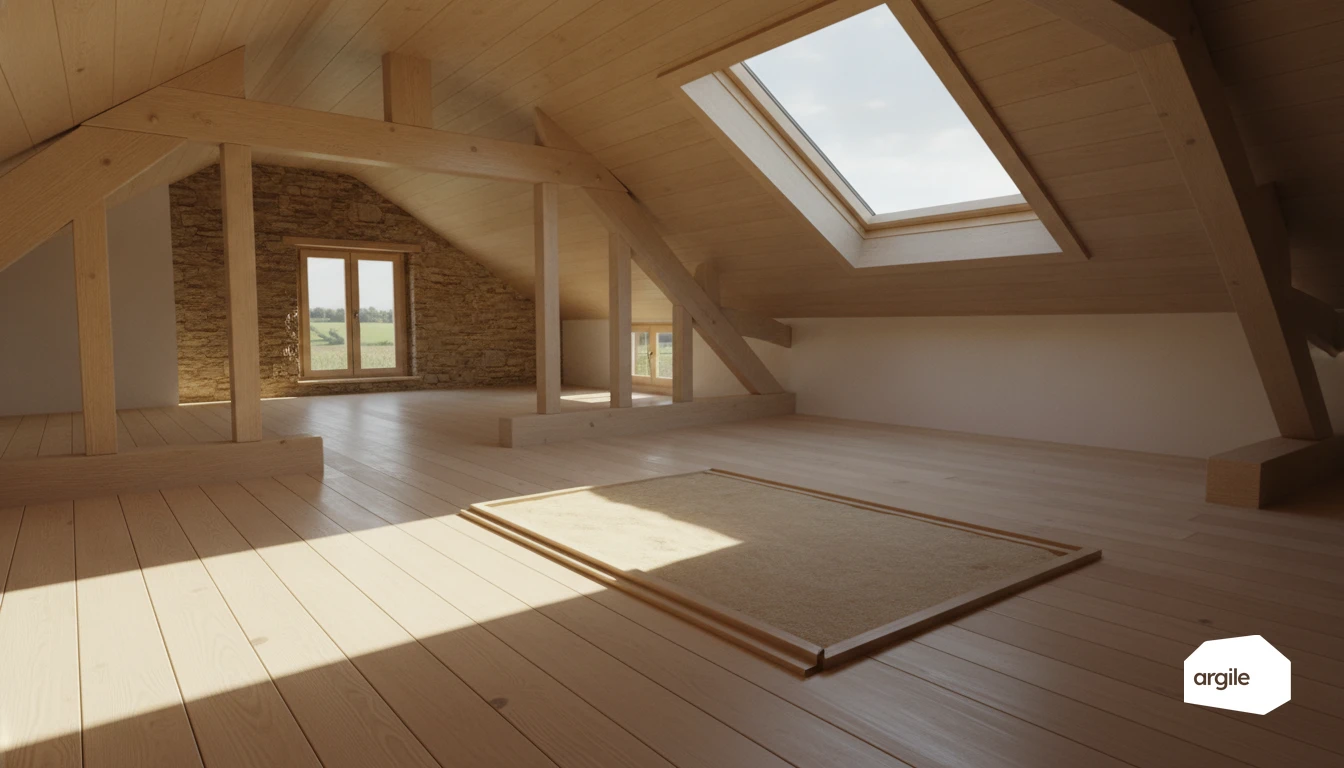
On site, your clients expect insulation that won’t shift over time and an installation with no nasty surprises. Between settling, moisture and density choices, a few good habits are enough to deliver a clean, durable result that meets the spec. That helps you secure the installation, avoid callbacks and keep your margin where it belongs.
5 min read

Between scheduling, crews, and clients, you are often the balancing point on site. Structuring this role means improving margin without burning people out: fewer surprises, tighter hours, faster decisions. Here is a straightforward approach to clarify responsibilities, set the right KPIs, and make profitability visible week after week.
5 min read
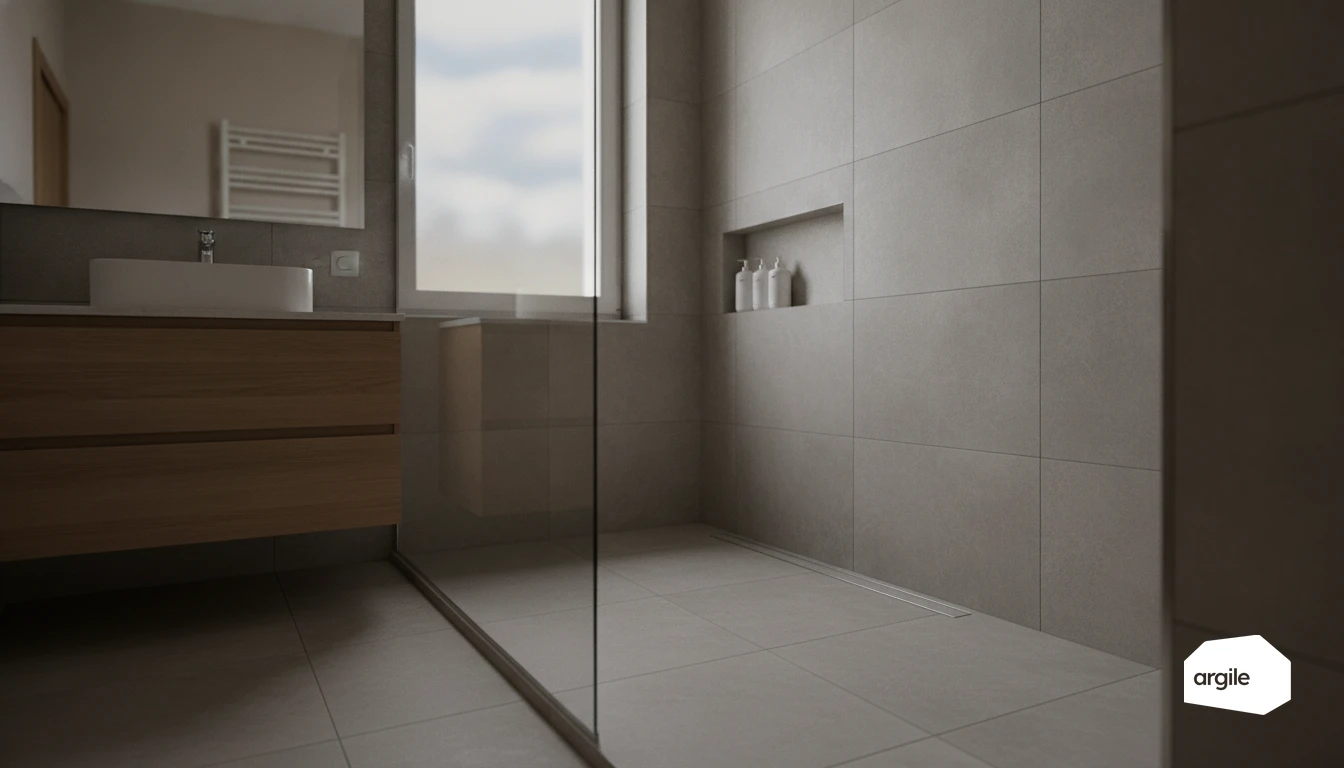
In renovation, a level-access shower comes down to two unforgiving points: slope and waterproofing. As a tradesperson, you save time and avoid call-backs when you secure the substrate, upstands, and critical details around the drain from the outset. Good layout and the right products, installed in the right order, make the difference between a smooth job and a claim.
5 min read

On a district heating network, one figure drives the whole file: the share of renewable and recovered energy. From 50% upward it opens the 5.5% VAT rate on the heat supplied, allows the network to be classified, and triggers the duty to connect above 30 kW inside the priority development perimeter. Here are the values to record before pricing a substation, and the texts that set them.
5 min read

On site, a leak sometimes comes down to a few grams, but it can cost you dearly if traceability isn't rock solid. A well-kept log book means less stress during an inspection, cleaner interventions, and a team that knows exactly what was added, recovered or replaced. Here's a rundown of what to record and the right habits to stay compliant, without unnecessary paperwork.
5 min read

In renovation, every opening counts. When you're aiming for a genuinely airtight, high-performing envelope, a window with no opening sash becomes a simple ally to install, robust and formidable against heat loss. It's up to you to choose where to place it to gain comfort, limit thermal bridges and add value to your project, without complicating the installation or day-to-day use.
5 min read
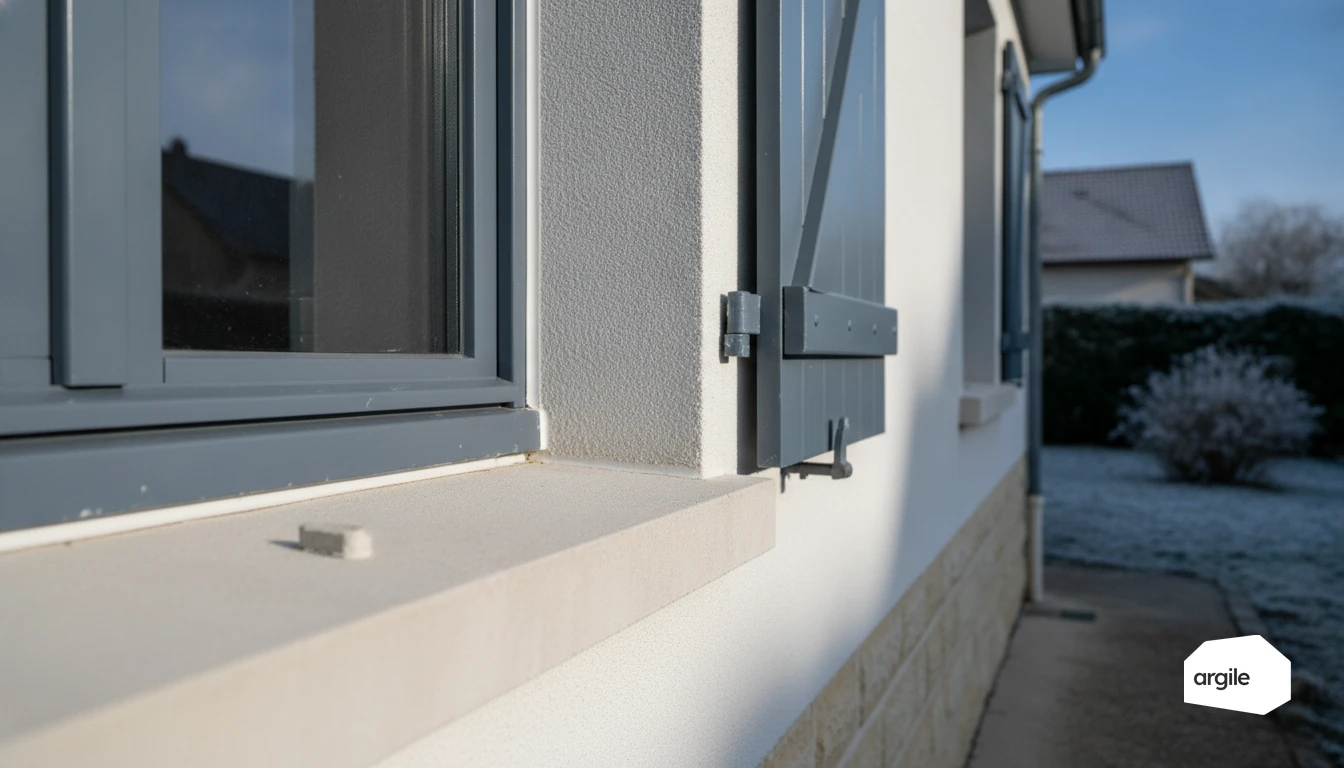
A poorly treated window reveal is often exactly where cold air sneaks in, even after a well-executed job. By carefully handling this sensitive point, you secure the continuity of the insulation, cut down on callbacks, and improve the comfort your client actually feels. Here's a rundown of the right habits, without unnecessary added thickness or complicated finishes.
5 min read

On site, damaged insulation quickly turns into an unhappy client and costly rework. By identifying entry points from the initial visit and choosing the right materials and protections, you secure performance over time, without loading up the quote. The result is a cleaner renovation, and insulation that actually holds up.
5 min read

When a client complains about rising bills, the cause is sometimes hiding in a detail that runs continuously. As a tradesperson, you can quickly gain in comfort, quietness and consumption by finely adjusting water circulation to match actual needs. It's a simple intervention to explain and easy to sell on a quote.
5 min read
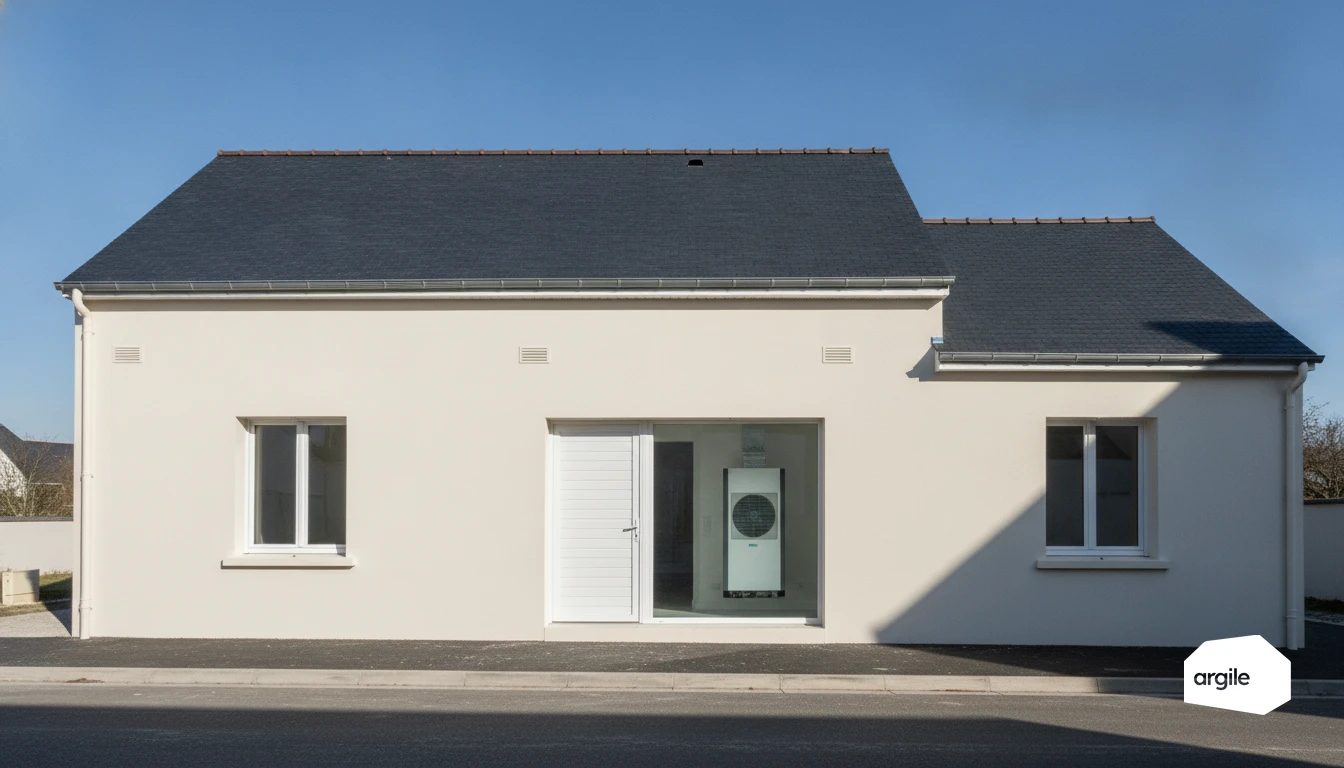
The plus or minus 10% tolerance everyone quotes when balancing does not exist in NF DTU 68.3. What the texts do put figures on are pressure deviations, a measurement uncertainty and a noise level. Knowing which one applies changes what you measure, what you record and what you can defend if it is ever disputed.
5 min read
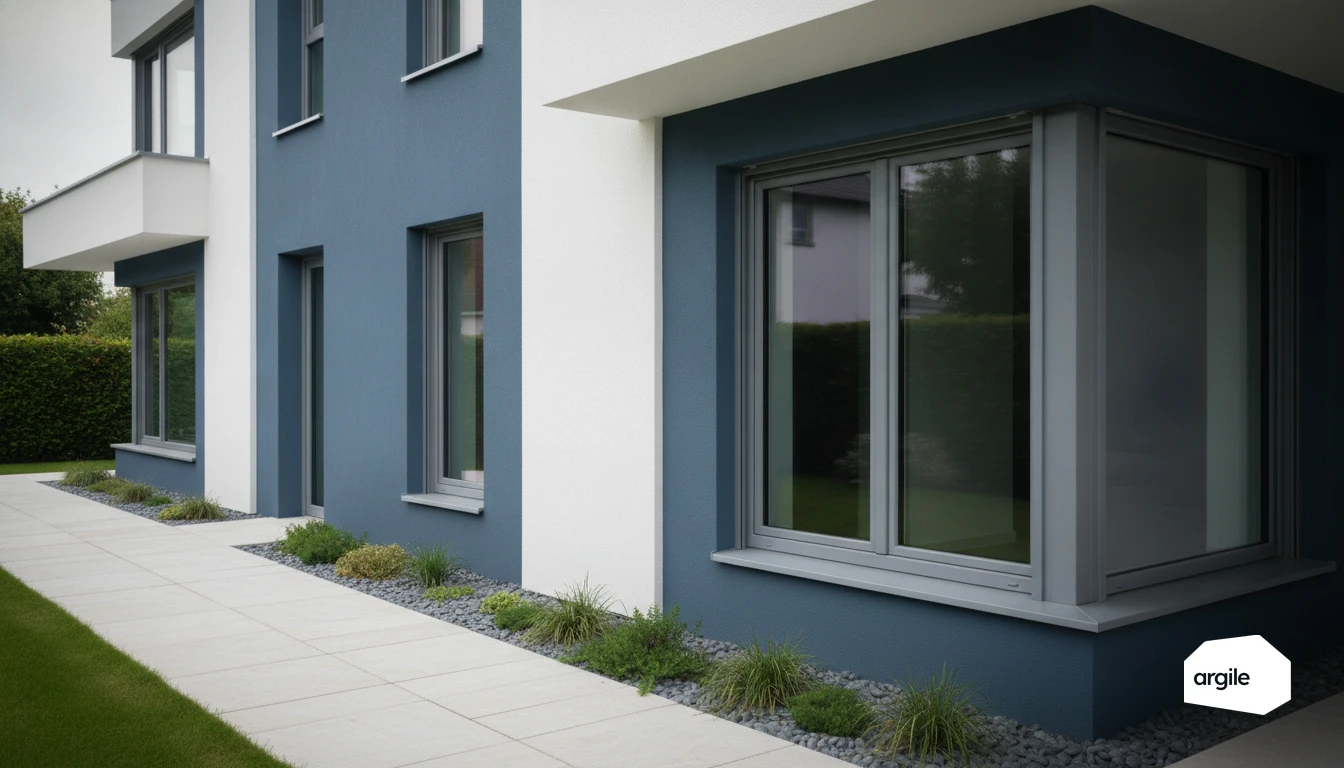
On a job site, metal joinery often comes down to a few details that either earn DPE points or don't, without sacrificing the lines. With a good thermal break, you keep insulation performance at the frame and limit the cold spots that trigger complaints. And when the finish is clean, it's also easier to sell, easier to install, and easier to stand behind.
5 min read

In renovation, when wastewater drainage can't follow the slope or the discharge point is higher up, you need a reliable solution, not a workaround that comes back to haunt you in after-sales calls. Properly installed, it secures the job, prevents backflow, and saves you precious time on connections. What remains is knowing exactly when it's really needed, and how to size it without overspending.
5 min read
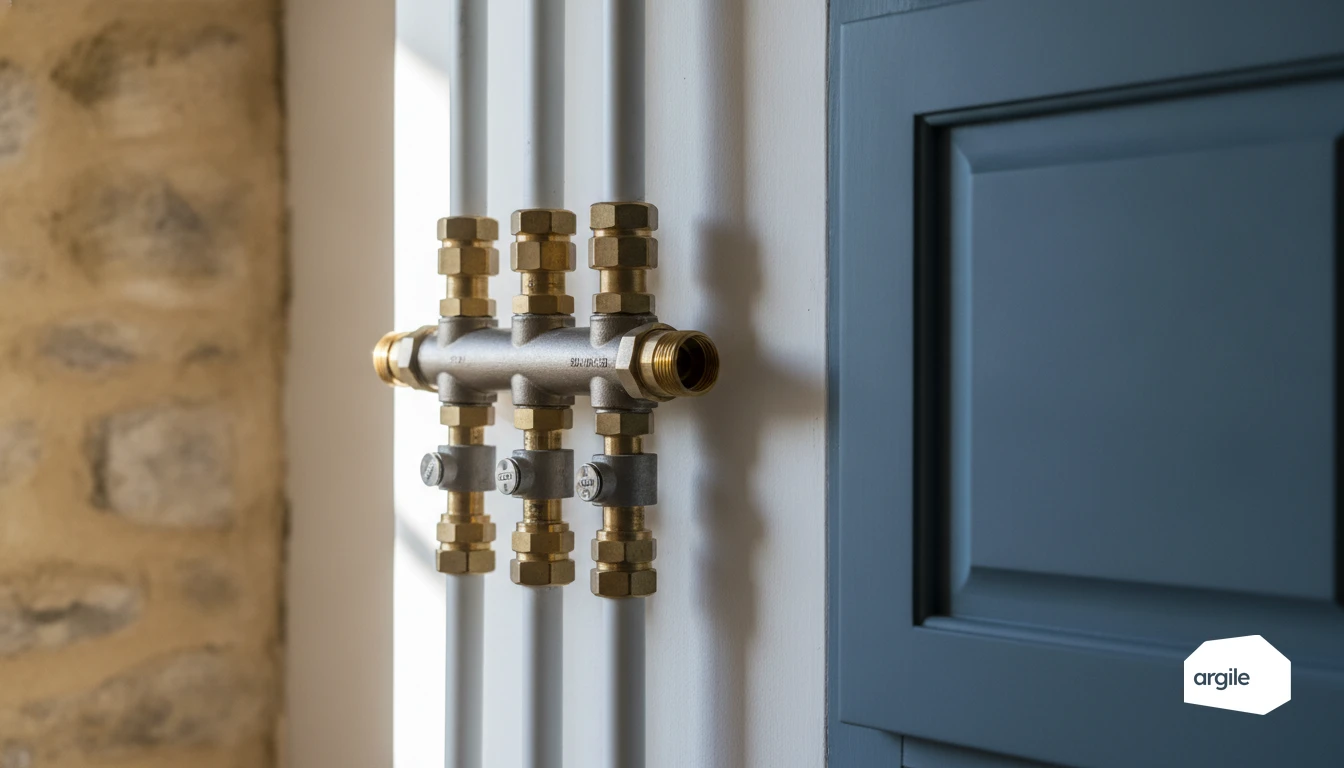
On site, every minute counts. Between fast installation and long-term reliability, pipe-joining systems have evolved a lot, without requiring more tooling or rework. By mastering the right moves and the right checks, you gain speed, cleanliness and reliability, quite simply.
5 min read
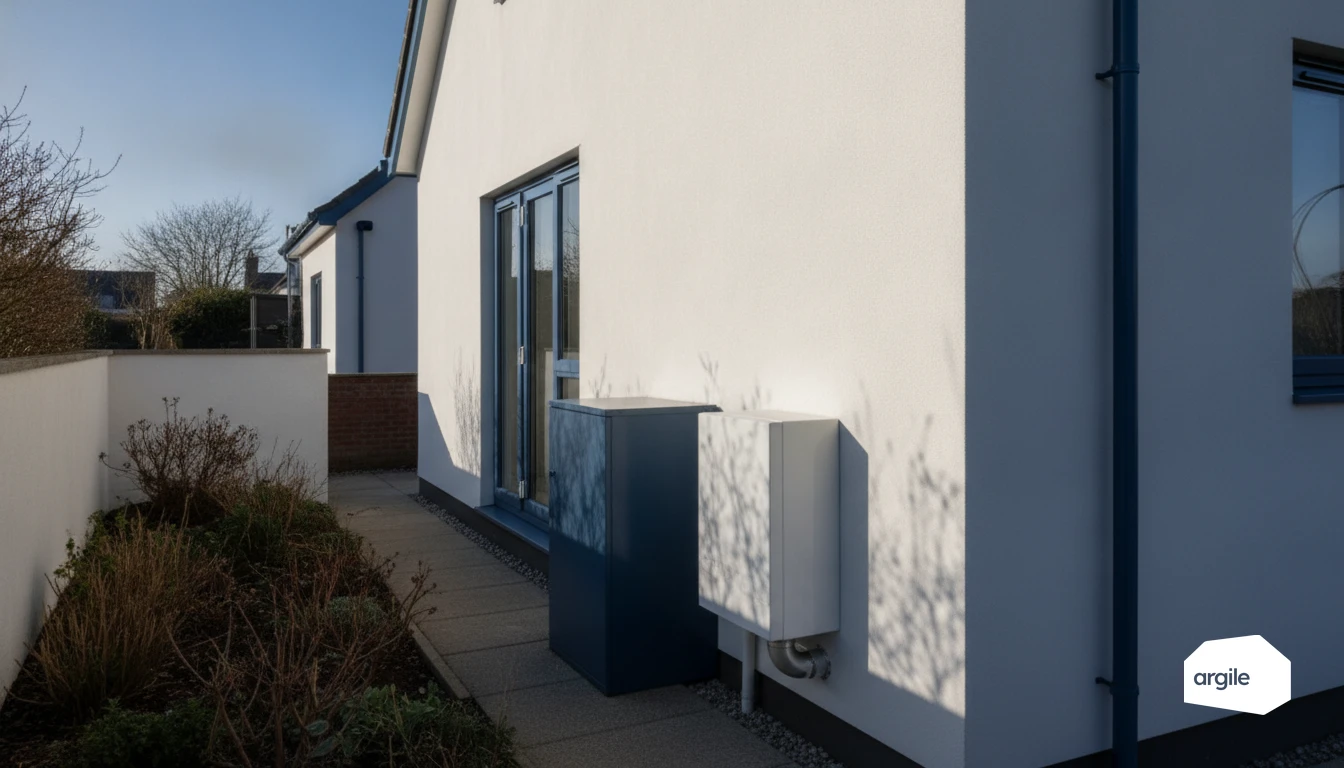
A condensate pump is not an accessory, it is a safety device. Its total head has to be calculated, its high-level contact has to shut the boiler down, and the applicable standard is BS EN 12050-2, lifting plants for faecal-free effluent.
6 min read
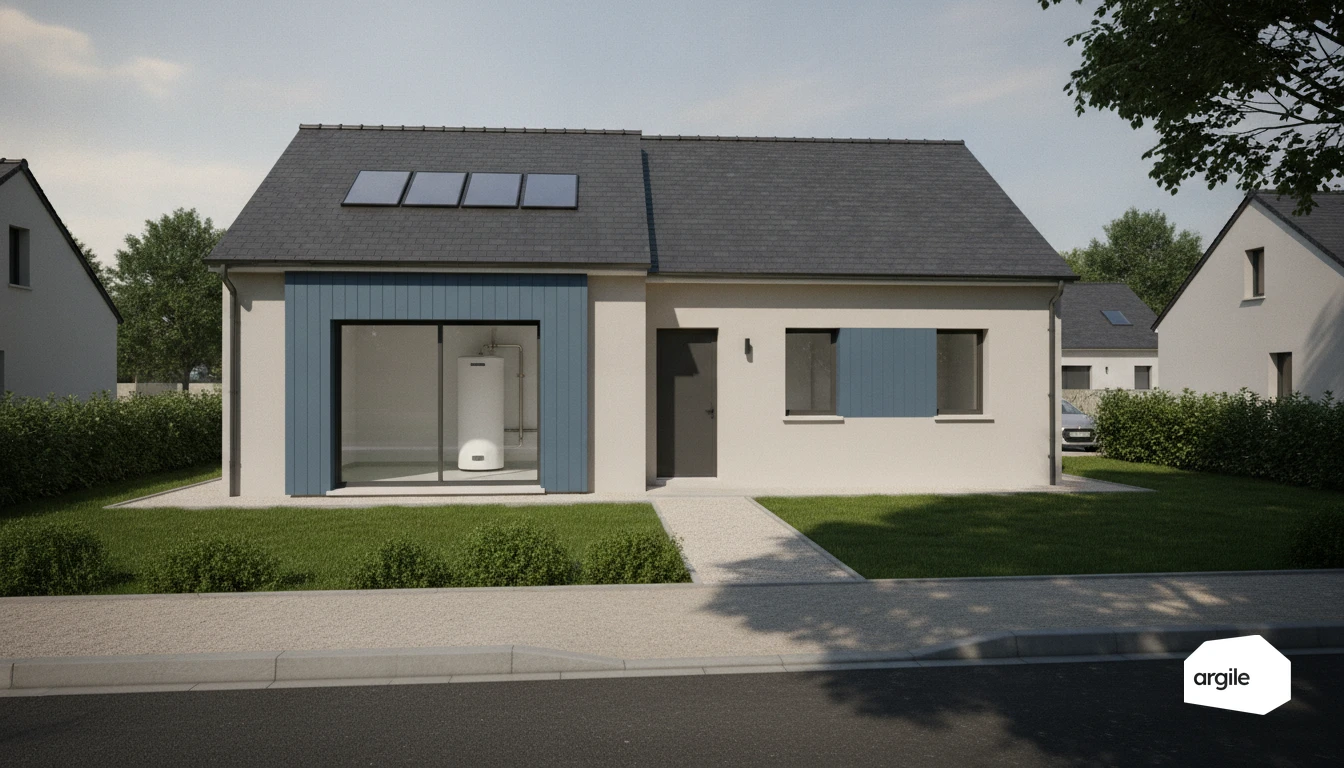
A twin energy solar cylinder is not just a vessel: it is a product whose energy efficiency class decides whether the job qualifies for support. At 500 litres or less, schemes typically require class C at minimum, which caps standing losses at around 62 W for 200 litres and 72 W for 500 litres. Here is how to read that criterion, and how the pipework can destroy it.
5 min read
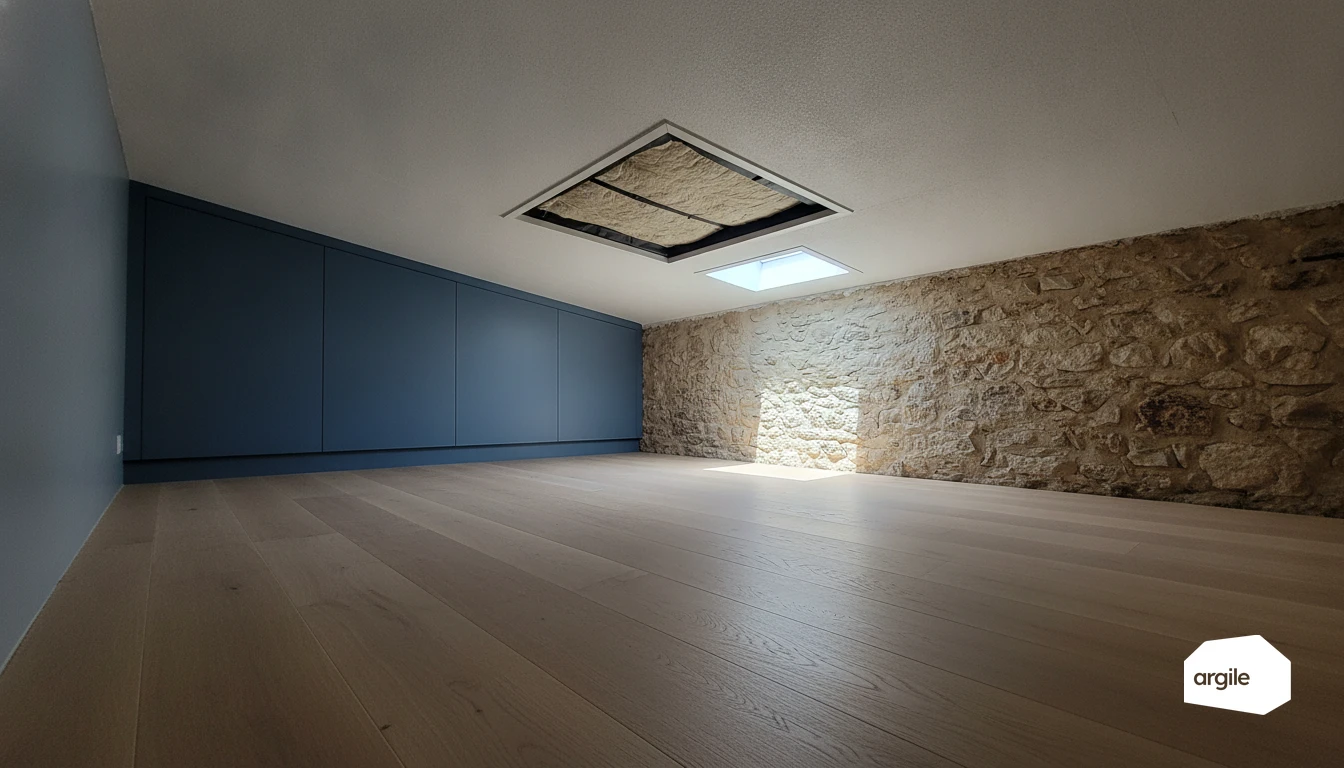
A hatch is judged on a single figure, its U-value, and that follows directly from the thermal resistance of the panel. Against a cold loft ceiling that has to reach R ≥ 7 m².K/W to earn a grant, a panel at R 1 lets seven times more heat through per square metre. Here is the conversion, the area ratio that puts the defect in perspective, and the treatment of the junction.
5 min read
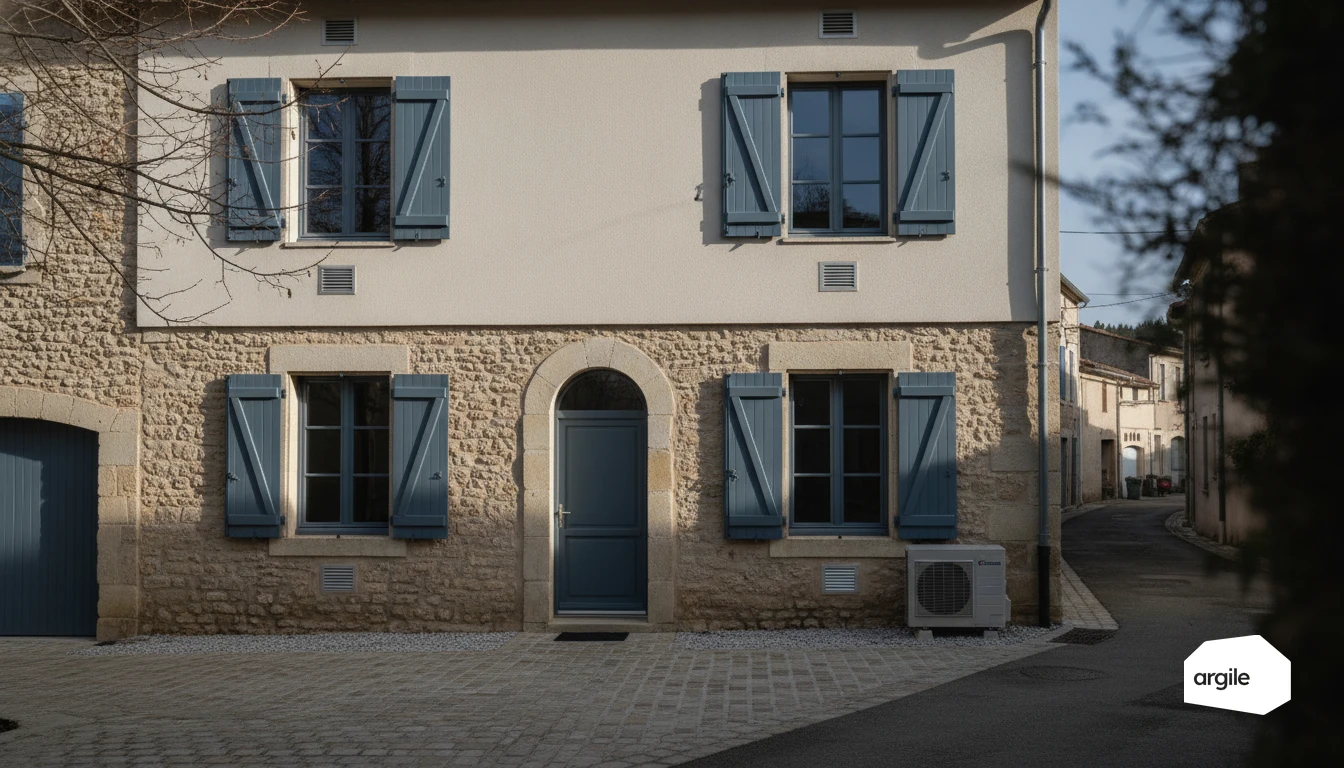
When a client wants better comfort without blowing the budget, it's often the order of work that makes the difference. As a tradesperson, you can avoid false good ideas by reading the home as a whole — first limiting losses, then sizing the heating, and finally securing air quality. With a simple method, you move faster, and your projects deliver on their promises.
5 min read

On site, a few degrees of difference can be enough to throw off a heating setting or a heat pump tune-up. With a reliable measurement that's readable remotely and logged over time, you save time on diagnosis and cut down on client callbacks. Here's how to sort through the right criteria to choose and install without bad surprises.
5 min read
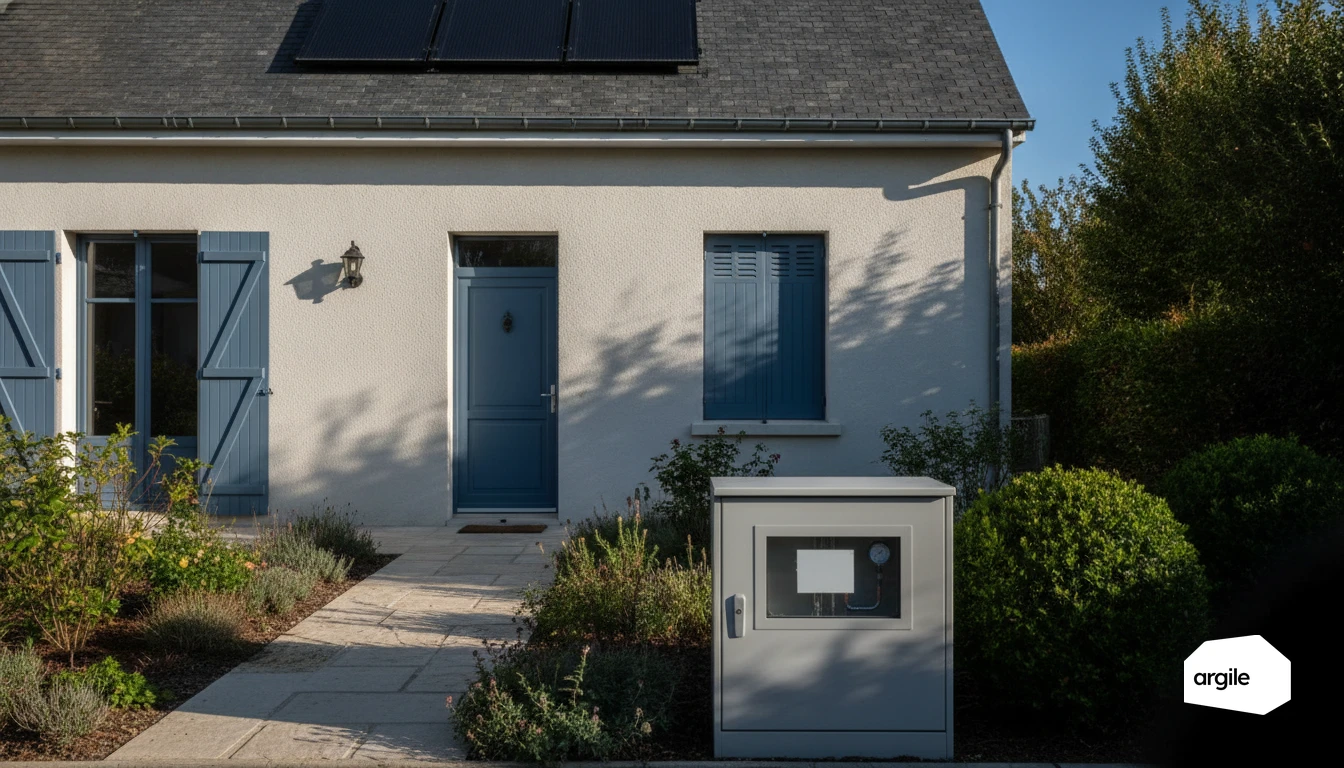
Solar circuit pressure is not set by feel: it is calculated from the static height, a 1.5 bar margin at the highest point and the vapour pressure of the glycol mixture at the chosen maximum operating temperature. Here is the expansion vessel precharge formula, the vapour pressure table, and the limits the safety valve and the membrane impose.
5 min read
A pipe that rusts is a job site that quickly gets complicated. To keep a network reliable over time, you need a method that treats the cause, not just the symptoms, and that can be checked with simple on-site measurements. By structuring the diagnosis, the choice of system and the maintenance, you protect your interventions and limit costly rework.
5 min read

When a client is torn between several works options, you're the one who has to decide quickly, with concrete facts. By simulating several scenarios, you compare expected gains, budget and site priorities at a glance, without drowning in spreadsheets. That secures your quote and lets you move forward with a clear roadmap.
5 min read

Combustion analysis is not an optional flourish at the end of a visit. The French order of 15 September 2009 requires, at the annual service of a boiler from 4 to 400 kW, an assessment of its efficiency and of its air pollutant emissions, and its article 3 splits the reading of ambient carbon monoxide into three bands, one of which means shutting down on the spot. Here is the protocol, the thresholds that stand up, and the basis on which the analyser calculates the efficiency it displays.
5 min read

A descale is judged on readings, not on a feeling that the flow has come back. The only benchmarks that stand up are regulatory ones: the hot water temperatures of the French order of 30 November 2005, the ambient carbon monoxide limits of the order of 15 September 2009, and the reference efficiency of the 3CL-DPE 2021 method. Here is what you measure before and after, what you compare it against, and why lowering the hot water setpoint to fight scale runs into a public health floor.
6 min read
1 / 7
NextReveal your expertise
One demo, and you see your expertise proven.
Contact us
