Fixed windows: when should you propose one on a renovation project?
Bringing in light without losing airtightness: rooms, stairwells, sills and panoramic openings
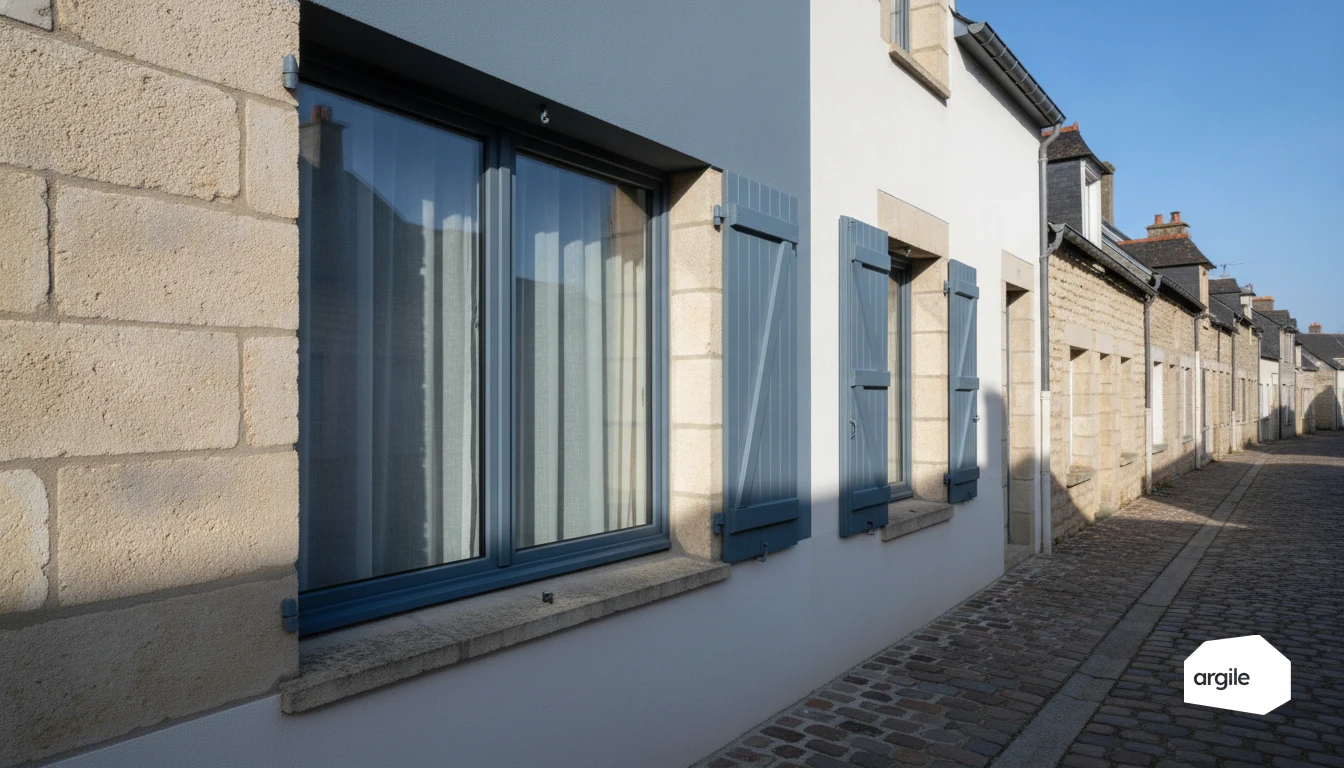
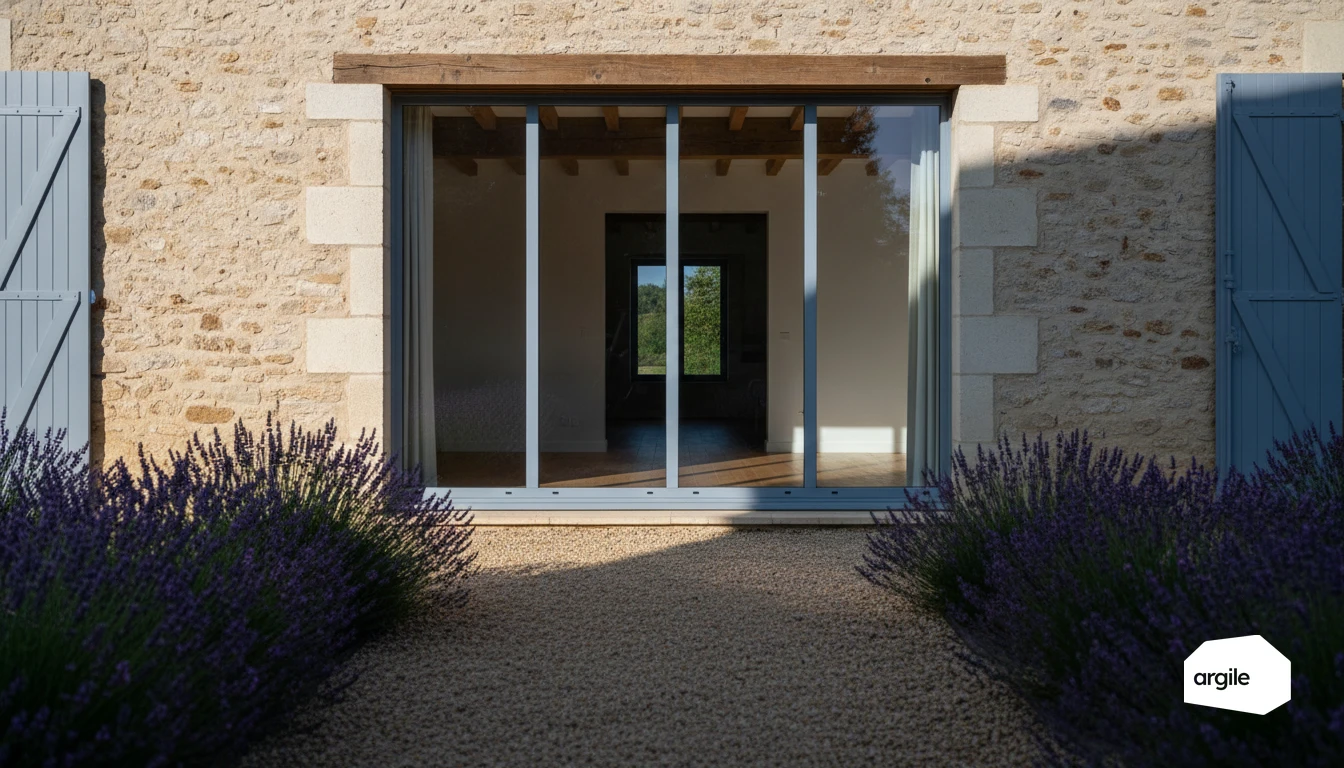
On a landing, in a stairwell or a room where opening isn't needed, a fixed window brings in natural light without multiplying the points where air can pass through. It's also relevant as a glazed sill panel or a large panoramic opening, when an opening sash would be impractical, rarely used, or risky at height. In a stairwell, glass blocks are the other common option, with a much higher Uw in the French energy rating: see glass blocks and polycarbonate in the DPE.
Limiting weak points: fewer opening sashes, fewer adjustments, fewer callbacks
Without an opening sash, you remove part of the hardware and the adjustments. The result: fewer things going out of adjustment over time, less risk of infiltration, and fewer callbacks. It's a simple choice for hard-to-reach zones (double height, an opening in a floor), while still keeping ventilation elsewhere in the home.
Balancing aesthetics and the constraints of the existing building: partial replacement, preserving proportions
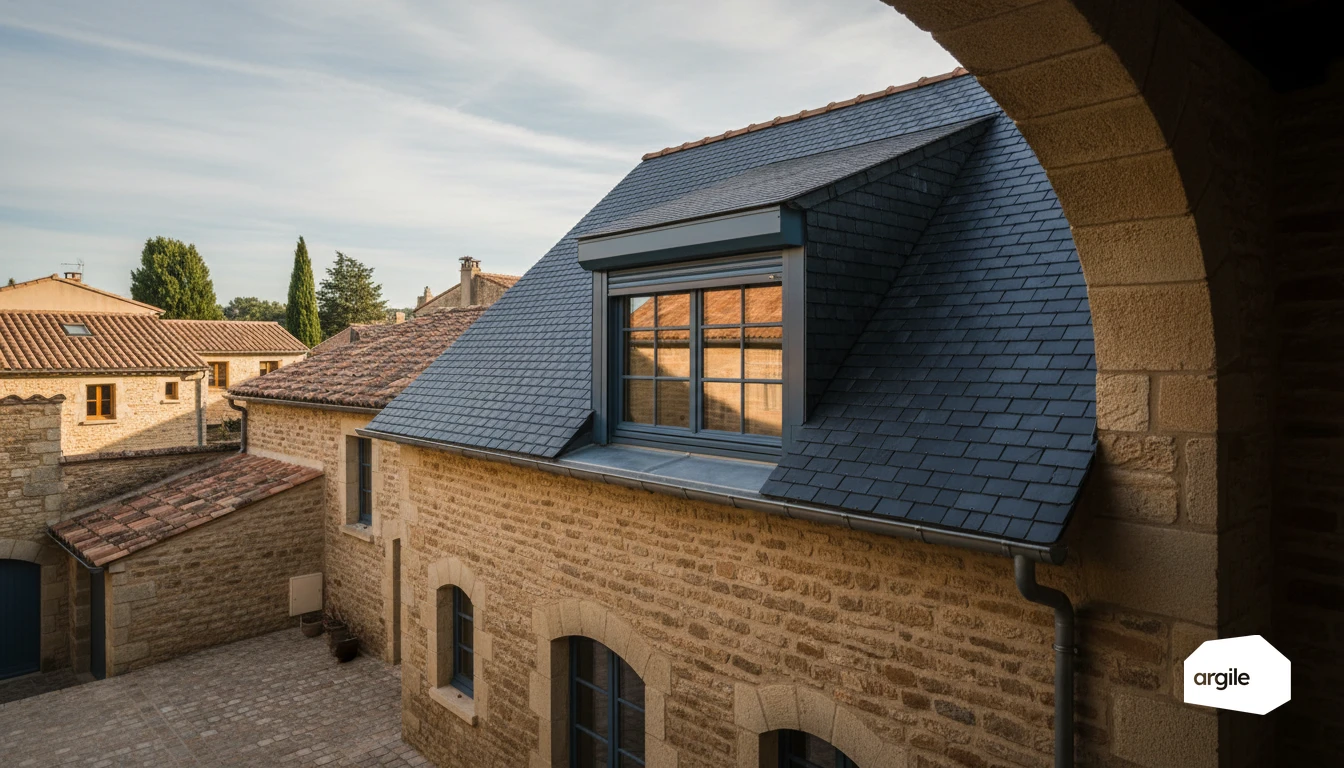
In renovation, a fixed window helps you work with the existing building. You can replace only part of an opening, keep the mullions, or turn an old transom into a fixed pane to preserve the façade's proportions. Handy in a condominium or a heritage area, and compatible with mixed units (fixed plus opening sash) to stay consistent.
Thermal and acoustic performance: what makes the difference on a fixed window
Uw, Ug, spacers: reading the values correctly to target performance
On a fixed window, the basics start with reading the right indicators. The overall Uw measures the performance of the whole unit. The lower it is, the better. The Ug only concerns the glazing itself. Very good glazing can be let down by the frame, and especially by the spacer. A "warm edge" spacer limits the thermal bridge at the edge of the glazing and reduces the risk of condensation.
Triple glazing or high-performance double: deciding based on climate zone and use
Triple glazing makes sense in cold zones or ones exposed to wind, and when you're after comfort right at the edge of the window. In temperate zones, high-performance double glazing with low emissivity and gas fill can be enough. Also think about the solar factor. Closing the window off too much to light can mean losing free gains in winter.
Sound reduction: choosing the right glazing and composition
For noise, look at the Rw+Ctr or Rw index. An asymmetric composition and acoustic laminated glazing often improve the result. The best glazing won't make up for worn seals or a rough installation. Airtightness is what makes silence hold.
Installation in renovation: getting the air and water sealing right on a fixed window
Full removal or renovation on the existing frame: choosing the safest solution
In renovation, there are two options. Full removal limits surprises on airtightness, especially if the frame is deformed, rotten or poorly fixed. Installing on the existing frame is faster, but only if the substrate is sound, stable and has even clearances around the window.
Shimming, sills and drip edges: avoiding defects and thermal bridges
Take care with the shimming, using incompressible shims, right at the bearing points. Check the sill and the drip edge to guide water outward, with a slope and flashing if needed. Treat insulation continuity around the frame to avoid a thermal bridge at the reveal (see also insulating the window reveal).
Membranes, foams, compression tape: securing performance over time
The goal: an interior seal that's airtight, and an exterior seal that's watertight but breathable. Compression tape on the exterior side handles driving rain. PU foam insulates, but doesn't replace a proper sealing system. Add compatible membranes and adhesives to hold up over time.
Subsidies and compliance in 2026: how a fixed window fits into the applications
Funding: common conditions and documents to prepare for windows
For the funding, a fixed window is treated like a replacement window. Applications generally require the performance figures (Uw, g-value), a signed quote, then a detailed invoice. Add the signed client declaration and the product reference, with the number of windows and their characteristics.
Certification: points to watch to stay compliant on supply and installation
Compliance often comes down to traceability. Check that your registration covers window installation, and that the work is self-certified through a competent person scheme such as FENSA or CERTASS. Keep the manufacturer's technical data sheet, installation markers and proof that critical points were treated. A handover report and a few dated photos secure the file.
Energy audit and consistency of the package of works: when a fixed window makes sense
In a pathway that includes an audit, a fixed window makes sense when the goal is to increase light while limiting air leaks. It fits well alongside opening sashes, provided the ventilation stays consistent. The audit helps validate the right order of works and summer comfort.
Sales advice for tradespeople: making the case for a fixed window to the client
Simple talking points: winter comfort, fewer draughts, stable performance
Explain that a fixed window, with no hardware or opening clearance, limits air leaks. The result: winter comfort, fewer cold surfaces near the glazing, and performance that changes little over time, because there's less to readjust.
Combining with opening sashes: fixed frame + tilt-and-turn for smart ventilation
Offer a simple pairing: a large fixed section for light and the view, and a tilt-and-turn opening sash alongside it for controlled ventilation day to day. You keep the airtightness of the fixed pane, without sacrificing usability.
Clear quote: useful options (glazing, warm edge, trim) without overwhelming the client
On the quote, aim for something easy to read. Present a maximum of 2 or 3 options, with the expected gain and practical site sense. To help the client decide, you can also point them to a comparison of single, double or triple glazing.
- Glazing. High-performance double, or triple if the exposure and budget justify it.
- Warm-edge spacer. To reduce the "cold edge" effect and the risk of condensation.
- Trim and jamb linings. For a clean finish and insulation continuity around the frame.
Those options are priced without re-keying when the quote pulls materials, labour and accessories from the works plan, with VAT applied line by line.