Understanding where the water goes in a home: the areas that really matter
Bathroom and toilet: the volumes to watch day to day
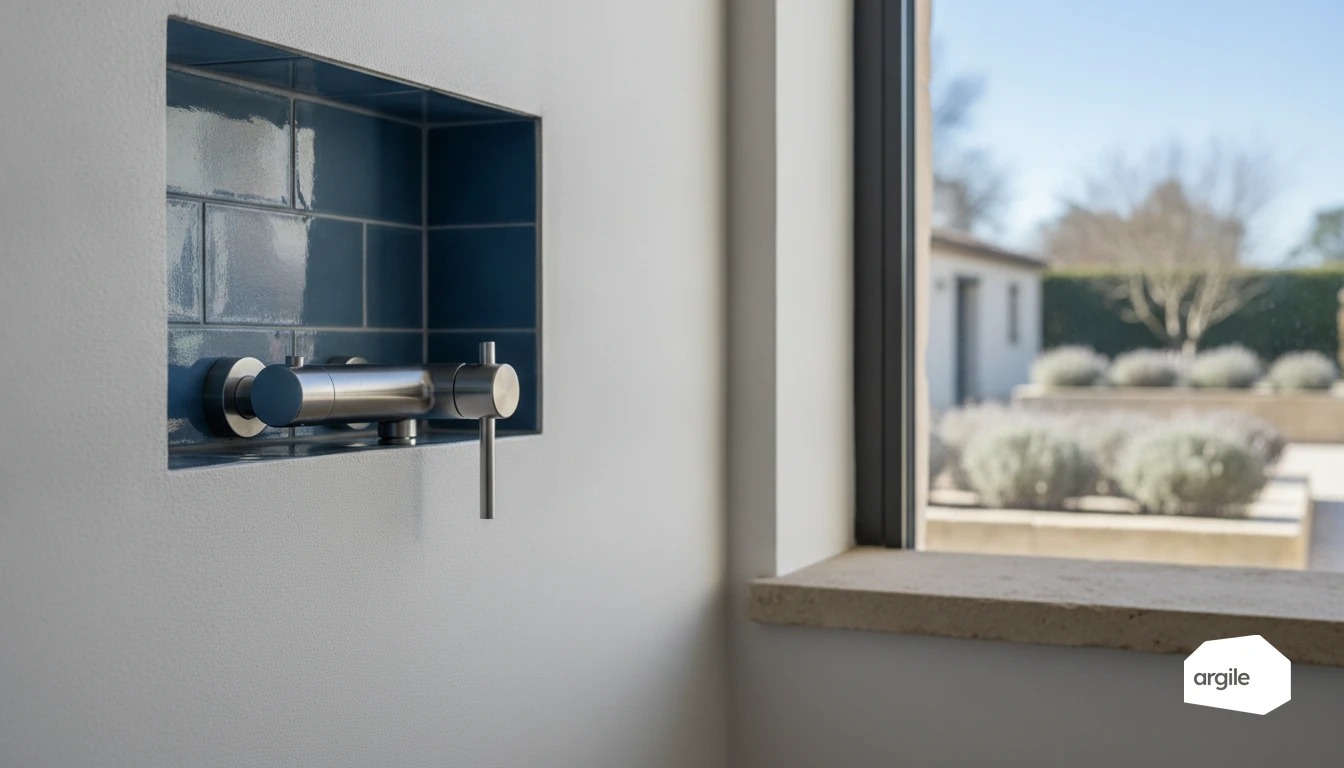
The bathroom is often the biggest contributor. A slightly long shower, an occasional bath and the showerhead's flow rate quickly add up. On the toilet side, an old flush mechanism or a poorly adjusted one multiplies the litres, silently. Also watch out for micro-leaks on taps.
Kitchen and laundry room: "invisible" uses that drive up the bill
In the kitchen, water is often lost in small amounts. Running the tap continuously while rinsing, waiting for hot water, hand-washing dishes. In the laundry room, cycle frequency matters as much as the machine itself. A full load, at the right temperature, avoids wasting water for nothing. Keep an eye on drips.
Outdoors: watering, washing and leaks in buried pipework
Outside, watering is the big item, especially in summer. A hose left running, a sprinkler poorly positioned, and consumption skyrockets. Washing a terrace or a car also adds up. Finally, a buried leak can go unnoticed for weeks. The meter is your best witness.
Simple habits for immediate water savings, without major work
Toilet flush: adjustments, dual-flush and good usage practice
Open the cistern and adjust the float for a reduced volume, without affecting drainage. If your model allows it, switch to a dual-flush or a water-saving mechanism. Avoid using the toilet as a bin. A simple tissue can wait for the bin instead.
Shower and tap: reducing flow without losing comfort
On taps, add aerators. For the shower, a water-saving showerhead or a flow limiter gives a controlled flow rate while keeping comfort. Turn off the water while soaping up. Favour a few minutes under the shower over a bath.
Maintenance and vigilance: spotting a leak and acting before damage occurs
A leak is often spotted at the meter. Read it in the evening and again the next morning, with no water used or appliances run. If it's moved, check the toilet first. A dye test in the cistern or bowl reveals a worn flush valve. Replace seals or the mechanism and act quickly before humidity and excess water consumption set in.
Effective equipment in 2026: what to offer, when, and for what budget
Flow reducers, aerators and showerheads: the must-haves with high returns
To offer from the technical visit onward, especially in a bathroom renovation. An aerator on the basin and a flow reducer on the shower limit flow without sacrificing comfort. Budget €5 to €15 per water outlet, €20 to €60 for a water-saving showerhead. Fast payback, since you're also reducing the hot water that needs producing. Those small plumbing items do not have to vanish into a lump sum: they are added to the quote from a works library, in the same work plan as the main measure.
Water-saving toilets and flush systems: mechanisms, cisterns and adjustments that make a difference
On an existing toilet, start with adjusting the volume, then replacing the mechanism. Budget €30 to €120 depending on the model. For a full replacement, aim for a well-calibrated dual-flush system, often €200 to €500 excluding installation. Fine adjustment, big impact on everyday water use.
Appliances and control: efficient washing machines/dishwashers, timers and simple solutions
When an appliance reaches end of life, steer clients toward efficient models (European energy label) and eco programmes. Add a programmable socket or a simple timer (€10 to €30) to smooth out usage, especially with a hot water tank. Reliable gains, without heavy work.
Works and "system" solutions to go further on water
Rainwater harvesting: permitted uses, sizing and points to watch
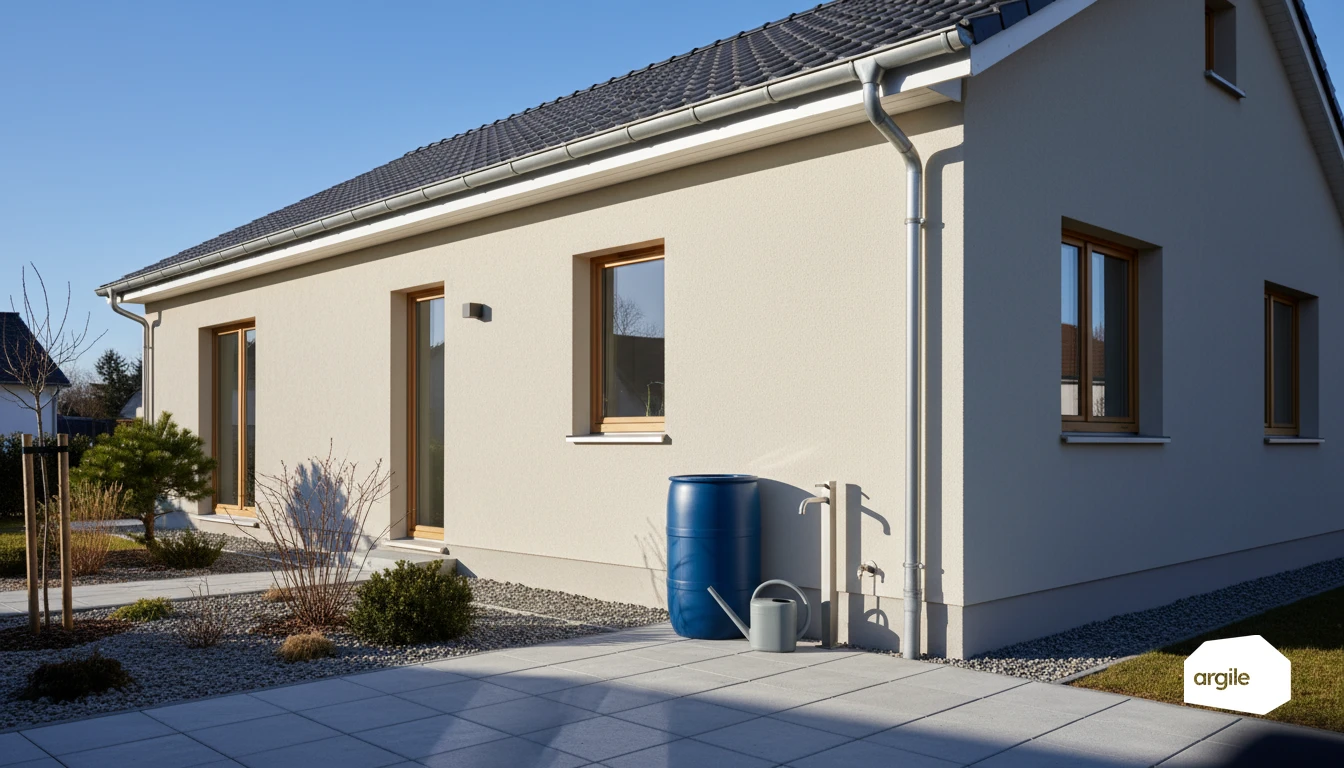
A tank can feed watering, outdoor washing or toilets, with a separate network and clear non-potable water labelling. Size it based on roof surface area, local rainfall and uses, then plan for a filter, overflow and backflow prevention from the mains supply. Cleaning the filters and checking the pump prevent breakdowns.
Greywater reuse: use cases, constraints and maintenance
Shower and basin water can be used for toilets or, depending on local rules, for watering after treatment. This solution requires filtration, sometimes UV, and strict hygiene monitoring. Without maintenance, odours and biofilm appear quickly. Plan for easy access to the cartridges and a maintenance log.
Reducing losses: pressure, networks, seals and replacing weak points
A pressure reducer set at 3 bar limits leaks and excess water consumption, especially on old networks. Track down micro-leaks, replace seals, hoses, valves and aerators. On domestic hot water loops, insulate and remove unnecessary sections to reduce drain-off. A before/after flow test makes the gain visible.
Advising and pricing at your clients' homes: field method to avoid mistakes
Quick on-site diagnosis: questions to ask and checks to make
Start with 10 minutes of simple questions. Actual usage, bills, cold zones, hot water needs, ventilation habits, breakdowns and maintenance. Then check on site the visible insulation (loft, hatches, boxed-in areas), ventilation, condition of emitters, tank volume, network routing and possible locations for equipment.
Solution package by profile: rental, family home, small budget, full renovation
Rental property. Prioritise controls, air-leak sealing, adjustments and small high-impact work. Family home. Focus on loft insulation, controls, then a suitable generator. Small budget. Secure the "wasteful" areas first (loft, networks, ventilation) before replacing the appliance. Full renovation. Chain together an audit, whole-house insulation, ventilation, then heating and domestic hot water.
Clear pitch: water savings, comfort, maintenance and return on investment
Keep it concrete. Winter and summer comfort, noise, air quality, and water-saving habits (flow reducers, hot water settings). On maintenance, list the essentials (filters, sludge removal, annual check) and the associated cost. For return on investment, present the remaining cost after 2026 grants, without promising a bill cut in half.