Understanding hemp wool: a bio-based insulation suited to job sites
From fibre to board: manufacturing, densities and available formats
Hemp wool comes from the stalk. After defibring, the fibres are carded and then bonded to form semi-rigid boards or rolls. Depending on the brand, several densities are available: softer for lofts, denser for linings. Loose-fill versions also exist for blown-in installation.
Practical benefits for the tradesperson: ease of installation, cutting, dust
When fitting, hemp holds together well and cuts cleanly with an insulation knife or saw. The material is often low-irritant and dust stays limited, which helps on occupied job sites. When cutting, keep a slight oversize to ensure it holds in place without settling.
Watch-points: moisture, storage, compatibility with substrates
Like any bio-based material, it manages moisture but shouldn't stay wet. Store it dry, on a pallet, with the film intact. Take care over the vapour check, junctions and critical points to avoid condensation and mould. On old walls, look for a breathable wall build-up and consistent ventilation.
Insulation performance: what hemp actually delivers
Thermal insulation: thermal resistance by thickness and use (walls, roofs, floors)
For hemp insulation, thermal performance is mainly read through the R-value. With a conductivity of around 0.039 to 0.045 W/m.K depending on the product, 120 mm often gives R 2.7 to 3.1. In walls, thickness is adjusted to the available space. In sloped ceilings and lofts, 200 mm tends to reach R 4.4 to 5.1. In floors, 80 to 120 mm is common, to limit losses without raising floor levels too much. The target R-value always goes hand in hand with careful installation.
Summer comfort and thermal lag: hemp's value in lofts and sloped ceilings
Hemp also helps when the sun is beating down. Its structure and density provide thermal mass. As a result, heat passes through the roof more slowly, especially with good thicknesses in sloped ceilings. The gain depends on the whole build-up: vapour barrier, airtightness and ventilation. Summer comfort often plays out right there, under the tiles.
Acoustics and sound correction: partitions, floors and separation between dwellings
Acoustically, hemp boards or rolls perform well for absorption in partitions and secondary walls. In floors, they fit into a mass-spring-mass system, with a resilient underlay, to reduce both airborne and impact noise. For separation between dwellings, combine it with a heavy board and decoupled supports. A good compromise, without overloading the structure.
Uses on site: where hemp is most relevant in renovation
Wall insulation: internal lining, framing, renders and hybrid solutions
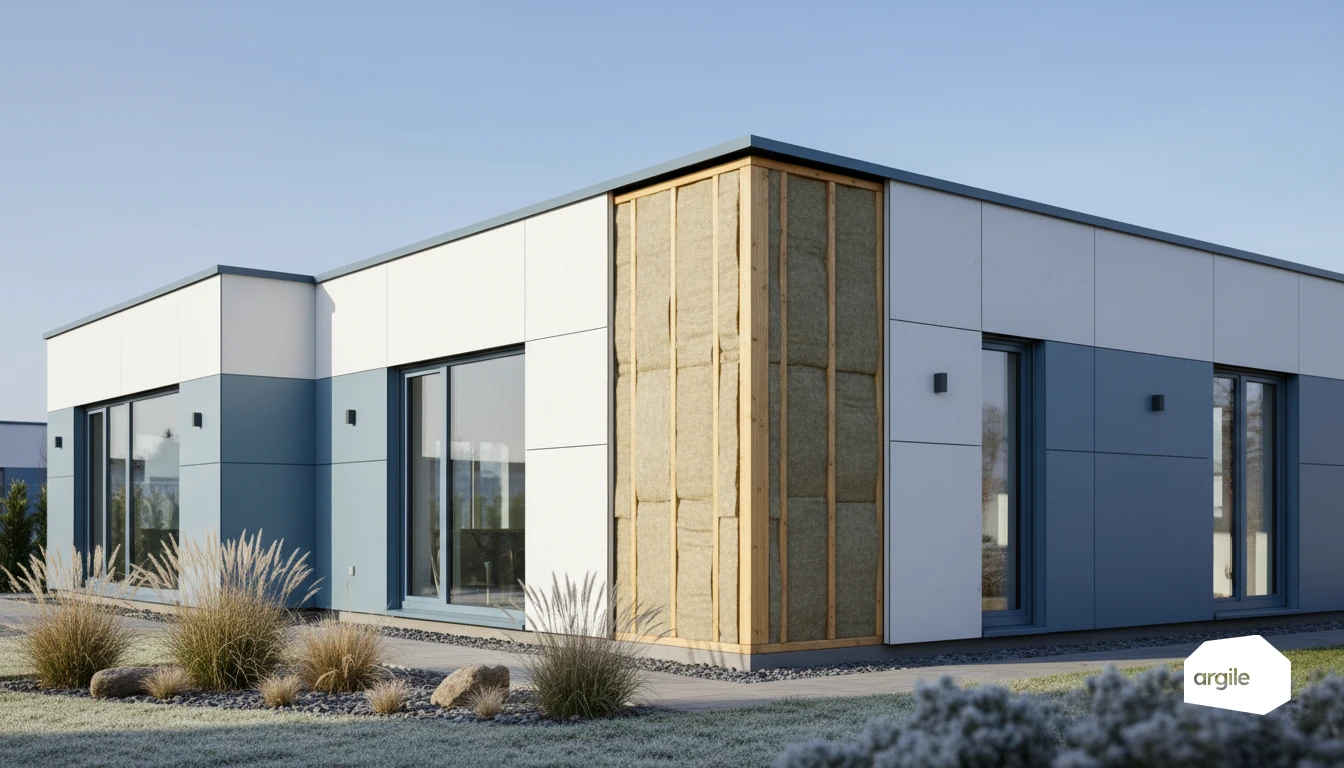
Hemp is well suited to renovating old walls. As an internal lining on a frame, its boards limit the cold-wall sensation while staying breathable. For thermal correction, a lime-hemp render helps smooth out irregularities and manage moisture exchange. To target 2026 grants, keep a declared thermal resistance and a certified product, to carry over to the insulation quote.
Roof insulation: under rafters, loft spaces, sarking and technical limits
Under rafters, hemp in rolls or boards works well if airtightness is careful and the vapour check is consistent with the roof build-up. In loft spaces, loose-fill solutions exist, handy when access is difficult. With sarking, check mechanical strength and rain protection. The key point remains flawless installation. For variants and watch-points in lofts, see loose-fill solutions.
Floors and partitions: overall comfort improvement and treating thermal bridges
Between joists, hemp brings a thermal and acoustic improvement without overloading the structure. In partitions, it dampens everyday noise. Take the opportunity to treat wall-floor junctions and cable/pipe penetrations. That's often where thermal bridges hide.
Installation: simple rules for a durable installation without claims
Vapour barrier, vapour check, airtightness: choosing and installing in the right place
The vapour barrier and vapour check aren't installed at random. In most insulated walls, they're placed on the interior side, the heated side. With hemp insulation, the logic stays the same. You're looking for perfect continuity to limit humid air entering the insulation. Bonded overlaps, compatible tapes, sealed connections at the perimeter. And protect the membrane from perforations. Ducts and boxes pass through with sleeves.
Treating critical points: junctions, ducts, window sills, hatches
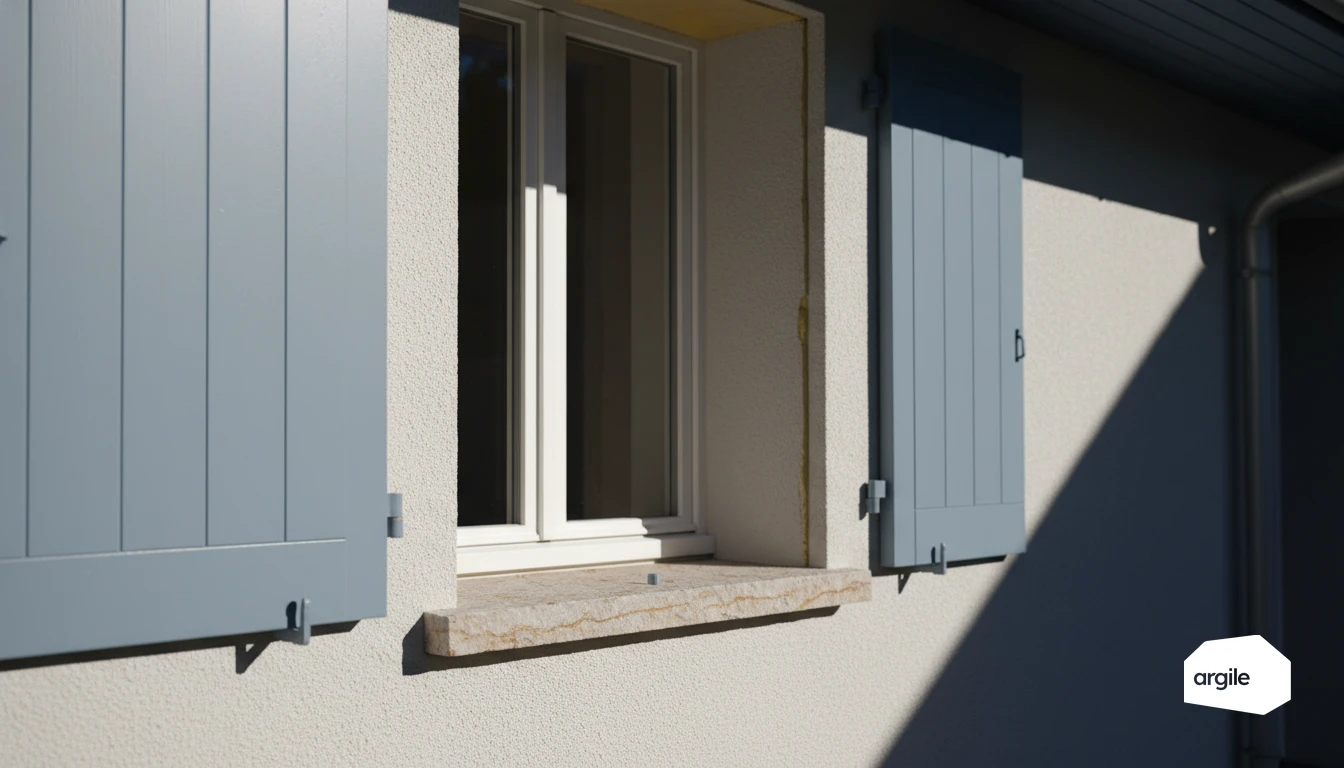
Claims often originate at critical points: the wall-ceiling junction, the base of the lining, reveal returns, window sills, loft hatches. Every connection must be bonded or sealed on a clean, stable substrate. For ducts, favour collars and avoid holes cut "with a utility knife". Around windows, check the continuity between airtightness, insulation and weatherproofing.
Good quality practices: end-of-installation checks, photos, technical data sheets
Before closing up, do a simple check and keep a written record.
- Site walk-through. Bonded joints, sealed corners, no torn membrane.
- Dated photos of details before boards and facings go up.
- Technical data sheets and installation evidence. Useful in case of a callback and for grant applications.
Grants and the 2026 framework: how to present a bio-based insulation on a quote
MaPrimeRénov' and CEE in 2026: conditions linked to insulation work and documents to provide
On a quote, specify the insulated zone, the surface area, the target performance and the product reference. In 2026, MaPrimeRénov' and CEE eligibility remains tied to installation by an RGE-certified company and compliance with the thermal-resistance thresholds for each work item (lofts, walls, floors). Attach the technical data sheet, proof of certification or equivalence, and detail the planned thickness. For CEE, plan for the sworn statement, then a compliant invoice (address, measurements, R-value, date, brand).
RGE: what you need to secure to stay compliant (documents, product data sheets, traceability)
Keep a simple, solid job file. Product data sheets, installation instructions, delivery notes, batch numbers, before/after photos and, where available, an FDES environmental data sheet. For hemp insulation, track the origin and the exact reference. In the event of an inspection, it's your traceability that makes the difference.
Client pitch: health, environmental impact, comfort, without overpromising on performance
Sell the right benefit. A bio-based material can improve summer comfort, moisture management and carbon footprint, provided installation is continuous and careful. Stay factual about performance. It depends on thickness, R-value and thermal bridges. Your best argument is a measurable result and a clean job site.