Understanding wood's impact on air quality
Where particulate matter from wood heating comes from
Particulate matter doesn't “come out” of the wood itself. It mainly comes from incomplete combustion. This appears at start-up, when a fire is smothered, or with old, poorly adjusted appliances. Fine particulate matter (PM2.5), soot and black carbon then result. In winter, wood heating can become a major source of local pollution, especially when the air is stagnant.
What efficiency and wood moisture really change
An efficient appliance burns more completely and releases less smoke. Conversely, damp wood cools the firebox, since energy is first used to evaporate the water. The result is more smoke, more CO and more particulate matter. In practice, aiming for well-split, sufficiently dry wood (often around 20% moisture) changes everything, both for air quality and for consumption.
Why indoor air also needs watching
In a renovated, airtight home, a small leak or reloading logs is enough to degrade indoor air. Particulate matter can build up, especially without effective ventilation. A good habit is to check the air inlet and seal tightness, and to service the flue and appliance. A CO detector remains a simple safeguard. To go further on the issues and solutions, see ventilating to protect health.
Reducing particulate matter at the source: good habits and best practice on site
Choosing an efficient wood appliance sized to the volume
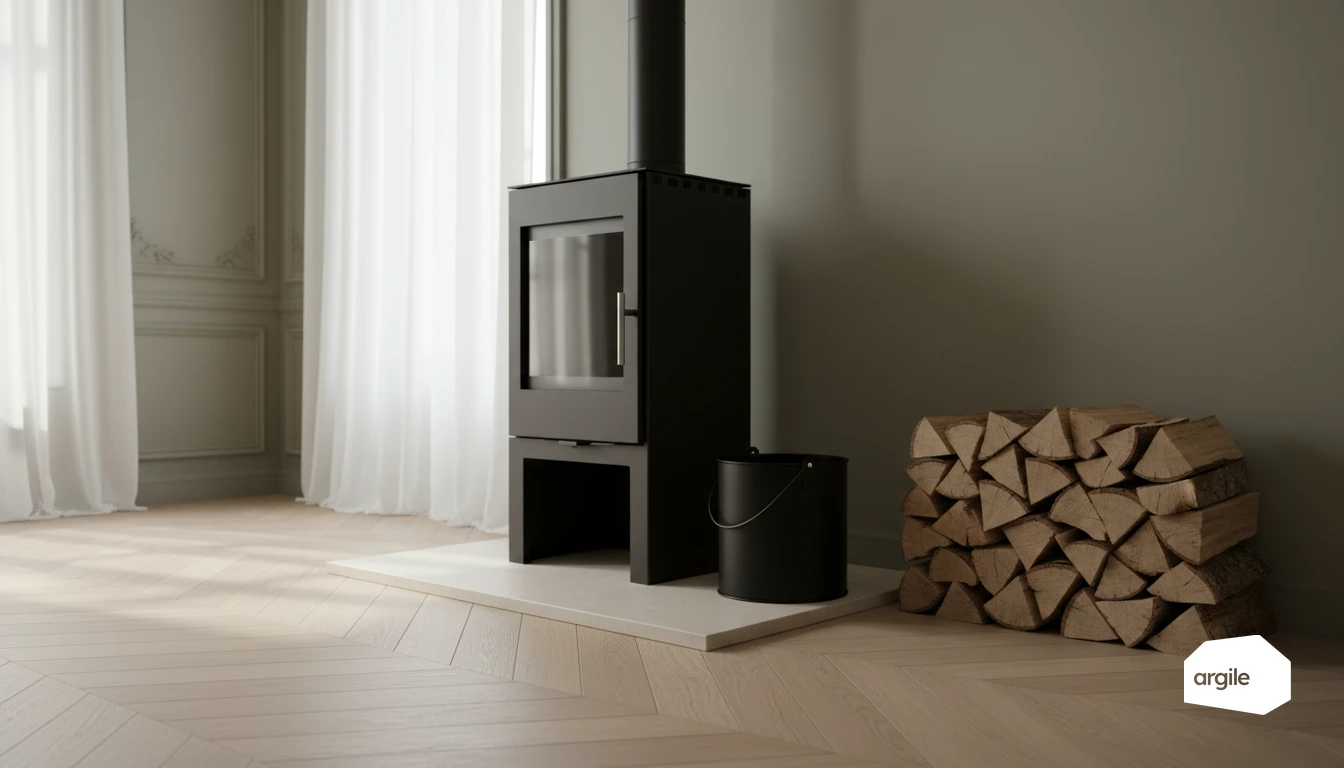
On site, start with a recent wood appliance, correctly sized to the volume being heated. A stove that is too powerful pushes users to “smoulder” the fire, and that's where particulate matter escapes. Aim for rated appliances compliant with European requirements. Correct sizing and a dedicated air supply often achieve more than a random setting.
Storage, drying and choice of wood: limiting smoke and deposits
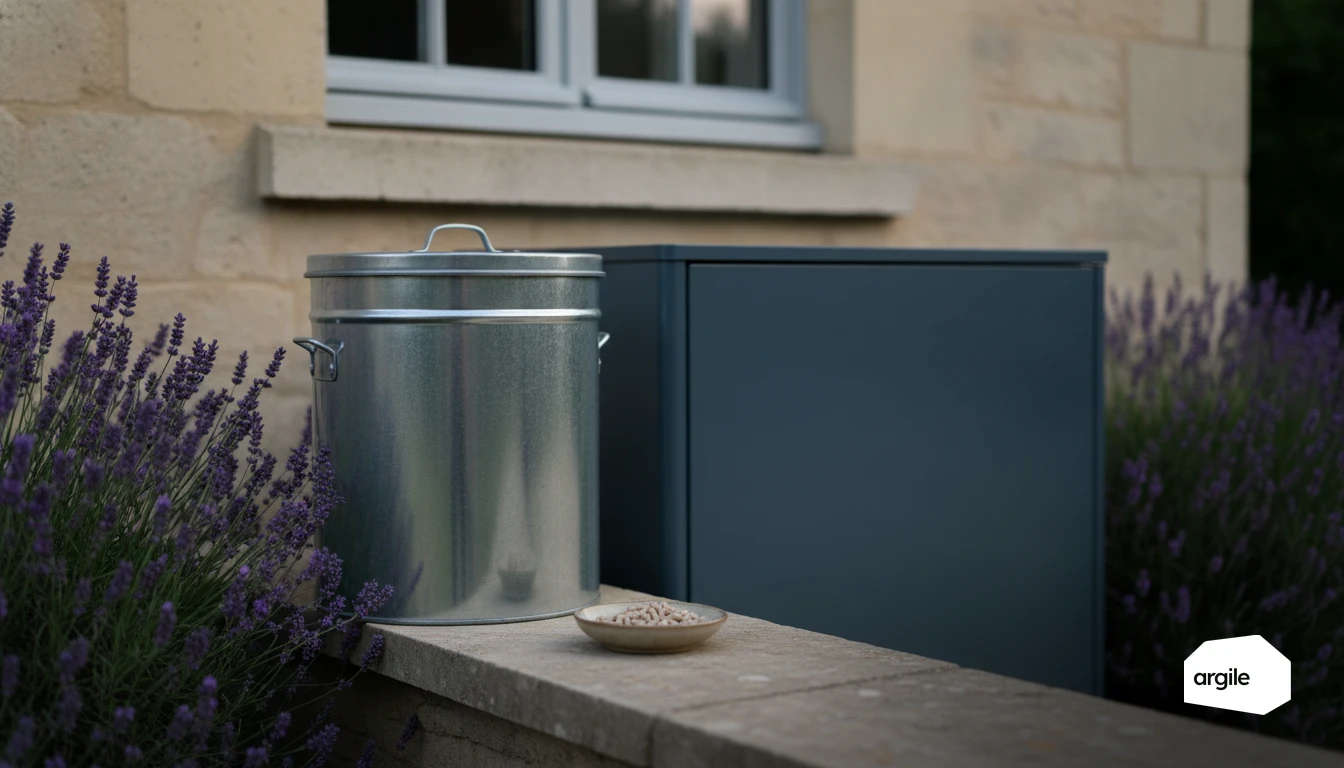
The simple rule is dry wood. Store under a ventilated shelter, raised off the ground, logs split, and keep a few days' supply indoors to finish drying. Avoid treated, painted or chipboard wood. Less moisture means less smoke, less creosote, and a flue that stays clean for longer.
Top-down lighting and fire management: the habits that make the difference
Adopt top-down lighting with kindling at the top. Keep a lively flame at start-up, then adjust the air without smothering it. Reload in small amounts, on solid embers, and avoid long smouldering phases. Regular sweeping and servicing secure efficiency and limit emissions.
Ensuring a wood installation that doesn't harm air quality
Sizing, draught and settings: avoiding fouling and overconsumption
An appliance that is too powerful smoulders when run at low output. The result: cold smoke, tar, particulate matter. Aim for correct sizing based on the volume heated and the insulation. Check the draught, adjust the air inlet and favour lively flames. Use dry wood, ideally under 20% moisture.
Flue, air intake, airtightness: points of attention to limit emissions
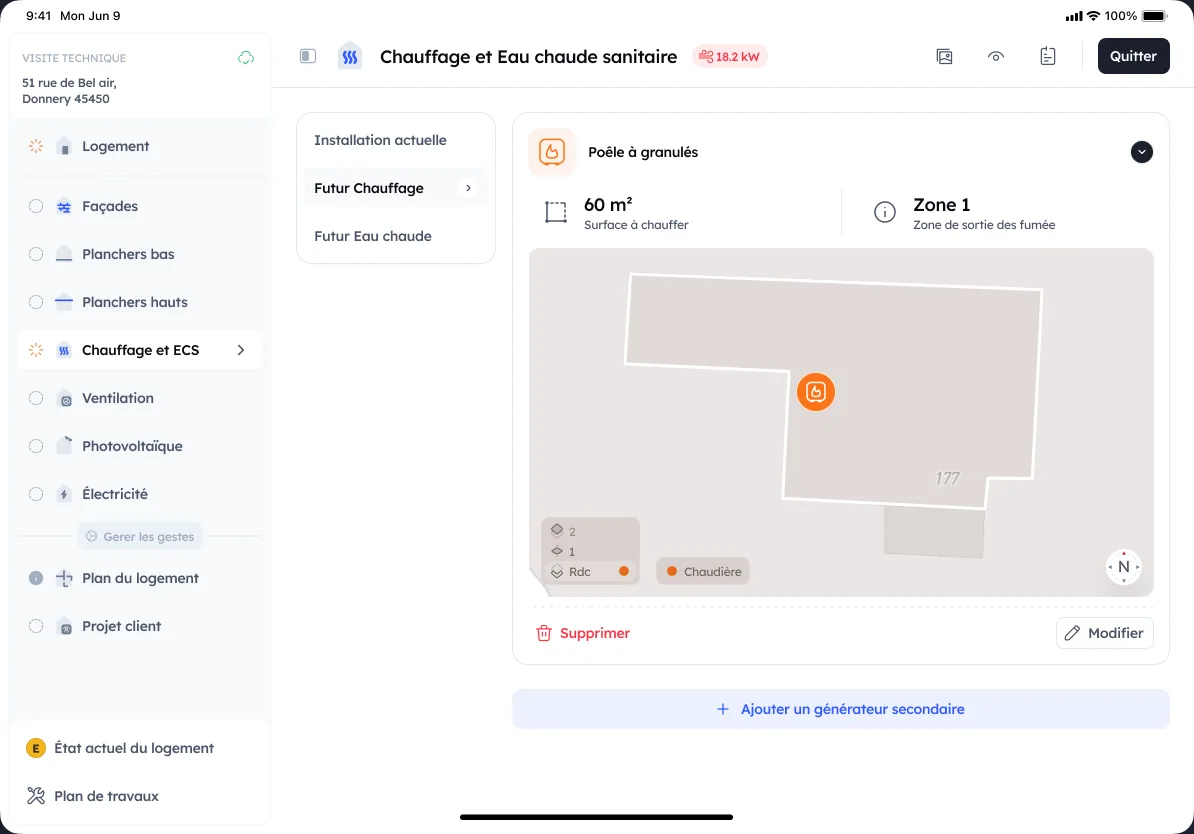
A suitable, continuous flue limits backdraughts. Respect diameter, height and insulation, and reduce bends. Plan a dedicated air intake, especially in airtight homes, to avoid drawing on indoor air. Take care with joints, hatches and seals. Properly airtight installation improves combustion and air quality. On a stove project, use, location and the flue outlet rules are checked during the technical visit.
Servicing and sweeping: safety, longevity, cleaner air
Clean the glass, baffles and heat exchangers, and empty the ashes without blocking the air inlets. Have the appliance checked and the flue swept according to local rules, often 1 to 2 times a year. Regular servicing reduces emissions, fire risk and extends the appliance's service life.
Protecting health: key messages for your clients
Particulate matter and health: risks, sensitive groups, situations to avoid
Particulate matter and wood smoke can irritate the airways and worsen cardio-respiratory conditions. Be clear with sensitive clients (children, the elderly, asthmatics, pregnant women). Avoid: reloading when the draught is poor, burning damp wood, leaving the door open, or neglecting sweeping. The goal: a lively flame, little smoke, and a well-adjusted appliance.
Ventilating without cooling down: balancing comfort and air quality
To keep the air healthy without losing all comfort, favour short and intense ventilation. 5 to 10 minutes, opposite windows if possible. Don't block air inlets and check the mechanical ventilation. Good air supply also limits smoke backdraught when the wood heater starts up.
Warning signs and good daily habits with wood heating
Signs to take seriously: smoke smell, glass blackening quickly, soot, headaches or nausea. Simple advice: use dry wood, light from the top, empty ashes into a metal container, and install a CO detector. If in doubt, cut off, ventilate, and have it checked.
2026 benchmarks: funding, local rules and sales arguments around wood
Funding available in 2026 to modernise wood heating (subject to eligibility)
In 2026, replacing an old appliance with an efficient wood stove or boiler mostly rests on the property's situation rather than on a stack of schemes: the Boiler Upgrade Scheme for a biomass boiler off the gas grid, an ECO4 package where the household qualifies, the zero VAT rate on energy-saving materials, and any local funding an authority runs for air quality. To frame the file, check the property, the targeted energy gain and the installer's registration.
Areas of concern and local bans: check before proposing wood
Wood is not “allowed everywhere, all the time”. In some areas covered by an air quality plan (PPA), orders may ban open fireplaces, restrict old appliances, or require a rated appliance and properly dry fuel. Checking the flue and chimney fittings secures the sale.
Positioning wood against other solutions: comfort, budget, air quality
Against a heat pump, wood scores points on running cost and winter autonomy. In exchange, storage, handling and servicing must be accepted. On air quality, sell “clean” with a recent, well-adjusted appliance and dry wood to limit smoke and particulate matter, without overpromising.