DINplus and ENplus do not define pellet quality, they certify it. The definition comes from a single source: ISO 17225-2, which grades non-industrial wood pellets as A1, A2 or B and sets an ash content, a mechanical durability, a moisture content and a calorific value for each. Both schemes sit on that same base, DINplus out of Germany through DIN CERTCO, ENplus at European level through the European Pellet Council.
The difference that matters on site fits in one line: DINplus certifies the product leaving the plant, ENplus additionally certifies the distribution chain through to delivery, with an identification number to be carried on the delivery note. On bagged fuel the two are equivalent. On bulk, ENplus is what gives you a document you can produce the day a customer disputes what came off the tanker.
Understanding what pellet certifications are for
DINplus and ENplus: what these labels actually check
DINplus and ENplus govern pellet quality on concrete points. They verify the material (species, additives), laboratory measurements (moisture, ash content, mechanical durability, fines, calorific value) and manufacturing follow-up with regular checks and audits.
What certification says about quality (and what it doesn't guarantee)
A label reduces bad surprises, but it's not magic. It doesn't guarantee good storage at the client's home, a delivery free of moisture uptake, or a clean silo. Nor does it replace correct boiler settings and an annual service.
Why your clients ask you for a label: safety, performance, trust
Your clients are looking for a simple benchmark. Certified pellets limit dust and clogging, stabilise combustion, and reassure clients about the appliance warranty. In practice, they want to see the logo, a class (A1, A2) and an identification number on the bag or delivery note.
The ISO 17225-2 table both schemes sit on
The values below are the standard's, for wood pellets in non-industrial use. They are what you compare a batch's data sheet against, whatever logo is on the bag.
| Property | A1 | A2 | B |
|---|---|---|---|
| Diameter | 6 or 8 mm, ± 1 mm | 6 or 8 mm, ± 1 mm | 6 or 8 mm, ± 1 mm |
| Length | 3.15 to 40 mm | 3.15 to 40 mm | 3.15 to 40 mm |
| Moisture | ≤ 10 % | ≤ 10 % | ≤ 10 % |
| Ash, dry basis | ≤ 0.7 % | ≤ 1.2 % | ≤ 2.0 % |
| Mechanical durability | ≥ 98.0 % | ≥ 97.5 % | ≥ 97.5 % |
| Fines below 3.15 mm | ≤ 1 % | ≤ 1 % | ≤ 1 % |
| Net calorific value | ≥ 16.5 MJ/kg, i.e. 4.6 kWh/kg | ≥ 16.5 MJ/kg | ≥ 16.0 MJ/kg |
| Bulk density | 600 to 750 kg/m³ | 600 to 750 kg/m³ | 600 to 750 kg/m³ |
| Nitrogen, dry basis | ≤ 0.3 % | ≤ 0.5 % | ≤ 1.0 % |
| Sulphur, dry basis | ≤ 0.04 % | ≤ 0.05 % | ≤ 0.05 % |
| Chlorine, dry basis | ≤ 0.02 % | ≤ 0.02 % | ≤ 0.03 % |
Two rows decide what you will see on a callback. Ash content drives how often the ash pan is emptied and how fast the exchanger fouls: going from 0.7 to 1.2 % nearly doubles the ash volume for the same energy delivered. Mechanical durability drives the level of fines that actually reaches the hopper, because a pellet at 97.5 % breaks up in transport and unloading, and the dust created on the way appears on no factory analysis. That is why fines are measured at delivery and not only at the press.
DINplus vs ENplus: concrete differences to know on site
Origin, body and level of requirements: the key points
DINplus comes from Germany, run by DIN CERTCO. ENplus is a European system run by the European Pellet Council and its national licensees. Both rely on the ISO 17225-2 standard to define pellet quality. The useful difference on site is that ENplus also governs distribution and delivery, not just the product. This gives on-site consistency that's easier to verify.
Classes and markings to spot (A1, A2…) to choose the right pellets
On bags or delivery notes, ENplus displays classes. ENplus A1 targets the most demanding domestic appliances. A2 tolerates slightly more ash, suited to installations that are less sensitive. B is generally reserved for non-domestic uses. DINplus doesn't speak in terms of A1 or A2. What you mainly look for is the logo and the certified plant.
Checks, audits and traceability: what differs between the two systems
On checks, ENplus provides for regular audits and sampling at producers and dealers, with an identification number for traceability. DINplus mainly checks production and the characteristics of the batch.
How to check pellet quality before recommending them
Practical indicators: moisture, fines rate, density, calorific value
Before recommending pellets, do a quick check on a sample. A handful is enough to spot deviations and avoid a clogged boiler.
- Moisture. Aim for below 10% to limit swelling, smoke and ignition failures.
- Fines rate. Little dust at the bottom of the bag, ideally under 1%.
- Density. Consistent, with no pellets that are too light or spongy, which burn poorly and break apart.
- Calorific value. Ask for a data sheet with the NCV, often around 4.6 to 5 kWh/kg.
Reading a bag of pellets correctly: mandatory information and common pitfalls
On the bag, look for ENplus A1 certification or equivalent, the ISO 17225-2 standard, the diameter (often 6 mm), the weight, the manufacturer, and a batch number. Be wary of "premium" claims without a label, or a logo with no verifiable identifier.
Spotting signs of a problem batch: dust, smell, colour, breakage
On opening, a healthy batch produces little dust and smells of dry wood. If you see excessive dust, brittle pellets, a very dark colour, or a smell of glue or mould, stop. Keep the bag, note the batch, and test another package before delivering.
Installation and use tips: avoiding pellet-related breakdowns
Storage and handling: preserving pellet quality all the way to the hopper
The biggest enemy of pellets is moisture. Plan for a clean, ventilated room or silo, free of rising damp. Store bags on a pallet, away from a cold wall. Keep them dry. At commissioning, avoid pouring the dust from the bottom of the bag into the hopper. It ends up as jamming or clogging.
Appliance settings and maintenance: limiting clogging, clinker and shutdowns
A well-tuned appliance burns better and shuts down less. Calibrate auger feed rate and combustion air according to the pellet used. Aim for stable operation rather than micro-cycles. Check airtightness, air intake, and good draught. Schedule regular cleaning of the burn pot, the heat exchanger and the flue. Clinker often comes from overly dusty pellets or insufficient air.
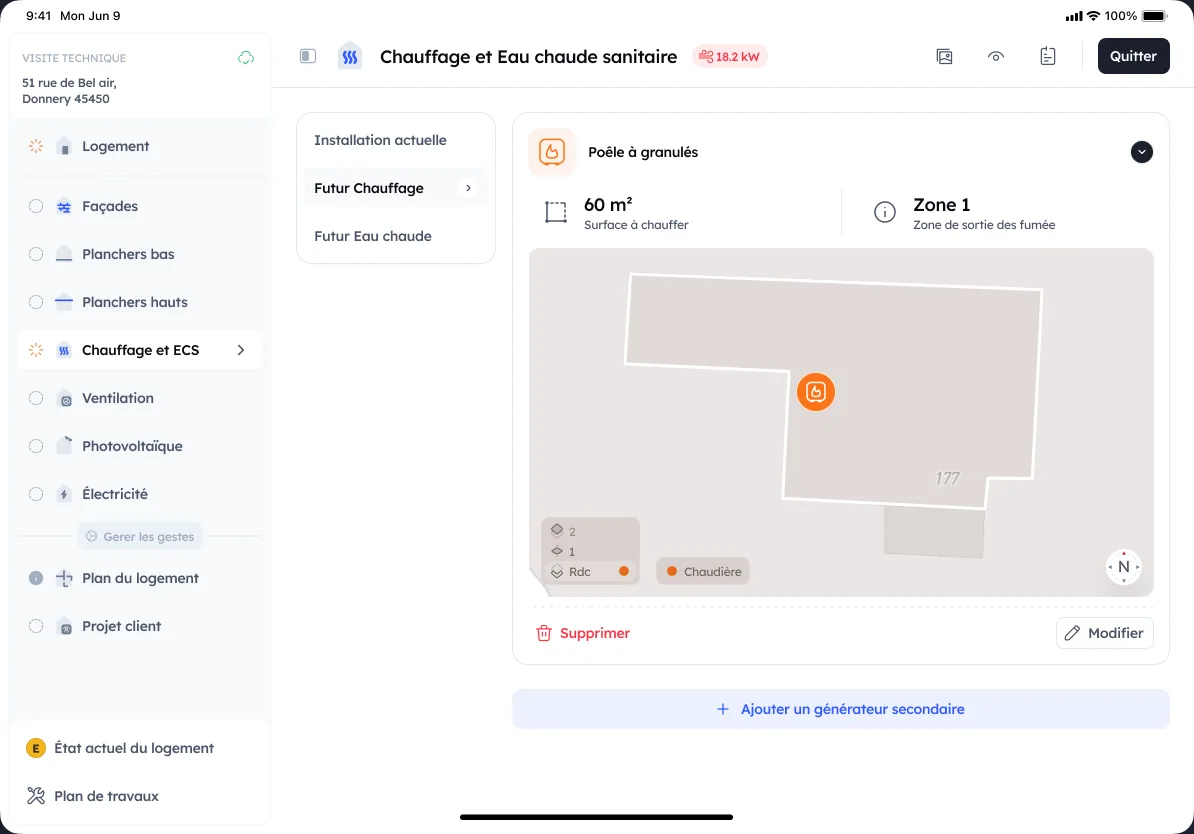
Those settings are prepared from the study stage, when the stove project is documented step by step and the appliance is picked from up-to-date catalogues.
A simple message to pass on in 2026: best practices for your clients
- Choose certified pellets (ENplus A1 type) and don't mix very different batches.
- Fill the hopper cleanly, without the "bottom of the bag".
- Note any unusual noise, smoke or sticky ash, and call before it breaks down.
In 2026, your key message stays simple. Pellet quality and regular maintenance make for reliability. To help your clients choose the right fuel, you can also check this comparison of wood fuels.
Buying certified pellets in 2026: securing your supply
Choosing a reliable supplier: consistency, traceability, delivery terms
To avoid running dry, favour a supplier who keeps their deadlines and reports their stock levels. Ask for proof of certification and clear traceability of the pellets (batch number, producer reference). Also check the delivery and storage conditions: intact bags, dry drop-off, pallet take-back. To go further, also see our overview on securing your supply of wood energy.
Comparing price and quality: avoiding the "cheaper" option that costs more in callbacks
For equal quality, compare by the kilo delivered, not by the bag. Be wary of a bargain price if the fines rate is high or the moisture varies. Inconsistent pellets clog appliances, increase shutdowns and drive up service calls.
Handling disputes: what to document if quality doesn't match the certification
If there's an issue, keep the bag label, the invoice, the delivery note and take dated photos (dust, fragments, damaged bags). Keep a clean sample. Note the defects observed on the appliance and ask the technician for a written report to back up your claim.