
Pierre-Louis Guhur
CEO of Argile
187 articles published
Pierre-Louis is CEO and co-founder of Argile. He holds a PhD in machine learning, written at Inria under Cordelia Schmid on vision-language models. In 2017 he renovated a house with his own hands, inside and outside insulation, new windows, a heat pump and solar thermal, and took one conviction from it: the plan is the easy part, the site is where everything can go wrong. He now designs the software that lets renovation companies produce reliable energy studies, from the 3CL survey through to heat pump sizing. On the blog he writes about what he implements: the 3CL-DPE 2021 method, NF EN 12831 and building physics as a calculation engine has to handle them, assumption by assumption.
Subjects covered
Their articles

To estimate photovoltaic output, start from the formula kWh/year = installed capacity (kWp) × plane-of-array irradiation (kWh/m²/year) × PR, with a PR typically kept between 0.75 and 0.85 on a standard roof (cables, temperature, inverter, mismatch, soiling). This range is what is used in practice; ADEME’s guide “How to choose your heat pump?” is not the right reference here, but ADEME commonly presents PR around 0.8 in its photovoltaic materials, and it provides a solid basis for a quote-level estimate before module layout. You then refine it using orientation and tilt via the “tilted-plane” irradiation (not horizontal), because for the same kWp the annual ratio varies significantly by area, as shown by public solar mapping tools (such as PVGIS) used in pre-studies.
5 min read

To decouple two circuits with a plate heat exchanger, plan on a site-level approach with a sizing pinch of around 5 K, a value commonly used on manufacturers’ data sheets and selection charts to keep heat-transfer surfaces within a reasonable range. This pinch translates into a temperature drop on the secondary side, so the heat generator must be adjusted or sized accordingly to deliver the same flow temperature. The heat exchanger becomes essential whenever pressures or water qualities must be kept separate, especially at a district heating interface or on networks where the water quality is not under control, in line with the interface requirements set by operators and accepted heating-hydraulics practice (DTU 65.14).
6 min read

A thermal energy meter calculates energy by combining a flow rate and a temperature difference between supply and return. For it to be enforceable in a collective system, it must be a “thermal energy meter” covered by a type approval under the European Measuring Instruments Directive, Directive 2014/32/EU (MID), and its implementation in France. The same directive also sets the applicable metrological classes (notably 2 or 3 depending on use), giving you a simple criterion to include in the technical specification, alongside the inseparable trio of flow meter, matched pair of temperature probes, and calculator. During installation, the manufacturer’s instructions remain the reference for mounting direction, supply or return location, upstream and downstream straight lengths, and sealing, because an unmatched probe set or non-compliant hydraulics can make the measurement unusable if challenged.
6 min read

To stop a quote from getting lost in the pile, set a first follow-up at day 3 after sending, then a second at day 7 if the client still hasn’t decided. These benchmarks come from BTP sales tracking (FFB, “Relancer ses devis”), and should then be adjusted to the contract value, because a major renovation is usually decided over several weeks. The safest approach is to manage by status—sent, opened, followed up, awaiting decision, signed or archived—and to trigger reminders automatically when you send the quote, with a scheduled call slot when you are on site. A follow-up that converts always brings useful information: price validity, installation availability, or a technical clarification, never just more pressure.
6 min read

To price a renovation without falling into the ratio trap, start from a net cost estimate built line by line, then move to the sale price with a clear multiplier. In practice, your labour hours are locked in on a minimum base of 7 hours per day and per worker, as set out in the French Labour Code (35-hour weekly legal working time). This base is used to convert each trade package into hours, add mobilization and demobilization, protection, stripping out, waste removal, scaffolding and travel, then factor in site overheads, general overheads and margin, while allowing for a written contingency for unknown existing conditions.
5 min read

In underfloor heating, you are dealing with trapped air when air comes out at the manifold and the flow rates recover; you are dealing with sludge when the flushing water turns blackish, with marked temperature differences between loops and flow meters that stay low even though the circulator is running properly. Treatment is carried out loop by loop at the manifold until you recover even return temperatures, then the system is refilled with filtration, a magnetic sludge separator and inhibitor to prevent recurrence within two seasons. To frame the work and the evidence you need to keep, rely on the current energy-savings certificate scheme dedicated to heating system sludge removal, which sets the eligibility conditions and the required traceability.
6 min read
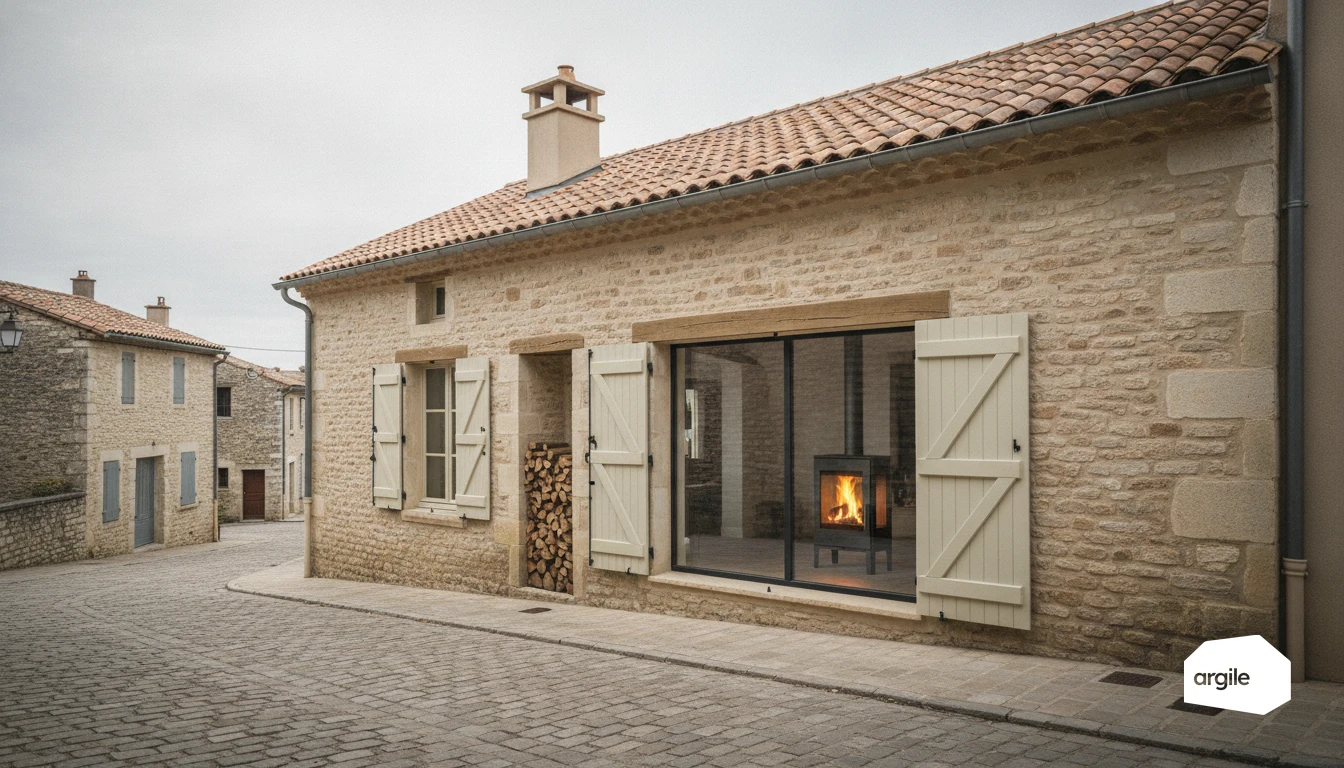
When balancing the comfort of a real fire with today’s requirements, efficiency and safety often make the difference on site. By choosing a high-performance insert and a flue that is properly sized, you improve performance, reduce risks, and make handover easier. The remaining question is when a liner is needed, how to achieve good efficiency, and which incentives can really help your client make the move.
5 min read
When a wall draws moisture up from below, it is never a minor detail. For you as a tradesperson, the right reflex is first to establish a clean diagnosis, distinguishing between infiltration, condensation, and moisture rising from the ground. Once the cause is confirmed, you can choose a coherent, durable treatment and clearly explain to the client what will work, and why.
6 min read

When a client wants better ventilation without major works, you have an opportunity — provided you define the need clearly from the first visit. Room by room, you need to estimate airflow rates, identify possible air inlets, acoustic constraints and core drilling, then turn all of that into a clear, defensible quotation. With a simple method, you save time, avoid surprises when drilling through walls, and protect your margin.
6 min read

When a client asks you for summer comfort without blowing up the energy bill, you have a straightforward card to play—provided you know how to size it and set the right operating framework. Performance depends mainly on the available air and its humidity, so a quick calculation and a few site checks make all the difference. With the right benchmarks, you can set realistic expectations and avoid disappointing installations.
5 min read

On site, a few centimetres’ difference is enough to throw off a quote, a materials order, or a grant application. With a simple method, you can secure your quantities at the preliminary takeoff stage, then make the as-built measurement reliable without spending your evenings on it. The result: fewer back-and-forths, fewer disputes, and margins that hold.
5 min read
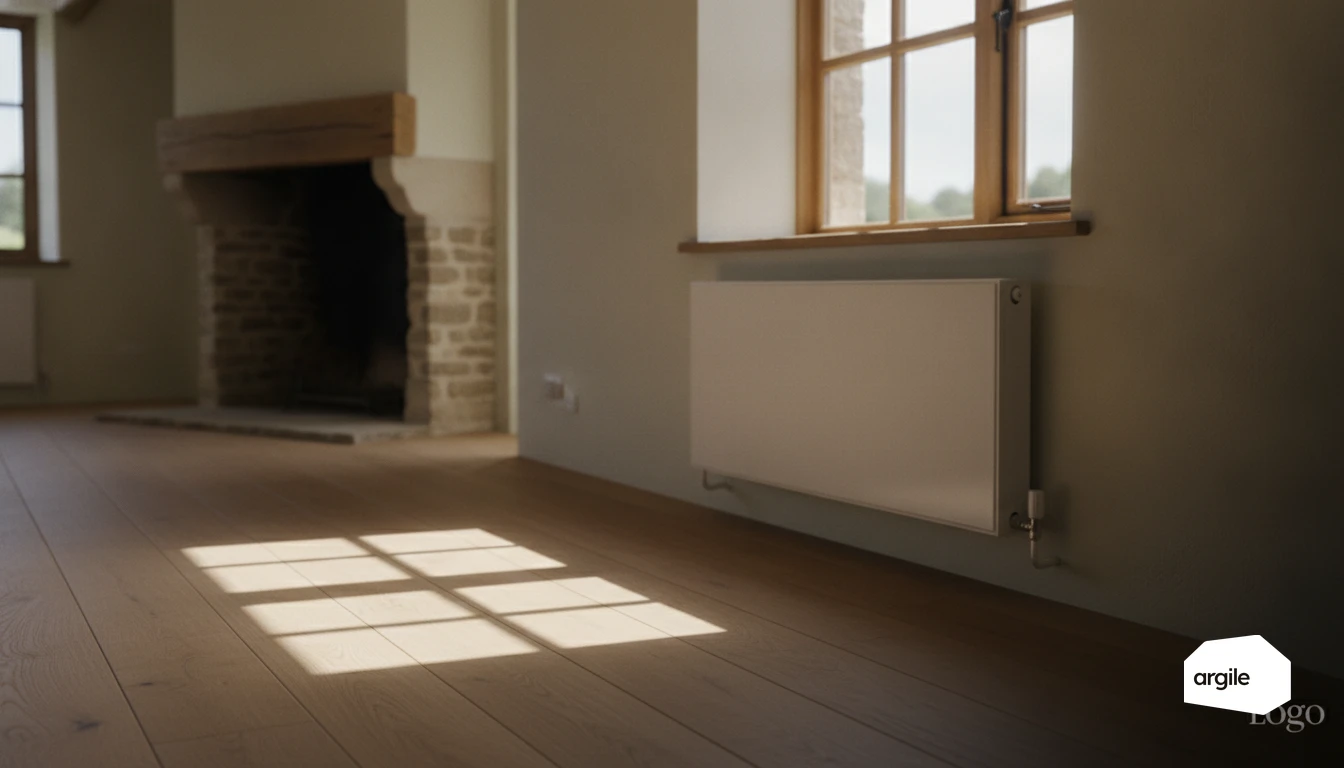
Between fluid-filled cores and solid cores, the right choice often comes down to what happens on site, not on a product sheet. In renovation work, you can improve comfort from the very first start-up while still keeping control over room-by-room responsiveness. The idea is simple: aim for stable heat when it is needed, and fast warm-up when the client asks for it.
6 min read

Good heating control is no longer just a fixed setpoint. On the job site, you can offer settings that adapt to the household's rhythms, free heat gains and weather variations, improving comfort without overconsuming. Understanding how the device "learns" and what data it uses helps you avoid vague promises, ask the right questions to the client and secure the commissioning.
5 min read

On a job site, choosing the insulation under the roof covering isn't just a technical question. You're the one who has to decide between thermal performance, moisture management, available height and ease of installation, without overcomplicating things. With the right approach, you secure comfort in both summer and winter, and you avoid the problems that come back to cost you.
5 min read

Asymmetry is not a sales line, it is a way of pulling two critical frequencies apart. A 4 mm pane dips around 3,000 Hz, a 10 mm pane around 1,200: a 4/16/4 unit stacks both dips at the same point in the spectrum, a 10/16/4 separates them by more than an octave. What remains is reading the right index for the noise source, and not giving back on the install what the glazing gained.
5 min read

Producing heat and electricity at the customer's home, continuously, without complicating your life — that's a promise worth examining closely. On site, this type of system changes the game on sizing, connections and plant-room space, with some very concrete points to watch. If you're aiming for a coherent, RGE-compliant renovation, you save time by clarifying usage, available fuel and maintenance level from the outset.
5 min read

On a heat-pump installation, vacuum evacuation isn't a luxury. It's what drives out air and moisture before charging, to avoid faults that always strike at the worst moment, and to protect the compressor, expansion valve and oil. By mastering this step, you save time on callbacks, stabilise performance, and deliver a clean commissioning with no bad surprises.
5 min read

When the volume of water heats up, it expands, and that's often where problems start: rising pressure, a valve spitting water, callbacks. As an installer, choosing the right vessel capacity secures the installation from the moment it's filled and avoids repeated adjustments on site. Here's a simple method, with the right parameters to record, for sizing correctly without oversizing.
5 min read

In a renovated home, what people actually feel doesn't come only from the number on the thermostat. It's the balance between heat and humidity that makes the difference, especially once insulation and airtightness step up a level. As a tradesperson, you can help clients avoid rooms that "heat up but still feel cold," windows that bead with condensation, and air that leaves people tired. With a few good settings and the right material choices, you make the result visible — and above all, pleasant to live with every day.
5 min read

A tightness test on pipework is not a matter of judgement, it is a numbered procedure. BS EN 806-4 sets the test pressure at 1.1 times the maximum design pressure and defines the pressure drops allowed between each reading. The report that comes out of it is what you will produce at handover.
5 min read
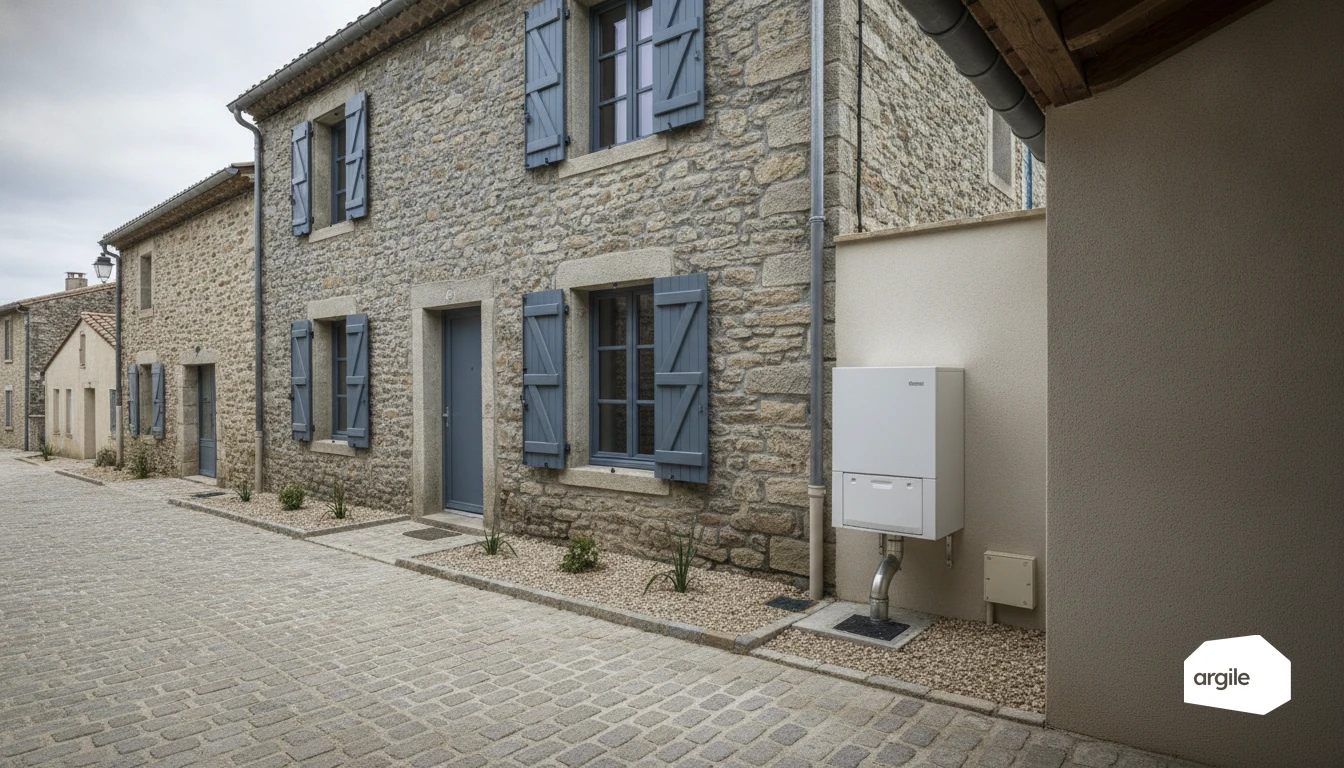
A domestic condensing boiler produces in the order of 4,000 litres of condensate a year, at a pH of 4 to 5. No national rule requires that condensate to be neutralised before it reaches the wastewater network, but the pipe material, the fall and the local drainage rules do decide whether the installation survives.
6 min read
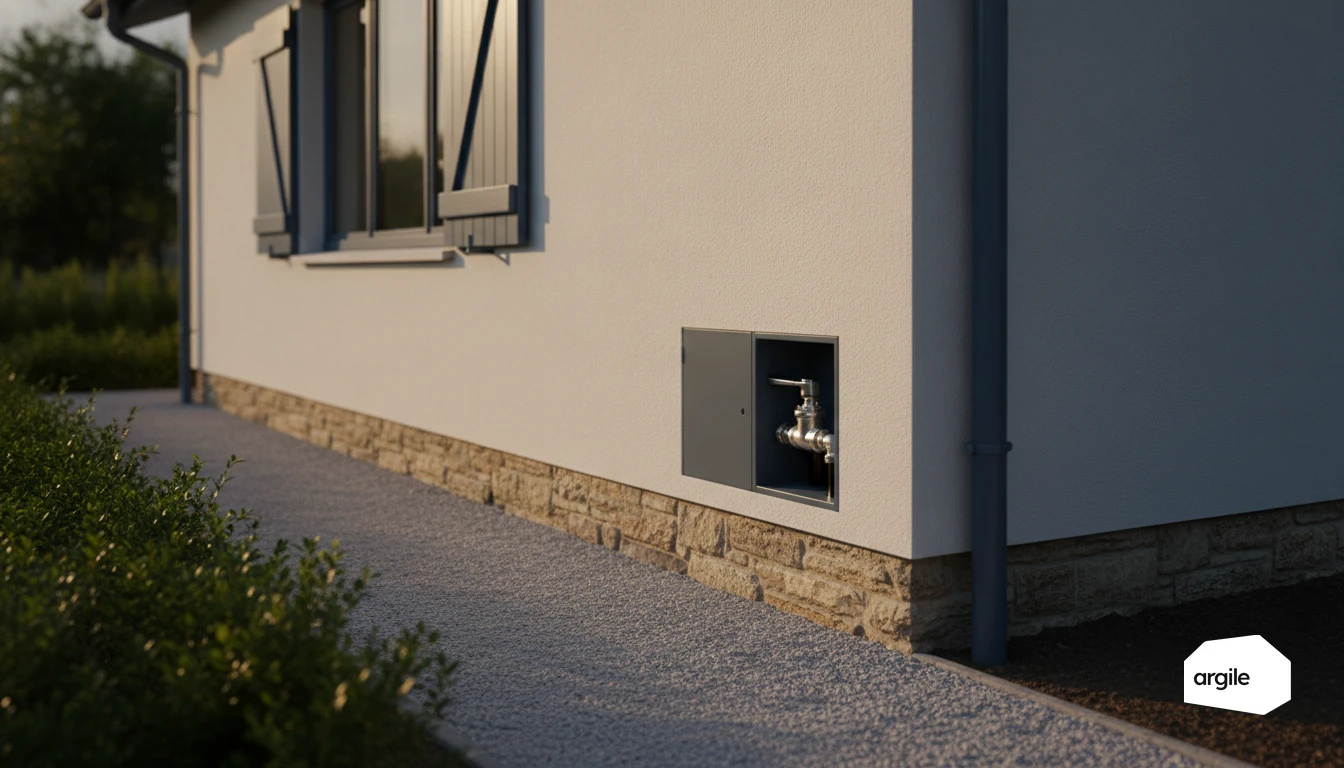
When a system needs to be shut down for water, everything comes down to one simple point: being able to cut off and drain quickly, without flooding the site. As a tradesperson, you save time with a few regular checks, a firm shut-off, a leak check, and a quick clean of the mechanism. The result: fewer callbacks, and cleaner repairs, even in an emergency.
5 min read
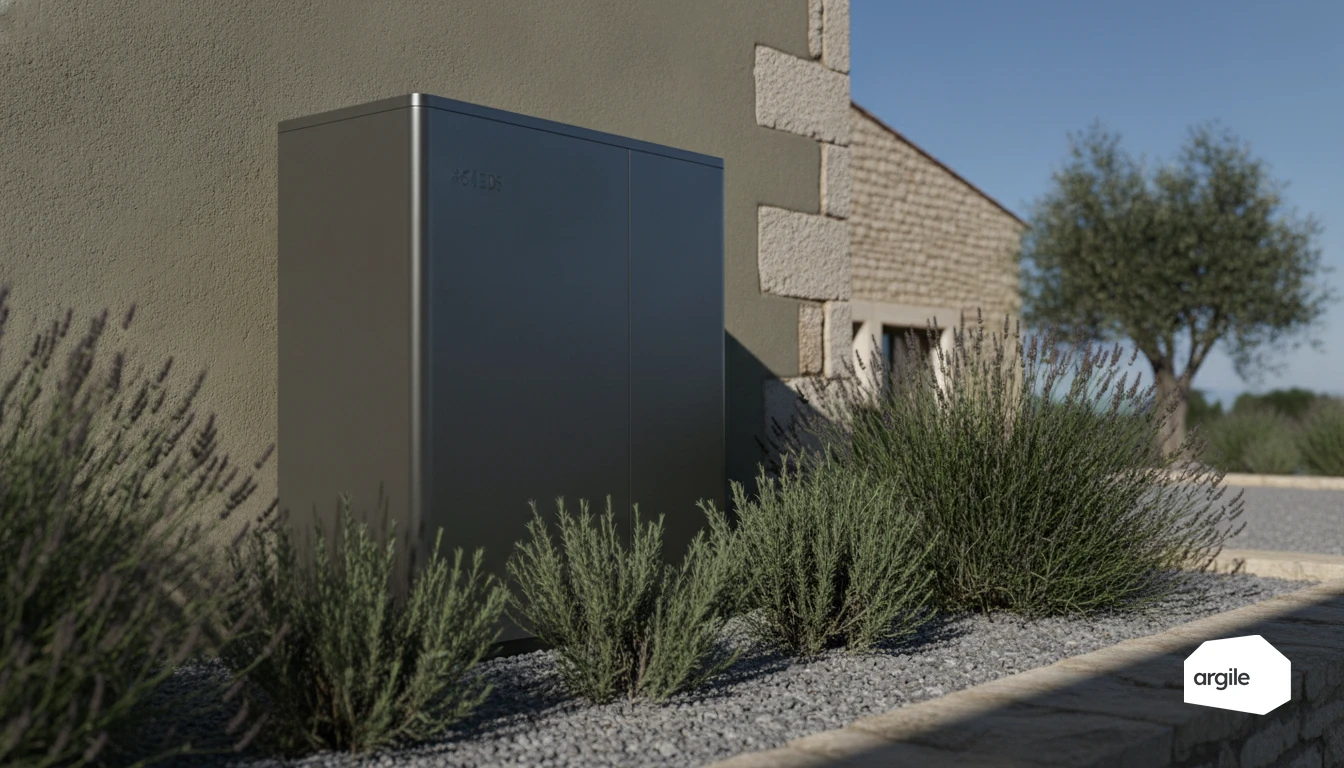
When a workshop, a laundry, or a food-processing plant needs reliable heat, every kWh counts. Today, you can offer a solution that reaches high temperatures while significantly cutting emissions, without overhauling the whole installation. By carefully handling sizing, the heat source and the connections, you secure the process and gain credibility from the quote stage onward.
5 min read

"Anti-burglary" is not a product feature, it is a test class. BS EN 356 defines eight, P1A to P5A by ball drop and P6B to P8B by axe attack, and it is BS EN 1627 that says which one goes with the resistance class specified for the whole unit. On the thermal side, laminated glass is paid for in kilograms, not in watts.
5 min read

Adding up per-person demands does not give a building's demand. The reference method goes through the standard dwelling, a three-room social housing flat occupied by 2.1 people, whose measured average daily demand is 125 ± 50 litres at 40°C. Every flat type is brought back to that standard dwelling through an equivalence coefficient.
5 min read

Pellet prices are read by pack format, not by market: €365/t in bulk, €339 bagged at retail and €383 on a pallet at the latest ADEME survey. The gap between the cheapest and dearest delivered price still runs to a factor of two, which moves the margin on a job far faster than the national trend. Here are the series, the spread, and how to hold the fuel line on a quote.
5 min read

When a slab extends outside the heated envelope, heat escapes and your clients feel it immediately. In renovation, your real lever is deciding quickly between correcting it with continuous insulation or a clean structural break, depending on access, structure and finishes. With a clear method, you limit callbacks, secure the job site and gain performance without unnecessary complications.
5 min read

On a job site, the right choice of fluid circulating through the pipes can be the difference between a stable installation and callbacks in the middle of winter. Between freeze risk, maintenance constraints and compatibility with the heat pump or solar collectors, you need a simple, clear decision. Here's the rundown, no jargon, to keep your installs and settings safe.
5 min read

When a client tells you that traffic noise "comes right into" the living room, they expect a simple, clear answer. Between acoustic bridges, worn-out windows, and forgotten joints, leaks often come down to details you can fix quickly, without an endless job. Starting from a good diagnosis and clean execution, you turn a noisy home into a pleasant room, and you secure your result.
5 min read

On site, the choice of construction system changes everything. Installation time, load-transfer constraints, routing for services, level of prefabrication — you need a solution that's reliable and easy to explain to the client. Here's a concrete rundown to help you decide fast and lock down your measurements.
5 min read
1 / 7
NextReveal your expertise
One demo, and you see your expertise proven.
Contact us
