Hygrothermal comfort is the balance between air temperature, the surface temperature of the walls and relative humidity, which is why a room at 20°C stays uncomfortable when the walls radiate cold. The comfort zone commonly used sits between 19 and 23°C for 40 to 60% relative humidity, with a dry air sensation below 30% and a clammy one above 70%. The risk is not humidity in itself but the dew point: as soon as a surface drops below the dew point temperature of the ambient air, vapour condenses on it, hence corners, window reveals and shutter boxes as the priorities to measure. The survey is taken with a thermo-hygrometer at three points at least, centre of the room, cold corner and external wall, ten minutes after airing, before any ventilation or insulation is proposed.
Understanding hygrothermal comfort in a home
What comfort really covers: perceived comfort, health, everyday use
Hygrothermal comfort is the balance between heat, humidity and the walls around you. It's not just about "feeling warm." A room can be at 20°C and still feel uncomfortable if the walls radiate cold or the air is too damp. On the health side, good settings limit irritation, allergies and fatigue. Day to day, it also helps smooth out the differences between rooms, showers, cooking and sleep. The right goal: lasting comfort without overheating.
Temperature and humidity: why the balance matters more than the number on the thermometer
In practice, the usual target is 19°C in living rooms and relative humidity around 40 to 60%. Too dry, and you feel a scratchy throat and stinging eyes. Too humid, and the risk of condensation climbs as soon as a surface drops below the dew point. Insulation, airtightness and well-tuned ventilation work together. That's the basis of healthy air.
Warning signs on site: cold surfaces, odours, condensation and mould
On site, keep an eye on the simple signs. Surfaces that feel cold to the touch, windows streaming with condensation in the morning, a musty smell, black stains in corners or behind furniture, peeling wallpaper. These symptoms often point to a combination of heat loss and excess humidity. A hygrometer and a check of the air inlets quickly give you a clear diagnosis before proposing the right work.
Measuring and diagnosing temperature and humidity without getting it wrong
The right tools for 2026: thermo-hygrometer, thermal camera, multi-point measurement
For a reliable measurement, start with a thermo-hygrometer, ideally one that logs readings. Take at least 3 points: one in the centre of the room, one in a cold corner, one near an external wall. Wait 10 minutes after airing the room and avoid direct sun, a radiator or a running hob. A thermal camera helps spot surface differences, but always confirm with actual measurements.
Interpreting the readings: relative humidity, dew point and at-risk zones
Relative humidity depends on temperature. At 19°C, 60% can quickly turn into condensation if a surface drops below the dew point. Watch the at-risk zones: corners, window reveals, behind furniture, shutter boxes. Aim for stable comfort, usually around 40 to 60% depending on how the home is used.
Linking symptoms to causes: ventilation, moisture sources, thermal bridges, infiltration
Recurring condensation and a musty smell: think insufficient ventilation. Localised stains and cold to the touch: suspect a thermal bridge. Spreading damp rings or dampness after rain: think infiltration. Trace the root cause before you treat it. Otherwise you're just masking the problem, not solving it.
Working on the envelope to gain hygrothermal comfort
Insulation and continuity: limiting cold surfaces and stabilising temperature
Comfort is first decided at the building's skin. Insulation that's well-sized and, above all, continuous reduces cold surfaces, and with them the feeling of draughts and a "wall that pulls the heat out of you." Aim for continuity between walls, roof and floors. And take care with the junctions, or the real gain melts away.
Vapour retarders, vapour barriers and airtightness: avoiding condensation inside the walls
To keep the walls sound, you need to manage water vapour. A vapour retarder (often variable-permeability) dries out better than a vapour barrier, but it has to be installed without gaps. Airtightness limits the humid air that passes through the insulation. And without suitable ventilation, the moisture just stays in the home.
Treating thermal bridges: floors, window reveals, wall-to-roof junctions
The sensitive zones are well known. Slabs and ground floors, slab edges, window reveals, the wall-to-roof junction. Treat them with insulation returns, suitable end caps and properly connected membranes. Fewer thermal bridges means a more even temperature and less risk of mould. To go further, also see how to specifically treat a concrete balcony thermal bridge.
Ventilation, heating and control: the winning trio against humidity
When the air doesn't circulate and the surfaces stay cold, humidity settles in. By combining ventilation, heating and control, you gain comfort and limit mould and odours.
Ventilating at the right flow rate: single-flow, dual-flow MVHR, air inlets and maintenance
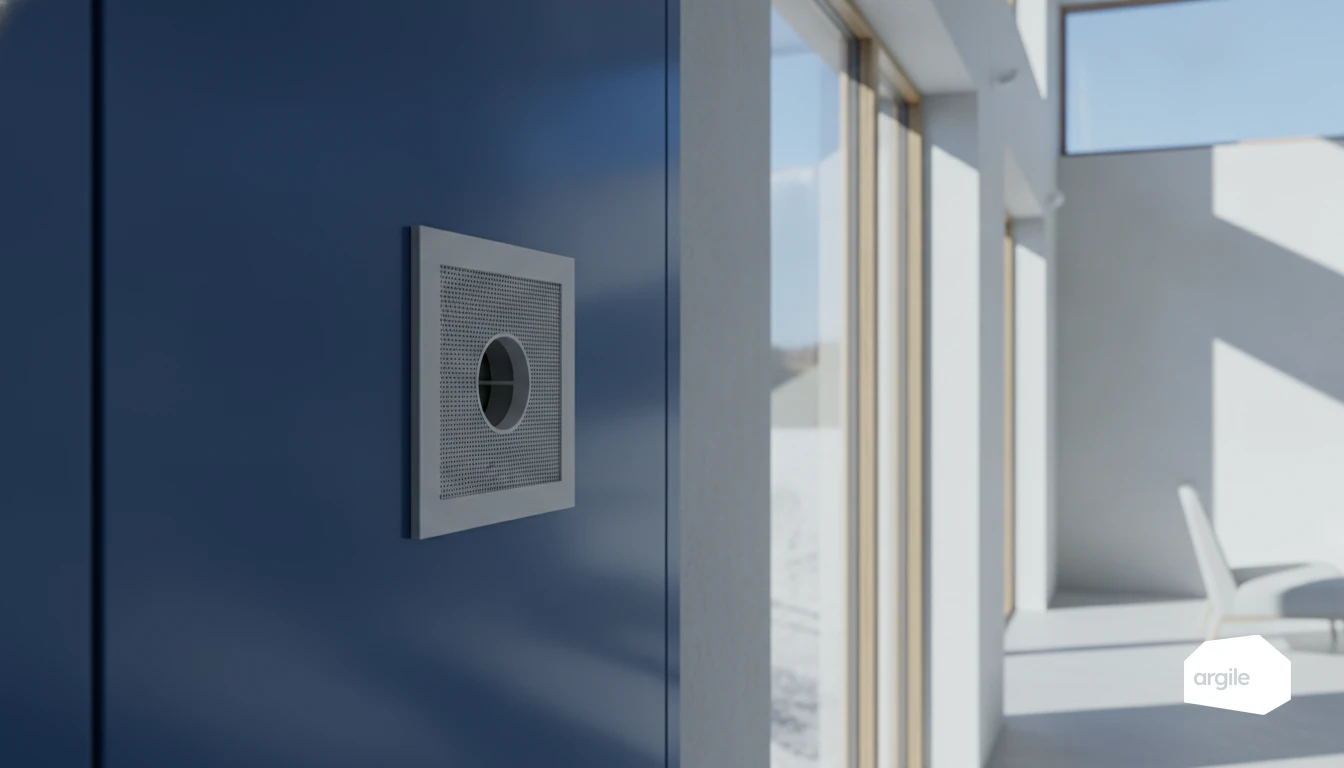
Single-flow or dual-flow, the goal stays the same: extract air from the wet rooms and bring fresh air in elsewhere. Don't block the air inlets. Check the vents, clean them, and change the filters when needed. A humidity-controlled system adjusts the right flow rate according to use.
Heating right: thermal mass, programming, emitters and sensitive zones
Steady heat avoids cold walls, and with them condensation. Rely on simple programming, well-sized emitters, and keep an eye on the sensitive zones: corners, north-facing walls, rooms that are rarely heated. The building's thermal mass does the rest, as long as the heating breaks aren't too long.
Control in practice: hygrostat, thermostats, room-by-room setpoints and usage feedback
A hygrometer or a hygrostat helps measure humidity and trigger ventilation at the right moment. On the heating side, thermostats and thermostatic radiator valves allow room-by-room setpoints. In practice, the best results come from stable settings and a check after showers, cooking and drying laundry.
Securing your jobs and making comfort visible to clients in 2026
Usage tips to hand to the client: airing, drying laundry, kitchens/bathrooms
After insulation or heating work, the key habit stays good airing. Hand the client a simple sheet, to avoid condensation and keep the air healthy.
- Air the home every day, and don't block the air inlets.
- Dry laundry in a ventilated room, with the door closed if possible.
- In the kitchen and bathroom, use the extractor hood or the ventilation system during and after use.
Checkpoints and evidence: readings, photos, product data sheets and traceability
To protect yourself, keep simple evidence before, during and after. Humidity readings if needed, dated photos of sensitive points, visible labels, batch references. Add the product data sheets, instructions, and traceability of the settings (ventilation, thermostats, balancing).
A simple pitch: perceived comfort, savings and preventing damage caused by humidity
Your message needs to be concrete. A home that's better insulated and well ventilated means fewer cold surfaces, fewer odours, and lasting comfort. In 2026, clients also expect clear savings and less risk of mould, stains and peeling paint. You light the way; they feel the difference. What remains is to price it without treating it separately: flow rates are measured room by room and the ventilation goes on the quote with the rest of the works.