
Pierre-Louis Guhur
CEO of Argile
187 articles published
Pierre-Louis is CEO and co-founder of Argile. He holds a PhD in machine learning, written at Inria under Cordelia Schmid on vision-language models. In 2017 he renovated a house with his own hands, inside and outside insulation, new windows, a heat pump and solar thermal, and took one conviction from it: the plan is the easy part, the site is where everything can go wrong. He now designs the software that lets renovation companies produce reliable energy studies, from the 3CL survey through to heat pump sizing. On the blog he writes about what he implements: the 3CL-DPE 2021 method, NF EN 12831 and building physics as a calculation engine has to handle them, assumption by assumption.
Subjects covered
Their articles
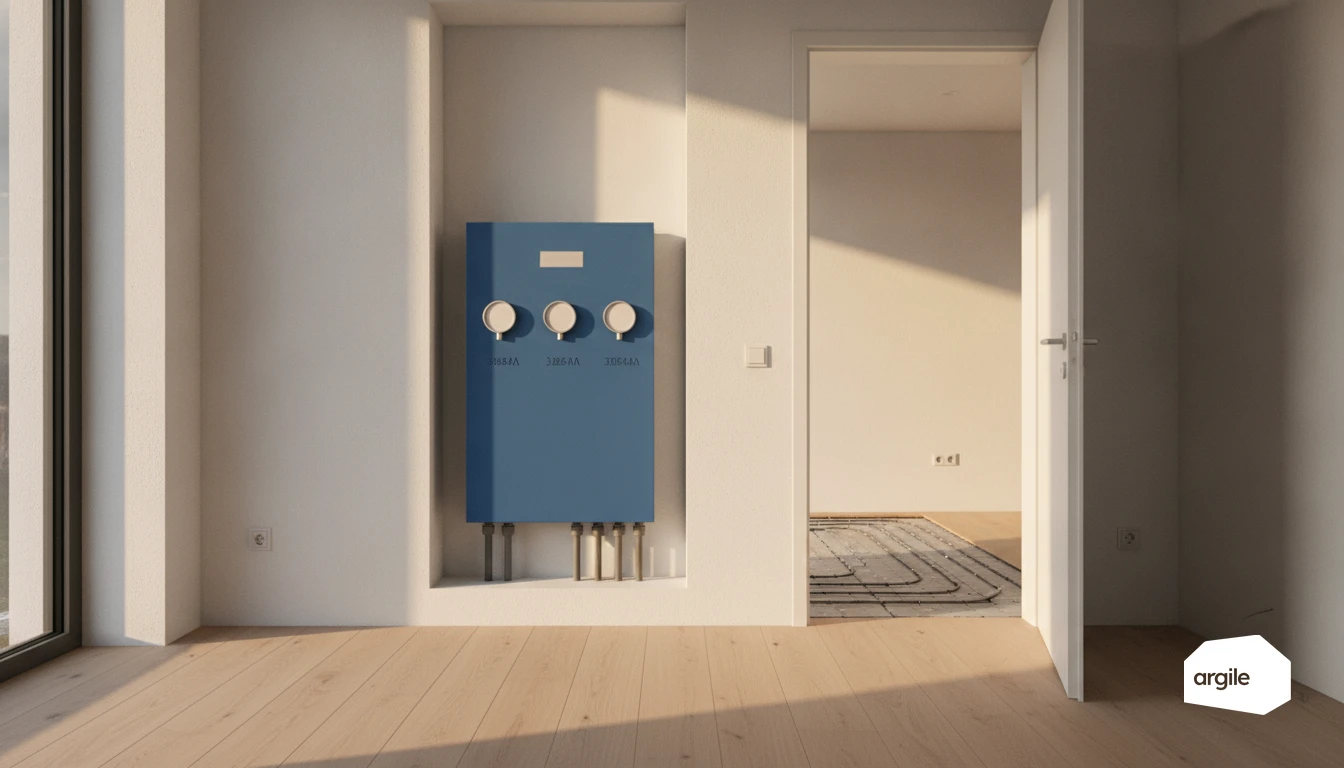
A hydraulic schematic reads in three layers: the generator, the decoupling device, the secondary circuits. Ten configurations cover most domestic retrofit work, from a direct connection to a multi-fuel setup on a buffer tank. This article gives the selection table, the flow calculation per branch and the hot water temperatures the schematic has to hold.
5 min read
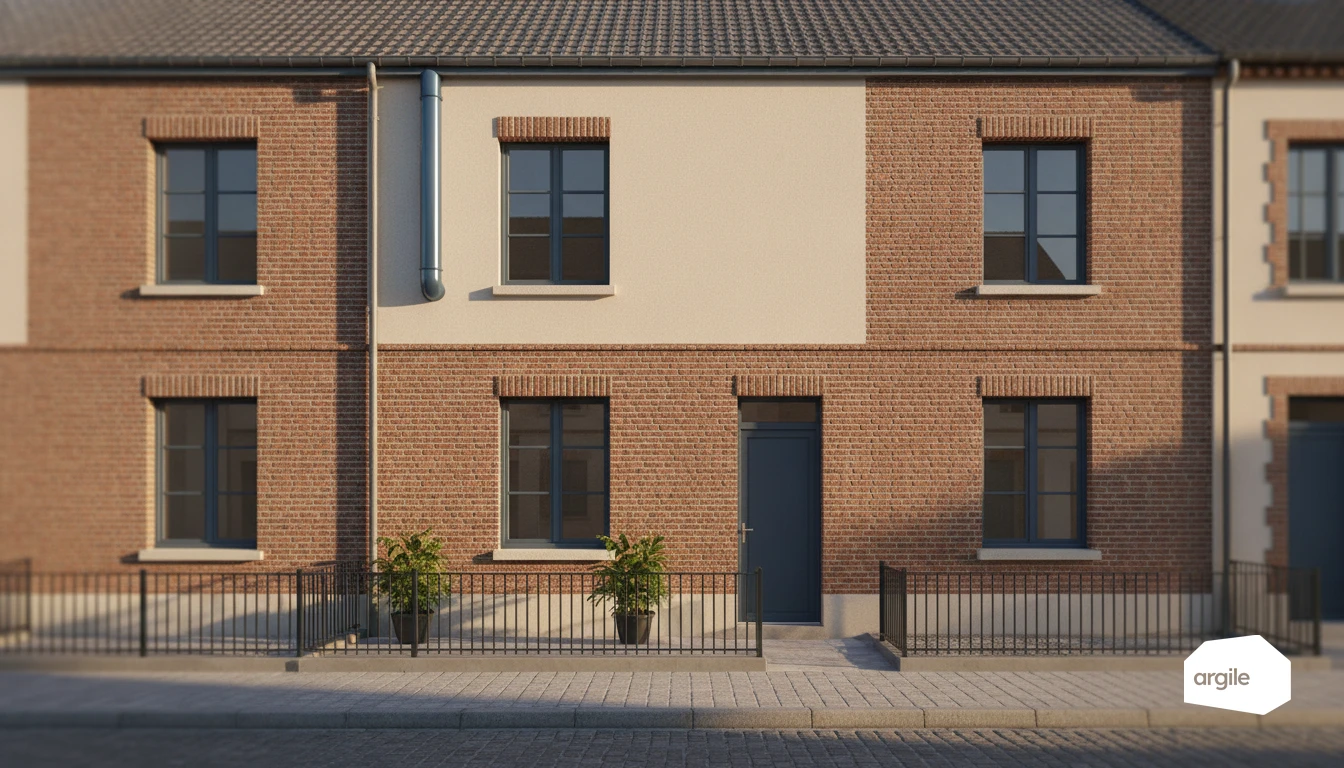
On a room-sealed boiler, two things decide the outcome: the equivalent length of the run, which is calculated before you order, and the position of the terminal, governed by the gas installation rules and the flue-work standard. Everything else that causes lockouts comes from assembly direction and condensate fall.
6 min read

In renovation work, every kilogram counts and every thermal bridge shows up on the bill. Lightweight, insulating masonry blocks help you save installation time, limit rework and keep walls breathable. Well chosen, they also give your clients year-round comfort, summer and winter, without adding weight to the job site.
5 min read
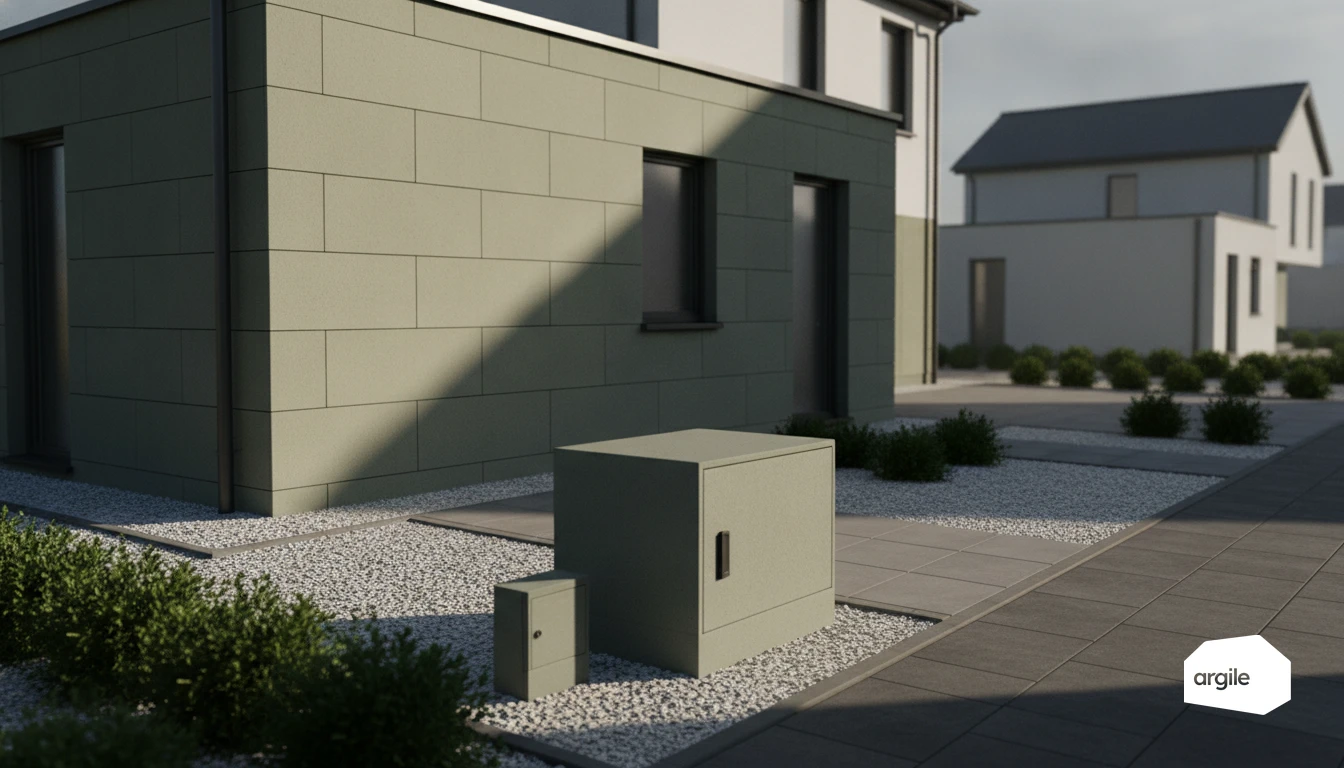
In a housing development, heat is often best handled at the scale of the neighbourhood. With a small local network and a properly sized shared boiler room, you can pool production, simplify maintenance, and secure the performance of a project, without complicating life for residents. It's also a lever for making the most of a renewable energy source available on site and making your jobs clearer for the client, from the first plans through to commissioning.
5 min read
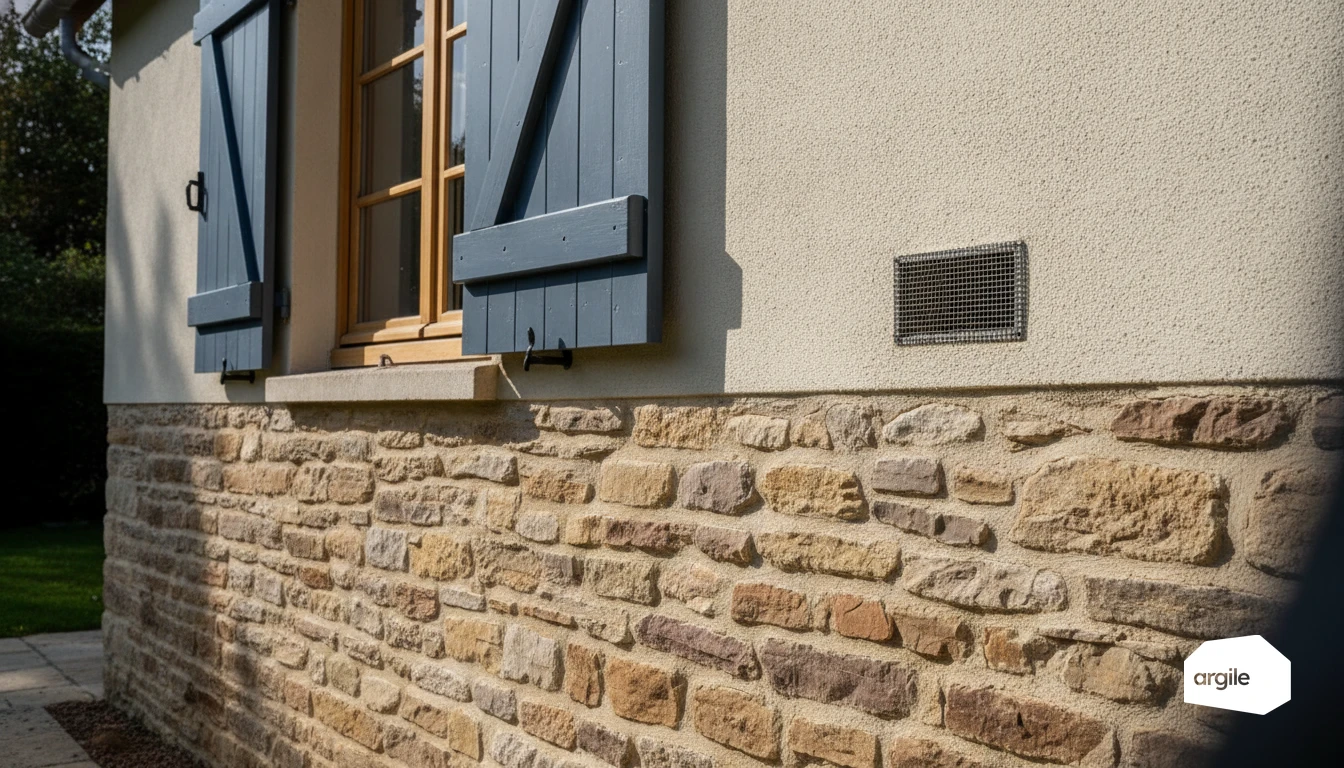
A solid traditional wall dries inwards. Once the outside face is rendered, that is the only drying path it has left, and internal wall insulation is what closes it. The water vapour resistance factor puts a number on it: 1 for mineral wool, 60 for expanded polystyrene, 150 for extruded. At 120 mm that is 12 cm, 7.2 m and 18 m of equivalent air placed against the masonry.
8 min read

A 1970s house is often a job that hides surprises, but also real potential for quick wins. You have to work around period insulation, ventilation that's sometimes absent, and equipment nearing the end of its life, all while keeping a workable schedule and budget. Here, we start from the concrete details to help you secure your choices and move forward without guesswork.
5 min read
When renovating a workshop or a small industrial site, the right emitter is the difference between a job that goes smoothly and a commissioning process that drags on. You need robust heating that's simple to install, heats up quickly, and stays consistent with an existing boiler or a future heat pump. Here are the concrete reference points to keep in mind to choose correctly, without wasting time on unnecessary options.
5 min read
You have clients who want to heat better, without blowing up the bill or depending on a single energy source. By combining a wood stove for cold snaps and a heat pump for the rest, you gain in comfort, control flexibility and continuity of service. The challenge is sizing the whole system correctly and orchestrating the controls, so it runs simply and cleanly on the job.
5 min read

On a job site, what saves time isn't going fast, it's moving forward in the right order. By structuring the works into clear sequences, you secure the final performance, avoid costly rework and keep the client engaged until the last step. A simple method, designed for your on-site constraints, changes everything.
5 min read
When a job calls for effective ventilation without pushing up the bill or complicating the installation, a passive solution can really make the difference. You capture heat from the sun to create a draught that renews the air, with no motor and often little maintenance. Properly sized and placed, it improves summer comfort while showcasing your expertise on renovation projects.
5 min read

When a client mentions "quality", you need a simple, solid benchmark. DINplus and ENplus certifications exist precisely to sort out reliable bags, with requirements on moisture, density and above all cleanliness, meaning less dust and less clogging. By mastering these labels, you protect your installations, cut down on callbacks, and add value to your advice, without getting lost in endless technical sheets.
5 min read
On an energy-renovation job, the difference often comes down to detail. As a tradesperson, you save time when the work items are clearly classified, with the right prerequisites and the right order of execution, from insulation through to final adjustments. Here's a simple method for quickly spotting the right levers, securing the quote, and moving forward without grey areas.
5 min read
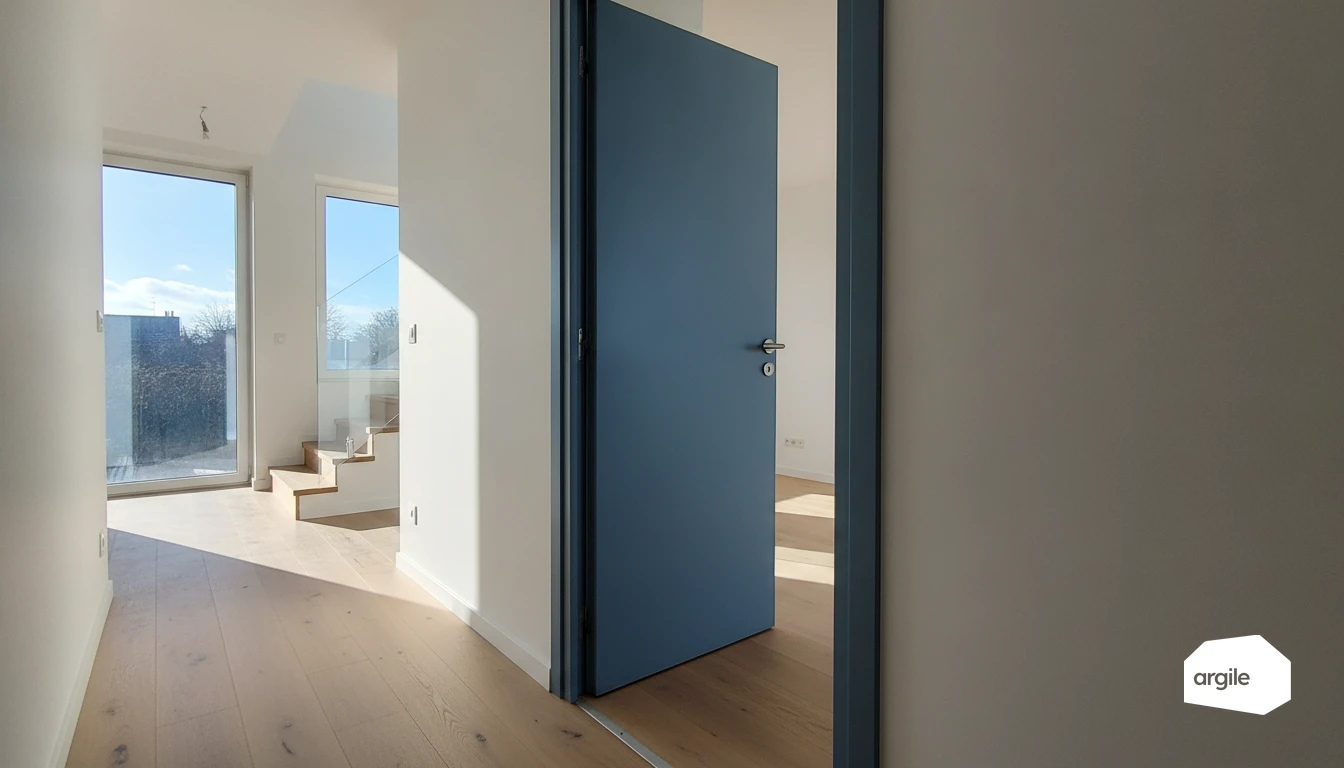
On a renovation job, acoustic comfort often comes down to a detail your clients notice right away. Good separation between rooms also depends on choosing the right door set and careful installation, gaps, seals, threshold and frame included. By mastering the expected levels and checkpoints, you avoid callbacks and add value to your work from day one.
5 min read

When a system starts heating "on its own", those are kWh going out the door that nobody asked for. In renovation, the right check valve in the right place helps you block this parasitic circulation, protect comfort, and prevent heat feeding back between circuits. A few simple checks secure commissioning and cut down on callbacks.
5 min read

After a job, real relief comes from being able to prove everything holds up. With a thermal imaging camera, you can spot thermal bridges, airtightness defects or poorly installed insulation in a few minutes, before the customer discovers them the first winter. That secures your handover, your end-of-job photos and your reputation.
5 min read

Between shifting subsidies, quotes to compare and works to sequence, your clients often ask you the same questions. With a few clear answers ready to go, you save time, set the framework, and avoid misunderstandings before the visit even happens. It's a simple way to protect your projects and build trust.
5 min read

When water is very hard, boilers take more punishment than expected. A simple upstream adjustment can limit scale build-up, stabilise efficiency and cut down on breakdowns that always happen at the worst time. As a tradesperson, you get a more reliable installation and clients who notice the difference over time.
5 min read
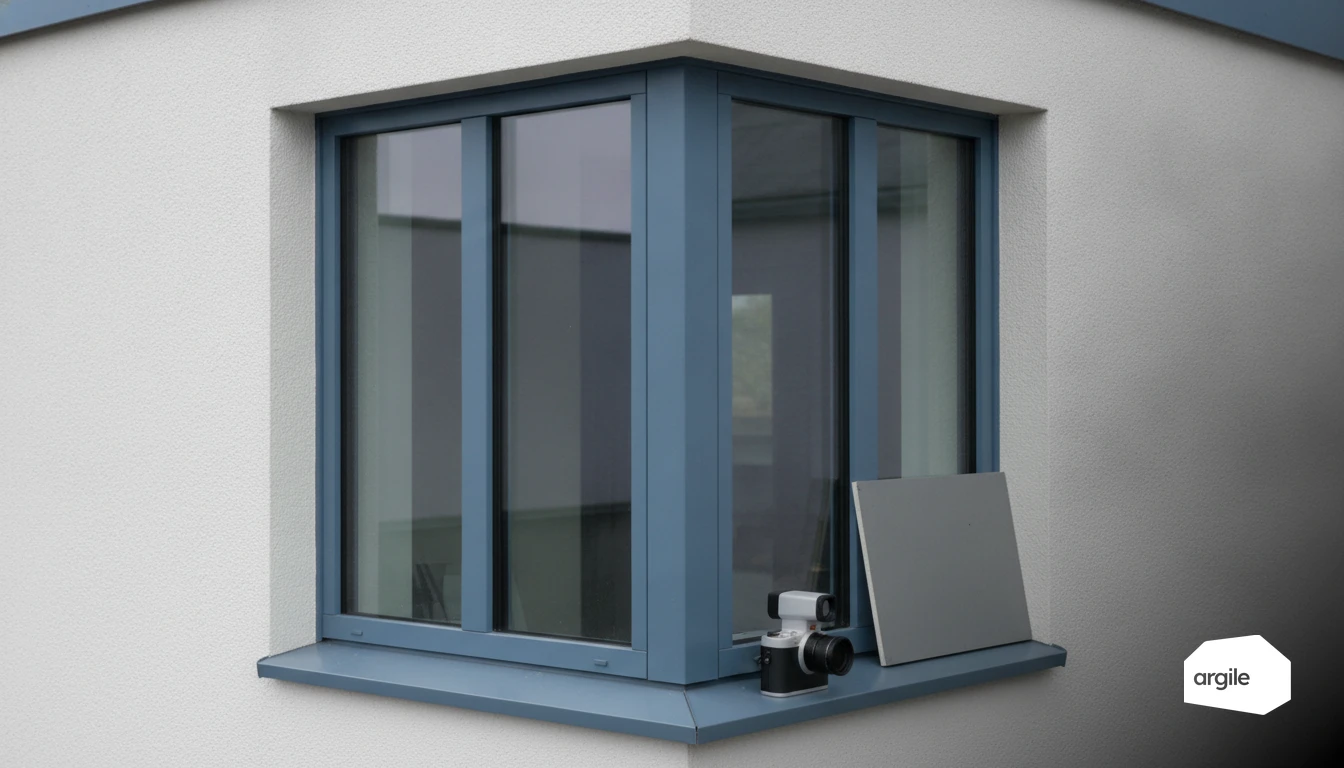
When a job "loses heat," your customers feel it right away on their bill... but not always to the naked eye. With an infrared camera survey, you can spot heat-leaking zones in a few minutes, and prioritise the right fixes. The result: a clear diagnosis, better-targeted work, and fewer discussions at the end of a job.
5 min read

On site, the choice of material for distributing heat can either save you hours or cost you them. Steel, copper or PEX each have their own installation habits, points of caution, and contexts where they become the best fit. By clarifying the home's constraints and your installation practices, you secure a clean, durable result that's easy to maintain.
5 min read

Between two renovation solutions, the real gap is often decided over 15 or 20 years, not on this month's quote. With the right discount rate, you bring future energy, maintenance and replacement costs back to today's value, and you finally compare on equal terms. That's how you defend a solid technical choice, backed by clear figures.
6 min read

When summer heats up, your clients want to stay cool without blowing the budget or installing air conditioning everywhere. By first relying on simple, well-installed solutions, solar protection, managing heat gains, night ventilation, you gain comfort from the first hot days and add value to your job. And if air conditioning eventually becomes useful, it comes in as reinforcement, not a patch.
5 min read

On a job site, what matters is knowing when the investment actually starts paying off. Between insulation, heating and ventilation, you need a simple method to quantify the savings, factor in subsidies and set clear assumptions over 10 or 15 years. With a rigorous approach, you protect your quotes and can talk budget with your clients without ambiguity.
5 min read
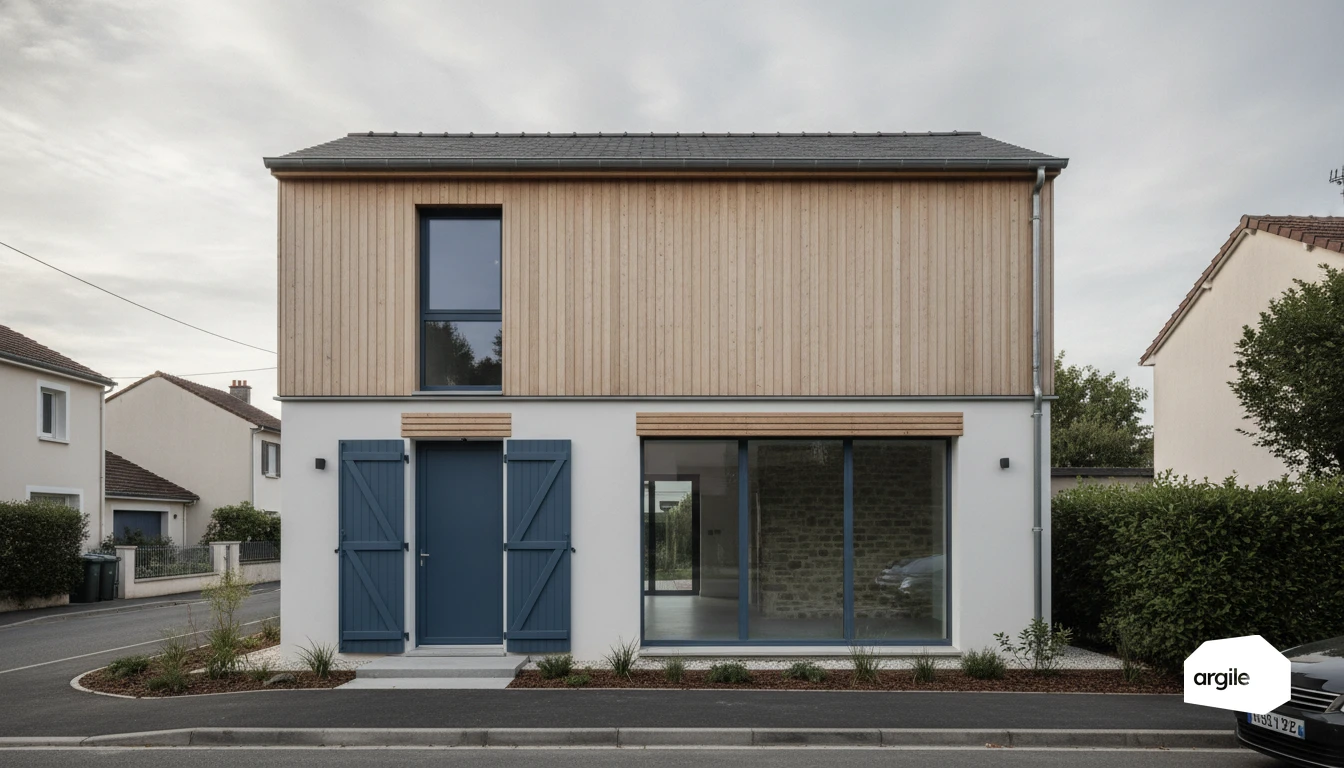
In a timber-frame house, everything happens fast. Solar gains climb sharply, then the temperature drops as soon as the sky clouds over or night falls. As a tradesperson, you can smooth out these swings with simple choices in design, materials, and settings, without adding weight to the job.
5 min read
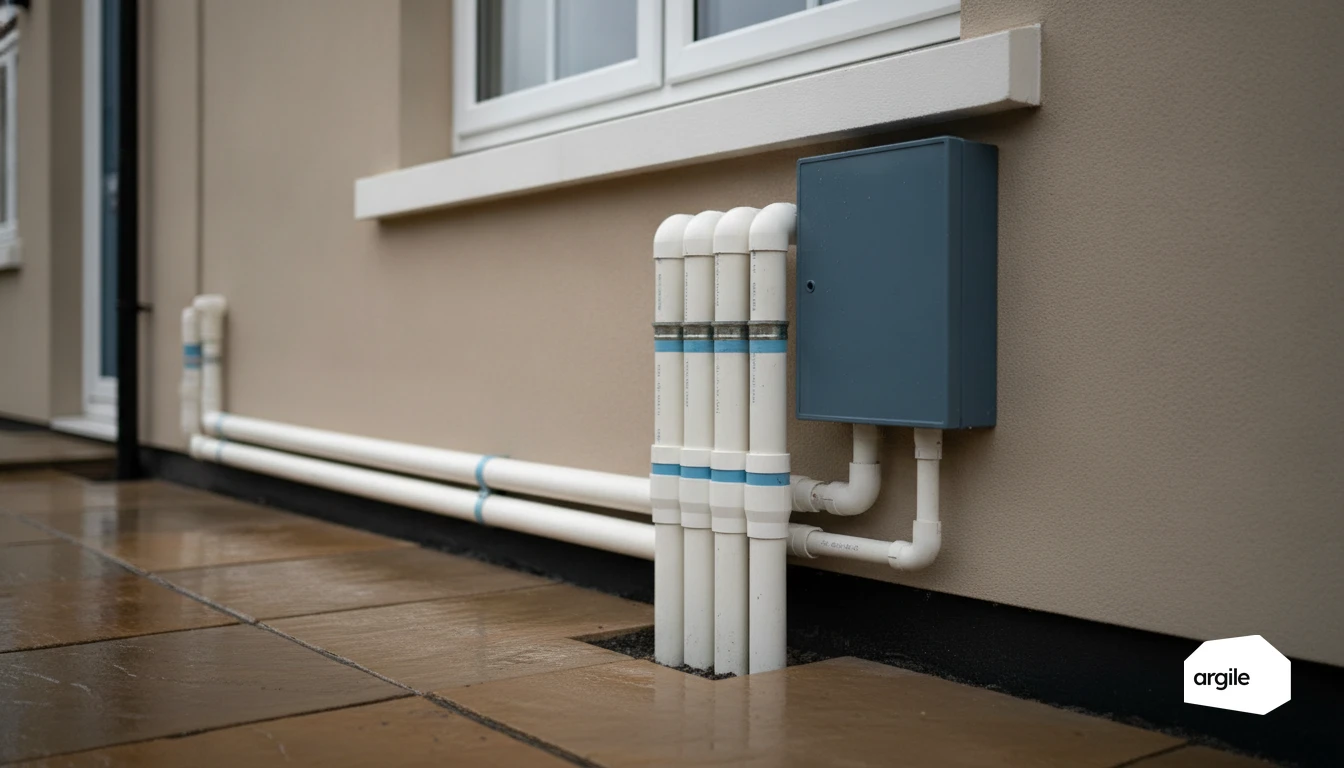
When you redo a bathroom or a heating network, the choice of tube changes everything. You want a material that bends quickly, connects cleanly and limits callbacks. With the right fittings and careful installation, you save time, and your client gains reliability, without blowing the budget.
5 min read

On a job site, a lot is decided in what you don't see right away. The right 'mass' in a wall or a floor can smooth out heat spikes, limit heating jolts, and improve comfort without complicating the installation. As a tradesperson, you get to choose where to place it, and above all, when it becomes a real gain rather than a constraint.
5 min read

When your clients complain about one room being too hot and another too cold, you can take back control without redoing the whole installation. With an adjustable, programmable radiator head, you fine-tune room by room, at the right times, and turn "all or nothing" heating into managed comfort. The result is a cleaner job and added value that's easy to explain.
5 min read
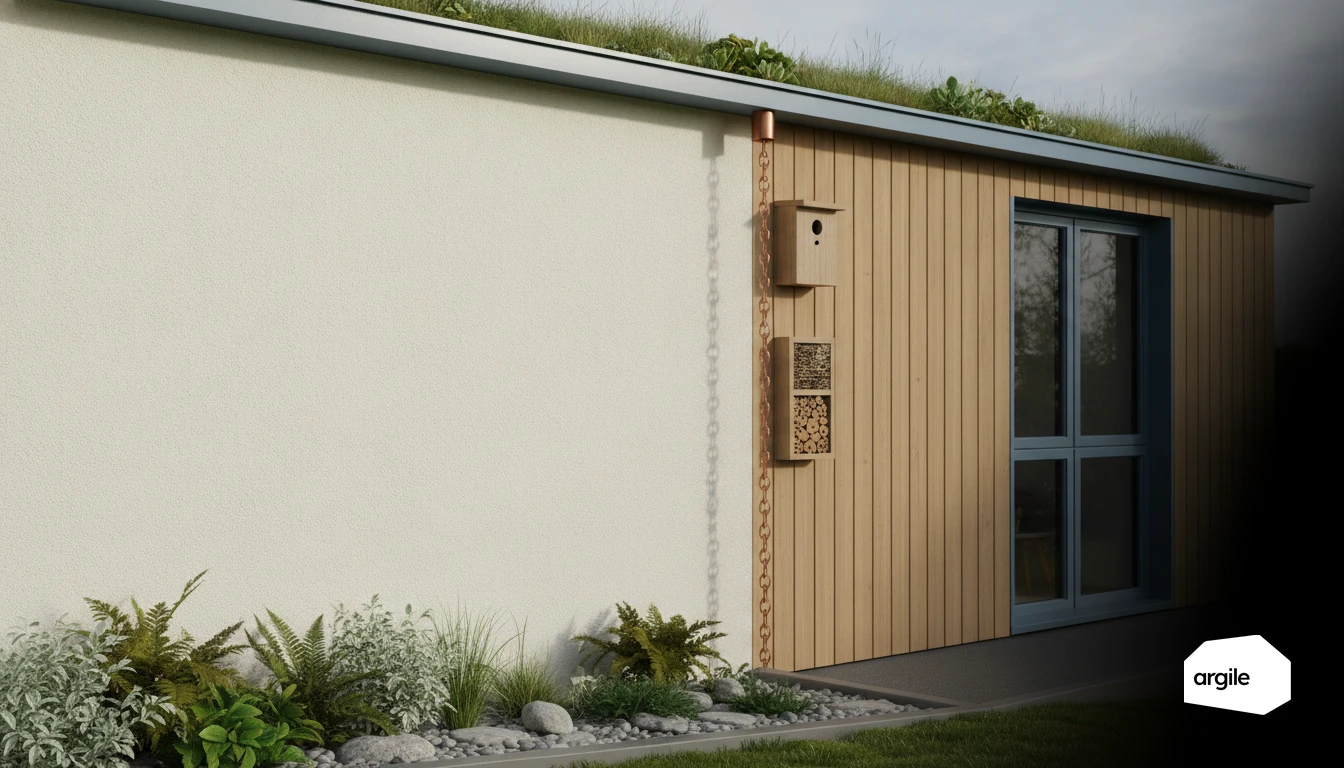
On a job site, every choice matters, not just for energy, but also for the wildlife around the building. You can easily earn points with concrete gestures: preserving the soil, limiting unnecessary lighting, planning simple refuges on facades or roofs. The result: a more pleasant building, and a client who sees the difference right away.
5 min read

When your clients want to cut their bill without changing all their habits, the electricity-gas duo often ticks the right boxes. You keep stable comfort, you adapt output to cold days, and you offer a solution that works well in renovation, even when the home isn't ready for 100% electric. A way to move forward without setbacks or bad surprises at start-up.
5 min read
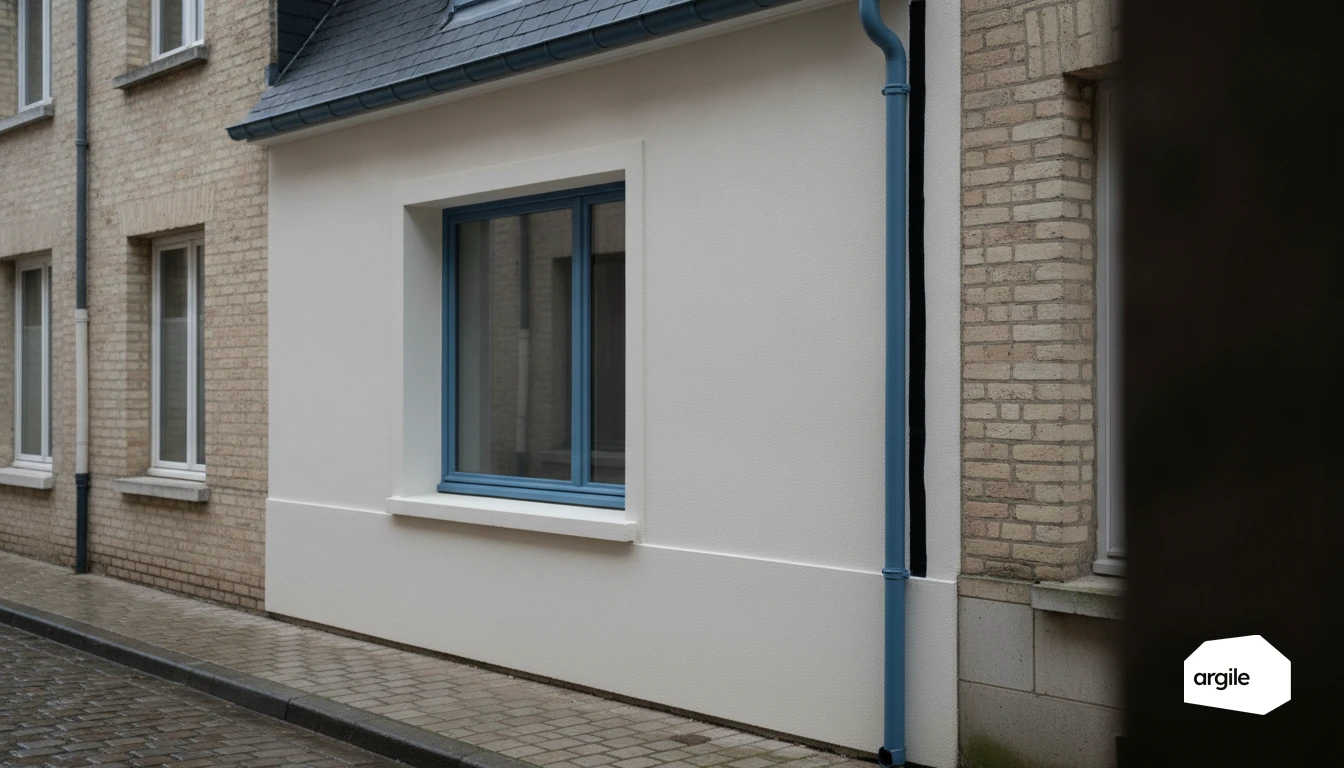
In renovation, the junctions between walls, floors, and window openings often make the difference between a "clean" job and one that comes back to haunt you six months later. By getting these details right from the site visit onward and coordinating them across your trades (insulation, airtightness, finishes), you secure performance, comfort, and above all your own peace of mind. Here we go straight to the point — the checks to run and the mistakes that cost dearly.
5 min read
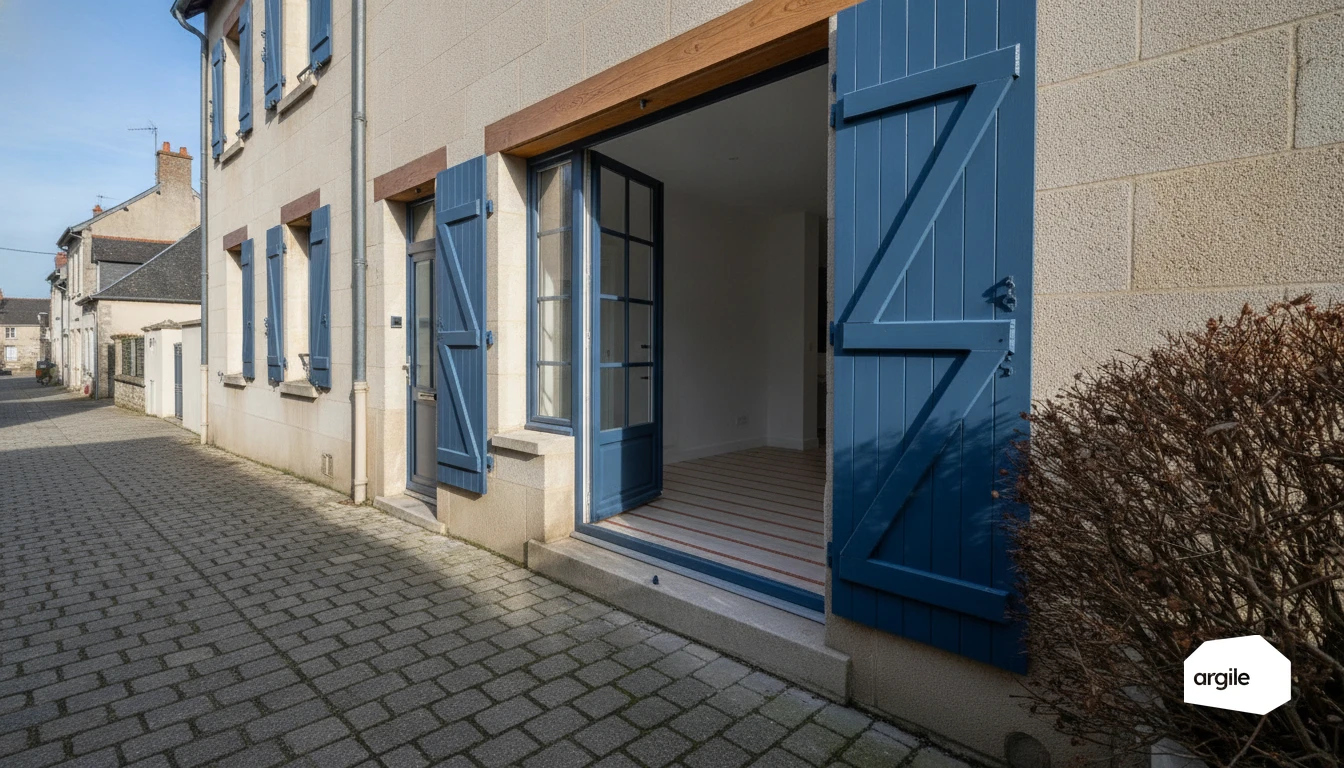
In renovation, every kilo counts. When a screed isn't an option or ceiling heights are tight, a lightweight solution saves time and limits rework, without sacrificing floor comfort. It's up to you to run a cleaner, faster job that's compatible with many substrates, to keep your schedule and reassure the customer from the first site visit.
6 min read
Reveal your expertise
One demo, and you see your expertise proven.
Contact us
