Understanding how a hybrid electric-gas boiler works
How the boiler chooses between electricity and gas day to day
A hybrid boiler combines a gas generator and an electric module, most often a small heat pump. The control logic aims for the best trade-off between comfort and consumption. In practice, it favours electricity when the efficiency is good. Then it switches to gas when it's colder or when heat demand rises, sometimes with relay-style operation.
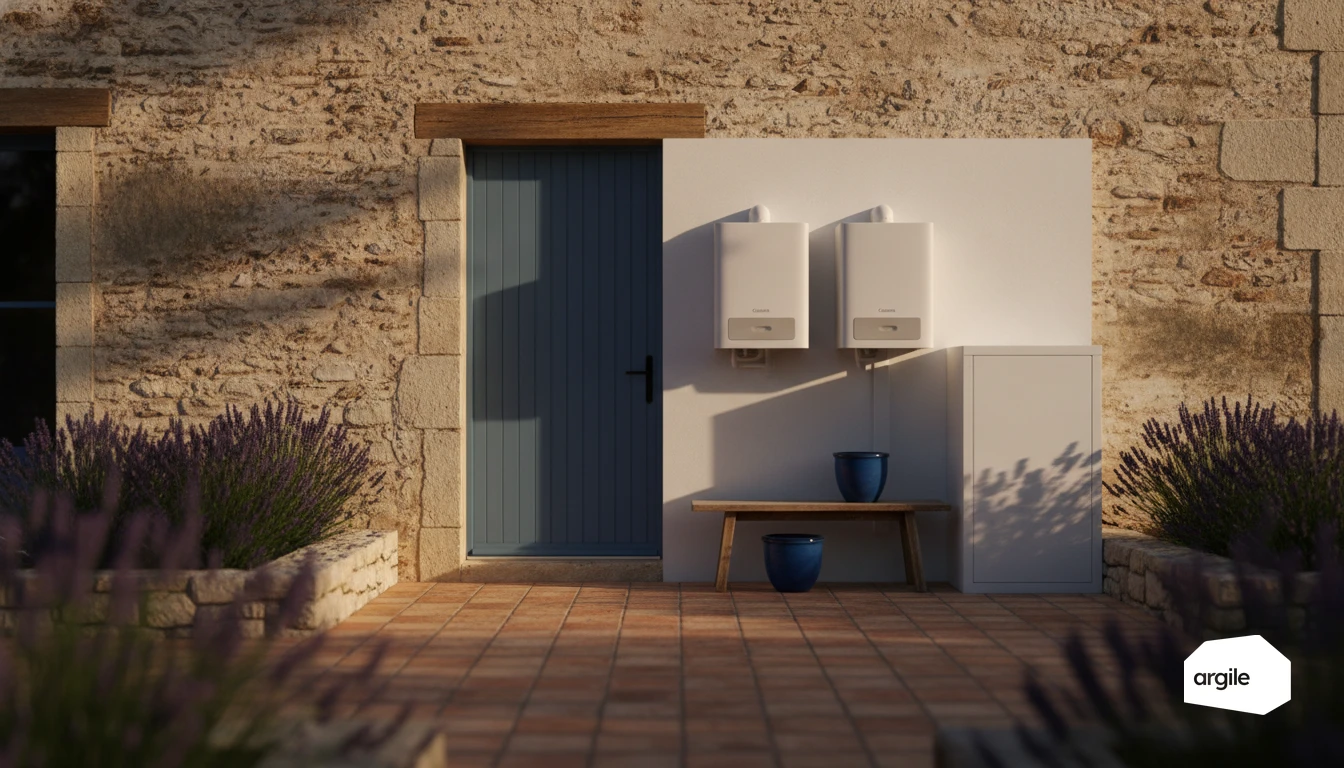
The key components: gas boiler, electric module, controls and outdoor sensor
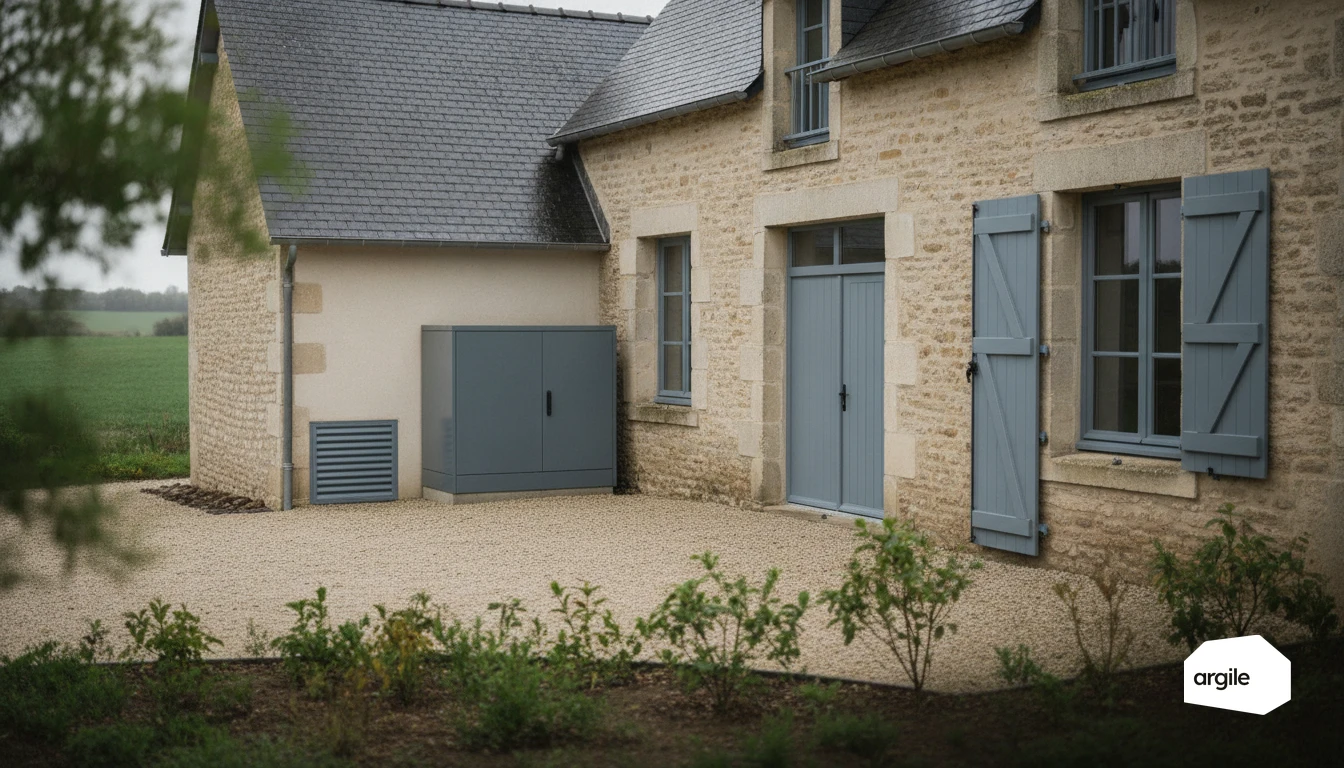
You'll find a condensing gas boiler, an electric unit (outdoor unit and hydraulic module) and a control system that manages the whole. The outdoor sensor is central. It adjusts the heating water temperature according to the weather, via a heating curve. A room thermostat can complement it to fine-tune room by room.
Which homes suit a hybrid boiler best
This system suits homes with water radiators and a gas connection, when you want to reduce gas use without fully electrifying. It works well in renovation with decent, though not perfect, insulation. It becomes less relevant if the home is very high-performing (a heat pump alone is enough) or if installing the outdoor unit is impossible, for noise or space reasons.
What you gain on the job with a hybrid boiler
Comfort and continuity of service: an automatic backup in cold weather
On site, you gain peace of mind. The heat pump covers most of the need, and the boiler automatically takes over when it's very cold or when the demanded output rises. The result: the client keeps their target temperature, with no interruption or last-minute fix.
Consumption and bills: what changes depending on use and settings
The reduction in consumption mainly depends on the settings. With good commissioning, you configure the switch-over point and the priority between the heat pump and the boiler. In mid-season, the heat pump works more. In winter, the boiler runs more. Fine-tuned settings avoid unnecessary switching back and forth that inflates the bill.
Reducing emissions: points to explain clearly to the client
You can claim a reduction in emissions when the heat pump covers a significant share of the heating. But it isn't fully electric. Explain that gas remains present, and that the gains depend on sizing, controls and usage. A clear promise avoids disappointment.
Points to watch before proposing a hybrid boiler in 2026
Condition of the existing installation: radiators, pipework, flue system and plant room
Before proposing a boiler, check for sound hydraulics. Properly bled radiators, limited sludge, consistent valves and circulator. Check the flue system and condensate drains. Also ensure an accessible plant room, with space for the components and an outdoor unit if needed.
Output, sizing and settings: avoiding overconsumption and cold returns
Correct sizing of a hybrid hinges on the bivalence point and the heating curve. Output that's too high causes cycling, wastes energy and degrades comfort. Aim for low temperatures on the emitter side. Balance flow rates and configure priority to the most relevant generator depending on the outdoor temperature.
Electricity, gas, ventilation: safety and compliance checks
On the electrical side, plan suitable protection devices, cable cross-sections and RCD. On the gas side, test tightness and shut-off devices. Check the room's ventilation and the flue's compatibility. Commissioning with combustion measurements secures the installation and limits breakdowns.
Grants and obligations: how to secure your file for a hybrid boiler
Funding: conditions to check before quoting in 2026
Before pricing a hybrid boiler, check the rules in force in 2026, because a hybrid is exactly the configuration the schemes treat least consistently. What is available depends on the property, on how the household qualifies and on the equipment. The measure must be signed off before the quote is signed and before work starts.
Registration and supporting documents: what most often blocks a file
The sensitive point is a valid registration at the right time. The installer must be registered for the measure concerned, on the date of commitment and invoicing. Files also get blocked over an incomplete invoice. Site address, brand and reference, performance figures, quantity installed, removal of the old equipment, everything must be written down in black and white.
Traceability and commissioning: evidence, photos and documents to hand over
To avoid call-backs, prepare a commissioning pack as soon as the job is finished: check these points on commissioning.
- Dated photos: before, nameplate, connections, controls, outdoor unit if present.
- Signed declarations, and the supporting documents the scheme requests.
- Commissioning report and settings. Serial numbers and manuals handed to the client.
Installation and commissioning method: a hybrid boiler with no bad surprises
Replacement steps: removal, connections, flue system and hydraulics
Start by securing the site. Cut off the energy supplies, drain, then remove the old unit. Redo the gas, water, electrical and condensate connections. On the flue side, check the compatibility of the flue or balanced-flue outlet with the appliance, the slope and accessibility. On the hydraulic side, install a filter and a backflow preventer if planned. The goal is a clean, testable installation.
Control settings: heating curve, switch-over threshold, programming and balancing
Performance is decided at the settings stage. Adjust the heating curve to match your emitters. Set a switch-over threshold between the heat pump and the boiler based on outdoor temperature and energy cost. Programme the schedules and carry out radiator or underfloor balancing. Keep a stable, readable curve.
Final checks and maintenance: tradesperson checklist, contract and usage advice
Before handing over the keys, validate gas tightness, bleeding, pressure, safety devices and DHW production. Run a combustion analysis and a CO check. Hand over a settings manual, then offer an annual maintenance contract. Simple advice: monitor pressure and keep vents clear for steady heating.