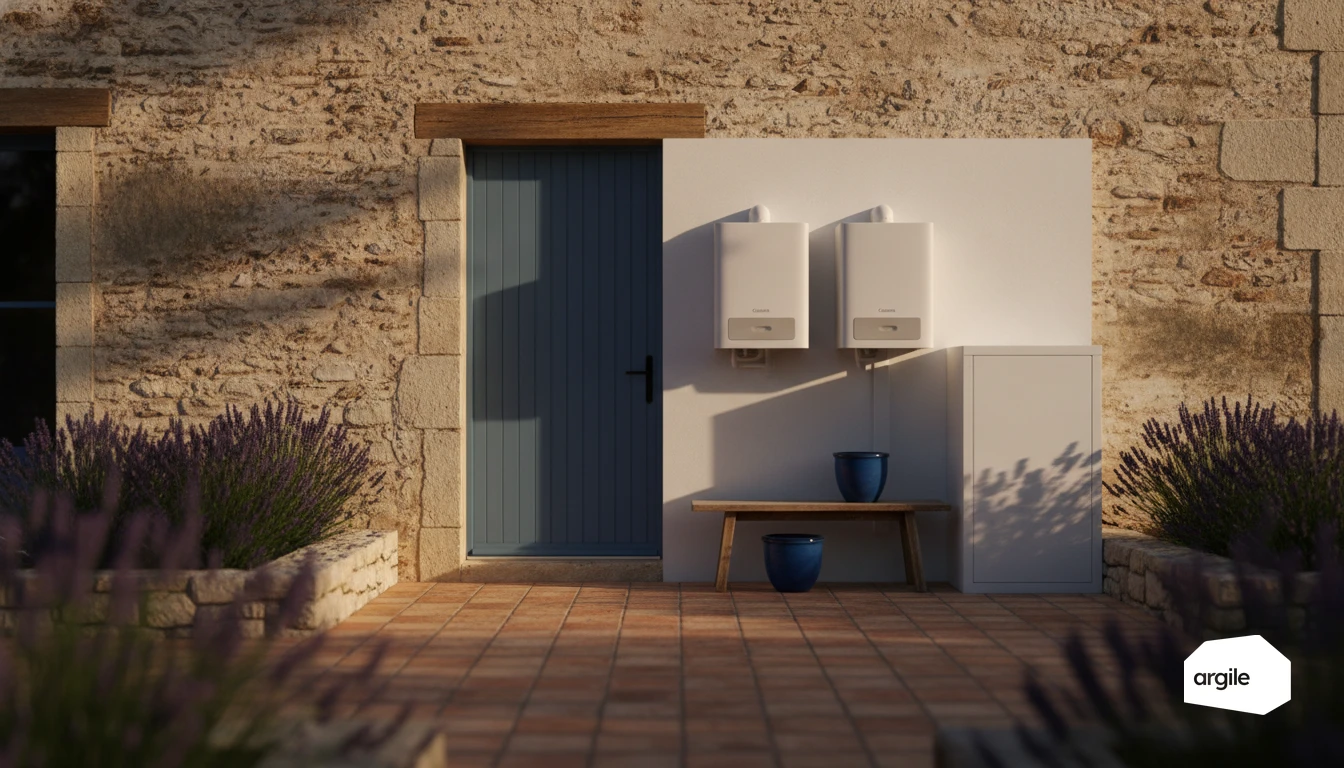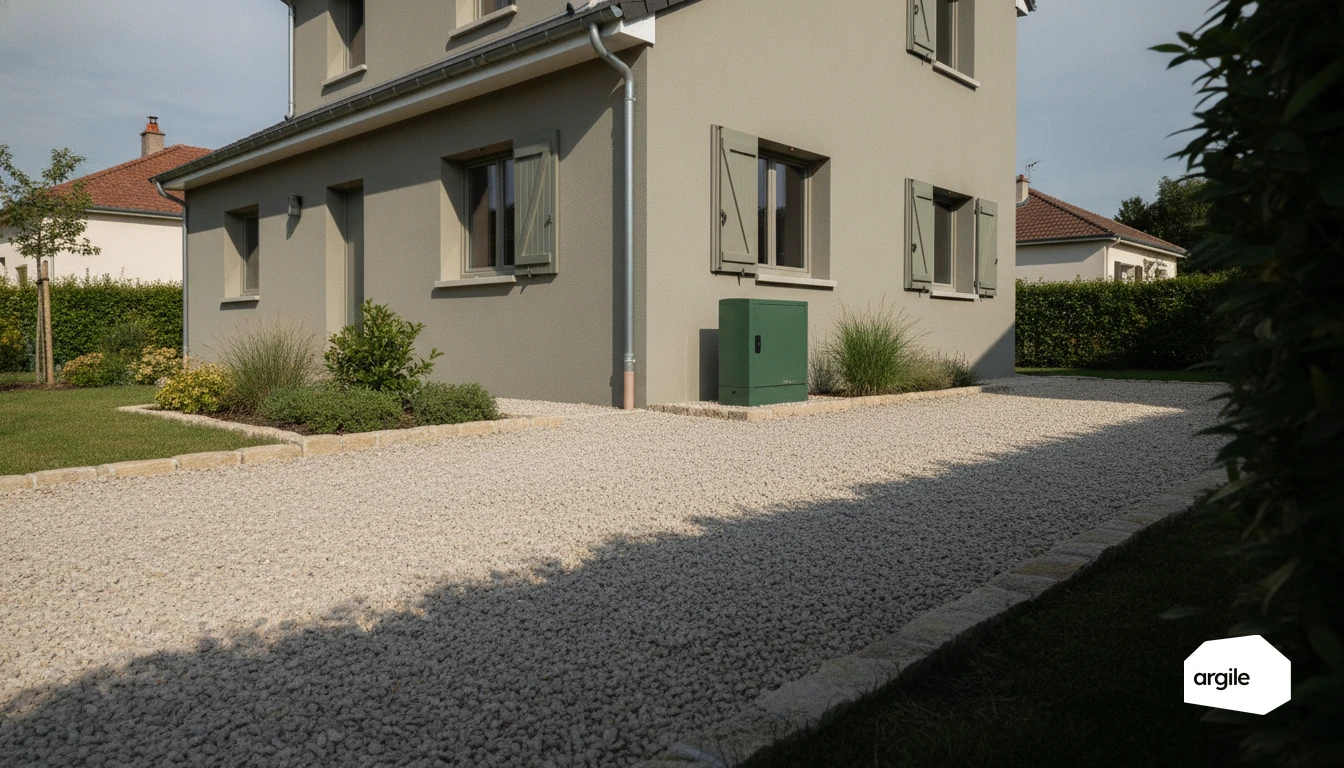
Green gas means biomethane, that is anaerobic digestion biogas purified, odorised and then injected into the existing distribution network. Biomethane costs €0.10 to €0.15/kWh to produce, which puts it above fossil natural gas and explains why it is blended into the network rather than sold as a separate product. For the firm working at the client's premises, green gas changes nothing about the installation: same pipework, same pressure, same odorisation, and a recent boiler takes it without adjustment. What still has to be dealt with on site is the building, ventilation, flue discharge and tightness of the pipework, not the molecule flowing through the pipe.
Biogas: what are we really talking about on site and in the regions?
Anaerobic digestion, biowaste, wastewater treatment plants: the main sources of biogas
On the ground, biogas mostly comes from the anaerobic digestion of organic matter. It is produced in agricultural units (slurry, manure, crop residues), but also from local authority and food-industry biowaste. Wastewater treatment plants also generate biogas through sludge digestion. These are often regional projects, designed to make local use of what used to be waste.
From raw biogas to biomethane: purification and injection steps
Raw biogas contains methane, but also CO2, water vapour and traces of sulphur compounds. To obtain biomethane, it goes through purification, then odorisation and quality control. It can then be injected into the gas network, or used on site for cogeneration depending on the chosen setup.
Green gas, biomethane, bioCNG: clarifying the terms to explain them properly to clients
In conversations with clients, "green gas" is a generic term. Biomethane is purified biogas, compatible with the network. BioCNG is that same biomethane, compressed, for use in vehicles. With these simple terms, you avoid misunderstandings and keep the project on track.
Green gas and the network: how biomethane fits into existing pipelines
Injection into the network: entry points, metering and quality control
Biomethane, produced from purified biogas, arrives at the injection point connected to the network. Before the valves are opened, volumes are measured, the injected energy is estimated, and quality is continuously monitored to stay within the specifications of the distributed gas.
Pressure, odorisation, safety: what changes (and what doesn't) for end uses
Once injected, it blends with natural gas in the pipelines. For the end user, nothing changes on the equipment side. Pressure levels, odorisation and safety rules stay aligned with those of the gas network, with the same monitoring and cut-off devices.
Distribution and transport networks: who does what, and where the tradesperson fits in
Distribution handles injection and local supply. Transport handles the main trunk lines. The tradesperson sits on the building side. They secure the installation, check ventilation and flue evacuation, and remind the client that green gas travels through the same pipes.
In 2026, which uses of biogas are really driving the gas network?
Heating homes: boilers, hybrid heat pumps and green gas compatibility
In renovation, biogas mainly boosts heating uses when you keep an existing radiator network and boiler room. A recent boiler accepts green gas with no adjustment needed. The hybrid heat pump is often the most flexible pairing: the heat pump covers everyday demand, and the gas boiler takes over during cold snaps, a split decided when sizing the hybrid.
Heat for commercial and industrial use: continuity of service and power constraints
For hospitality, kitchens, industrial processes and steam, gas remains popular for its power and continuity of supply. Injected biogas is consumed "just like gas". The bottleneck is network access and the sizing of connection points, more than burner technology.
Mobility: the role of bioCNG and its impact on the balance of the local network
BioCNG mainly drives the network where fleets (refuse trucks, buses, vans) run every day. A filling station can create strong local demand, often at night. Well managed, this consumption can smooth out network use, provided capacities and seasonal heating peaks are anticipated.
Economics, grants and the 2026 framework: what to watch before proposing a green gas solution
Tariffs, contracts and traceability: guarantees of origin and "green gas" offers
Since the end of regulated tariffs, the price depends on the contract (indexed or fixed) and its revision clauses. A "green gas" offer usually relies on guarantees of origin. Check the registry, the year of production and the cancellation of certificates to limit double counting. Aim for clear traceability rather than a vague promise.
Retrofit funding: where biogas sits against ECO4, the Boiler Upgrade Scheme and certification
In 2026, funding is mainly earned on works that durably reduce energy needs. Green gas can complement a strategy, but files are built measure by measure. Play on what the schemes fund best (insulation, controls, ventilation, sometimes the heat generator) and keep an up-to-date registration for the work concerned, TrustMark and PAS 2030:2023 on a funded retrofit, MCS on a heat pump. For more on the possible combinations, see this practical guide.
Regulation and connection: lead times, studies and responsibilities between parties
If the project involves a gas connection or a change in capacity, plan for the studies and lead times. The distributor (GRDF or a local network operator) manages the network and commissioning. You manage the internal installation and the checks. Settling these roles early avoids imposed delays at the end of the job.
Selling argument on the ground: how to sell biogas without overselling, and protect your quotes
Carbon footprint and energy independence: real benefits, limits, and when to hold back
Biogas (biomethane) has a simple benefit to explain. It can reduce the carbon footprint of a gas use, without changing the equipment. Limits to state upfront: it is not energy independence. The client stays dependent on the network and the supplier, through a "green gas" offer and its guarantees. Hold back if the home is an energy sieve or if a system change is already planned in the short term.
Assessing the existing installation: points to watch (ventilation, flue evacuation, tightness)
Before talking about a subscription, secure the ground first. Check the air inlets and mechanical ventilation, the condition of the flue, the draught and the connections. Check gas tightness across the whole internal network. A solid quote also reminds the client of the servicing obligations and the compliance of the flue evacuation.
Answering objections: price, availability of green gas, and the future of the gas network
On price, offer options: 0%, 20% or 100% "green". On availability, explain the principle: the gas delivered is a blend, but the offer funds an equivalent volume of injection. On the future, stay factual. The network is evolving. Your role is to propose a coherent solution today, without promising a single scenario for tomorrow.