Understanding gas's place in 2026: uses, constraints and market signals
Heating, hot water, cooking: where gas still shows up on site
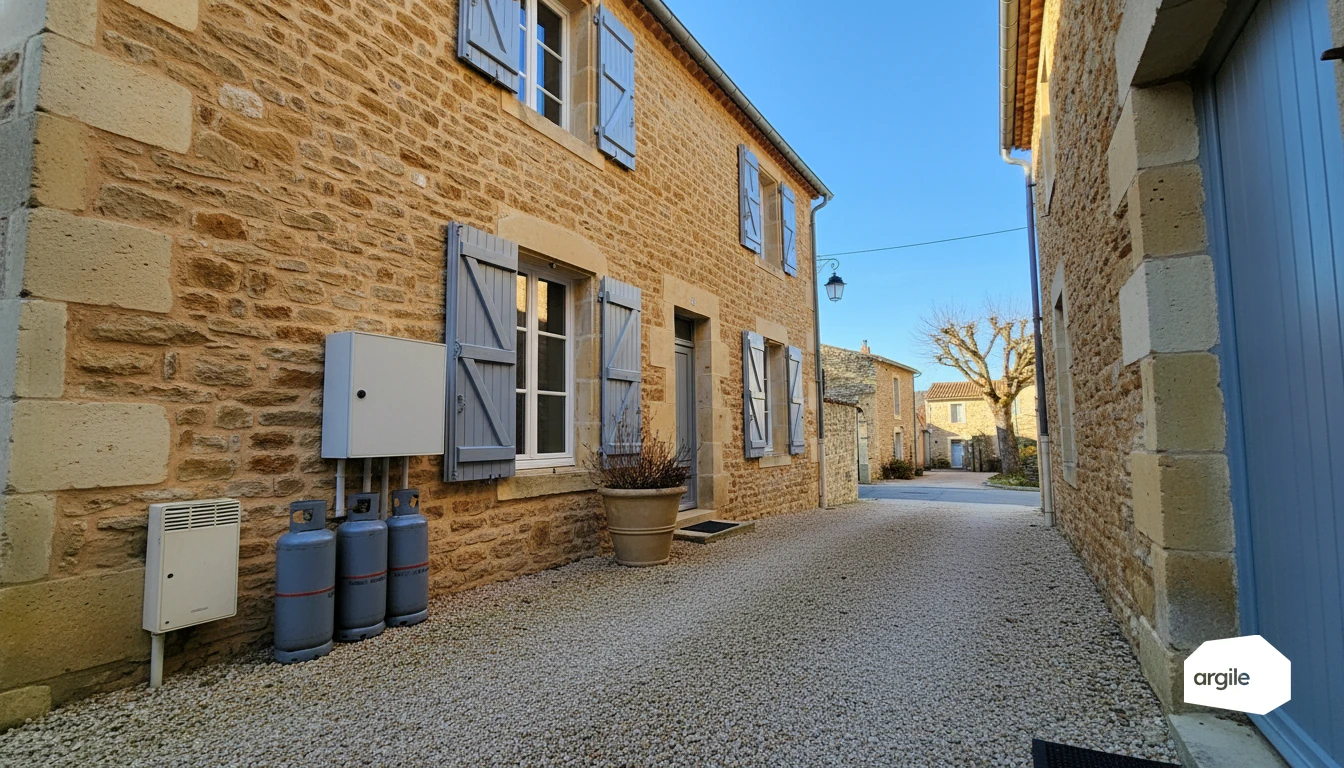
In 2026, gas remains very present in older homes and collective buildings. It's mostly found in heating and hot water, with boilers that are sometimes recent but not always well tuned. In the kitchen, gas keeps its fans. On some job sites, demand is shifting towards hybrid solutions, for example a heat pump backed up by a boiler, where the network already exists.
Regulations and requirements: what's changing for your job sites in 2026
In new-build, the Building Regulations are making gas-only projects increasingly difficult, especially for houses. On the funding side, public support clearly favours low-carbon equipment. As a result, the gas boiler has less backing. On existing buildings, your points of vigilance remain ventilation, flue gas evacuation and annual servicing by a Gas Safe registered engineer.
Prices, supply and acceptability: the factors shaping clients' decisions
Clients weigh up their bill, comfort and perceived risk. Since regulated tariffs ended, offers have been changing fast. Add in uncertainty over prices and upcoming rules, and gas becomes a more debated choice. Biomethane reassures some, but the comparison with electricity and heat pumps remains decisive. To go further, see our overview of biomethane.
Gas decline: realistic scenarios for the network and their impact
Dense urban areas vs rural territories: different network trajectories
In city centres, the gas network can stay relevant for apartment buildings, hybrid solutions and biomethane injection. The trajectory points more towards a gradual drop in volumes than sudden cut-offs. In rural areas, low density makes every metre of network more expensive. Targeted exits by sector then become more realistic.
The end of all-gas in new-build: consequences for renovation and boiler replacement
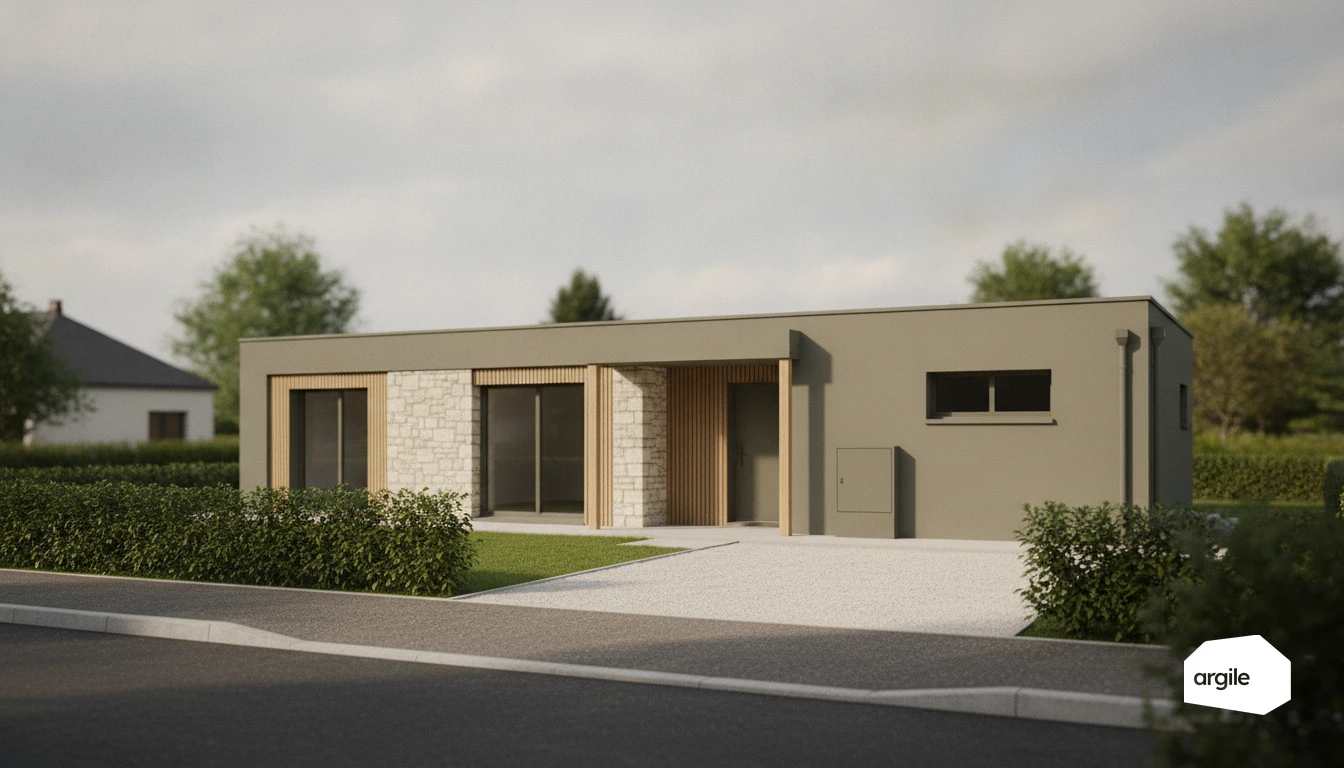
With the Building Regulations tightening, new-build is shifting towards electric, solar and heat networks. In renovation, the result is fewer new connections and more replacements on existing systems. For a boiler at the end of its life, heat pumps, hybrid heat pumps and work on emitters to move to low temperature are on the rise, projects to size on the heat pumps' actual output.
Risks to anticipate: network under-use, costs and user expectations
If consumption drops faster than unsubscriptions, the network becomes under-used and tariffs can rise. Users expect visibility on timelines, connection or removal costs, and replacement solutions. Get ahead of it with an audit, phased works and coordination with the network operator.
Network repurposing: biomethane, renewable gases and new uses
Injected biomethane: potential, limits and local feedback
Injected biomethane turns agricultural and food waste into local gas. The potential is real when the feedstock and the network are close together. The limits are well known: connections can take a long time, injection capacity is constrained, and purifying biogas needs heat. Field feedback shows that consultation and control over inputs make the difference.
Hydrogen in pipelines: what's possible, what isn't (for now)
Putting hydrogen into the gas network isn't a simple fuel swap. Low blending ratios are being tested. But appliance compatibility, metering and certain materials remain sticking points. In the short term, hydrogen is more geared towards dedicated loops or industrial uses.
Renewable gases and industry: towards a specialisation of uses
In 2026, the idea is gaining ground: reserve renewable gases for needs that are hard to electrify.
- high temperature in industrial processes
- raw material for chemicals and fertiliser
- flexibility and backup on critical sites
Energy transition: how tradespeople are adapting and securing their business
Offering credible alternatives to gas: heat pumps, hybridisation, solar thermal, insulation
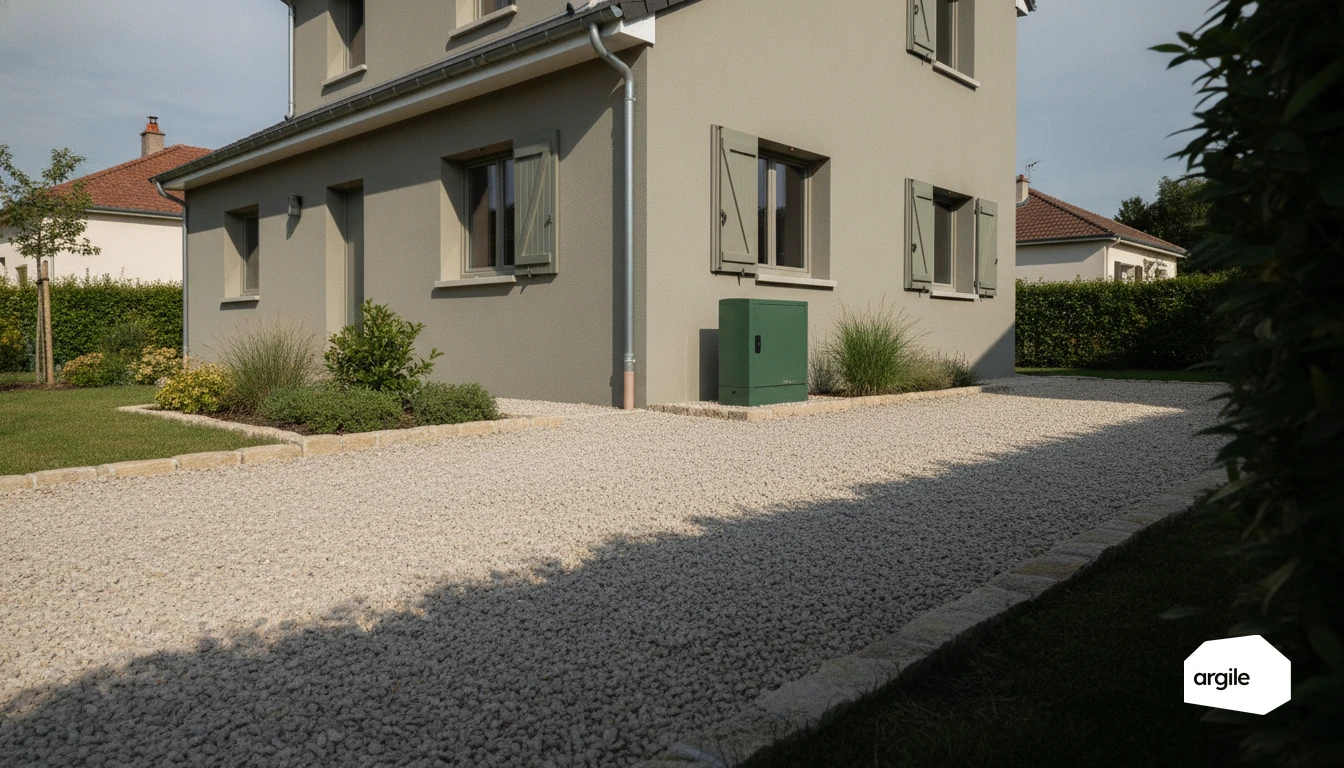
When a client hesitates to let go of gas, the tradesperson benefits from presenting a clear package. Air/water heat pump for most homes, hybrid heat pump where the network and uses justify it, solar thermal for hot water, and insulation to reduce the power needed. A clear, costed proposal with a few scenarios turns the discussion into solid solutions.
High-performance renovation: pairing insulation work with a system change
Changing a boiler without treating the envelope is like putting a new engine in a car with holes in it. In 2026, the job sites that work best combine loft or wall insulation and airtightness, then system replacement. The result: properly sized heat pumps, fewer breakdowns, more comfort. Also think about ventilation, often the key to a healthy home.
Funding and certification: the Boiler Upgrade Scheme, ECO4, MCS... points of vigilance in 2026
To protect your margin, lock down the paperwork. Both routes require work that meets the specification, detailed quotes and invoices, and evidence (photos, product references). On the certification side, MCS for a heat pump and PAS 2030:2023 for a funded retrofit must cover the work carried out and stay current. A tidy file avoids clawbacks, blocking audits and disputes: see also securing your applications.
Client advice and job-site strategy: deciding methodically based on the building and the network
Quick diagnosis: assessing the building, the emitters and gas's place
3 checks before talking about replacement. Insulation level, emitter temperature, available electrical power. Identify the gas boiler, its age, the duct, and whether gas is also used for hot water or cooking. This helps you avoid an oversized heat pump or a simple replacement that solves nothing.
Common cases: co-ownership, single-family home, collective boiler room
In co-ownership buildings, start by distinguishing individual heating from a collective boiler room. Façade, noise, outdoor space and the electrical network matter fast. Aim for realistic solutions. Hybrid heat pump, collective heat pump, connection to a district heating network, or first controls and balancing before major works.
A simple pitch: explaining the future of gas and the transition without worrying clients
Explain without alarm that in 2026 gas remains a viable energy source in existing buildings, but that rules and grants are pushing towards lower-carbon systems, especially in new-build and whole-house renovation. Your role is to organise a step-by-step transition. First reduce needs, then choose the energy best suited to the building and the local network. To go further, see lower-carbon systems.