
Louis Airy
COO of Argile
151 articles published
Louis is COO of Argile. After four years in strategy consulting and close to two as chief of staff in home adaptation and reuse, he joined Argile in March 2024. In daily contact with certified renovation companies, he follows French energy saving certificates, renovation subsidies and reduced VAT, and signs the blog's compliance content. He reads each decree and standardised operation sheet as it is published, and revises the affected articles when a rate changes rather than waiting for the next overhaul. What he writes is what he then checks against real quotes.
Subjects covered
Their articles
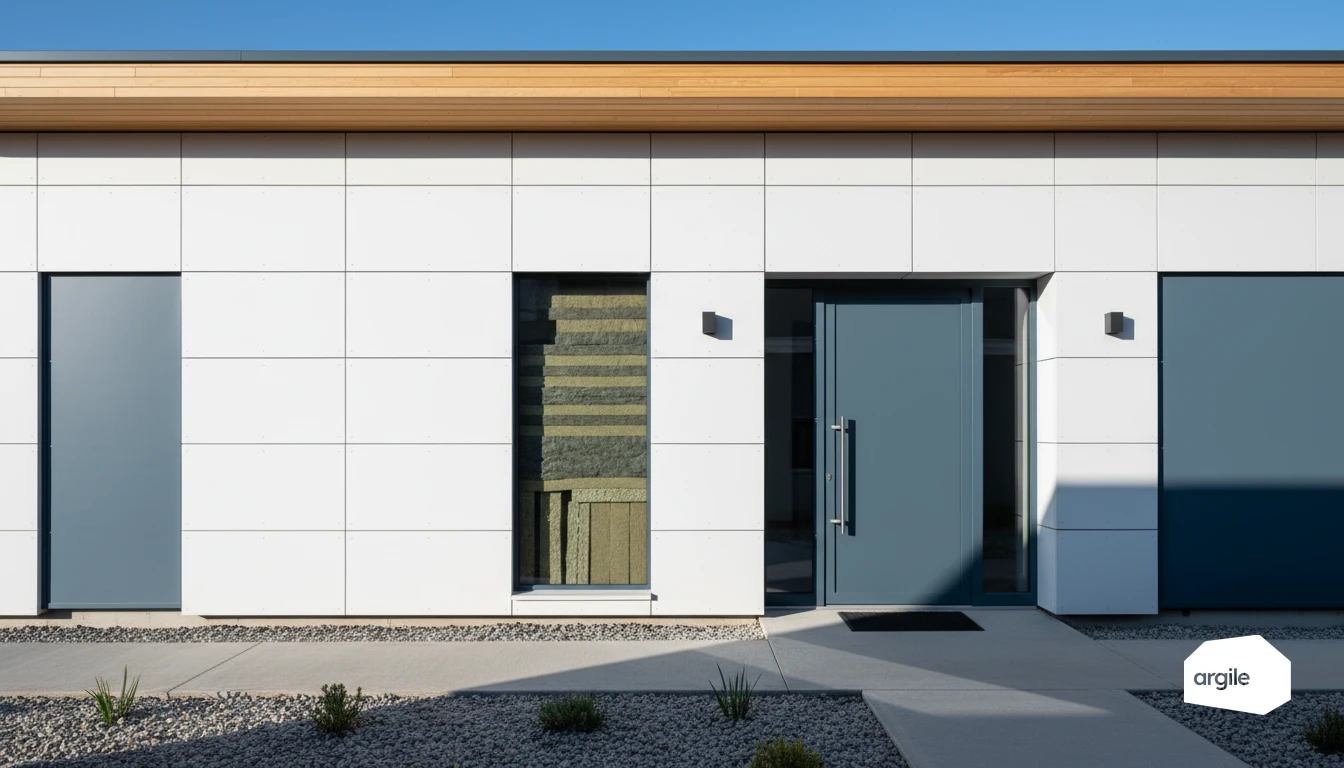
Thermal conductivity sets the thickness you have to install to reach a given resistance, and it is the one product figure that feeds straight into the energy assessment. It still has to be evidenced: without proof of the insulant’s resistance, the assessment method falls back on a default lambda that wipes out the performance of what you actually installed. Here are the orders of magnitude by family, the matching thickness, and what to write on the quote so the real lambda is the one that counts.
5 min read

On site, your work speaks for itself. Online, it's mostly customer feedback that makes the difference, even before the first phone call. When reviews are well collected and well displayed, they reassure prospects, cut down on "just looking" quote requests, and help you close deals faster without discounting your prices.
5 min read

When you're lining an interior wall, the real challenge is choosing a solution that installs quickly, stays sound over time, and avoids bad surprises with moisture. Bonded insulated composite panel or stud-framed partition, each option changes how you handle services, plumb lines and thermal bridges. With the right method, you save time on site and secure the final performance, without unnecessary extra thickness.
5 min read

Once a job is done, it doesn't all stop at the final finish. A call at day 7, then a simple check-in at 3 months, is often enough to defuse minor issues and show that you carry quality through to the end. The result: reassured clients, more referrals, and fewer disputes dragging on.
5 min read
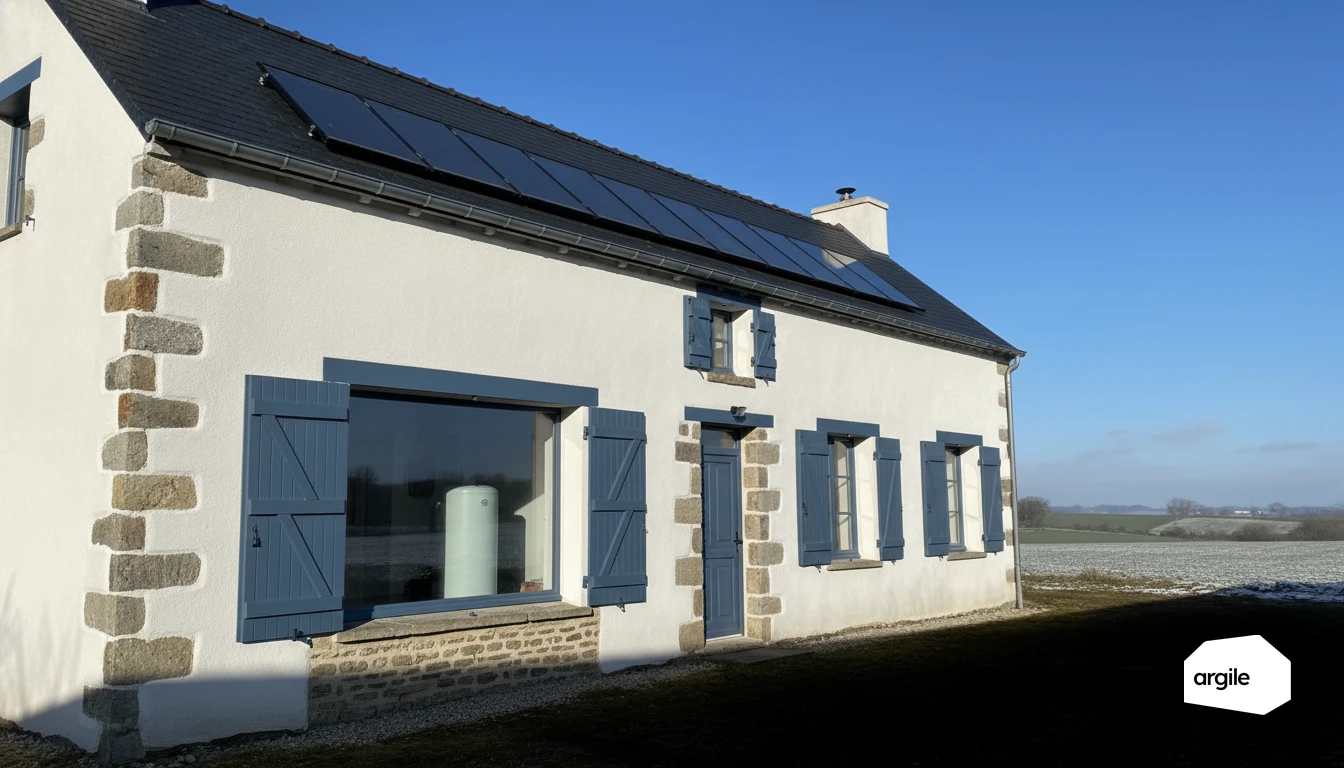
When a client wants to heat the house and produce hot water with the same installation, you're the one who has to quickly separate promises from job-site reality. With the right configuration, you can aim for concrete savings on the bill, without complicating maintenance or overloading the boiler room. Here's a rundown of the choices that really matter, from sizing to connection.
5 min read

In your energy retrofit projects, saving time should never come at the expense of quality. When files pile up one after another, well-tuned advanced features can make your calculations more reliable, smooth out exchanges and secure your deliverables. The idea is simple: help you move faster while keeping full control over every technical choice.
5 min read

When you're managing a building, every dwelling counts, and so does time. Centralising the information, tracking the work, and keeping a clear view of the units saves you from oversights, back-and-forths, and clients chasing you for updates. With simple organisation, you gain fluidity on the job, without losing your professional standards.
5 min read

On a job site, every minute counts. With an app on your phone, you take measurements, snap photos, note the warning points, and prepare a clean diagnosis without chasing after a notebook or a laptop. The result: standardized site visits, secured recommendations, and time saved on follow-up, from the first survey through to the quote.
5 min read

Between an internal lining and a continuous external envelope, the performance threshold does not move: Approved Document L asks for the same renovated wall U-value either way. What moves is façade access, junction detailing, moisture behaviour inside the wall and the floor area you take off the client. The method is decided at the survey, not in the catalogue.
6 min read

When an on-site survey has to be accurate to the centimetre, every extra visit costs money. With 3D capture, you get a reliable base in a single visit to measure, verify the existing structure and prepare your work packages without guesswork. The result is more secure quotes, better-coordinated trades, and time saved from the diagnosis stage onward, without loading up your schedule.
5 min read

On a heating network, what diffuses heat into the rooms can save time, or waste it, even with a well-tuned generator. As a tradesperson, you can improve overall efficiency by working on the flow temperature, balancing and exchange surface, without adding complexity on site. A few simple choices are often enough to reduce return temperatures that run too hot and to stabilise comfort.
5 min read

On the ground, you see it every day. Every new project nibbles away a bit more space, while existing buildings wait for a second life. By betting on renovation, you meet demand, secure shorter timeframes, and add value to what already exists with concrete solutions: insulation, ventilation, efficient heating. It's also a strong argument with project owners. Less ground footprint, more usability, and a project that's more locally acceptable.
5 min read

Your clients want shade in summer without giving up garden space. Adding solar panels to a lightweight structure near the house creates a pleasant outdoor living area and an electricity output that shows up on the bill right away. What remains is to secure the siting, waterproofing and grid connection for a clean, profitable job.
5 min read

Radiant ceilings have no unified installation code. The plasterboard electric version is governed by a CSTB technical prescriptions guide, and the hydraulic version by a technical approval issued system by system. The figures that bind you are therefore in those documents, not in a general standard, and they look nothing like underfloor heating figures. Here they are, and here is when the ceiling genuinely beats the floor.
5 min read

The path to 2050 is also decided on your job sites. Between insulation, heating, ventilation and control, you can turn a "standard" renovation into a genuine, measurable gain, without complicating the project for the client. The challenge is choosing the right work packages, in the right order, to durably cut emissions and bills.
5 min read

When your clients switch to wood heating, they want something concrete from you. With reverse combustion, the gain comes down to two things you control. Wood quality and air adjustment. By setting these parameters right from installation, you secure a high efficiency and cleaner flue gas, without vague promises.
4 min read
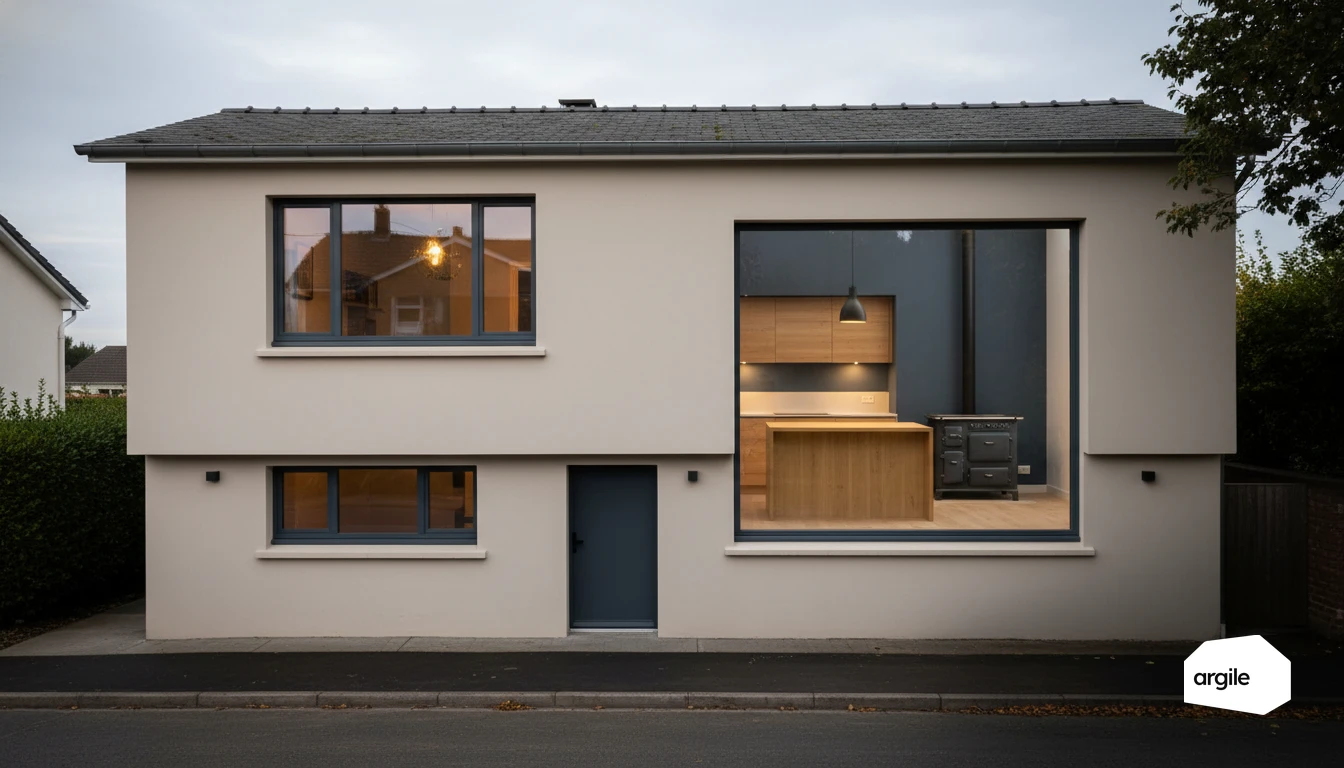
At your clients' homes, a wood-fired cooking appliance can do double duty. It's a real plus when they want steady heat, a simple backup in case of a power cut, and daily use without multiplying equipment. With the right installation and safety habits, you turn a 'practical' request into a clean, durable, value-adding job.
4 min read

On a job site, a few well-placed signs quickly head off neighbours' complaints, and above all trouble in the event of an inspection or accident. As a tradesperson, it's in your interest to organise visible information as soon as you arrive on site, to secure access, prevent risks and display what's legally required. It's simple to set up, and it saves you time, not the other way round.
5 min read

When the temperature drops, defrosting becomes the little pause that can make a client uneasy. As a tradesperson, you have everything to gain by simply explaining what's happening, when it's normal, and how to limit the loss of comfort and efficiency. With the right settings and a careful installation, winter stays a season of results, not surprises.
5 min read

In a T1 studio, every square metre counts. As a tradesperson, you can gain comfort without sacrificing space, by combining well-targeted insulation, controlled ventilation and compact equipment, from correctly sizing the heat pump to a smart tank. With a clear method and suitable choices, you deliver a result that performs, lasts, and is easy to explain to the client.
5 min read

Between monobloc and bibloc, it is not efficiency that decides but the job itself: a monobloc puts water outdoors and spares you any work on the refrigerant circuit, a bibloc keeps the water inside but requires refrigerant handling credentials and a properly executed refrigerant install. The rest, frost, acoustics, maintenance access, is recorded on the technical visit and written into the quote.
5 min read
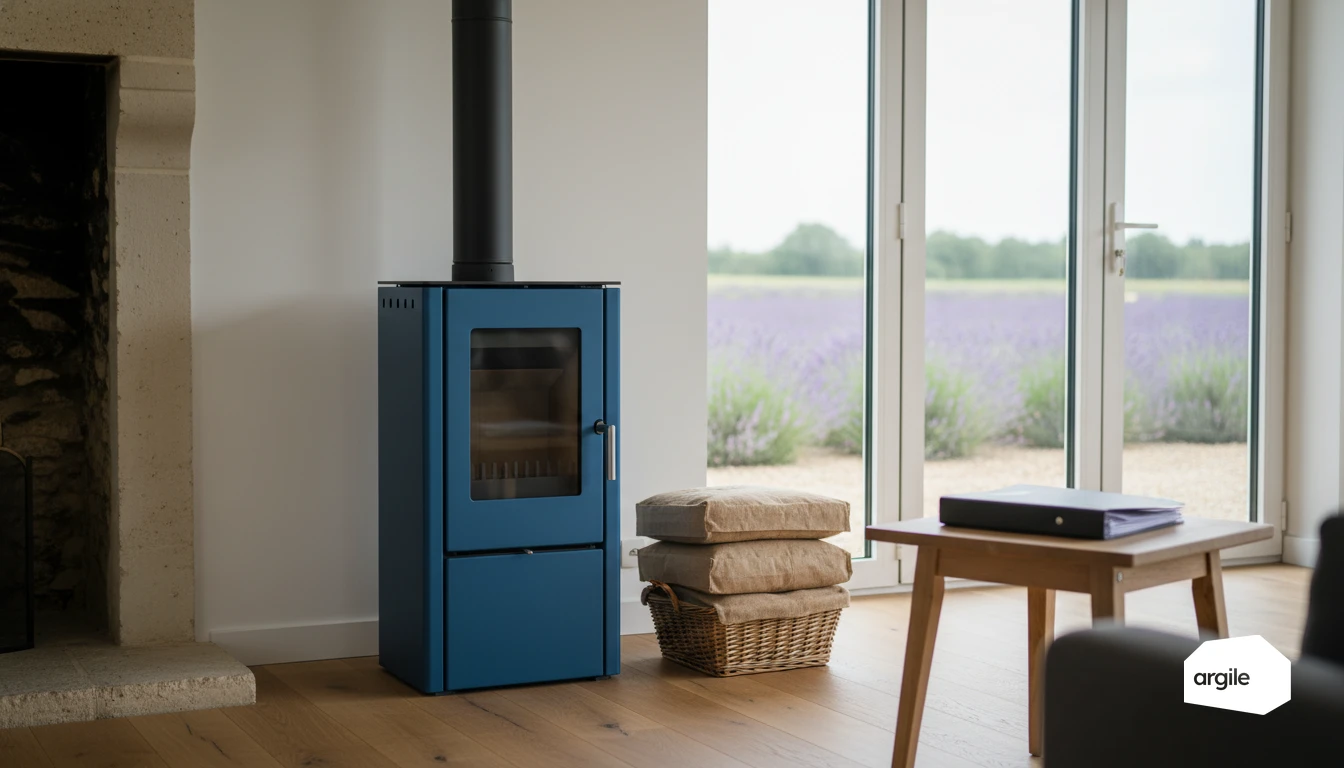
On the ground, a good pellet heating appliance often comes down to three simple points: the right output, a well-thought-out air intake, and maintenance planned ahead to avoid callbacks. By asking the right questions right from the quote (actual demand, flue constraints, bag storage), you secure the customer's comfort and your margin, without spending your evenings on it. Let's sort through it together, step by step, to choose confidently based on the home and how you install.
5 min read

No text ranks scroll above rotary, and no standardised data compares the two technologies against each other. What can be compared is the seasonal space heating efficiency under EU Regulation 813/2013, the declared sound power level, and the refrigerant charge, which on its own decides your checking obligations. Here is what you record, what you write on the quote, and what carries your liability.
5 min read
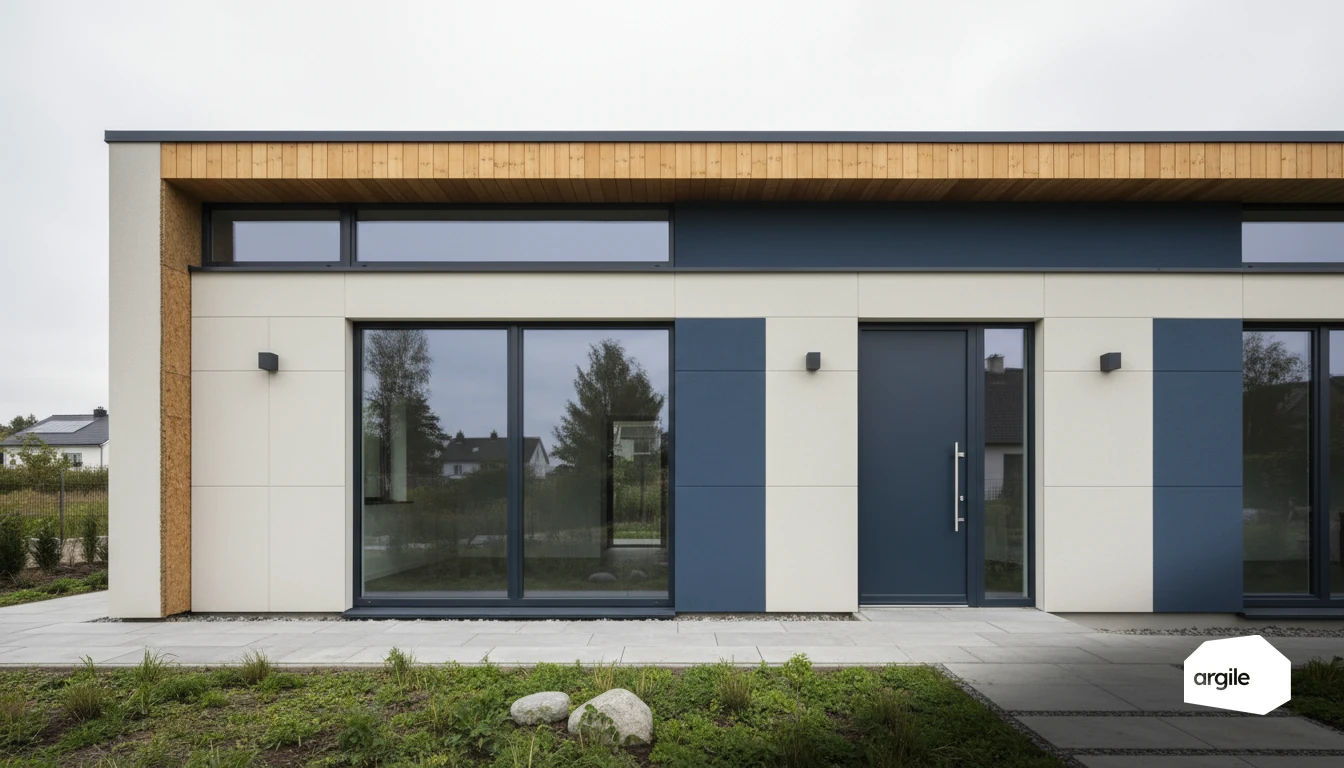
On site, you're looking for insulation that holds up without piling on precautions. A bio-based material in granules or panels can simplify installation, especially for interior lining, under screed, or for acoustic correction. The goal is simple: consistent performance, sound moisture management, and a durable result, without the headaches.
5 min read

In winter, your clients don't judge a renovation by the thickness of the insulation, but by what they feel room by room. As a tradesperson, you can secure the result by relying on a few simple adjustments, even before talking about the work itself, to gain usable heat and limit cold spots. That means a more legible job for the client, and reviews that feel good to read.
5 min read

A micro-storage combi is not compared on a flow rate quoted in litres per minute, it is compared on the load profile declared under Regulation (EU) No 814/2013 and the reference energy Qref that goes with it, from 2.100 kWh for an S profile to 5.845 kWh for an M profile. And the temperature setpoint is not a free choice: the French order of 30 November 2005 imposes a floor of 50 °C at every point of the distribution. Here is how to size on figures rather than on an impression of comfort.
5 min read

A gas boiler pilot light is not a trimming detail, it is a permanent load that the French 3CL-DPE 2021 method puts at between 100 and 240 W depending on the type and age of the appliance. Running continuously, that comes to 880 to 2,100 kWh NCV a year, before the first call for heat. Here are the default figures you can stand behind, the meter-reading method, and the NCV/GCV conversion that stops you being out by a factor of 1.11 between the data plate and the bill.
6 min read

The pressure of a sealed circuit is set cold, from the water column height of the building, then checked hot to validate the expansion vessel. That check is one of the mandatory service points on a heat pump connected to a water loop. This article gives the setpoint table by height, the cold-to-hot reading and the diagnostic tree for a drifting gauge.
5 min read

On a job, heat is often the item that weighs heaviest in the carbon footprint. When a neighbourhood is supplied by a network, your role is to check what's actually behind the substation and steer the client towards the right settings, at the right time. Wood energy, heat recovery, geothermal, gas top-up — the mix is evolving fast and it's changing how you size, balance, and control an installation. By understanding the sources used and their constraints, you secure performance and gain credibility when questions about decarbonisation come up.
5 min read
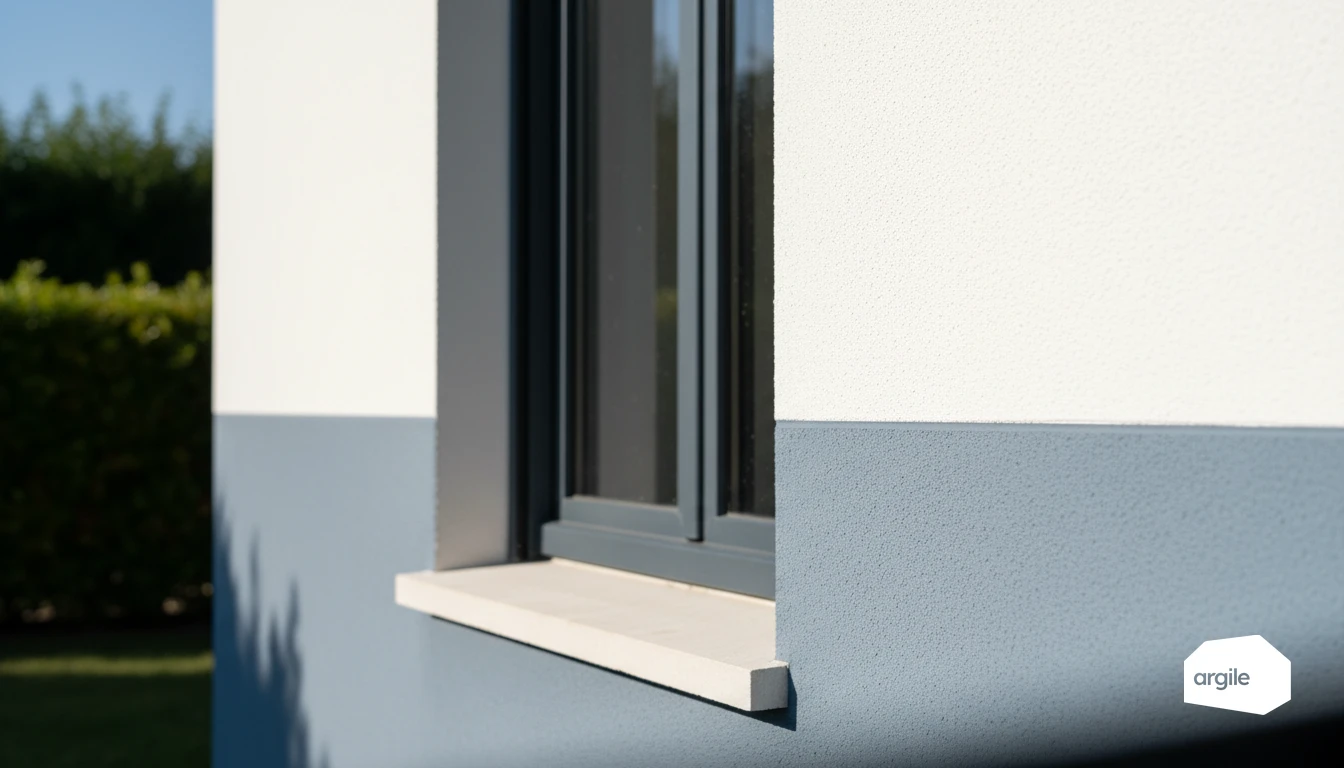
Past a certain scope, pairing a facade renovation with external insulation stops being a commercial opportunity and becomes a duty. Article R. 173-4 of the French construction and housing code treats a renovation touching at least 50% of a wall, excluding openings, as major works, and that classification forces you to insulate. Here is the threshold, the exemptions, and the two thermal resistances that do not say the same thing.
5 min read
Reveal your expertise
One demo, and you see your expertise proven.
Contact us
