
Louis Airy
COO of Argile
151 articles published
Louis is COO of Argile. After four years in strategy consulting and close to two as chief of staff in home adaptation and reuse, he joined Argile in March 2024. In daily contact with certified renovation companies, he follows French energy saving certificates, renovation subsidies and reduced VAT, and signs the blog's compliance content. He reads each decree and standardised operation sheet as it is published, and revises the affected articles when a rate changes rather than waiting for the next overhaul. What he writes is what he then checks against real quotes.
Subjects covered
Their articles

When the job site switches into winter mode, your installation can quickly fail you at the worst moment, and that's where you save time by planning ahead. Between antifreeze protection and a condensate pan heater, the idea is simple: secure the drainage and avoid failures that cost you another callout. By choosing the right solution and taking care with installation, you deliver a reliable system, even when temperatures drop.
5 min read

When a client complains about a room that stays muggy despite the installation, it's often a sizing issue. With a few simple measurements and two or three good field habits, you can quote the right capacity, avoid overspending, and secure comfort in summer as well as mid-season. That saves time at the quote stage, and lets you sleep easy after commissioning.
5 min read

A solar shading overhang is not a façade accessory, it is a near-shading obstruction that assessment methods already know how to score. The French 3CL near-shading factor drops to 0.6 from 1 m of projection and to 0.4 beyond 3 m, and the projection that genuinely shades a 2.15 m opening at the summer solstice depends on latitude, from 1.09 m in Plymouth to 1.37 m in Edinburgh. What follows is what you measure on the survey, what you write on the quote, and what your liability cover answers for at the fixings.
6 min read

Sizing a communal solar DHW installation does not start from the available roof but from the hot water volume consumed in the leanest month. The SOCOL 2021 sheet sets the store volume on that minimum monthly consumption, then derives the collector area through a ratio running from 40 to 100 litres per square metre depending on the third of the country concerned.
5 min read
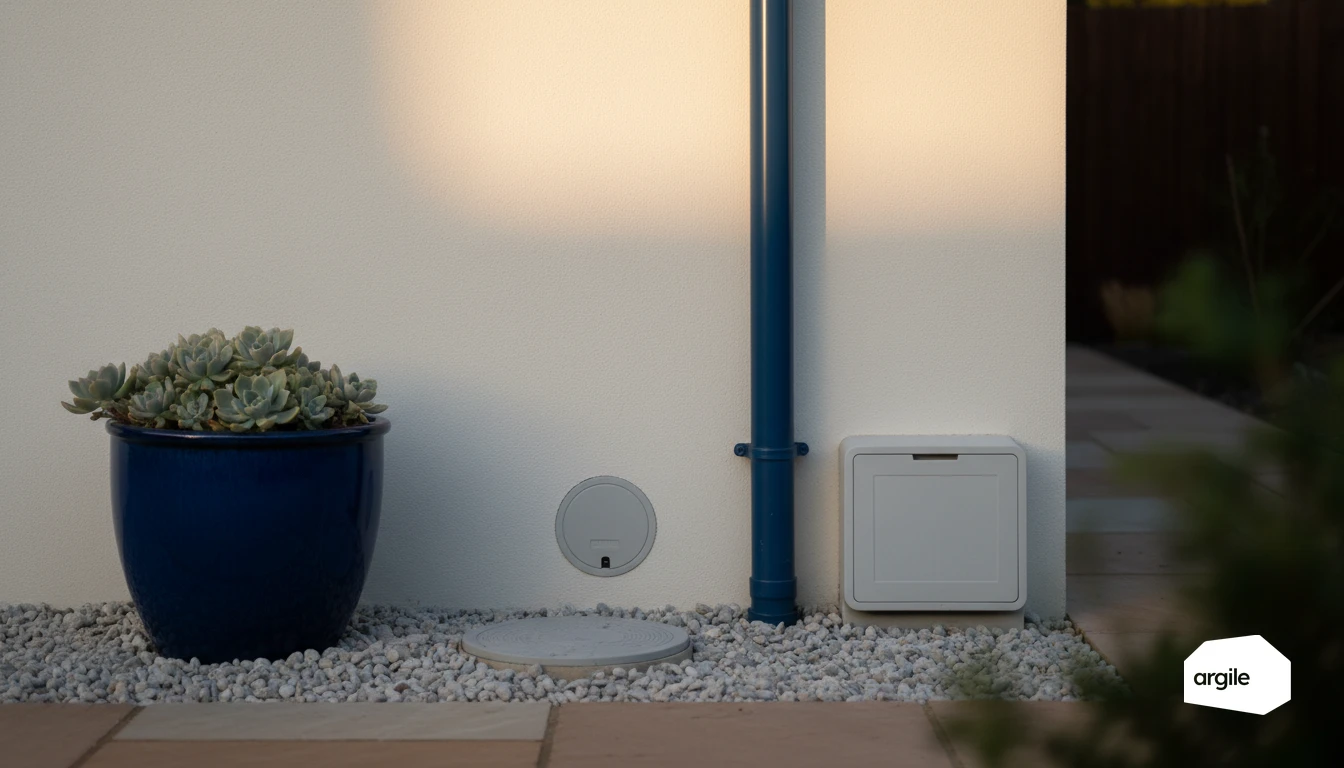
Before starting a renovation, you have everything to gain by checking the state of the wastewater treatment system on site. A well-run inspection avoids bad surprises during earthworks, connections or a sale, and lets you quote accurately from the outset. By clarifying non-compliance points from the start, you protect your schedule and your client relationship.
5 min read

A ground floor over a crawl space is treated from underneath, against the retrofit U-value Approved Document L expects. What decides the price is the clear height under the joists, the state of the substrate and the ventilation of the void, all recorded during the survey. Here are the thicknesses per insulant family, the feasibility conditions to write into the quote and the points that carry your liability.
5 min read
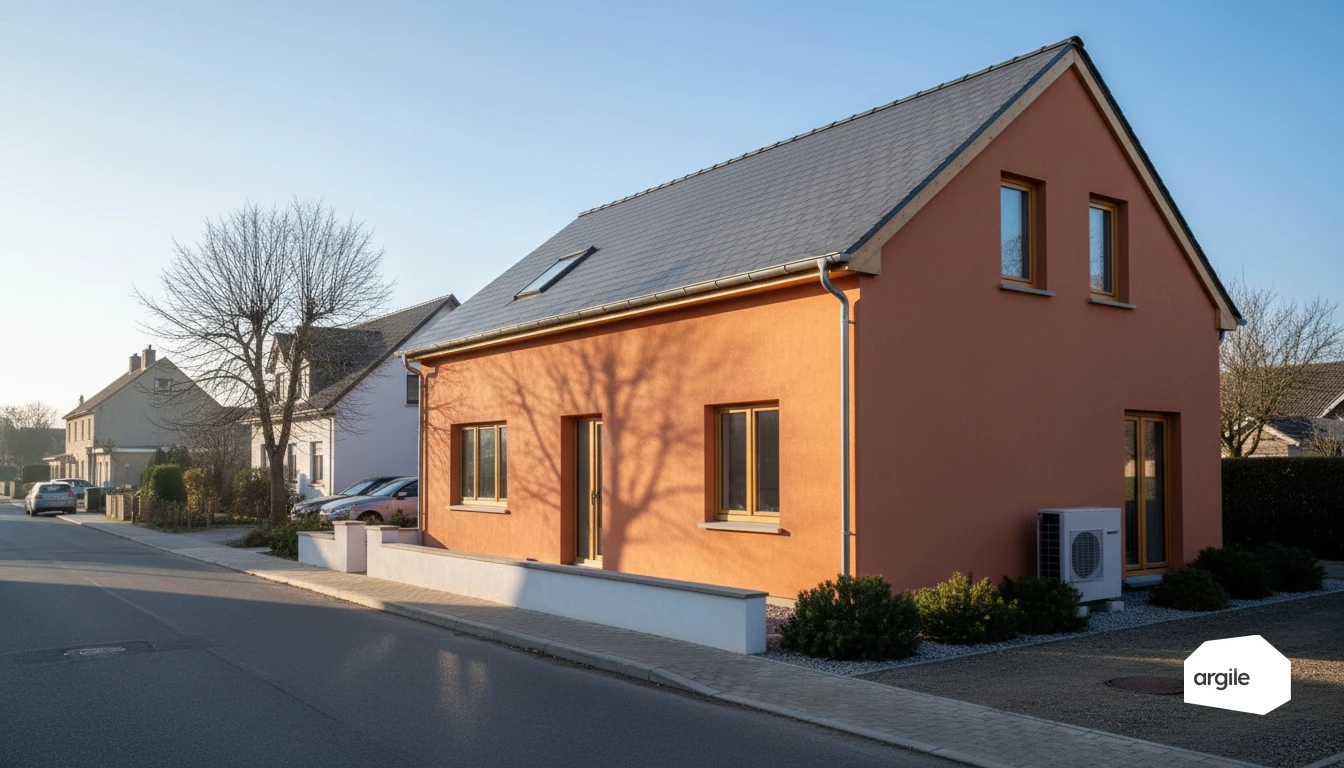
When a client hesitates between heating and insulation, it's often the right moment to propose a winning duo. By combining a properly sized heat pump with external wall insulation, you secure comfort, reduce heat demand, and avoid an oversized unit that disappoints in use. With the right site method, you turn a vague request into a clear, costed, reassuring plan.
5 min read
When the goal is fast, stable hot water with no tank, installation quality makes all the difference. As a tradesperson, you control the points that prevent temperature swings and callbacks: real flow rate, pressure drop, scaling, settings. Here we go straight to practice, so you can size accurately and install cleanly on the first visit.
5 min read

When a heat pump runs year-round, well-executed maintenance avoids silly breakdowns, secures performance, and protects your reputation on site. Between regulatory obligations, leak checks, and useful adjustments, it's well worth setting up a simple routine and tracking it properly. That saves time and leaves less room for callbacks.
5 min read

On site, only an actual measurement settles whether a wall is holding up or dragging down the whole work package. A heat flux meter gives you that figure without dismantling anything, provided you hold to the ISO 9869-1 protocol: 72 hours minimum in stable conditions, more than 7 days otherwise, and convergence within 5 % before quoting a number.
6 min read

When you size insulation or a heat pump, a small coefficient can tip the result. Applied correctly, it helps you estimate heat loss more accurately based on contact with the outside, and avoid job sites that end up under-heated or oversized. In practice, it's a simple benchmark to keep your calculations and quotes reliable, without getting lost in theory.
5 min read

Between the street and the living space, a garage or a conservatory can become a real ally. Well placed, this "in-between" zone cuts the wind, limits temperature swings, and eases the load on the heating system, provided you treat sensitive points like junctions, doors, and ventilation. For you, tradespeople, it's a simple angle to build into the diagnosis and the quote, without adding needless complexity.
5 min read
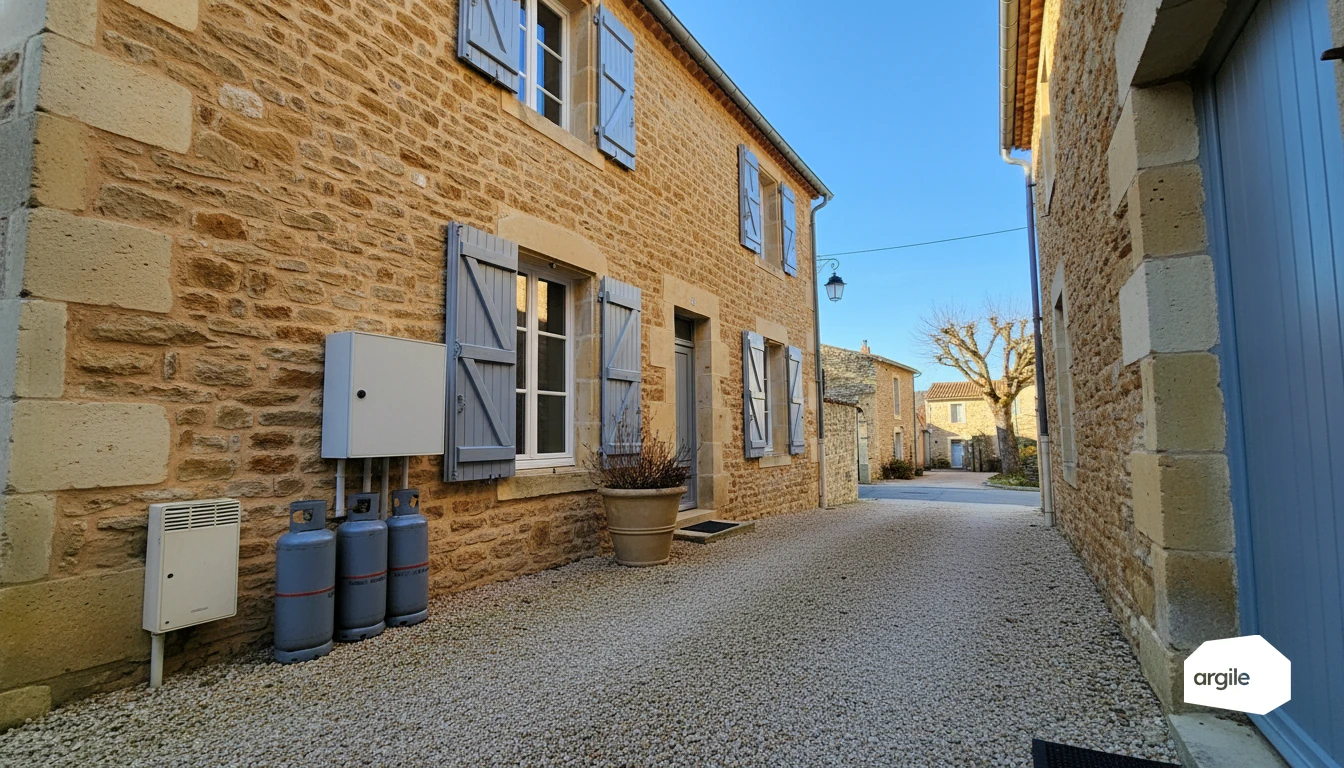
Natural gas, propane and butane are not separated by a vague performance level but by four quantities that drive the hardware: calorific value, density, supply pressure and Wobbe index. Those are what set the injector diameter, the burner pressure and where the storage can go. Here is the reference table and what each gap demands at commissioning.
5 min read

When a fireplace smokes at startup, you see it right away on the job site. By simply changing the order of loading and lighting, you get a steadier flame, less smoke, and glass that stays cleaner. A quick tip to explain to the client, one that adds value to your work and cuts down on "poor draft" callbacks.
5 min read

When your clients ask for 'renewables,' the real question is what that actually changes in the numbers that matter, especially for the carbon footprint and grant applications. Between the actual grid mix, guarantees of origin and hour-by-hour variation, the emission factor can quickly become a trap... or a solid argument. Master two or three simple benchmarks and you secure your calculations while saving time on site and at the office.
6 min read

In a workshop, a warehouse, or a small commercial building, heating quickly and well changes everything. A warm-air generator can be a simple solution if you size it correctly and address the essentials first — insulation, airtightness, zones to heat. Here, we help you choose a reliable, efficient installation that's easy to maintain on site.
5 min read

Flue lining comes down to two documents: the flue-work installation standard for how it is fitted, and the EN 1443 designation of the product you install. That designation, six terms read in order, tells you on its own whether the liner will take the temperature, the condensate, the corrosion of the fuel and a chimney fire.
6 min read
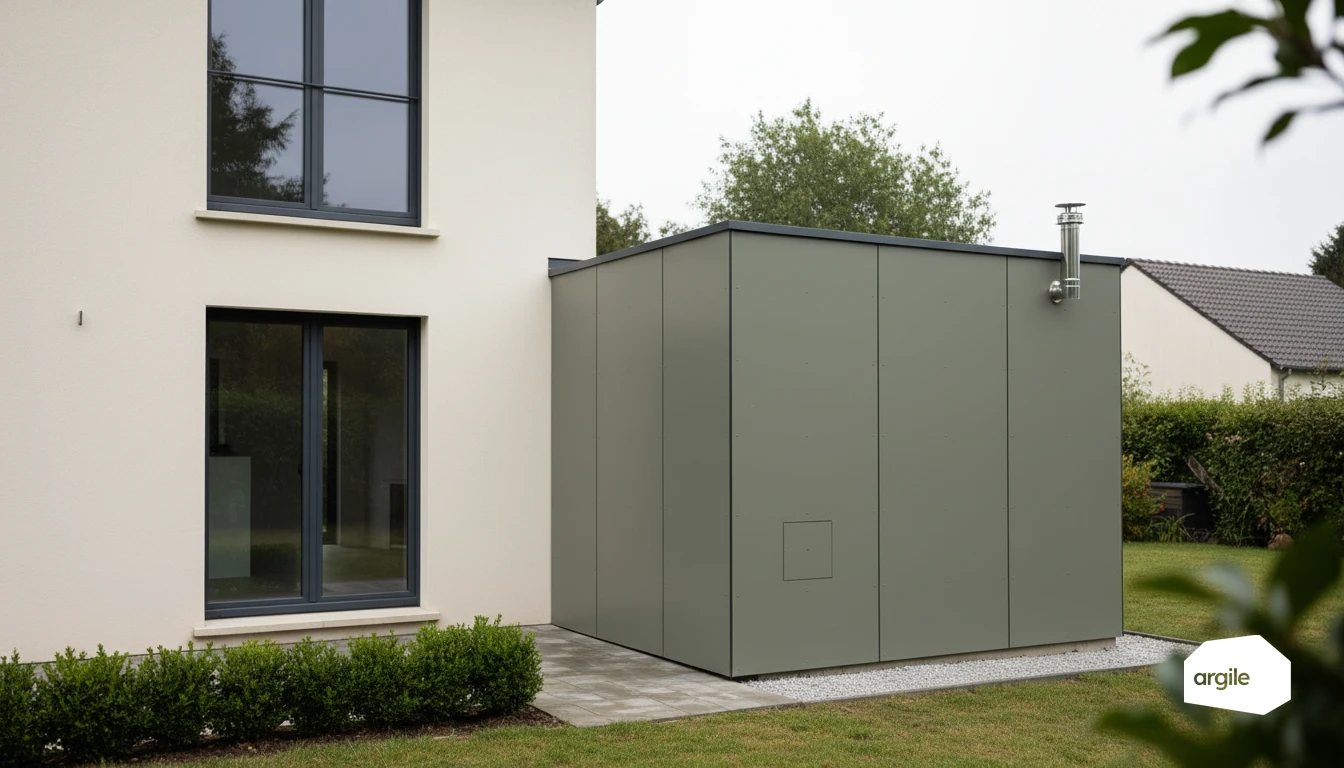
On a collective biomass boiler room, the project calendar is driven by total rated thermal input, not by the boiler maker's catalogue: above 1 MW the plant enters the classified-installation nomenclature and the file comes before the contracts. The rest comes down to the silo, truck access, and the operating contract, three items that decide whole-life cost far more than the price of the boiler.
6 min read

Contrary to what is often written, swapping a convector for an inertia radiator is fundable: certificate sheet BAR-TH-158 covers fixed electric emitters with advanced electronic controls, and sets measurable criteria for drift, amplitude and spatial variation. The gain does not come from emitter efficiency, which is identical either way, but from control quality and sizing.
5 min read

Between quotes, client documents, funding and installation schedules, your days can quickly get eaten up by back-and-forth and duplicated work. When everything is in one place, you track every file without letting anything slip, and the job moves forward with the right information at the right time. The idea is less paperwork, more useful time on site.
5 min read

In 2026, your clients want to lower their bill without losing comfort, and it's often you who has to separate promises from solutions that hold up on site. A well-sized heat pump, targeted insulation, simple controls — you can save money from day one. The idea is to offer something accurate, reliable and cost-effective, not to sell a dream.
5 min read
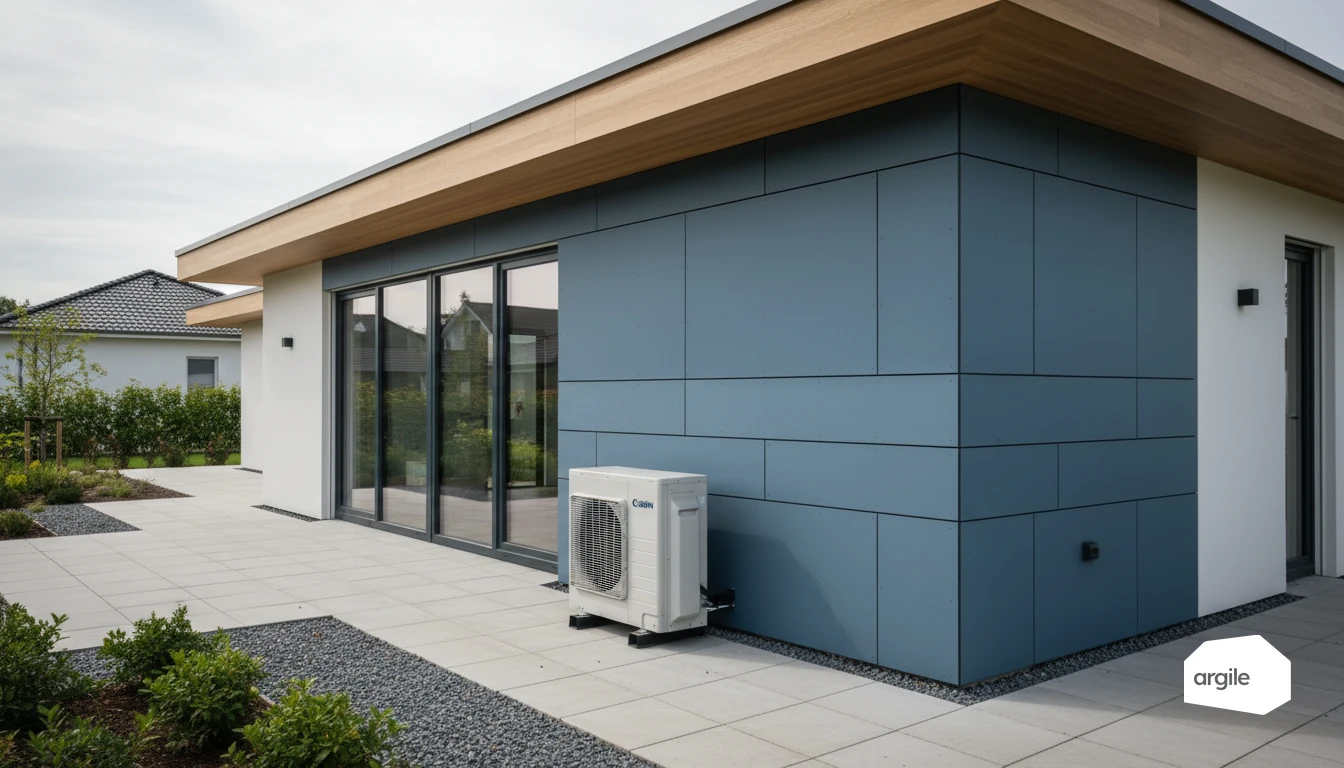
The gap between an advertised efficiency and real-world comfort often comes down to two simple indicators. Read them correctly and you know right away whether the installation will keep its promises over a full season, not just on a lab test. That's what secures your sizing, your quotes and client satisfaction.
5 min read

After a job, the real difference is often made by the follow-up. With a message at the right time, a simple reminder and a well-framed review request, you turn a satisfied client into concrete recommendations, without spending your evenings on it. The idea is to have a clear, repeatable method that also gives you useful feedback to improve.
5 min read

When your customers complain about being cold in the morning and too warm in the evening, the problem is often the schedule, not the equipment. By setting time slots that match the dwelling's actual life, you gain comfort without overconsuming — and you avoid callbacks, just with a clean setup.
5 min read

You have clients on oil who want to cut their bills without jumping straight to all-electric. A hybrid system lets them keep the safety net of a backup boiler, while covering most of their needs with a more efficient solution when the weather is mild. The payoff: a job that's easy to explain, quick savings, and a transition that reassures — for them and for you.
5 min read

A well-installed heat pump is often the difference between a delighted client and a job that drags on through after-sales service. As a tradesperson, you have three simple levers, proper sizing, clean settings, and a well-prepared hydraulic circuit, to secure performance and consumption. And when everything is squared away from commissioning, profitability follows, with no vague promises or mid-winter surprises.
5 min read

A quote that lands right is rarely a matter of price. It's mainly your ability to understand what the client really wants, long-term savings or immediate comfort, and translate that into clear options. By asking 3 or 4 good questions right from the site visit, you avoid misunderstandings, secure the signature and add value to your advice, without burying the client under details.
6 min read

Replacing a collective boiler is often a mix of technical, budget and timing considerations. For you, the tradesperson, the real win is helping the building council decide quickly. By asking the right questions right away (breakdowns, consumption, boiler room constraints, subsidies), you turn an endless debate into a clear decision.
6 min read

On a job site, external wall insulation is often where everything is decided: comfort, finishes, and zero rework afterward. As a mason, you control the sensitive points, starter tracks, reveals, sills, and the coordination between trades. With a clear method and well-executed details, you secure performance and get a smoother job.
5 min read
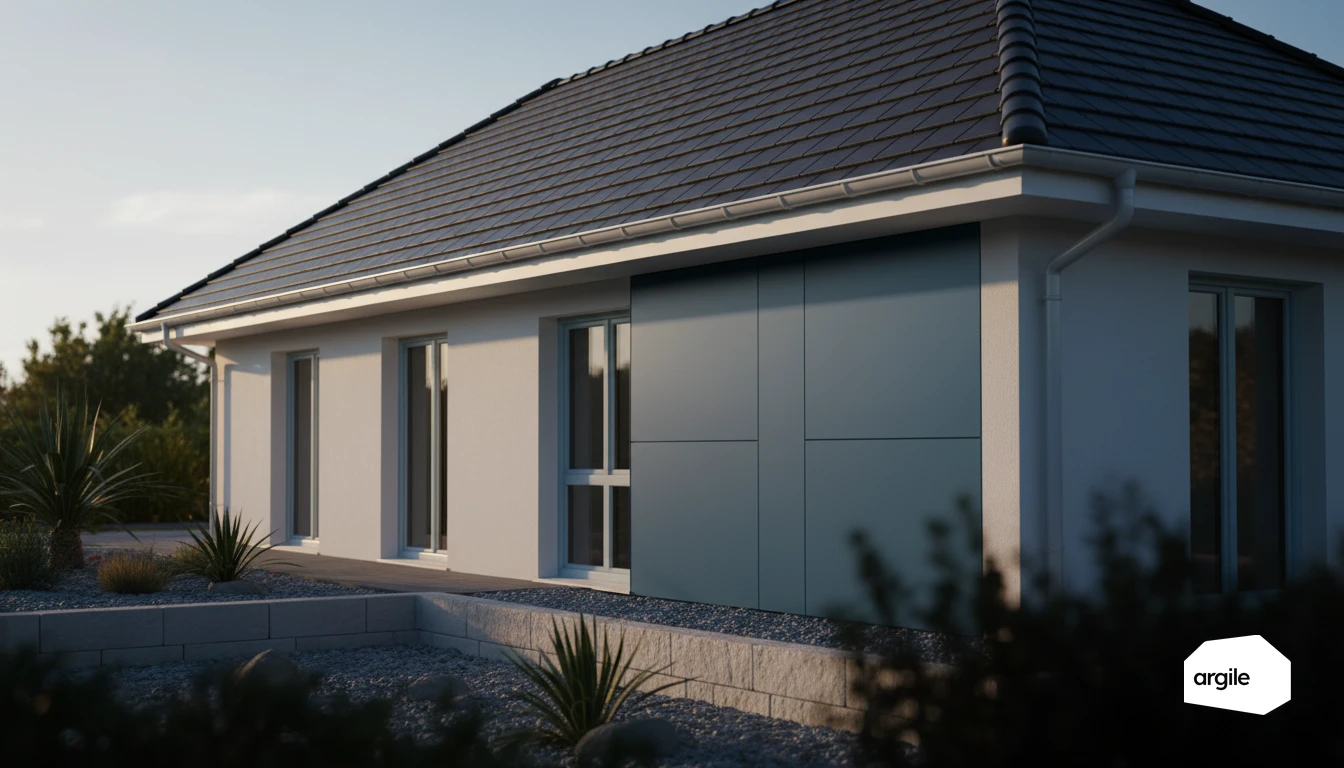
When a roof insulation job is well framed, you win on every front: client comfort, fewer disputes, and a clearer margin. Between rafters, cold lofts, and sarking, the right choice depends mainly on access, thermal bridges, and the expected finish level. With your certification, you can also secure the funding file without spending your evenings on it.
5 min read
Reveal your expertise
One demo, and you see your expertise proven.
Contact us
