The inspection of an off-mains drainage system is the SPANC inspection, and the French decree of 27 April 2012 sets both its content and its frequency: the interval decided by the municipality cannot exceed ten years, and at a sale the report attached to the technical file must be less than three years old. The inspection covers how the system runs and is maintained, any danger to human health, and any established risk of pollution, and it is that last heading that triggers the deadline to put things right. On the technical side, what is enforceable for a new or rebuilt system is the decree of 7 September 2009, which applies up to 1.2 kg/d of BOD5, that is twenty population equivalent.
| Inspection point | What the text says |
|---|---|
| Interval between periodic inspections | Set by the municipality, capped at ten years |
| Age of the report at a sale | Under three years |
| Scope of the inspection | Operation, maintenance, danger to health, established pollution risk |
| Text applying to new and rebuilt systems | Decree of 7 September 2009, up to 1.2 kg/d BOD5 |
| Separation of flows | Foul water and surface water strictly separated |
| Inspection of the completed works | Before backfilling, with the structures left accessible |
Understanding non-collective sanitation before your work
When do we talk about non-collective sanitation, and who is affected?
We talk about non-collective sanitation when a home is not connected to the public wastewater network. This mainly affects isolated homes or those in rural areas. Before any work, check the latest SPANC inspection and the local rules, since creating or rehabilitating a system usually requires a soil survey and approval from the town hall.
The main systems found on site (all-water septic tank, filter, micro-treatment plant)
On the ground, you most often come across an all-water septic tank with a drain field, a filter (sand, compact) or a micro-treatment plant. The micro-treatment plant treats wastewater quickly but needs electricity and regular maintenance. The right choice starts with a system suited to the soil, the number of occupants and access for desludging.
Risks to anticipate: odours, backflow, pollution and non-compliance
The usual problems come from poorly executed ventilation, an undersized pre-treatment stage or badly managed discharge. The result is odours, backflow and soil or water pollution. The costliest risk remains non-compliance, with mandatory works and sometimes blocked sales. Anticipate the distances, the slopes and accessible inspection points.
The sanitation inspection: what is it for and who carries it out?
The role of the SPANC and the documents to gather before renovation
The sanitation inspection mainly concerns non-collective sanitation. It is carried out by the SPANC (the municipality or inter-municipal authority), sometimes through an appointed contractor. Before a renovation, gather the SPANC report, the compliance notice, the site plan of the installation, and proof of maintenance (desludging records, a contract if you have one).
What the inspection checks: condition, safety, operation, discharge
The inspection checks the condition of the works (tank, ventilation, manholes), their accessibility and the risks to public health. It also looks at how the system operates (flow, clogging, odours), the separation of wastewater and rainwater, and the quality of the discharge (infiltration, outlet), to limit pollution.
Validity, frequency and when a new inspection is recommended in 2026
For a sale, the seller has to tell the buyer what the system is and where it discharges, and hand over the details in writing. There is no fixed inspection cycle outside that: the general binding rules turn on the discharge staying compliant, and a treatment plant is normally serviced to the manufacturer's schedule, often annually. In 2026, a fresh assessment is worth doing if you extend the home, change the treatment method, resume work after non-compliance, or if malfunctions appear. To anticipate regulatory changes on the energy-inspection side, also see our article on the 2026 EPC rules and their impact on retrofit.
Preparing your renovation: on-site checkpoints before quoting
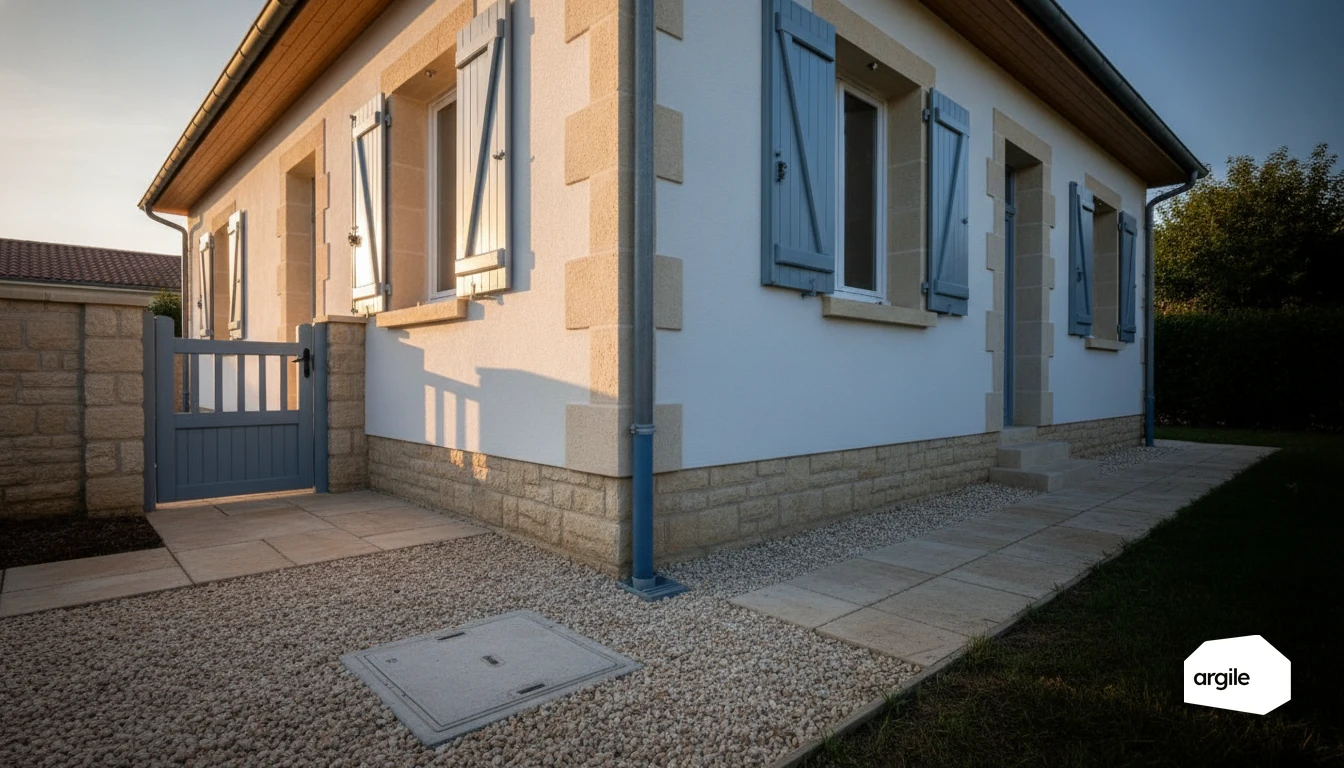
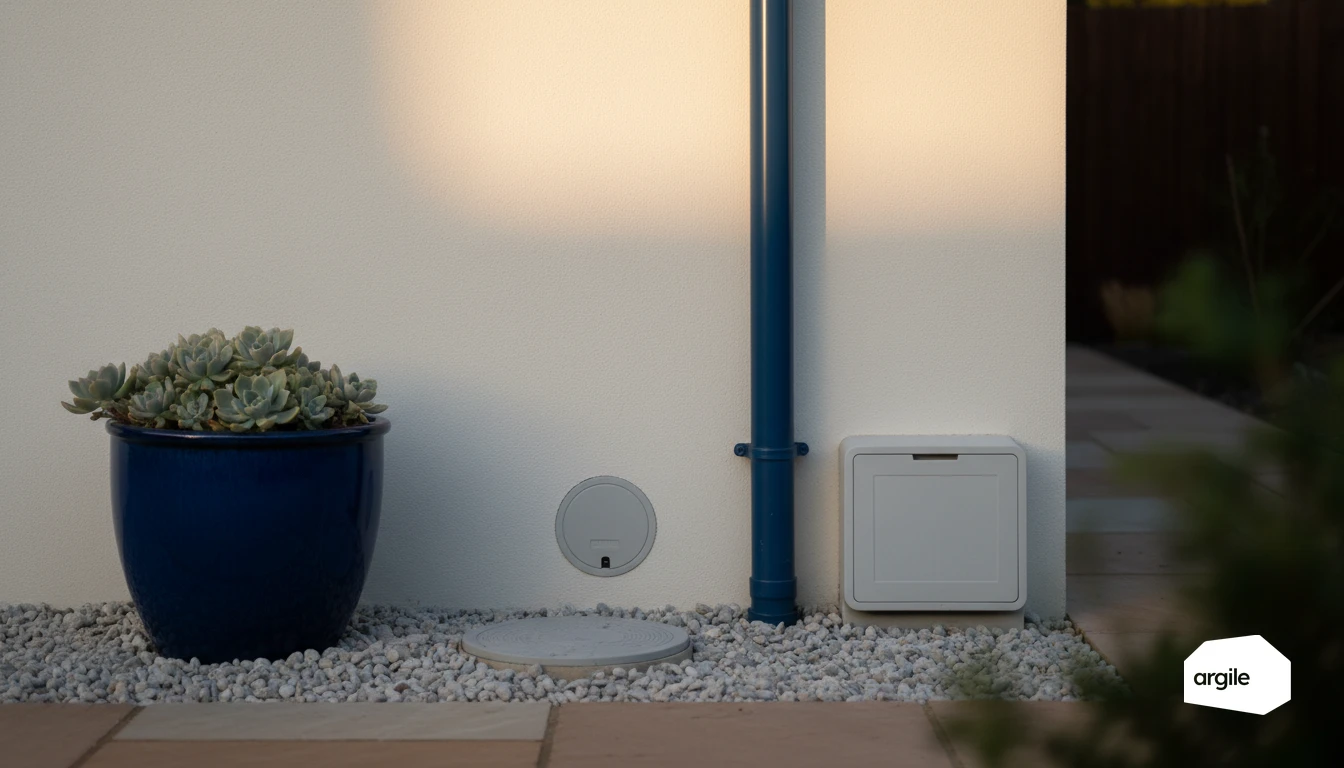
Locating access points, ventilation and manholes: the details that save time
Before quoting, do a full walk-through. Locate truck access, hatches, manholes and storage areas. Check the presence and condition of the ventilation (primary vents, roof outlets), which is often overlooked in sanitation work. Clear access avoids rework and protects your schedule. That walk-through can be recorded during the technical visit, with photos, access points and locations attached to the file, so nothing is lost between the site and the pricing.
Checking slopes, water inlets and rainwater: common mistakes in non-collective systems
Check visible slopes, diameters, counter-slopes and existing connections. Identify the wastewater inlets, any drains, and the separation from rainwater. Note the discharge point and the location of the outlets. These are points that can quickly push up the quote if discovered too late.
Accounting for the ground and constraints: soil, water table, trees, equipment access
Look at the site like a map. Soil type, wet areas, signs of a water table, nearby trees and buried networks. Anticipate equipment access, the protections needed and access at the property boundary. A constraint spotted early becomes a planned solution, not a surprise.
Guiding the client to the right solution after the inspection
Partial rehabilitation or a full rebuild: how to decide without getting it wrong
After the inspection, start from the facts. If the structure is sound and the fault is localised (ventilation, manholes, drains, accessibility), partial rehabilitation is often enough. If the installation is too old, undersized, or poses a health risk, a full rebuild becomes the safest solution. Also raise the question of timing. In the case of a sale, compliance deadlines can weigh on the decision.
Adapting the sanitation system to how the home is used after renovation (extension, occupants, rental)
A renovation sometimes changes the picture. An extension, new wet rooms, a switch to rental use, more occupants. The sanitation system needs to match the home's actual capacity and everyday use. Check the available space, access for maintenance, and compatibility with the site. Consistent sizing means fewer breakdowns and stable operation.
Estimating maintenance and running costs: what you need to explain to the client
Be clear about the actions and the costs. Periodic SPANC inspections, desludging when the sludge level requires it, checking the ventilation, and tracking consumables for electromechanical systems. Your client needs to know who does what, how often, and what triggers preventive action.
Documentation and compliance: securing your sanitation job in 2026
Approvals, verification of correct execution, and evidence to keep
Before work, clarify the regime (connection to the public network or non-collective sanitation) and file the application required by the municipality. For non-collective systems, the SPANC often approves the soil survey and the sizing, then checks correct execution before backfilling. Keep the survey, plans, instructions, dated photos of key stages, invoices, and the as-built plan.
Coordinating sanitation and energy renovation: phasing, trenches, networks, accessibility
Good phasing avoids opening the ground twice. Use the trenches to group networks (wastewater, rainwater, water, electricity) while respecting distances, slopes and protections. Anticipate site access, protecting insulation at the base of the façade, and technical areas (heat pump, mechanical ventilation, outlets) to keep maintenance simple. If you are combining sanitation and energy renovation, our guide on whole-house renovation will help you structure the project.
"Before signing" checklist: key questions to avoid disputes
- Who handles approvals, appointments and the inspection report.
- Does the quote include earthworks, spoil removal, reinstatement, tests and photos.
- Deadlines, penalties, guarantees, and acceptance conditions before backfilling.
To secure the compliance of your funding applications, particularly on the registration and evidence side, see our article securing your applications and avoiding disputes.