
Louis Airy
COO of Argile
150 articles published
Louis is COO of Argile. After four years in strategy consulting and close to two as chief of staff in home adaptation and reuse, he joined Argile in March 2024. In daily contact with certified renovation companies, he follows French energy saving certificates, renovation subsidies and reduced VAT, and signs the blog's compliance content. He reads each decree and standardised operation sheet as it is published, and revises the affected articles when a rate changes rather than waiting for the next overhaul. What he writes is what he then checks against real quotes.
Subjects covered
Their articles
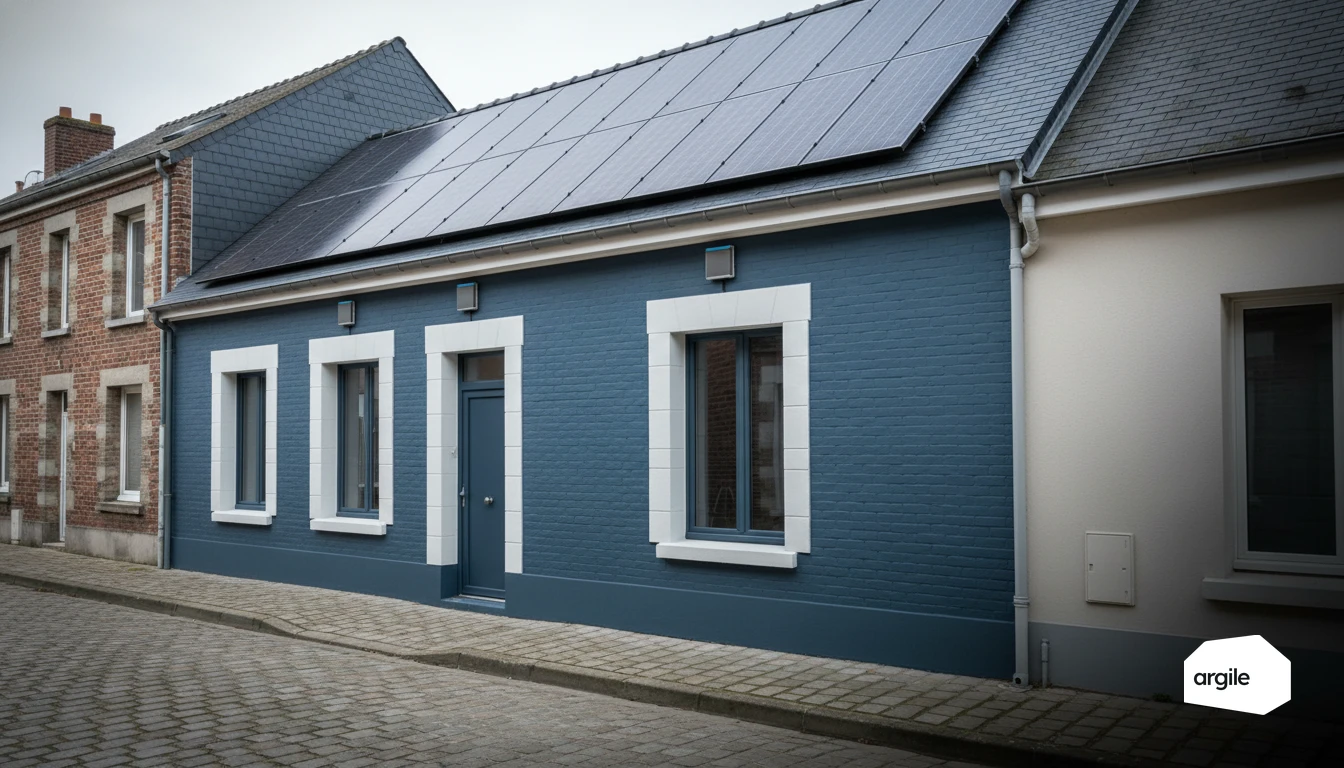
When a roof has shade, a nearby chimney or mixed orientations, output can drop faster than expected. Module-by-module control protects yield on the penalized zones without redoing the whole array. It's also a good lever for diagnosing issues, explaining them to the client, and delivering a more consistent PV installation, job after job.
6 min read

The reference figure for domestic hot water consumption is not a sales estimate. The French 3CL-DPE 2021 method uses 56 litres per person per day at 40°C for conventional behaviour and 79 litres for heavy use. The instrumented ADEME and COSTIC monitoring campaign lands on the same measured average, with a standard deviation of 23 litres.
5 min read
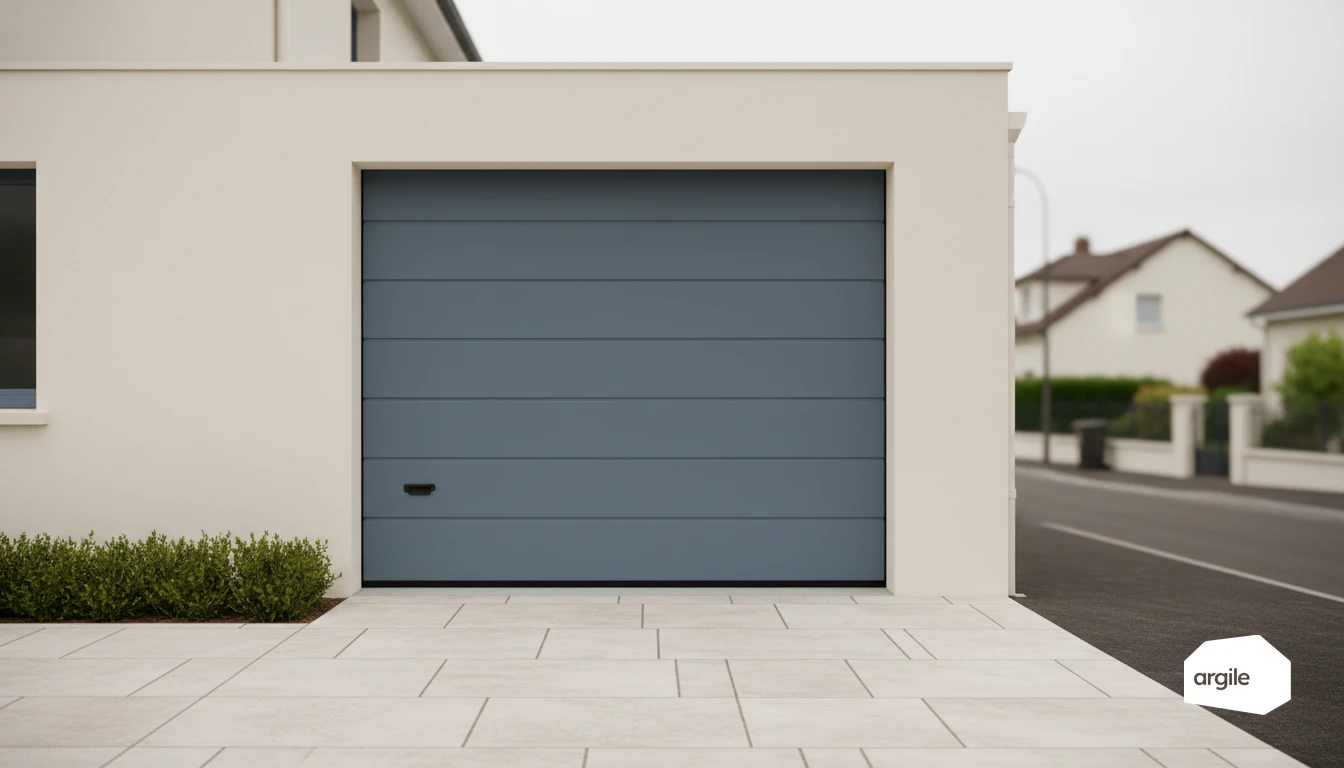
An insulated garage door has no regulatory threshold: no text imposes a Ud on it, and it does not appear on the list of works qualifying for the reduced VAT rate. What commits you is the value declared under EN 13241+A2, the air permeability class recorded on the data sheet, and the sealing at the reveal. Here is what to record on site, what to demand from the manufacturer, and how the package breaks down on the quote.
5 min read

When an MVHR system is properly sized, you notice it right away, less lingering humidity, odours that don't come back, and clients who breathe easier. But it all comes down to job-site details, air inlets, extract vents, and room-by-room airflow balance. Get these right at installation and you avoid callbacks while securing the home's performance, without the headache.
5 min read

On an insulation job, you're juggling dust, cuts, falls and irritant products. With the right PPE and simple habits, you protect your team without slowing the pace, and you keep a clean, professional site. Mask, goggles, gloves, ventilation, clearly defined work zones — this is often where the difference is made.
5 min read

This article covers the heat pump and underfloor heating pairing from the site side: pressure testing, screed movement joints, first heat-up, residual moisture and the handover file. Sizing the pairing, heat loss, water regime and minimum modulated output, is the subject of a separate article.
5 min read

Efficiency is the most quoted and least verified figure on a ventilation quote. Three frameworks measure it, with three different values, and only one binds you when you assemble a grant file. Here is how to read a datasheet, which threshold commits you, and what the unit really delivers once the ductwork is in.
5 min read
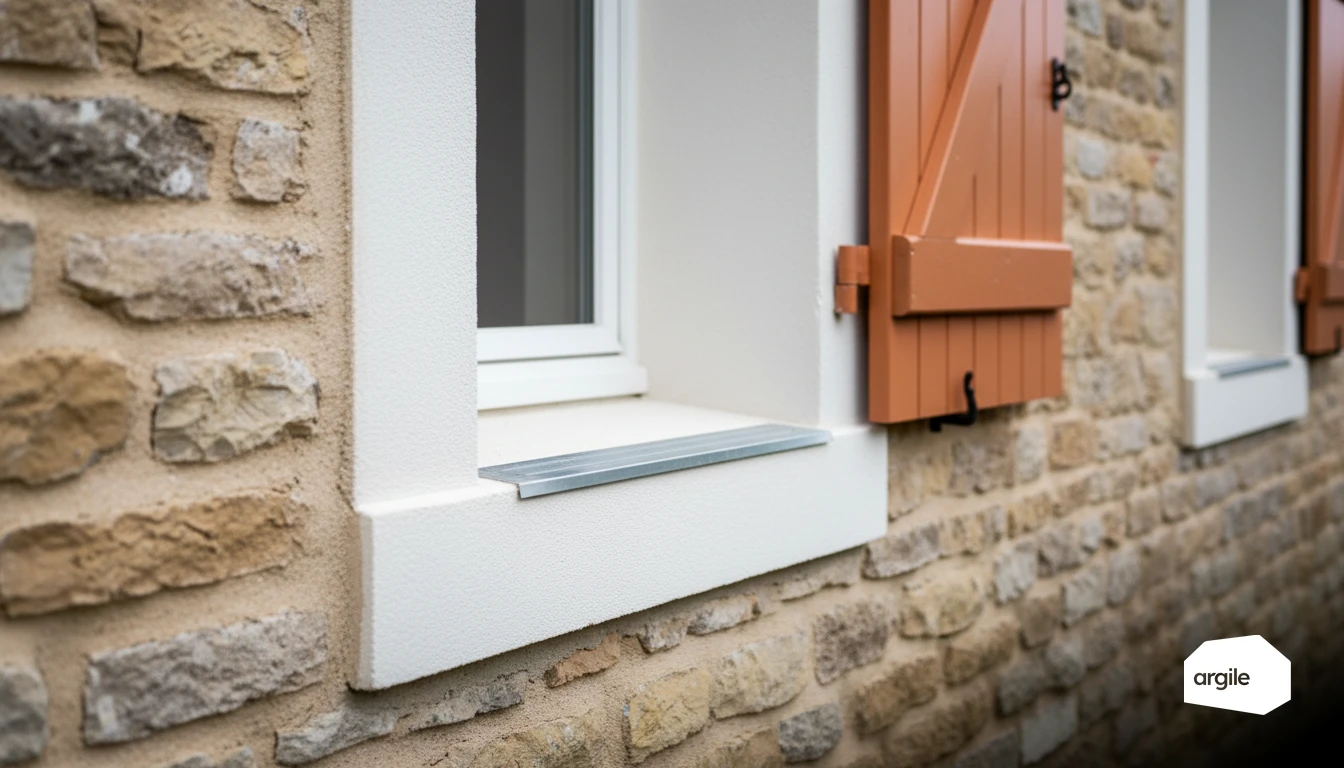
When you're looking for where heat is escaping, you need a simple benchmark that sums up envelope losses without drowning you in ten different values. A good overall indicator helps you prioritize quickly, insulation, joinery, thermal bridges, and clearly explain your choices to the client. The payoff: clearer quotes and better-targeted work from the very first visit.
5 min read

The choice between self-regulating and humidity-controlled ventilation does not come down to a fitting preference but to a single figure: the floor flow rate you are allowed to hold. The French order of 24 March 1982 sets two different floors depending on whether the system modulates automatically, and the gap between them is close to a factor of three. Everything else, comfort, acoustics, consumption, follows from that.
5 min read

You're hearing more and more about decarbonized gases on job sites and from your clients, but between promises, costs, and constraints, it's hard to know what will actually hold up over 10 to 20 years. Your challenge is spotting the credible use cases, the equipment that might arrive, and the points of attention on safety, network, and maintenance, so you can advise without overselling. Here's a simple sort-through, to help you decide when to keep an eye on the topic, and when to stick with solutions that are already robust.
5 min read

In a co-owned building, the question of collective heating usually comes down to three points: real comfort in the flats, controlled service charges, and work that can be carried out without blocking the site for months. You have a key role in making a simple diagnosis, comparing scenarios, and securing a solution that passes the general assembly vote without bad surprises. And if the right option isn't the one people initially assumed, all the better: you save everyone time.
5 min read
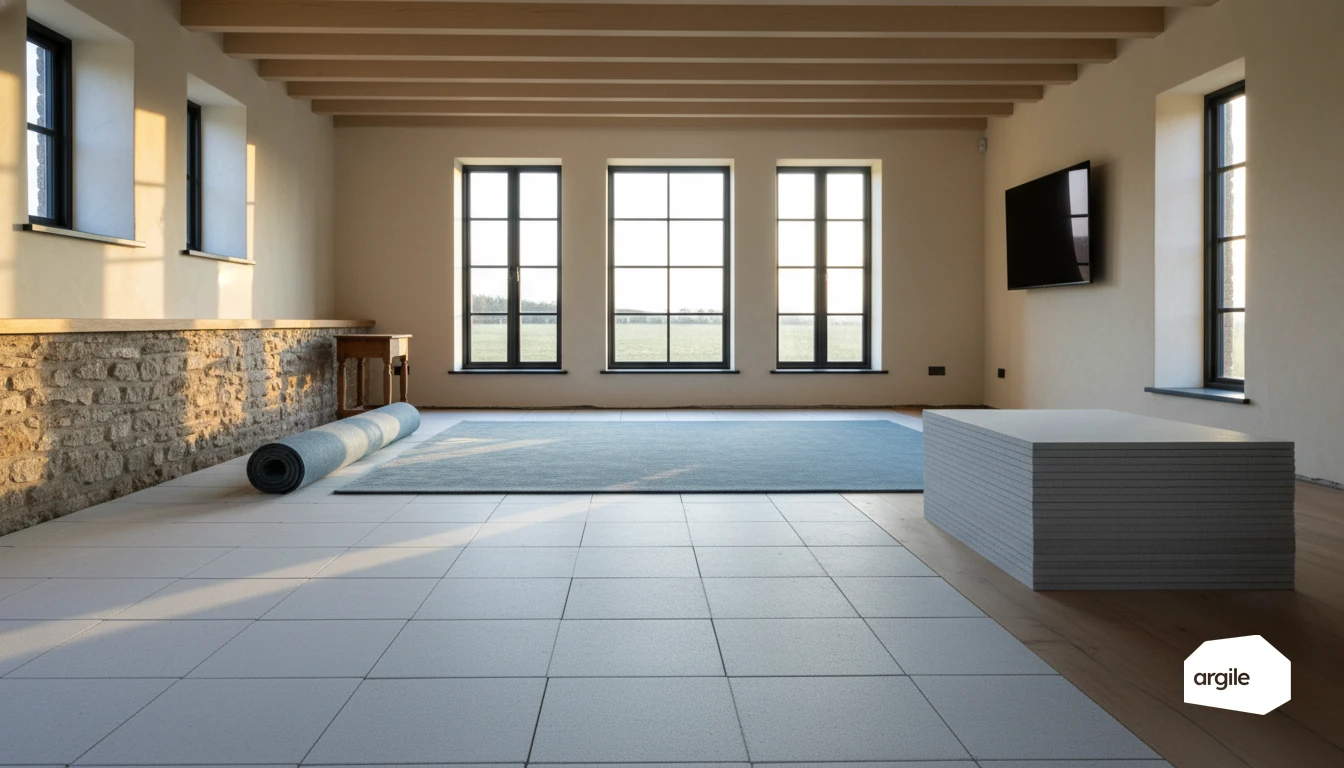
No traditional installation code covers dry screed over underfloor heating. The French screed code covers only screeds and slabs based on hydraulic binders, which rules out a gypsum-fibre or plasterboard panel by definition. The only route is a third-party technical approval for the system itself, and that changes your obligations, your insurance and what you write on the quotation. Here is the framework, the verifiable figures, and what a dry screed genuinely saves.
5 min read

A renovation that "works" shows up on the bills… as long as you compare like with like. By setting up simple, regular readings (heating, DHW, ventilation), you turn the client's impressions into concrete proof, and you quickly spot a setting or a habit that's eating into the gains. It's also a great way to showcase your work, without jargon or an over-engineered system.
5 min read

Gaining square metres without touching the plot is often the best option when your clients want to expand quickly, in a dense area. A timber-frame solution helps you stay light on the existing structure, limit reinforcements and keep realistic deadlines, all while improving the building's insulation. That secures both your job and your margin, without turning the neighborhood into a crane field.
5 min read

On energy retrofit job sites, every unfilled position quickly translates into lost weeks, and customers left waiting. For you, as a tradesperson, the challenge is simple: attract the right profiles and help them build skills without slowing down production. With a clear method, you can secure your teams, your deadlines, and your margin.
5 min read

On a heat pump, the thermostat does not create efficiency, it creates a temperature control class. Delegated Regulation (EU) No 811/2013 defines eight of them, each with its own seasonal efficiency bonus, and that is the figure that stands up on paper. Then comes the question that decides the job: volt-free contact, manufacturer bus, or the original controller.
5 min read

Cover the top only. A sheet taken down to the ground kills the through-draught that drying depends on and holds the wood at the moisture of the trapped air instead of taking it below 20%. Here are the protection arrangements that work, the drying times by species, and what you put in writing for the customer.
5 min read

The same load reads 20% or 25% moisture depending on whether the meter works on a wet or a dry basis. That is the first thing to settle before rejecting a delivery. Then come the figures that count: at 20% on a wet basis a log delivers about 4.0 kWh/kg, against 2.2 kWh/kg at 50%.
5 min read
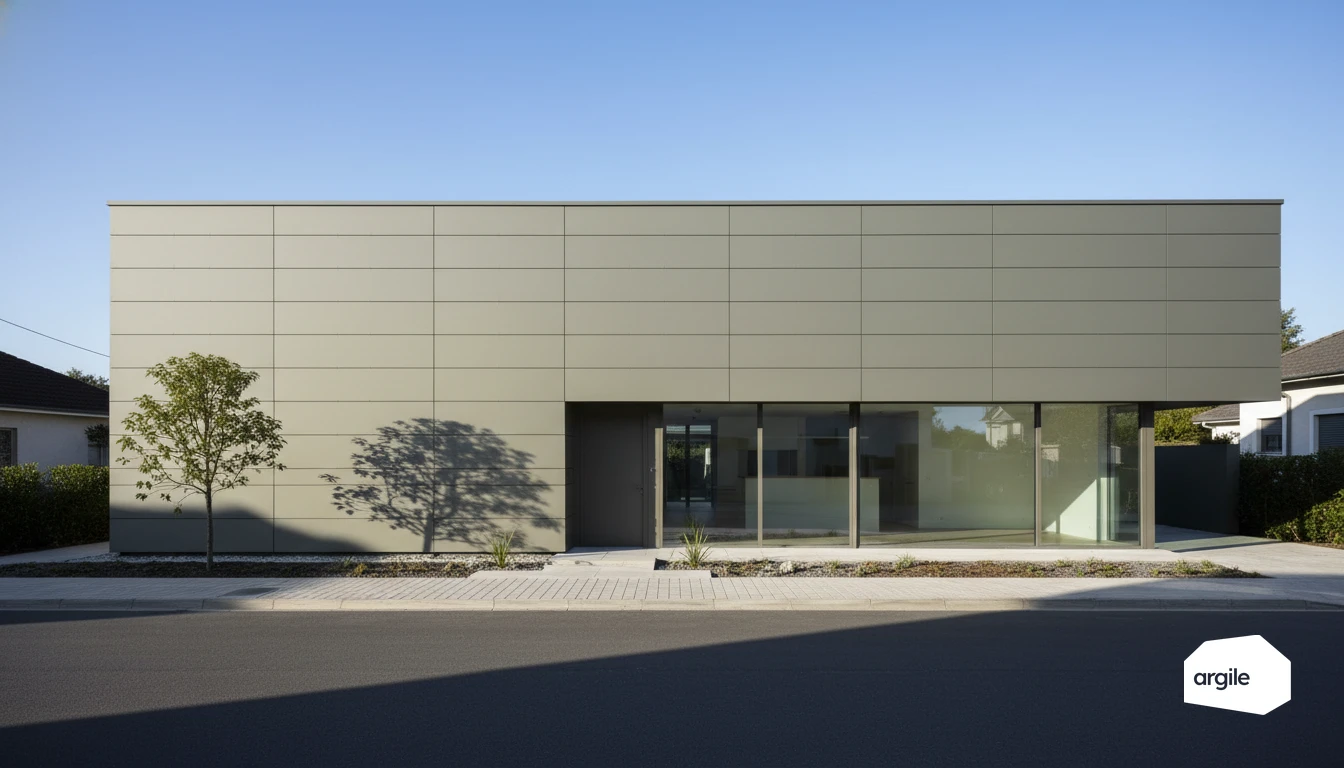
The solar factor Sw is not a comfort criterion left to judgement: it gates the energy saving grant, paired with the Uw, and the scheme sheet sets the exact values. Two traps keep coming back in files: the Sw of a window is not the g of its glazing and is not assessed to the same standard, and a roof window inverts the logic by capping the Sw rather than flooring it. Here are the required pairs and how to evidence them.
5 min read
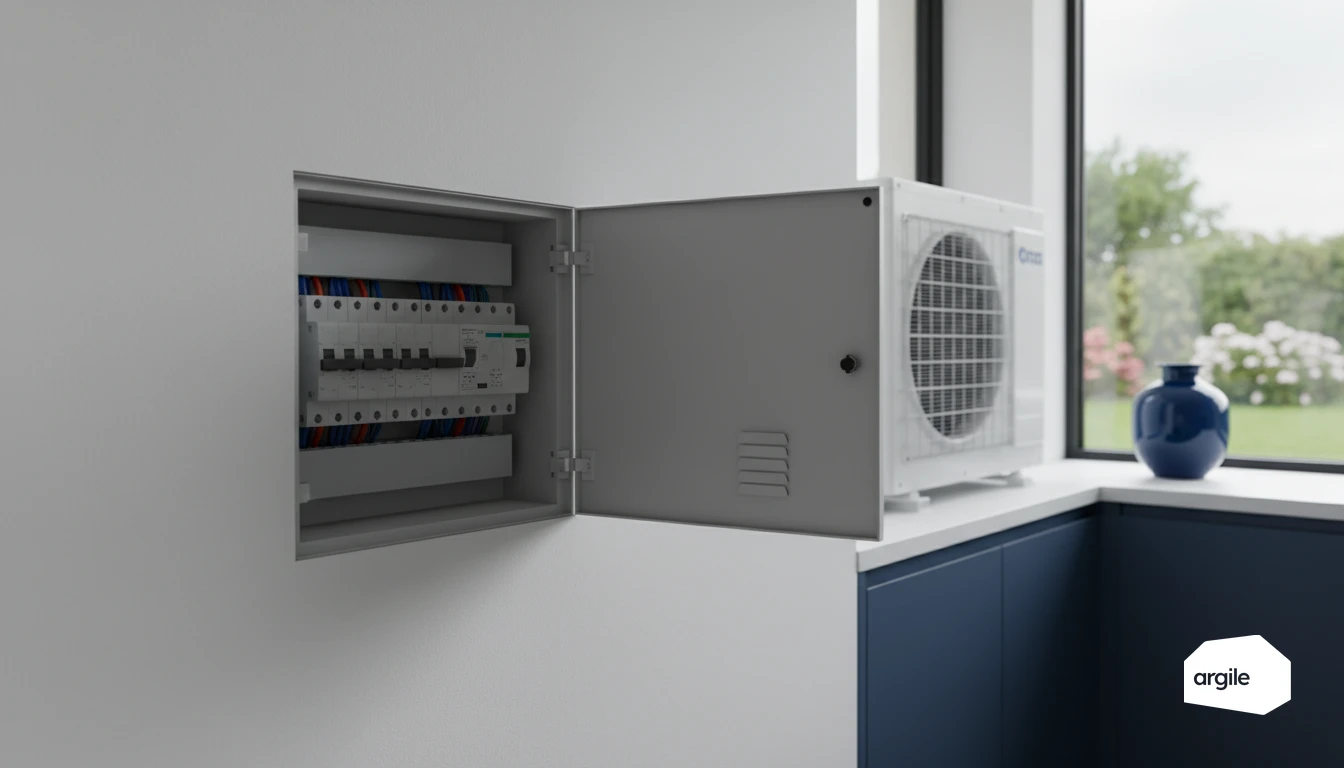
A heat pump that keeps tripping the breaker is often a job that drags on for nothing. With the right circuit breaker and the right residual current device (RCD), you secure the installation, avoid nuisance tripping and leave the customer with a clean commissioning, no stress. We review the key points to choose and wire correctly, from the very first visit.
5 min read

Between a casement opening and a sliding one, the difference often comes down to one very concrete point — stray air infiltration. For you, as a tradesperson, that's where the saved watts and the client satisfaction are won, at installation and adjustment time. Here's a simple breakdown to help you choose the right solution for the job, with no vague promises.
5 min read

When a client complains of uneven comfort, the problem often lies less with the generator than with the radiators, underfloor heating or fan coil units in front of you. Reading their performance correctly means choosing the right water regimes, sizing accurately and avoiding callbacks. The result: you secure comfort room by room, without overconsumption or endless adjustments.
4 min read
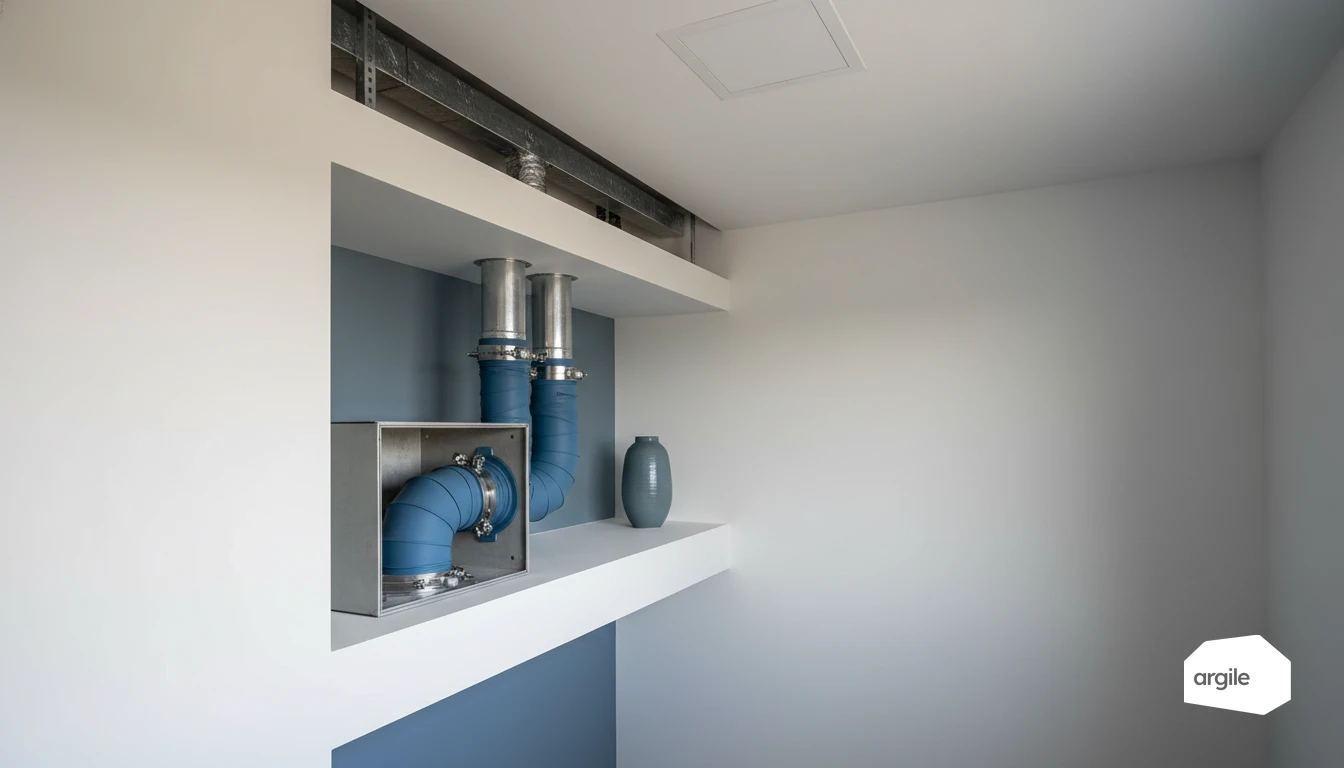
NF DTU 68.3 imposes no airtightness class at all on dwelling ventilation ductwork. What it imposes is a leakage allowance to be built into the sizing, and a threshold beyond which an existing network cannot be reused. Knowing which one applies changes what you write in the quote and what you measure at handover.
5 min read
When a slab-on-grade floor stays cold, it's often what's dragging down comfort and running the heating longer than it should. In a retrofit, insulation is also decided by site details: substrate preparation, perimeter continuity, moisture management and thermal bridges. With a clear method and the right materials, you secure performance and avoid costly rework.
5 min read

On a job site, a few extra or fewer centimetres can change everything. Your job is to find the sweet spot between real gain, budget, and installation constraints, without oversizing just to "do better." Here we help you decide quickly and cleanly, with a field method that also speaks to the client.
5 min read

When residents stay in place, every day of works counts. By framing the living areas, schedules and clean circulation routes from the start, you limit dust, noise and back-and-forth, without slowing down execution quality. A few simple rules and solid communication are often enough to avoid tension and unforeseen issues.
5 min read
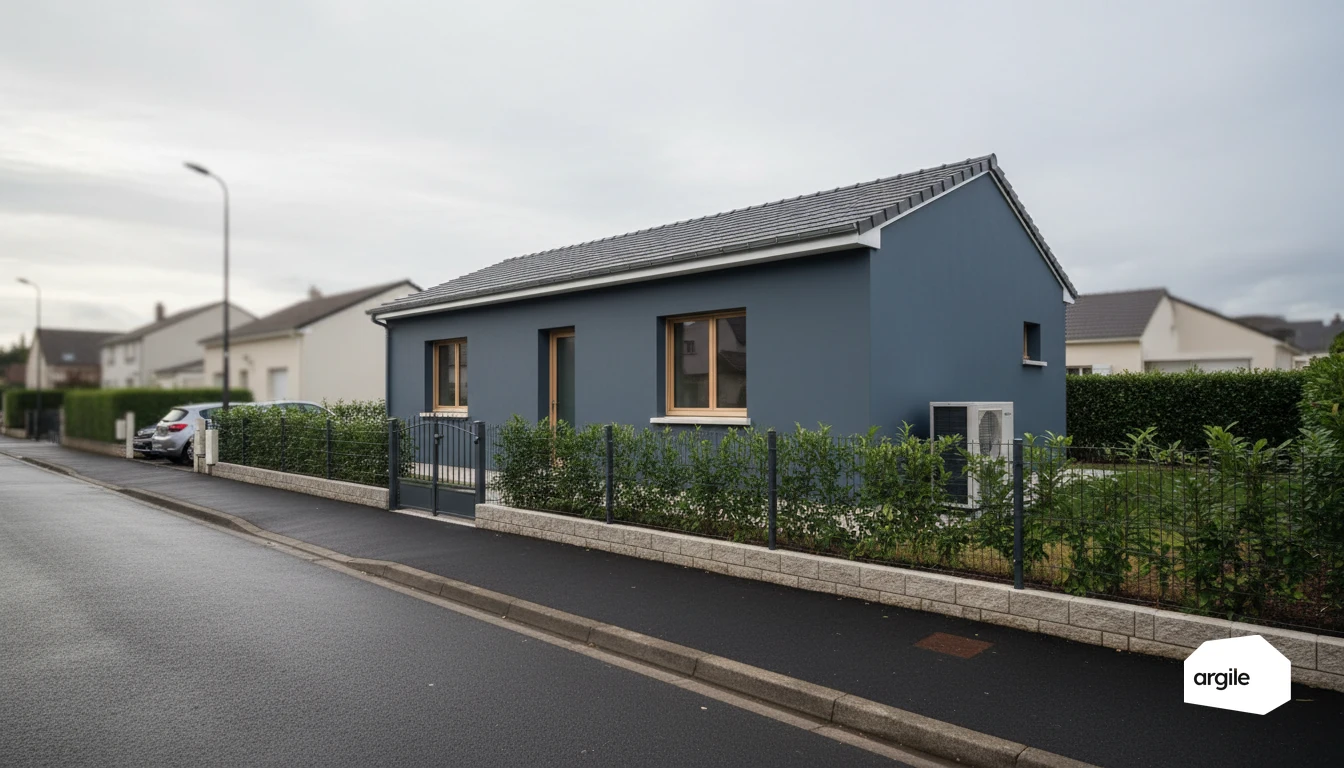
With a tight budget, your clients mainly expect quick wins, visible on their bills, without getting lost in ten different work items. Your value lies in making a simple diagnosis, treating first the points that leak the most kWh, then planning the rest in coherent stages. You secure comfort and performance, without overpromising or oversizing.
5 min read

On a half-timbered house, you play a fine balancing act between comfort, moisture and respect for the building. Your insulation and heating choices must let the walls breathe, otherwise problems show up fast, and your client sees it… and feels it. With a simple method and the right materials, you gain performance without erasing the character.
5 min read

A single socket can undo part of the insulation work if air passes behind the box. By choosing the right back boxes and taking care with installation, you secure the job's result and avoid finish rework that eats up time. The idea is simple: treat one critical point properly, and the comfort is felt right away.
5 min read
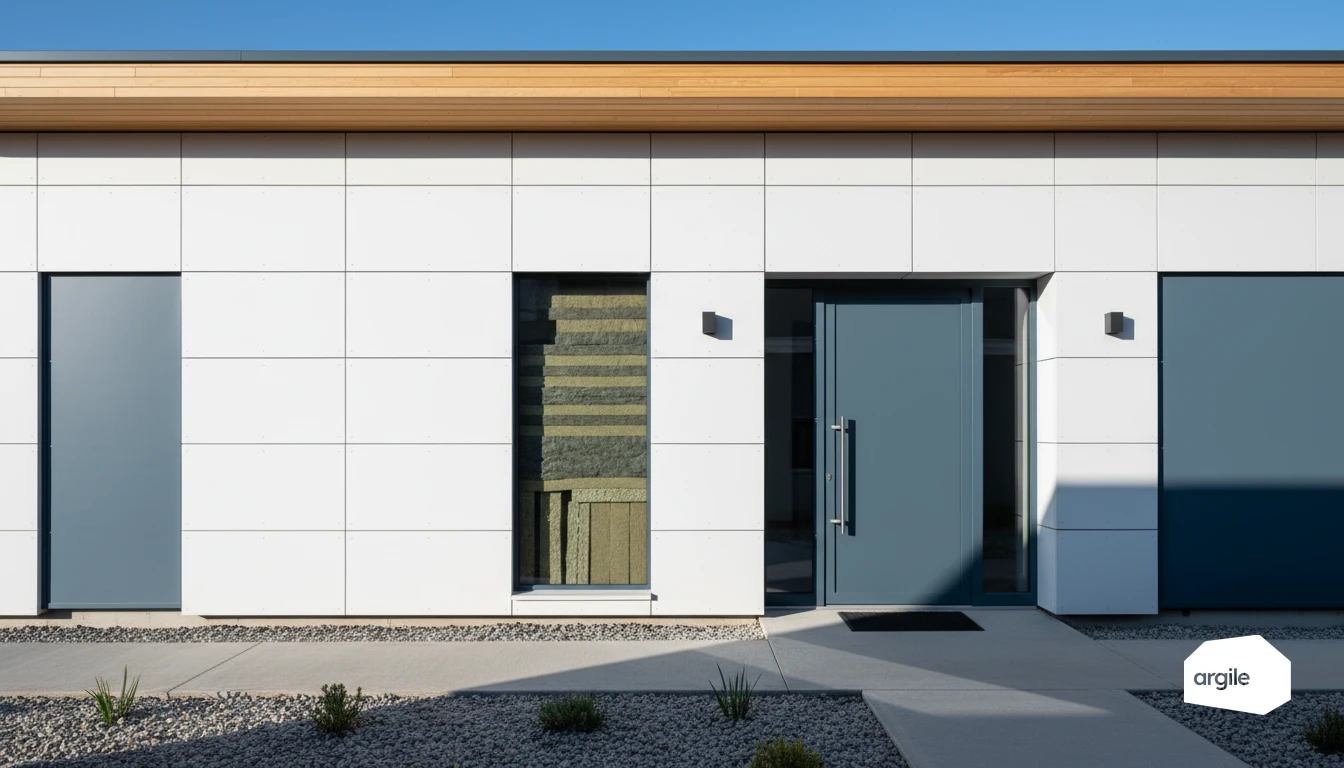
Thermal conductivity sets the thickness you have to install to reach a given resistance, and it is the one product figure that feeds straight into the energy assessment. It still has to be evidenced: without proof of the insulant’s resistance, the assessment method falls back on a default lambda that wipes out the performance of what you actually installed. Here are the orders of magnitude by family, the matching thickness, and what to write on the quote so the real lambda is the one that counts.
5 min read
Reveal your expertise
One demo, and you see your expertise proven.
Contact us
