
Louis Airy
COO of Argile
149 articles published
Louis is COO of Argile. After four years in strategy consulting and close to two as chief of staff in home adaptation and reuse, he joined Argile in March 2024. In daily contact with certified renovation companies, he follows French energy saving certificates, renovation subsidies and reduced VAT, and signs the blog's compliance content. He reads each decree and standardised operation sheet as it is published, and revises the affected articles when a rate changes rather than waiting for the next overhaul. What he writes is what he then checks against real quotes.
Subjects covered
Their articles

Between bills that keep shifting and clients who want more autonomy, you’re often looking for a simple way to make the most of every kWh produced, without adding a technical room or a physical battery. The virtual battery answers exactly that need: it “sets aside” the energy fed into the grid so you can recover it later, with rules and costs that need to be clearly framed from the quote onward. In the lines that follow, we help you clearly explain the principle, the points to watch, and the right field practices to secure your job and keep your clients satisfied.
5 min read

Between logs, pellets and wood chips, the right choice comes down to the practical details. You save time on site when the fuel matches the feed rhythm, the storage space and the level of automation expected. With the right criteria, you secure your client's comfort and your own settings, without oversizing or complicating the installation.
5 min read
When a client asks you "does it use a lot of power?", you need a simple benchmark to compare units and justify your choice. SEER gives you that performance level over a season, not just a single lab measurement, and that changes everything for sizing, explaining and quoting. Master this indicator and you save time on quotes while avoiding nasty surprises once the equipment is installed.
6 min read
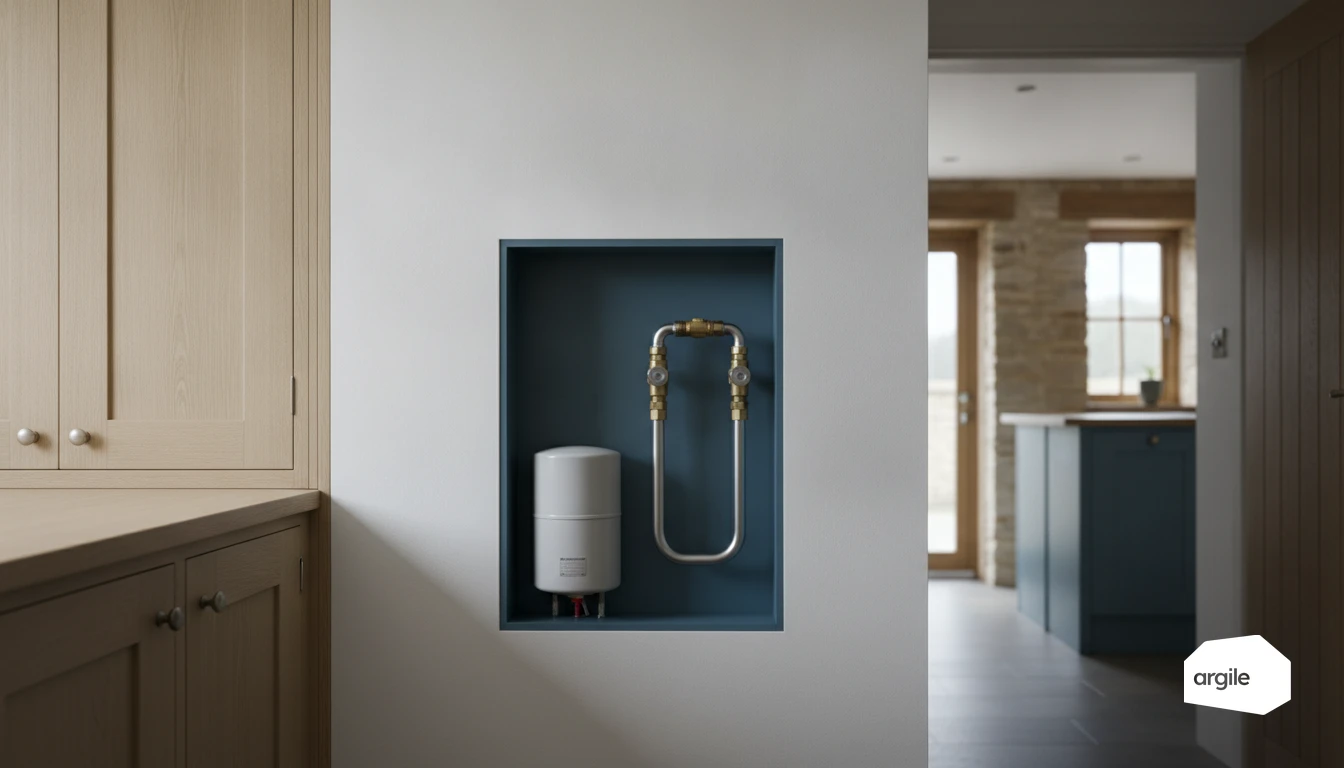
When a heat pump operates with too low a flow rate, trouble arrives fast: noise, short cycles, faults and service callbacks. As a tradesperson, you can secure the installation right from commissioning with a simple setup that stabilises circulation, even when thermostatic valve heads close. The result: a calmer heat pump, and a job that runs smoothly.
5 min read
Your clients don't just want equipment, they want comfort that holds up over time, with no bad surprises. By shifting from selling a product to selling a service, you can smooth out costs, secure performance and build recurring revenue, while staying concrete about installation quality and follow-up. It's another way to showcase your expertise, and often, to sell more simply.
5 min read

In commercial buildings, a heavily glazed façade is often where everything is decided: summer comfort, draughts, and bills that climb without warning. In renovation, you can correct the weak points without halting operations on site, by securing airtightness, thermal bridges and the right level of insulation. With a simple approach and well-executed details, you turn a "handsome façade" into performance you can measure.
5 min read

Your clients want heating that stands out, without cutting corners on comfort or consumption. It's up to you to find the right balance between look, power and placement, to avoid "nice but lukewarm" or high-performing but impossible to install. With a few simple benchmarks, you can propose a solution that enhances the room and your project.
5 min read

When the budget is tight, every quote counts, and it's often you, the tradesperson, who makes the difference between a renovation that's merely endured and one that delivers real comfort. By asking the right questions, prioritising the work that matters, and guiding the household step by step towards funding and good practices, you secure both the job site and the client's trust. The result is fewer hesitations, faster decisions, and renovations that deliver on their promises in the field.
5 min read
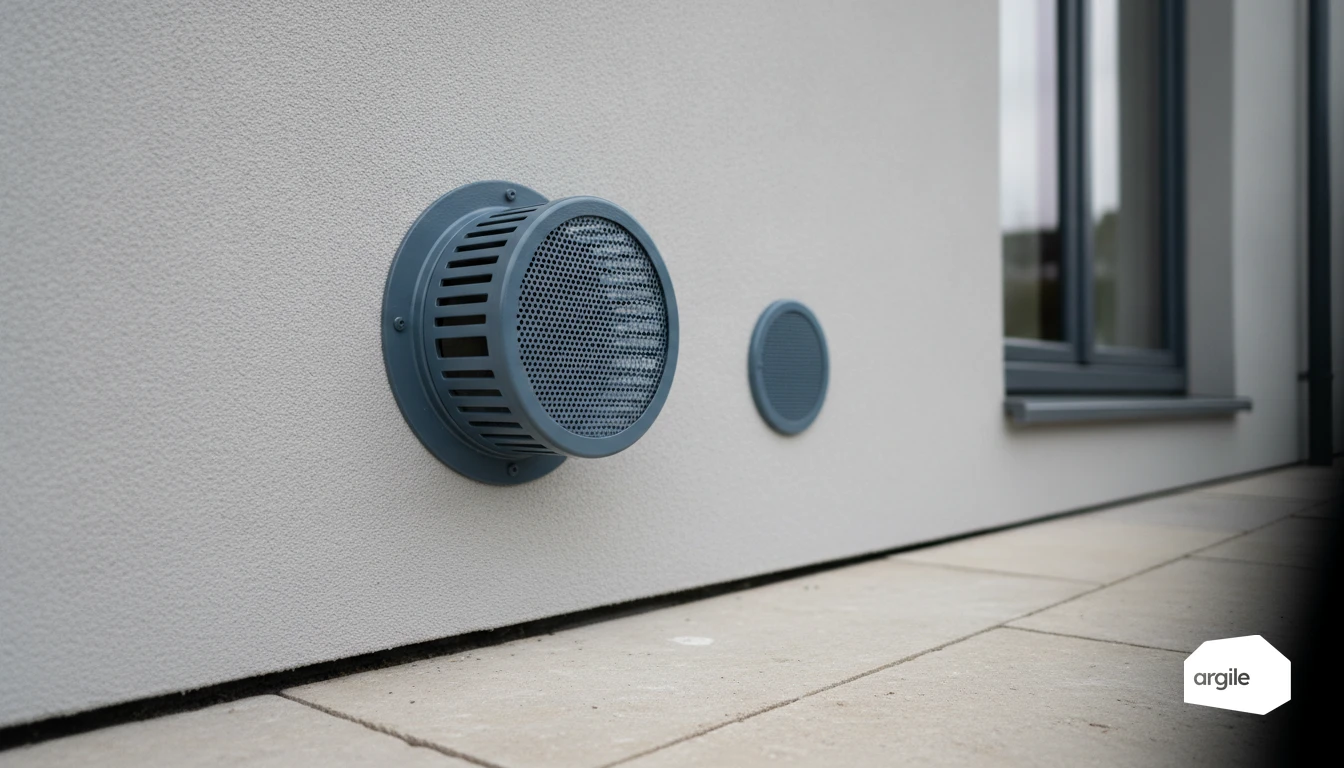
In a low-energy or new-build home, a wood stove runs into its minimum output long before it runs into its efficiency: a high-performance envelope calls for 2.5 to 3.5 kW over 100 m² when the smallest log stove on the market delivers 4 to 5 kW at rated output. A room-sealed appliance solves the second problem, the combustion air a tight dwelling no longer supplies through its own defects.
5 min read

Between incoming calls, quotes that need following up, and job sites to keep on track, prospecting is often the last thing on the list. Yet when the pipeline dries up, the whole organisation takes a hit. The idea here is to give you a simple method, from first contact through to installation, to secure a steady flow of qualified leads.
5 min read

A high-performing envelope is often decided by details. For you, the tradesperson, the real difference happens at the junctions, around window frames, at the base of walls or in the roof, where breaks let heat escape and complicate airtightness. By securing continuity all the way around, you gain comfort, compliance, and calmer client follow-ups.
5 min read

With lukewarm-water emitters, every watt counts. On site, oversizing can secure comfort during cold snaps, but it also means more bulk, more inertia, and sometimes a network that needs adjusting. By mastering power calculations, flow temperature, and balancing, you size things right and avoid callbacks.
5 min read
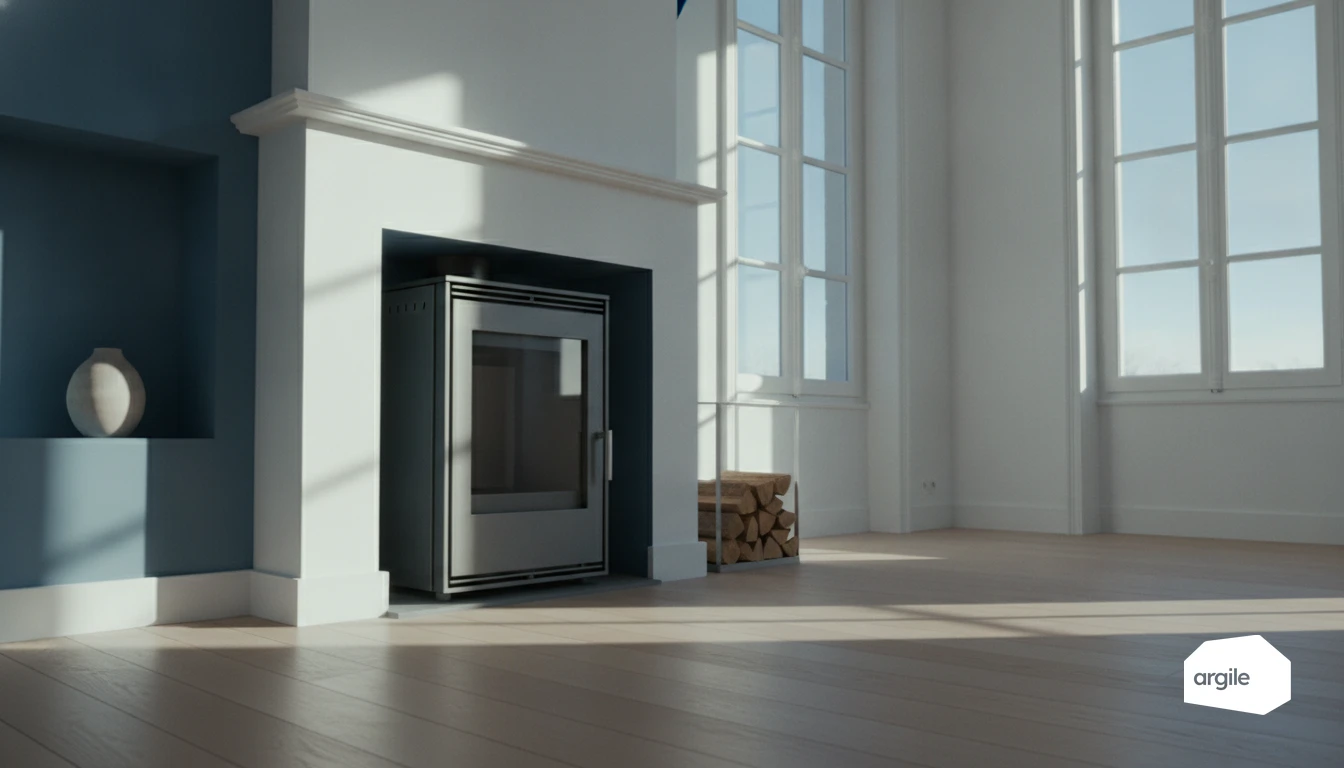
Your client has a fireplace that heats poorly and burns through fuel. By modernizing it with a pellet appliance, you gain in comfort, consistency, and cleanliness, without starting from scratch. With a well-prepared installation, you secure the flue, simplify daily use, and add value to the job in your clients' eyes.
5 min read

No regulation sets a service life for a water heater, and the durations in circulation carry no legal weight anywhere. What can be decided and quantified is the point at which keeping the unit costs more than replacing it. Three criteria settle it: the declared standing loss, the row the energy assessment already applies to the unit, and the compliance of the installation.
6 min read

The choice between a vertical and a horizontal electric cylinder is settled by the room, not by the data sheet. Horizontal only becomes necessary when clear height runs out, and it then costs 419 kWh a year more at 200 litres according to the French EPC calculation method. Here is what to record before pricing, what makes an installation overrun, and how to justify the running-cost penalty on the estimate.
6 min read

In renovation, you can improve comfort without piling on equipment, by starting with orientation, sun, wind and the building's thermal mass. These simple markers help you decide quickly, justify your choices to the client and avoid contradictory work. When the building "works" for you, your technical solutions become leaner and easier to deliver on site.
5 min read

A client complaining about a whooshing sound or vibrations in the ventilation system is often a job that can tip into dissatisfaction. As a tradesperson, you can quickly diagnose the cause — clogged vent, poorly fixed duct, wrong flow rate — and restore comfort without redoing everything. With a few simple actions and the right choice of equipment, you cut the noise and keep air quality on track.
5 min read
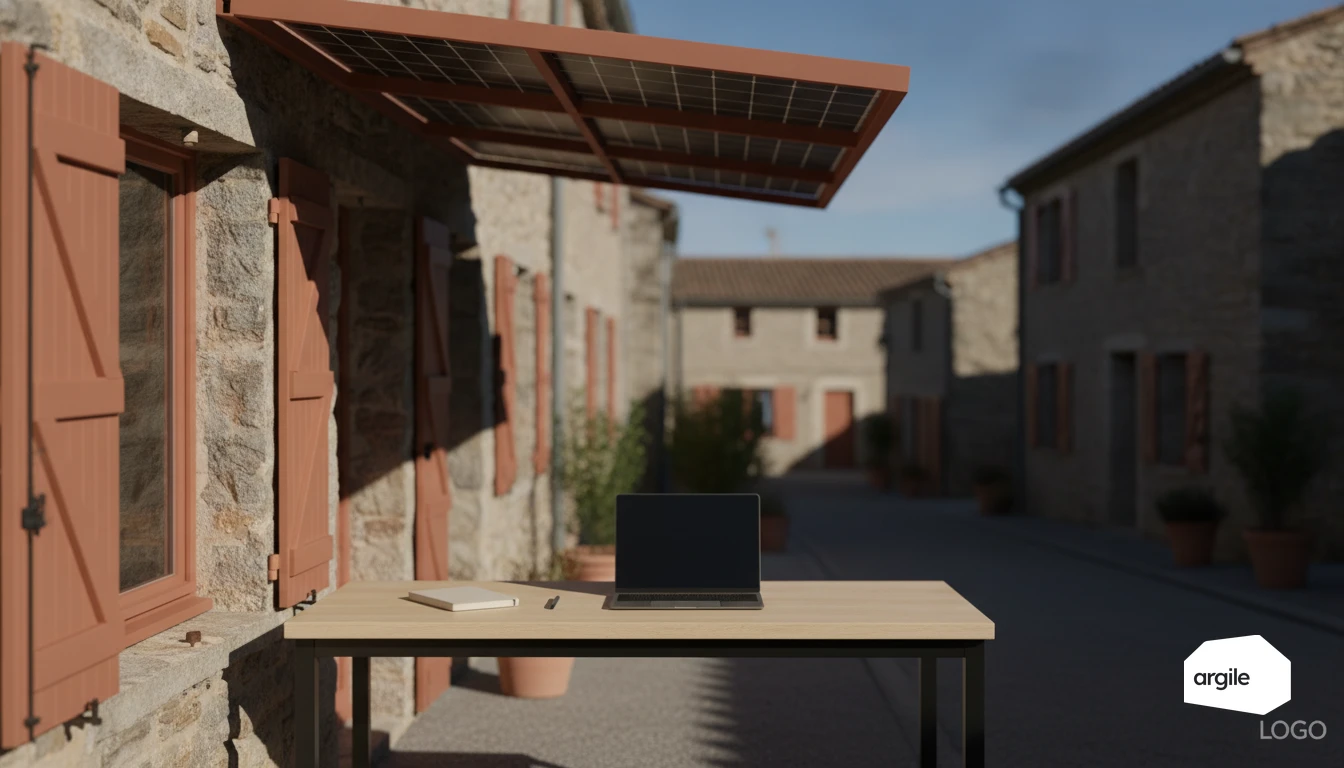
On a job, an error in surface area or a "default" output figure can quickly wreck profitability and client satisfaction. You need simple benchmarks to size correctly, without over-equipping or underestimating, from the very first estimate. We sort out the practical field values from the assumptions that send a quote off track.
5 min read

In a retrofit, the hot water going down the drain can still earn you kWh, especially from showers and small multi-unit buildings. As a tradesperson, this is a simple option to build in when a client wants to cut their bill without major work, provided you spot the right uses and installation points. Here, we lay out the principle and the cases where it's genuinely worth it.
5 min read

No statutory interval governs the servicing of a ventilation system in an occupied dwelling. Two cases sit outside that rule, a new dwelling at completion and any work that affects ventilation, and everywhere else the only defensible benchmark is the flow rate you measure against the Approved Document F tables.
5 min read

A thermodynamic heat-recovery unit is sold as ventilation that heats. The question nobody asks at quote stage is how much heat the supply air can actually carry, and that is bounded by the regulatory flow rates. We work it out here, along with what the French EPC keeps from the machine and what the decree of 17 November 2020 requires for the grant.
5 min read
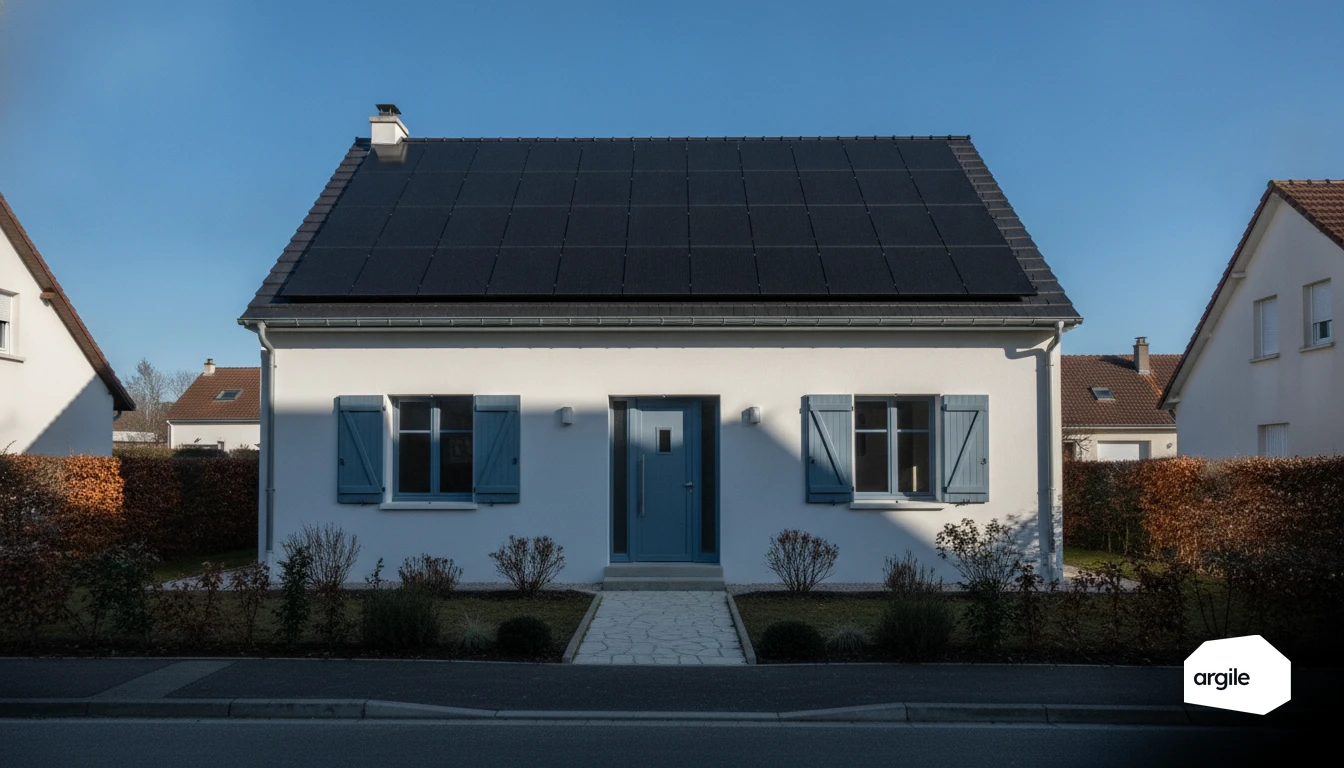
Sizing a solar array for self-consumption comes down to one division: annual daytime consumption divided by the local yield in kWh per kWp. Everything else is the quality of those two terms. The yield comes from PVGIS, not from a national average, because it varies by a quarter between Glasgow and Plymouth. Daytime consumption comes from the half-hourly meter data, not from the annual bill.
6 min read

A tapping profile is a standardised draw-off sequence, not a marketing estimate. Regulation (EU) No 814/2013 defines ten of them, from 3XS to 4XL, each with its reference energy Qref and its maximum flow rate. The declared profile sets the water heating efficiency the appliance has to meet, and therefore what you can commit to on a quotation.
5 min read

Between selling all your production and using it on site, the right choice often comes down to 3 simple points: your client's profile, their usage patterns, and the actual value of a kWh depending on the time of day. As a tradesperson, you save time by asking the right questions upfront, then costing two clear scenarios, with no vague promises.
4 min read
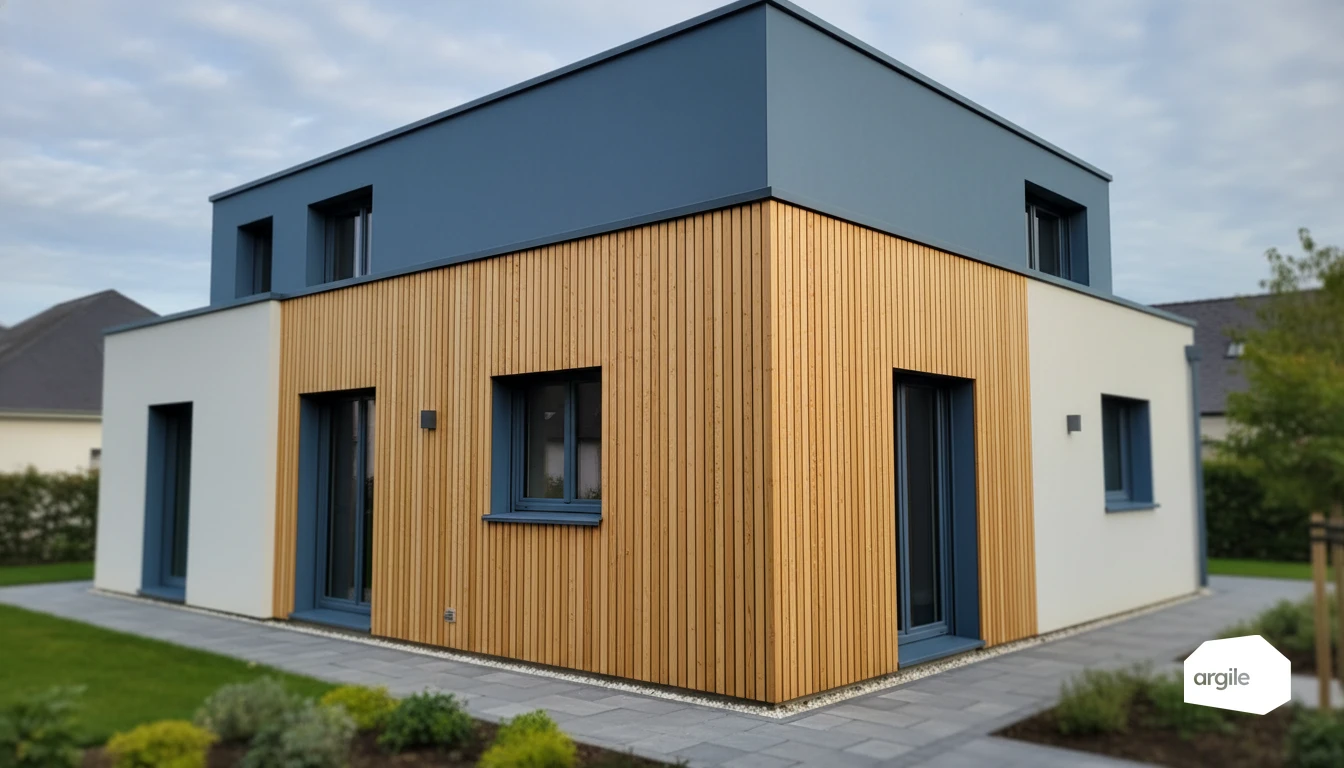
External wall insulation under wood cladding turns on two sets of values, not on the choice of timber species. The first comes from NF DTU 41.2 and fixes the air gap, the ventilation and the framing: it decides whether the façade lasts ten years or comes back as a claim. The second comes from the grant schemes and fixes the thermal resistance of the insulation, with a threshold that changes depending on whether the work is a single measure or a whole-house retrofit.
5 min read

In a water heater, the anode does the quiet job that keeps you from getting a callback for a perforated tank. Magnesium, titanium or impressed current, each solution has its own installation habits, checks and pitfalls, and that's often where everything is decided. Get this choice right and you secure the installation's lifespan and your client's peace of mind.
5 min read

When you add a recirculation loop to the domestic hot water (DHW) system, your clients gain comfort, and you gain peace of mind on callbacks. But that continuous circulation can also push up losses in the pipework, especially if insulation and control are rough. Getting the setting right is often just a few hours of fine-tuning to stop kWh leaking into the walls.
5 min read

When you play with orientation, opening size and the right solar shading, you gain comfort right away. Fewer dark zones during the day, less overheating in summer, and clients who feel the difference without needing a lecture. It's up to you to turn daylight into a real renovation lever, simple to explain and easy to price.
5 min read
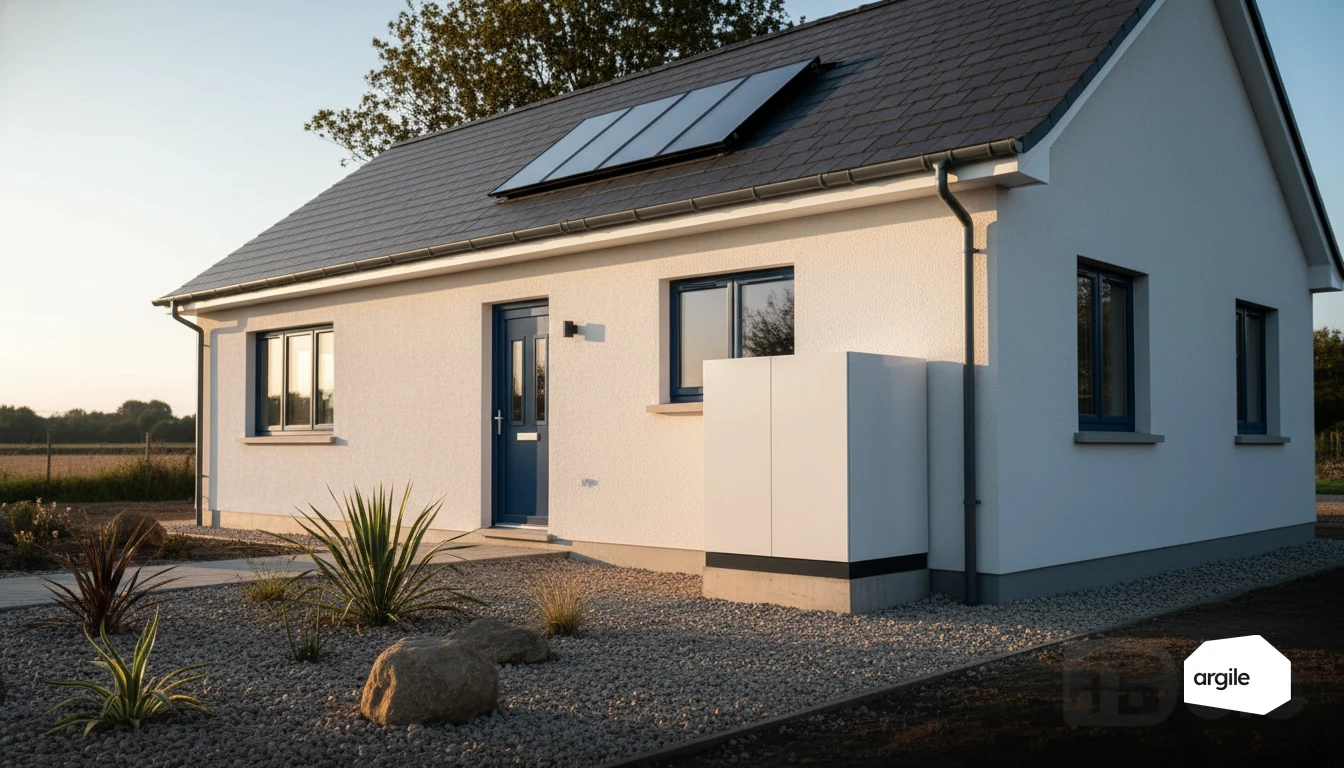
Between a heat pump water heater and a solar water heater, the choice turns neither on the COP nor on the headline price. It turns on the tapping profile the appliance has to hold, set by Regulation (EU) No 814/2013, and on a non-combination rule that took effect on 1 January 2026: the heat pump cylinder loses its energy-scheme payment as soon as a heat pump appears on the same quotation.
8 min read
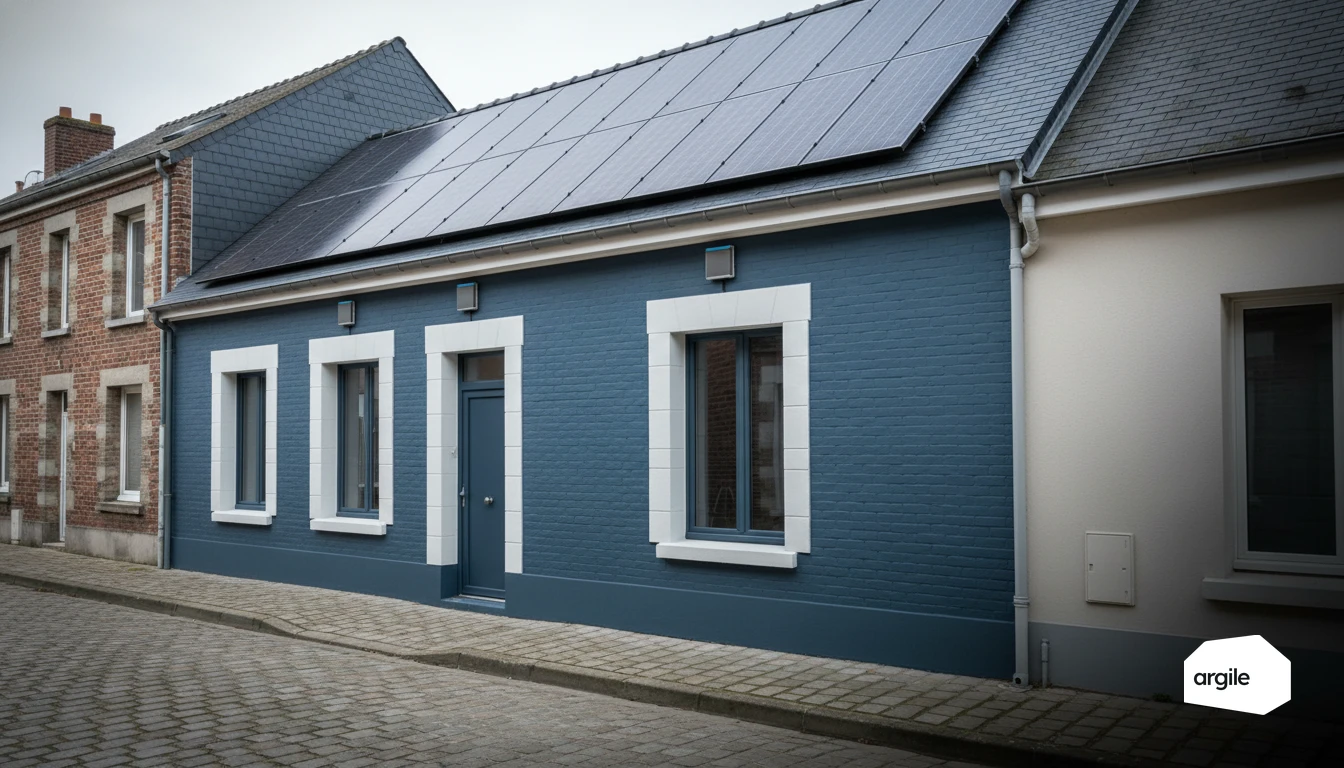
When a roof has shade, a nearby chimney or mixed orientations, output can drop faster than expected. Module-by-module control protects yield on the penalized zones without redoing the whole array. It's also a good lever for diagnosing issues, explaining them to the client, and delivering a more consistent PV installation, job after job.
6 min read
Reveal your expertise
One demo, and you see your expertise proven.
Contact us
