News
Articles by Argile
Regulation, field practice and tools: our analysis to help renovation professionals sell and deliver energy retrofits.
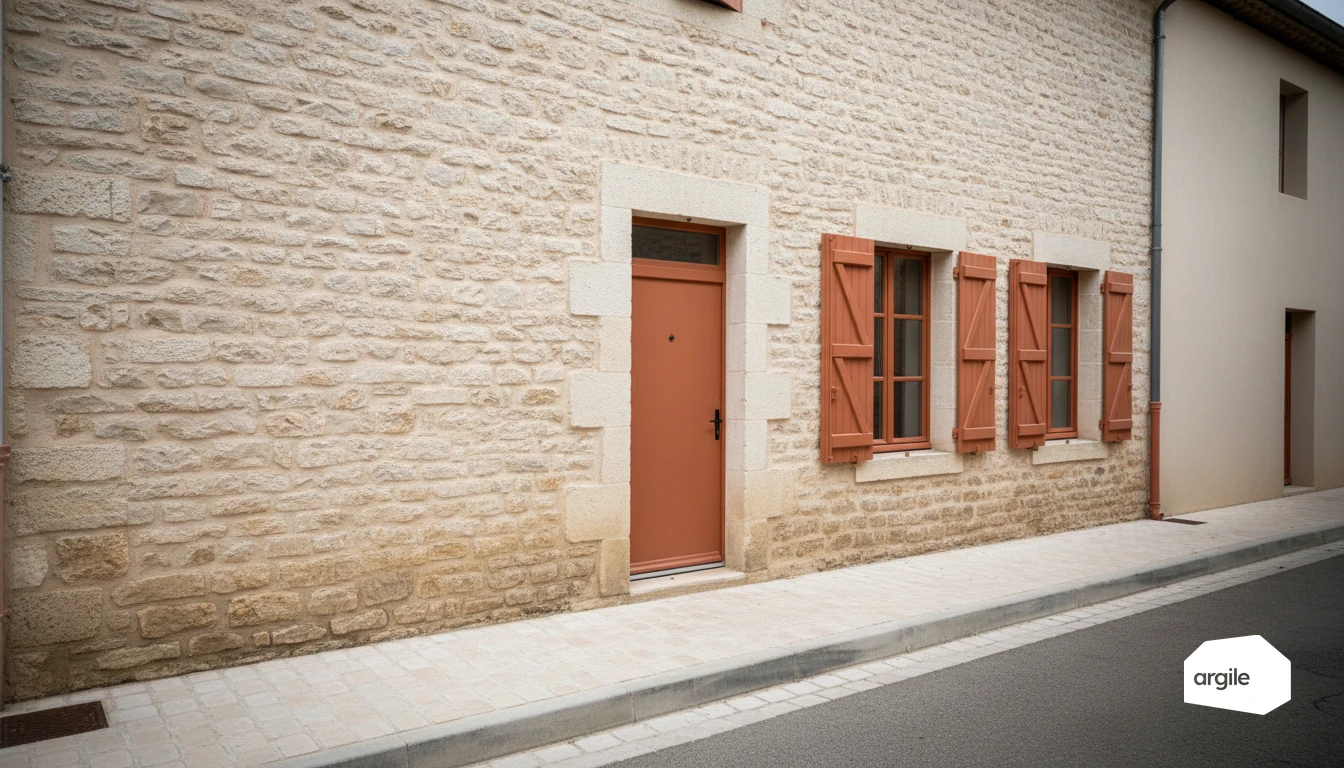
On site, “invisible” thermal bridges can quickly derail a stated performance level. Once you know how to read this coefficient linked to junctions, you can pinpoint where heat is escaping, prioritise fixes, and keep your calculations and quotes reliable. In short, it's a small number that prevents big surprises at testing or handover.
5 min read

On a job site, the bags fill up fast. By sorting from the start, ordering more precisely and reusing what can be reused, you cut down on trips, skip-hire costs and the mistakes that eat into your margin. The payoff: a cleaner, smoother job site, and a client who notices the difference.
5 min read

Once a job is done, it doesn't all stop at the final finish. A call at day 7, then a simple check-in at 3 months, is often enough to defuse minor issues and show that you carry quality through to the end. The result: reassured clients, more referrals, and fewer disputes dragging on.
5 min read
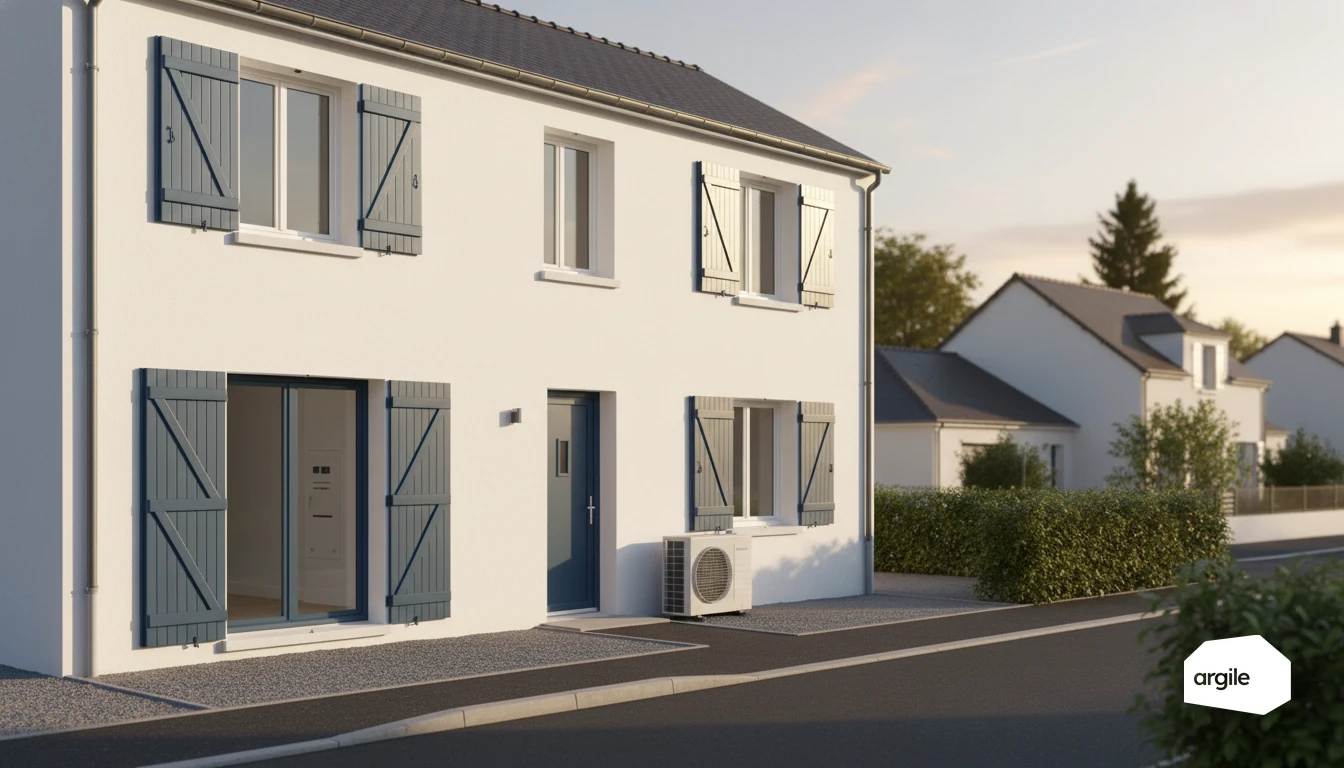
When you install a heat pump, the electrical connection can quickly make the difference between a smooth commissioning and a project that drags on. Power to plan for, protections at the consumer unit, meter rating, all of it needs clear figures to size things right, without extra cost or nuisance trips. Here, we put the key points back in the right place, with concrete benchmarks for your quotes and your checks.
5 min read
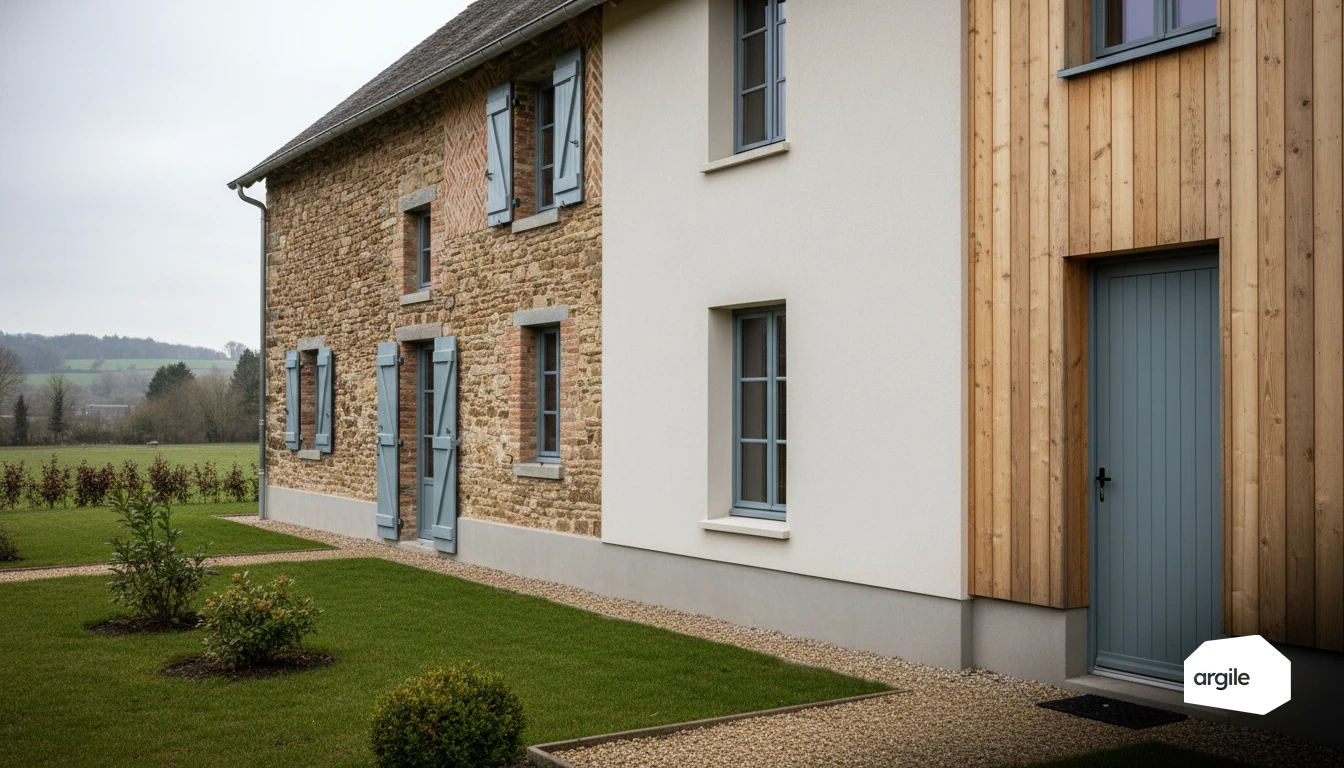
On a job site, the material of a load-bearing wall changes everything: winter comfort, moisture management, and the space available for insulation. Concrete, brick, stone, or timber frame, each case calls for a different strategy to avoid thermal bridges and condensation issues. By getting a handle on these points as early as the site visit, you save time, and you secure the result for the client.
5 min read
On site, an accurate diagnosis and correct sizing are what save you from callbacks, repeated adjustments and runaway energy bills. Taking the time to ask the right questions, floor area, insulation, usage patterns, emitters, secures your equipment choice and your commissioning. The result: an installation that keeps its promises, and a reputation that follows.
5 min read
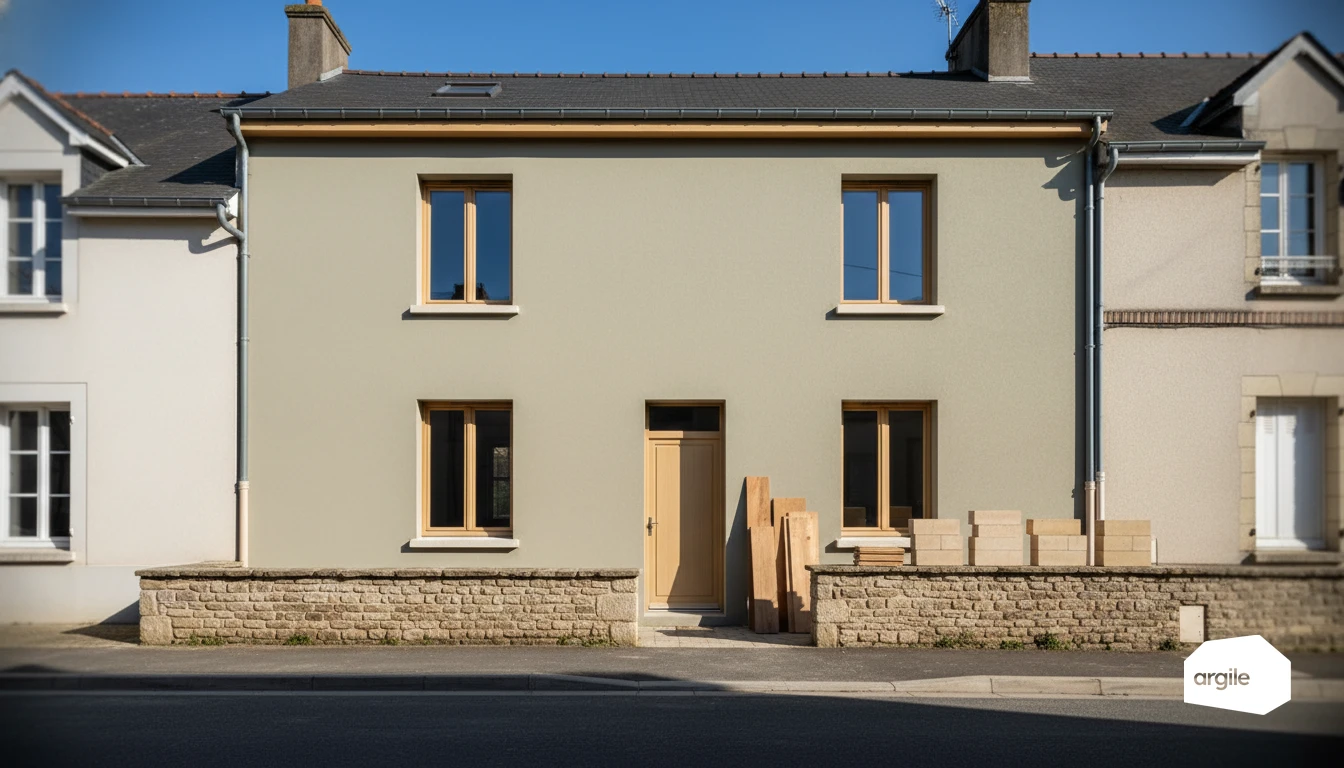
Low carbon in a retrofit is not proved by argument, it is proved by paperwork: an EPD to BS EN 15804 for the product, delivery notes, and a waste trail that stands up. And the waste trail is not optional. The duty of care under the Environmental Protection Act 1990 requires an accurate written description of every load and a transfer note kept for two years, three for hazardous waste.
5 min read
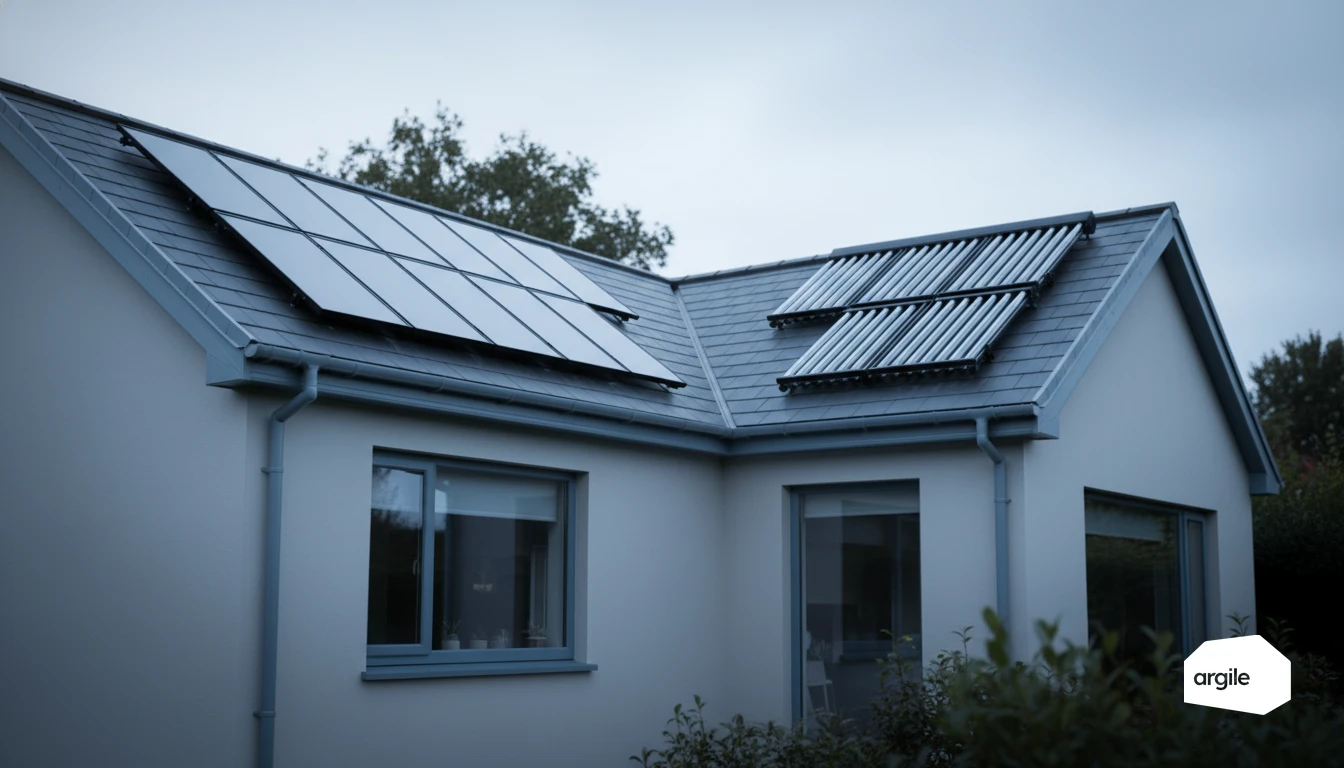
On a solar hot water job, the right collector is the difference between an installation that runs all year and one that disappoints the moment it turns cold. Flat-plate glazed or evacuated tube, the real trade-off is between ease of installation, cold-weather performance and budget. Clarifying these points at the quote stage protects your performance and your client's satisfaction.
5 min read
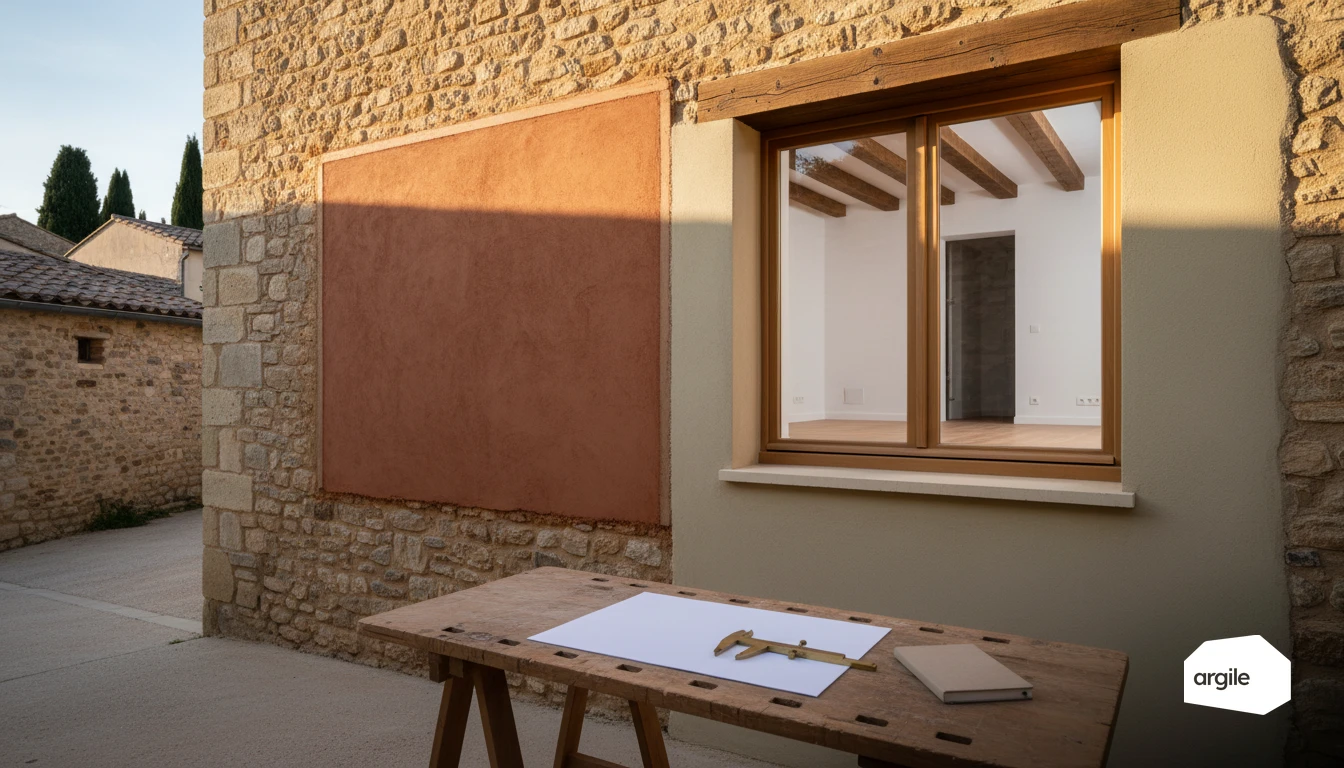
On site, a wall’s U-value is often what separates a solution that “just about works” from one that truly holds up. As a tradesperson, you need a fast, reliable calculation, even when the wall composition changes from room to room or you have to choose between two thicknesses. Here we show you a simple method, with clear tables, to get a clean U-value without spending the whole evening on it.
6 min read
On your projects, the real challenge is moving fast without missing a compliance point that could cost you a client callback or a file to redo. With Argile, you keep a clear method, well-organized evidence and reports ready earlier, even when the day is packed. Less time spent hunting for information, more peace of mind when you have to justify every choice. And you move forward with a solid organization, without weighing down your daily routine.
5 min read
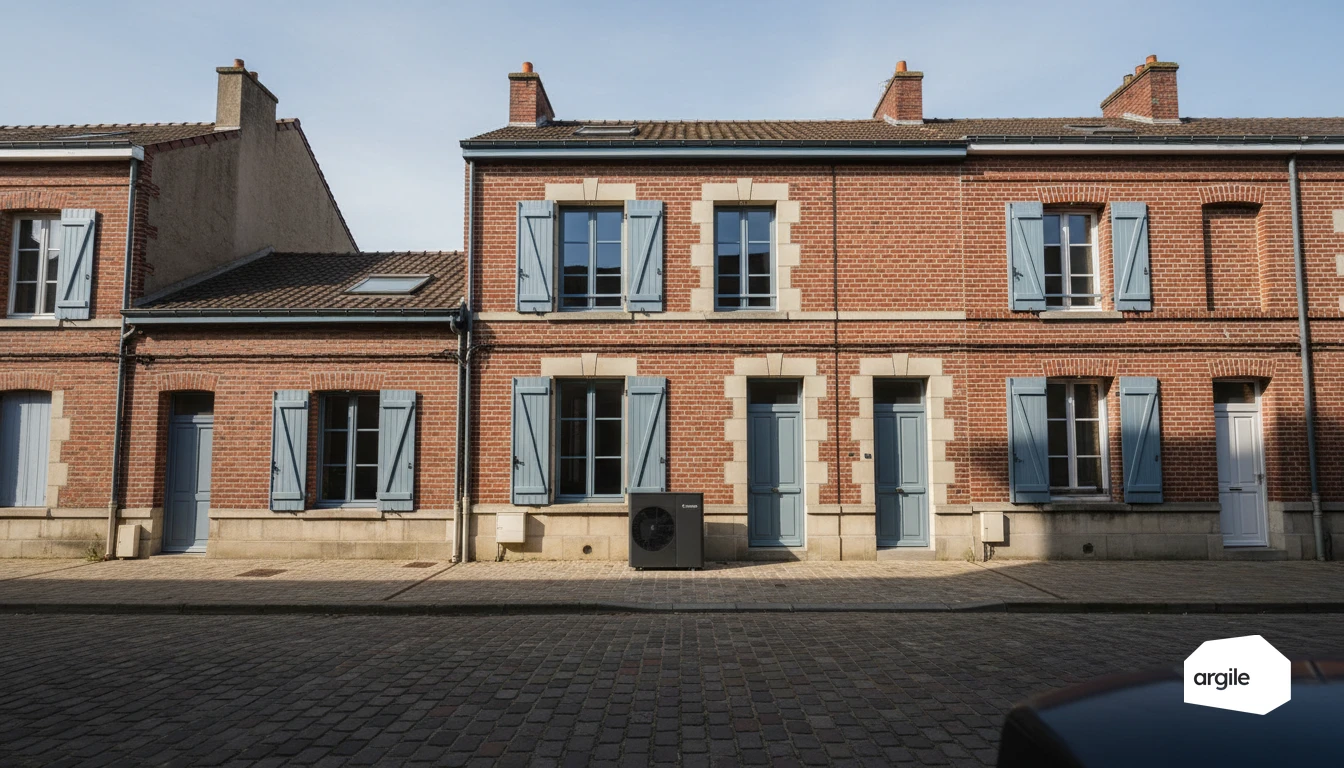
When a client wants to keep their oil boiler but cut the bill, you have a simple card to play: adding a solution that takes over as soon as the weather turns mild, without touching the whole radiator network. In practice, you modernise in stages, secure comfort, and make both the job and the quote easier, with a result that's quick to explain and to sell.
5 min read
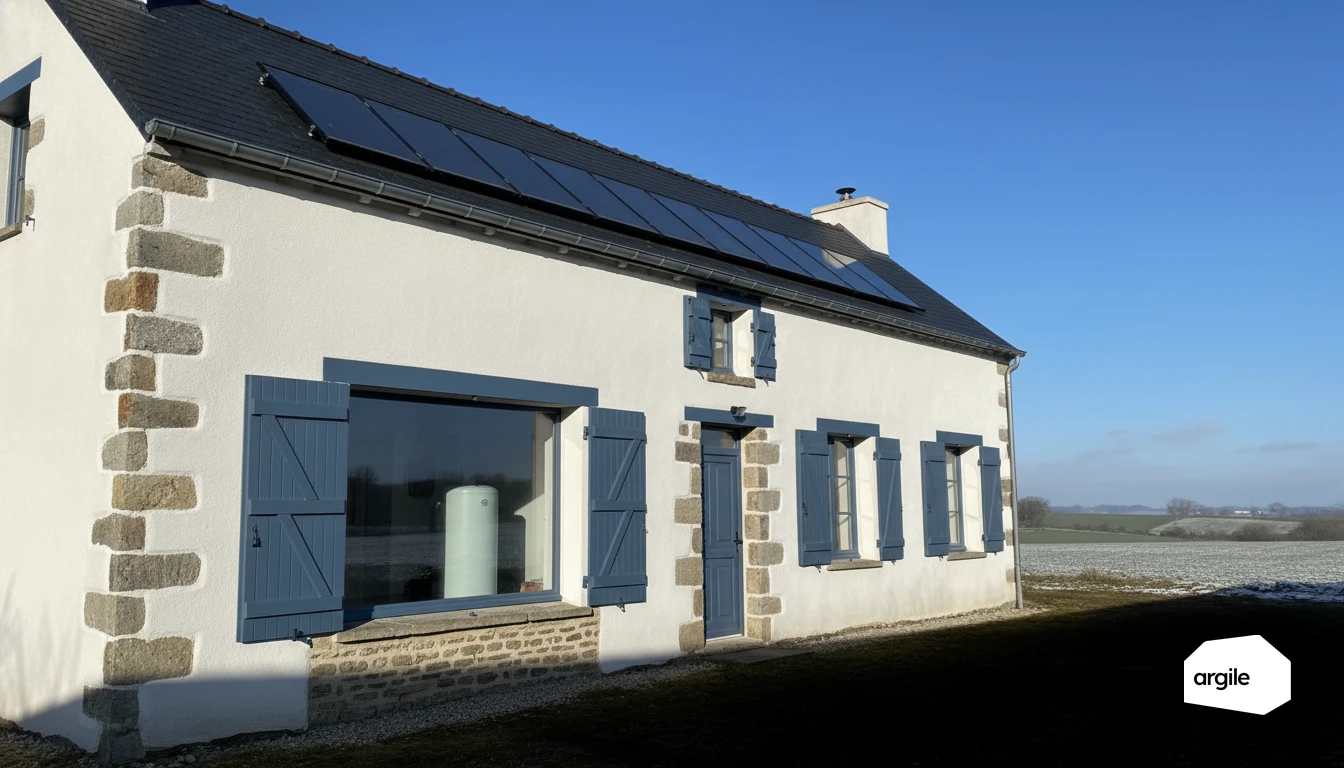
When a client wants to heat the house and produce hot water with the same installation, you're the one who has to quickly separate promises from job-site reality. With the right configuration, you can aim for concrete savings on the bill, without complicating maintenance or overloading the boiler room. Here's a rundown of the choices that really matter, from sizing to connection.
5 min read
Reveal your expertise
One demo, and you see your expertise proven.
Contact us
