News
Articles by Argile
Regulation, field practice and tools: our analysis to help renovation professionals sell and deliver energy retrofits.

In an apartment building, measuring heat "as fairly as possible" on paper is tempting. On the ground, these small devices can quickly become a source of disputes, between poorly balanced radiators, airing habits, and insulation work that varies unevenly from one home to another. It is well worth knowing their limits so you can explain things simply, make the right diagnosis, and avoid bad surprises at the end of the heating season.
5 min read
When you have a doubt hiding behind a wall lining or inside a partition, the right move is to look rather than assume. With a quick, clean visual inspection, you can spot compressed insulation, damp, or duct runs without opening everything up. The payoff is a more reliable diagnosis and a better-controlled job, from the very first drill hole.
5 min read

When the load-bearing wall also acts as insulation, you save space, simplify site details, and limit thermal bridges from the design stage onward. On the ground, everything comes down to your material choices, moisture management, and envelope continuity, especially around floors and window openings. Well designed, this approach gives you a solid, high-performing "all-in-one" wall that is easier to explain to your client.
5 min read

When you insulate from the inside, you quickly gain comfort, but you also risk losing the "buffer" effect of the walls that stabilizes temperature. Good news, the dilemma isn't inevitable. By choosing the right materials, properly handling airtightness, and keeping some mass on the room side, you can aim for a clean, high-performing, comfortable job.
5 min read

The decision turns neither on litres nor on the headline price: it turns on the load profile declared under Regulation (EU) No 814/2013 and on the power the incoming supply can actually deliver. An instantaneous electric unit able to hold a shower draws a current no domestic single-phase service will give you. Here are the two tables to take to the survey.
5 min read

When you play with orientation, opening size and the right solar shading, you gain comfort right away. Fewer dark zones during the day, less overheating in summer, and clients who feel the difference without needing a lecture. It's up to you to turn daylight into a real renovation lever, simple to explain and easy to price.
5 min read

In retrofits, walls in rammed earth, adobe or cob call for a different approach. You can gain comfort without trapping moisture or weakening the existing structure, as long as you choose compatible materials and careful installation. Get it right, and you protect the building, the schedule and performance, with no bad surprises on site.
5 min read
A poorly connected intermediate floor is often where heat loss hides and where callback after callback for finishing snags starts to pile up. As the tradesperson, you're the one who can treat this sensitive point cleanly, without adding weight to the job or complicating the networks. With the right moves, you gain client comfort and measurable performance from the very first heating season.
5 min read
Between a heat pump water heater and a solar water heater, the choice turns neither on the COP nor on the headline price. It turns on the tapping profile the appliance has to hold, set by Regulation (EU) No 814/2013, and on a non-combination rule that took effect on 1 January 2026: the heat pump cylinder loses its energy-scheme payment as soon as a heat pump appears on the same quotation.
8 min read
When a roof has shade, a nearby chimney or mixed orientations, output can drop faster than expected. Module-by-module control protects yield on the penalized zones without redoing the whole array. It's also a good lever for diagnosing issues, explaining them to the client, and delivering a more consistent PV installation, job after job.
6 min read
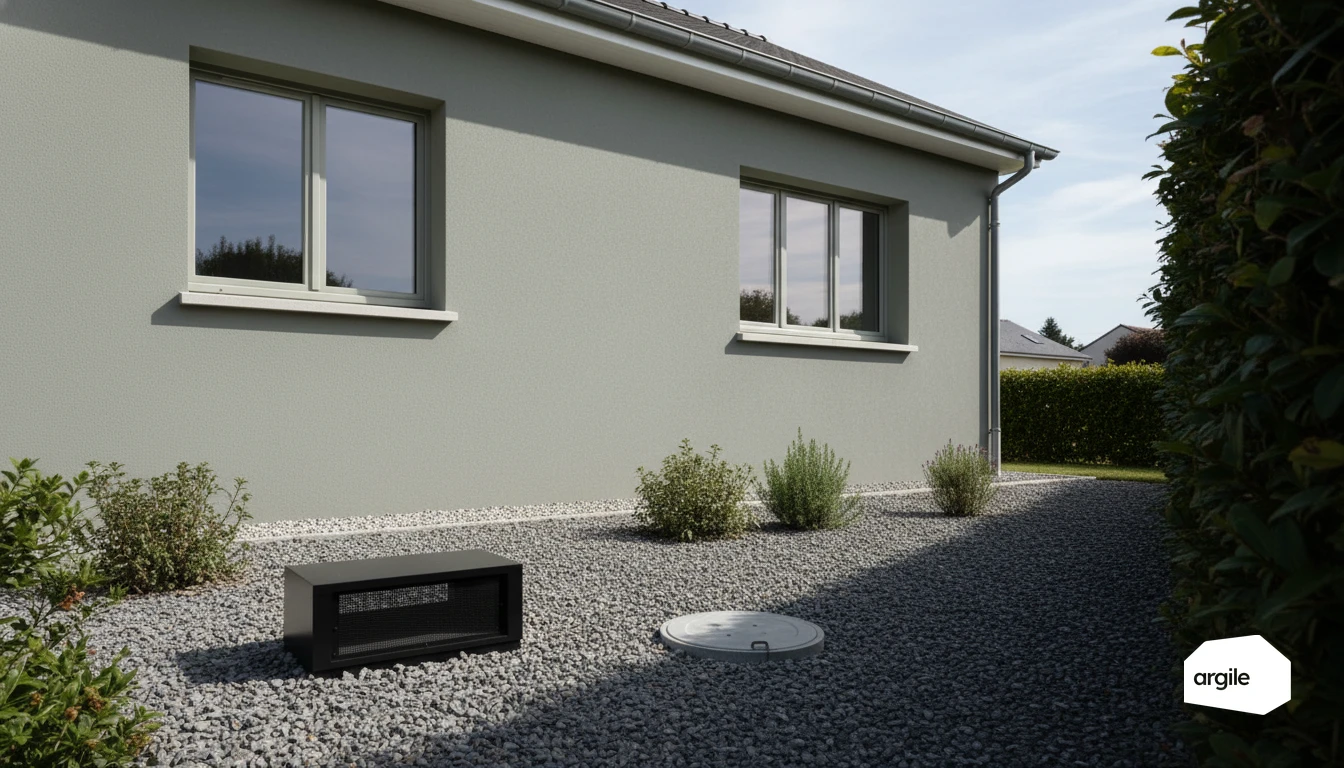
On site, the air-ground exchange can improve summer comfort without blowing the budget, provided you don't get the airflow, length and duct installation wrong. As a tradesperson, you have everything to gain by framing the sizing from the quote stage and anticipating the field lessons that make the difference: moisture, cleaning access, slopes, and drainage quality.
6 min read
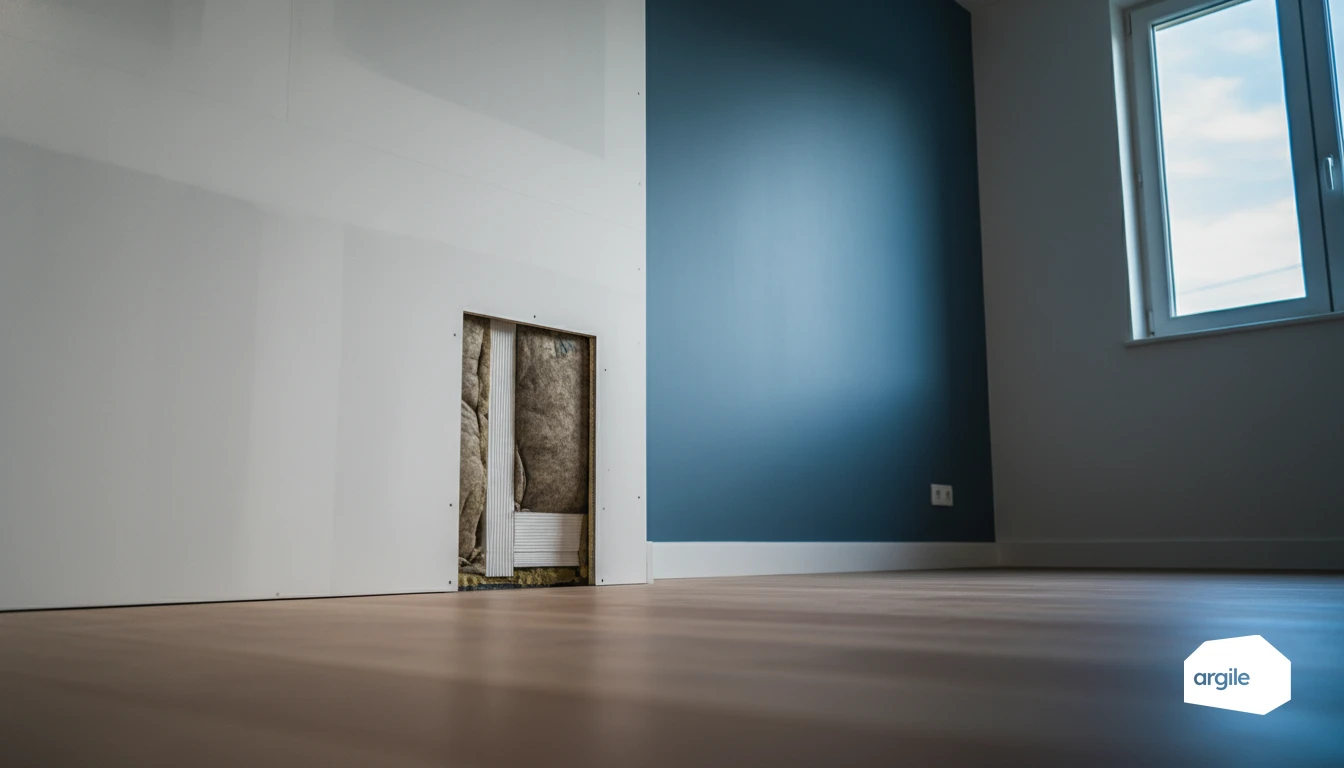
On site, the most common way to insulate from the inside is to pair an insulation material with a plasterboard facing, clean, fast, and compatible with most rooms. For you, the tradesperson, everything comes down to the details: a sound substrate, flatness, continuity of the insulation, and careful treatment of sensitive points around cables and window frames. Done well, this installation saves you time while avoiding callbacks linked to moisture and thermal bridges.
5 min read
Reveal your expertise
One demo, and you see your expertise proven.
Contact us
