News
Articles by Argile
Regulation, field practice and tools: our analysis to help renovation professionals sell and deliver energy retrofits.
The reference figure for domestic hot water consumption is not a sales estimate. The French 3CL-DPE 2021 method uses 56 litres per person per day at 40°C for conventional behaviour and 79 litres for heavy use. The instrumented ADEME and COSTIC monitoring campaign lands on the same measured average, with a standard deviation of 23 litres.
5 min read
Between solar production, storage and real-time consumption, your customers expect an installation that adapts without hassle. The right equipment choice makes the difference between smooth self-consumption and unnecessary grid draws, especially as usage patterns change (EV, heat pump, water heater). Here you have concrete benchmarks for managing the flows, securing the job and delivering an installation that keeps its promises.
5 min read
Aiming for a thermal resistance around R=10 changes the scale of comfort and the heating bill. For you as a tradesperson, the real challenge is simple: hit that performance without surprises on thickness, tricky junctions, and moisture. With a clear method from the quote onward, you secure both the result and your margins.
5 min read
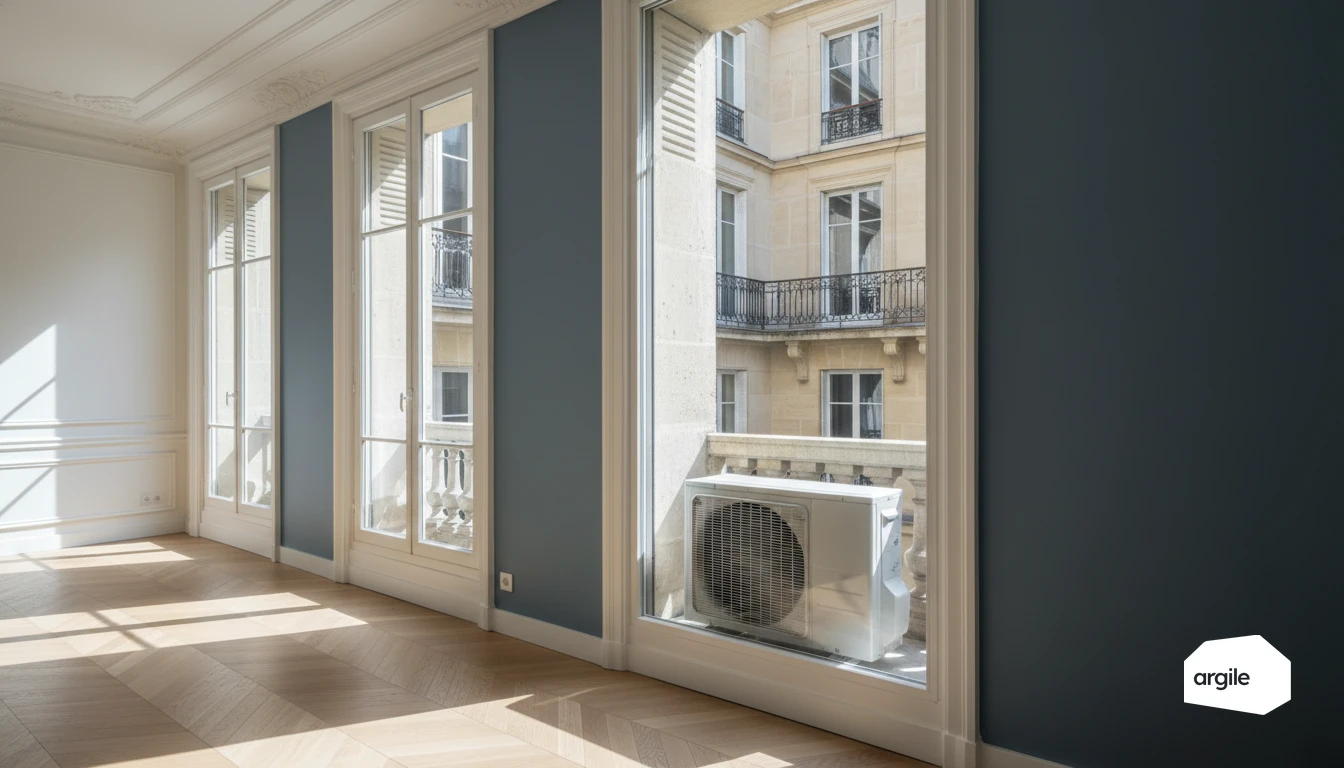
No rule sets a minimum distance between an outdoor unit and a boundary line. What binds you are the installation clearances, the noise limit that applies at the assessment position, and whatever the local planning regime adds on top. The rest is site management, and it has to be written down.
4 min read
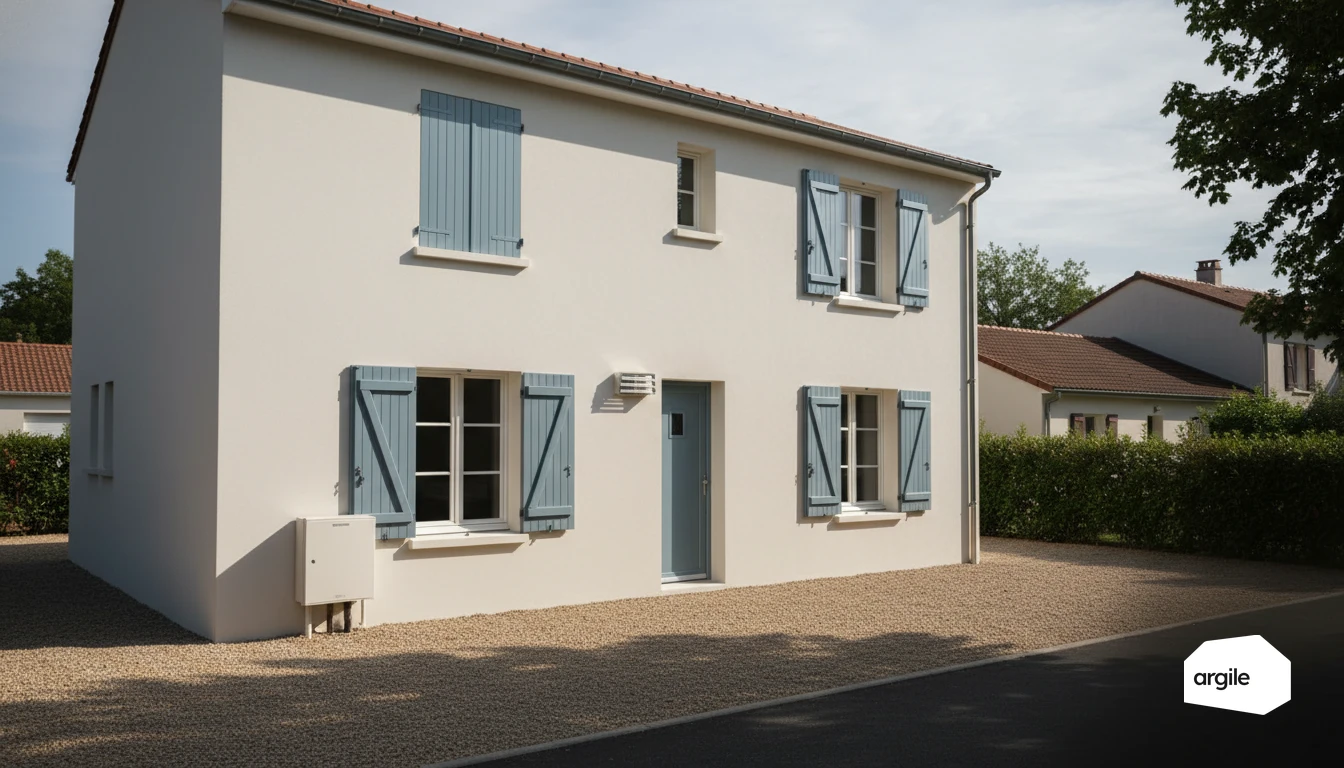
On a heat-pump water heater, the extracted air often makes the difference between a silent installation and a unit that draws too hard on the room. In renovation, you mainly need to secure three points: where to capture the air, where to discharge it, and how to avoid odours, humidity or cold draughts coming back. With a simple method, you save time on site and deliver stable comfort to the client.
5 min read

On site, choosing modules is never 'just a question of price.' Monocrystalline or polycrystalline, you're trading off power per m², visual appearance, and flexibility when roof space is tight. By setting the right benchmarks from the quote stage, you avoid production disappointments and secure an installation that's consistent with the roof, orientation and the client's budget.
5 min read
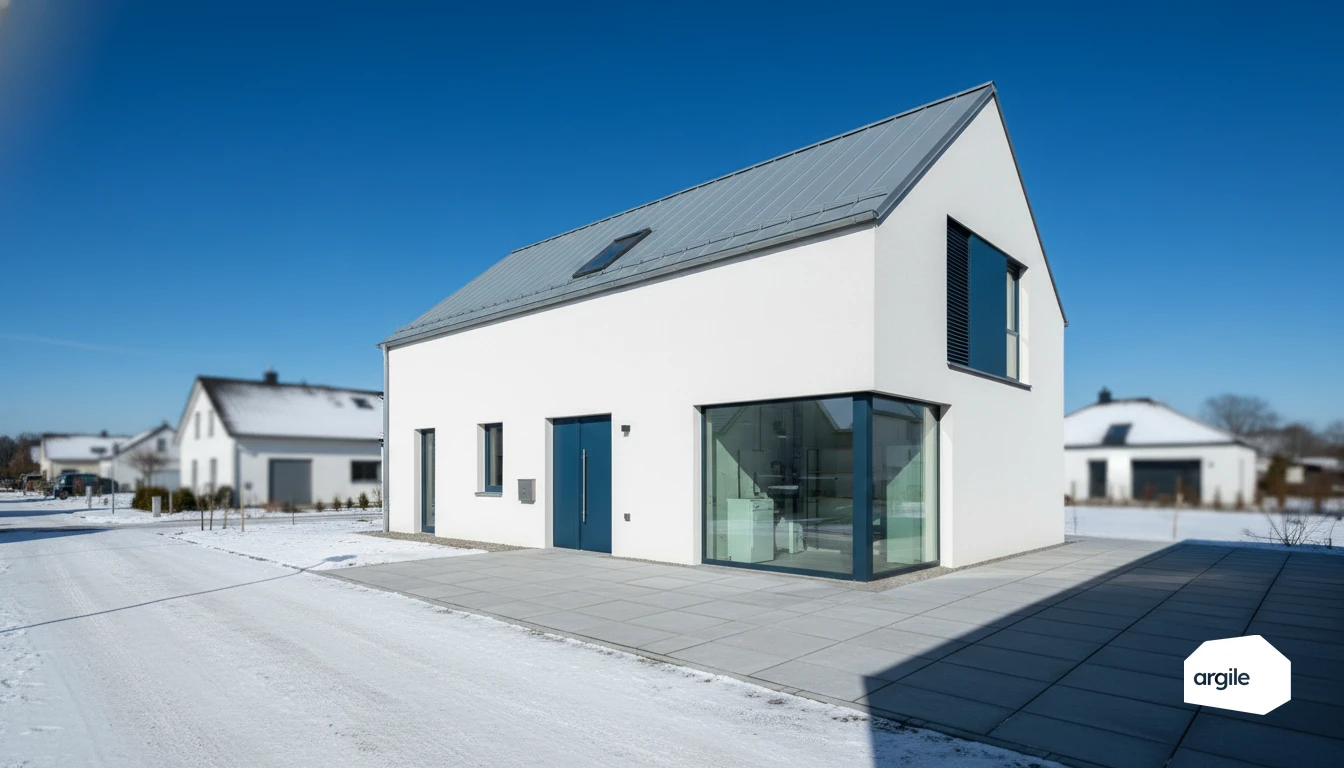
A two-speed ventilation unit holds the two flow rates the French order of 24 March 1982 keeps apart: the dwelling's permanent flow (90 m³/h for four main rooms) at low speed, and the kitchen peak (120 m³/h) at high speed. Speed 1 day to day, speed 2 while cooking, never off: that is what the unit, its control and its settings must make easy for the client.
8 min read
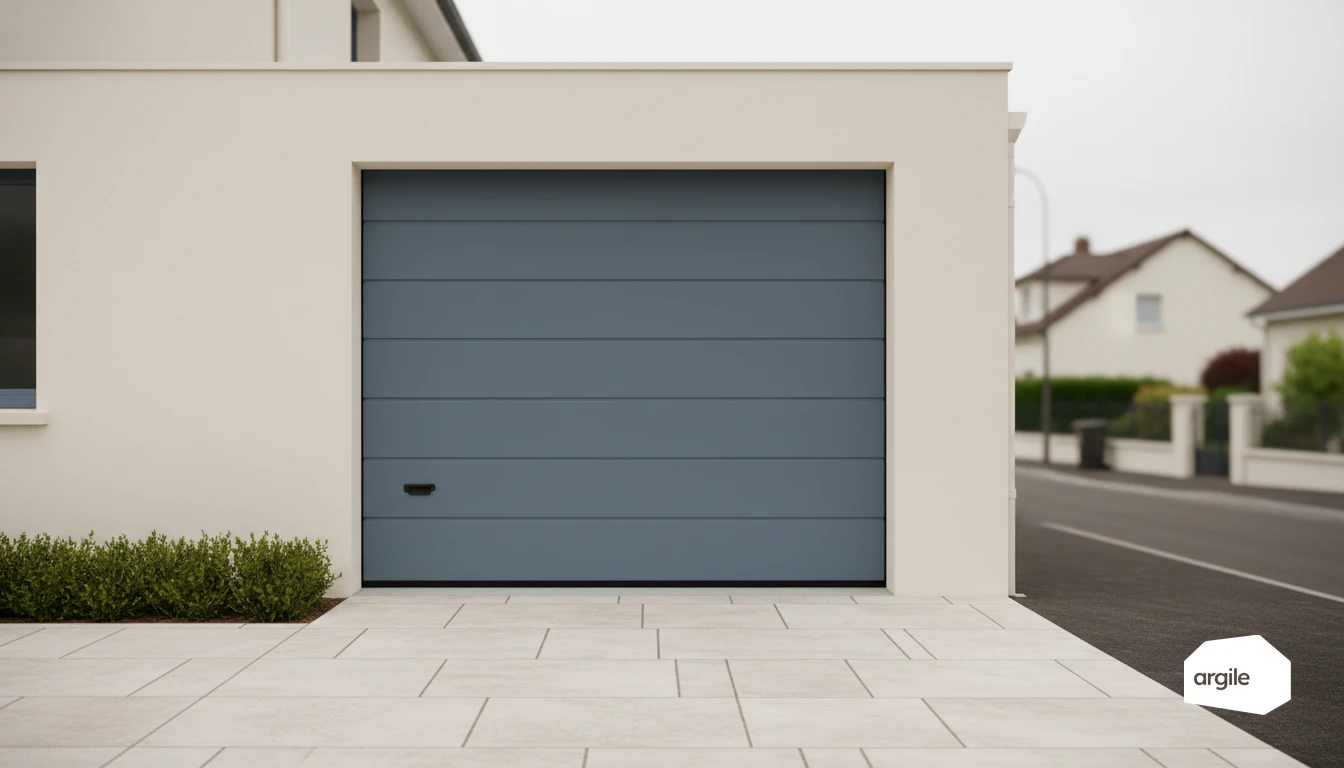
An insulated garage door has no regulatory threshold: no text imposes a Ud on it, and it does not appear on the list of works qualifying for the reduced VAT rate. What commits you is the value declared under EN 13241+A2, the air permeability class recorded on the data sheet, and the sealing at the reveal. Here is what to record on site, what to demand from the manufacturer, and how the package breaks down on the quote.
5 min read
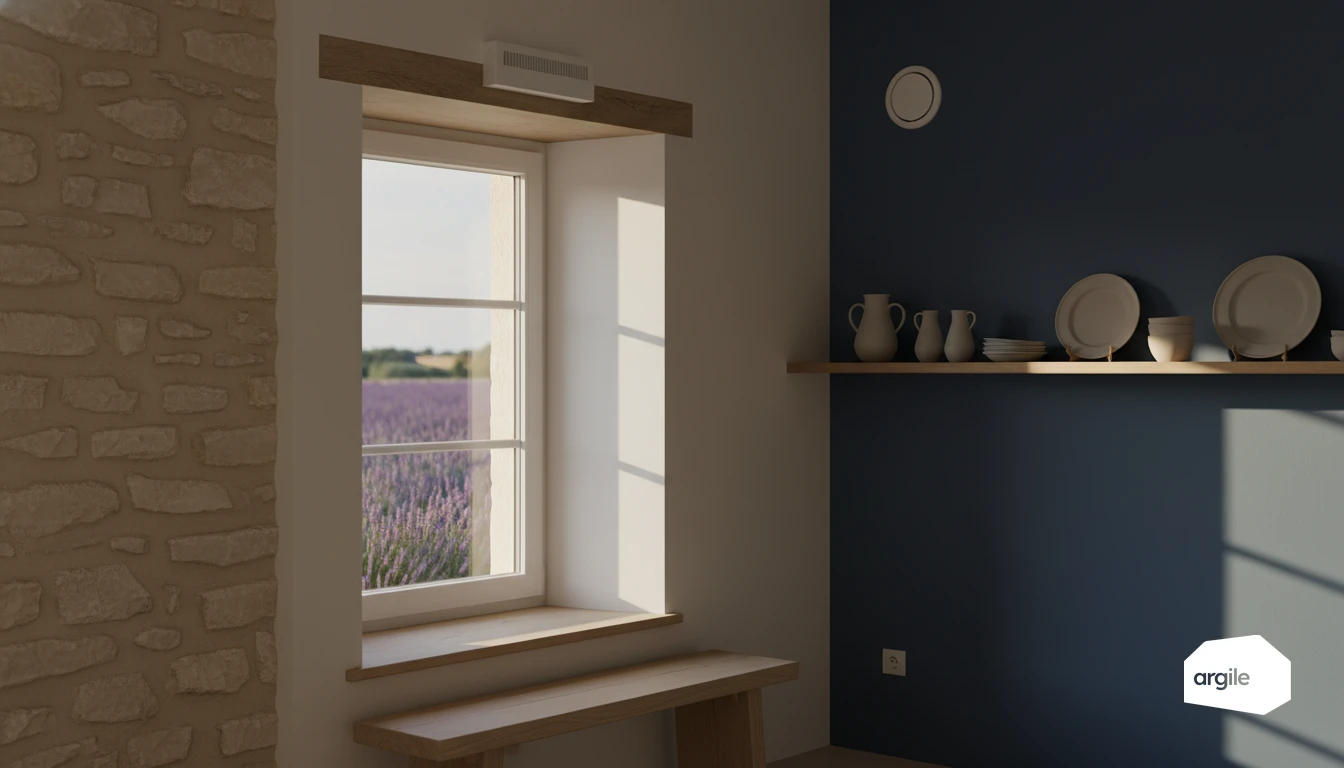
An extract vent goes in the kitchen, bathroom and WC, high up: at least 1.80 m above the floor and at least 20 cm between its axis and the adjacent surface, under the French NF DTU 68.3. Airflow rates come from the order of 24 March 1982, which does not cover the utility room. The rest is about facing the air supply and undercutting the doors.
8 min read
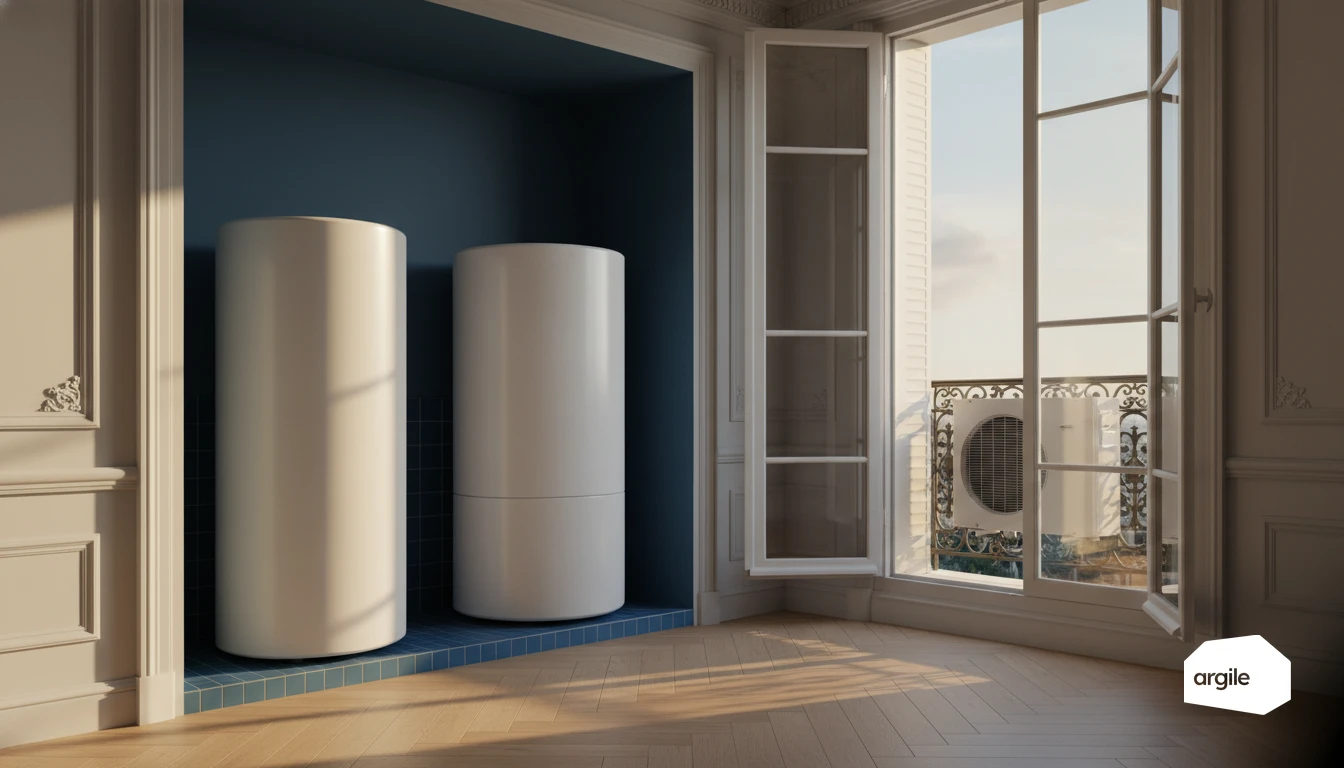
On site, the choice between a monobloc and a split system mainly comes down to your installation, connection and maintenance constraints. Getting these differences clear at the quote stage means fewer back-and-forths, fewer surprises, and a smoother commissioning. With a few simple points, you'll be able to decide based on the building, access, and the level of work the client will accept.
5 min read
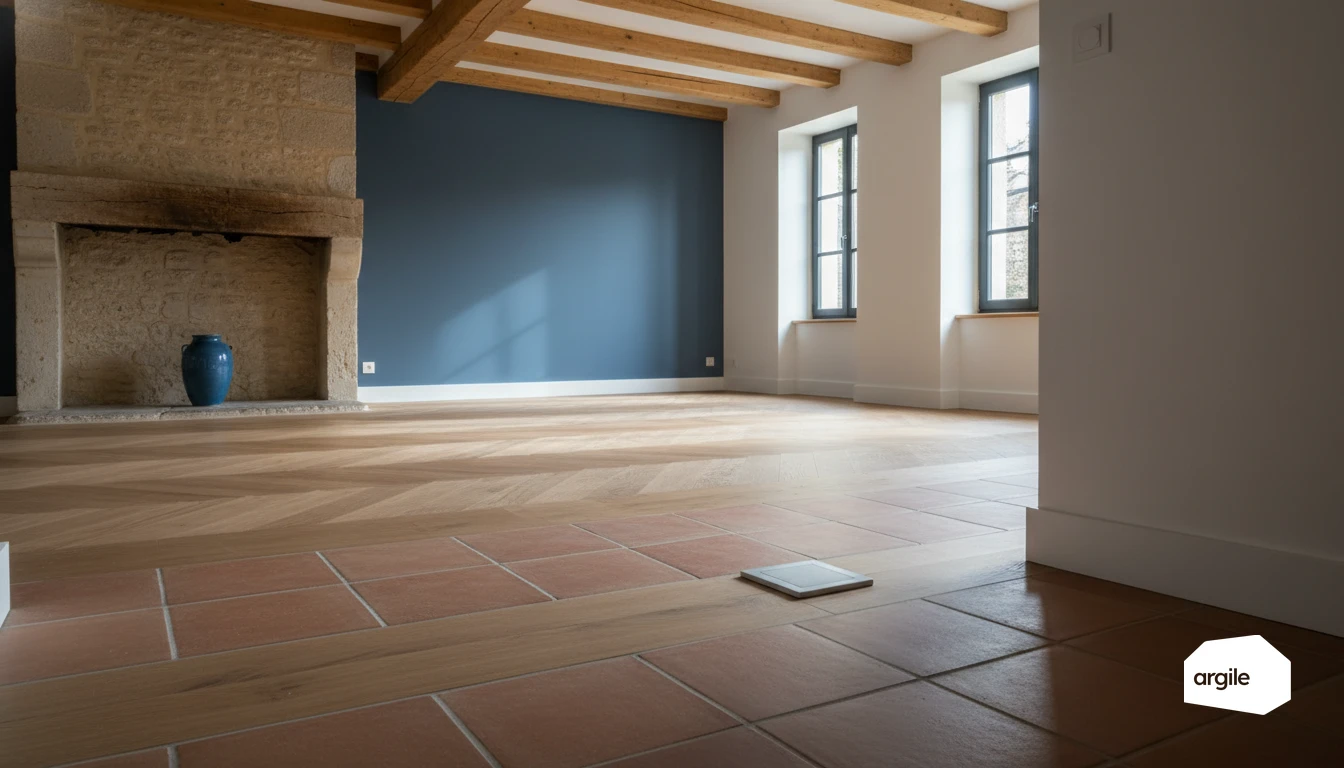
On underfloor heating, the flooring likes neither temperature spikes nor sudden swings. The floor probe gives you a reliable, stable limit, to avoid overheating while keeping comfort, even when the weather changes fast. The result: fewer callbacks and finishes that last.
6 min read
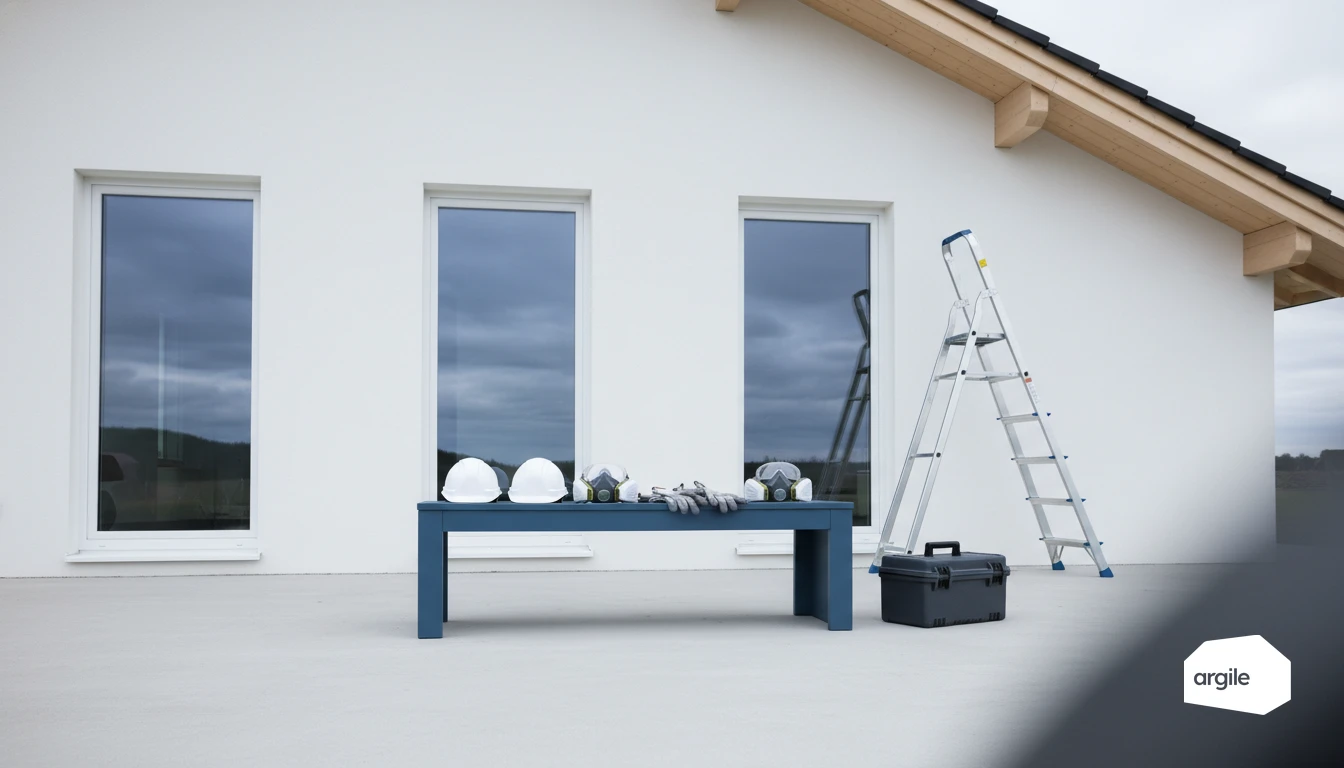
On an insulation job, you're juggling dust, cuts, falls and irritant products. With the right PPE and simple habits, you protect your team without slowing the pace, and you keep a clean, professional site. Mask, goggles, gloves, ventilation, clearly defined work zones, this is often where the difference is made.
5 min read
Reveal your expertise
One demo, and you see your expertise proven.
Contact us
