News
Articles by Argile
Regulation, field practice and tools: our analysis to help renovation professionals sell and deliver energy retrofits.

On a hygro B mechanical ventilation system, a well-adjusted extract vent isn't enough if fresh air doesn't enter in the right place. As a tradesperson, you can secure the airflow, limit discomfort and avoid callbacks, just by taking care with the choice, placement and installation of air inlets. A few job-site details often make all the difference, without adding complexity.
5 min read
A humidity-controlled extract vent is not chosen on a catalogue modulation range but on two regulatory figures: the peak flow rate the room has to reach, and the floor that modulation allows you to hold. The French order of 24 March 1982 sets both, and the BAR-TH-127 sheet adds the conditions that have to be met for the installation to count towards energy-saving certificates.
5 min read

Between photos, plans, customer exchanges and team tracking, your job-site information often ends up scattered everywhere. With the right tools, you centralise everything in one place, avoid oversights and save time without weighing down your day. The result: faster decisions, clear evidence, and projects that move forward cleanly.
5 min read
When your clients complain about a shower that's too hot then too cold, it's often the water going down the drain during adjustment that's the real cost. In renovation, you can give them comfort right away and cut wasted litres, without touching the tank. With the right installation and settings, you also secure the temperature, a real plus in family homes.
6 min read

On a house, siting is not a detail. It can add comfort in winter and avoid overheating in summer, without adding a single piece of equipment. As a tradesperson, you have influence from the earliest sketches or during a major renovation to place living rooms and glazing where they work for you, not against you. A few simple choices, well explained to the client, and your project becomes more efficient, easier to read, and often easier to justify when applying for grants.
6 min read
A rendered external wall insulation system cannot be assessed from a single environmental declaration. It takes two, one for the insulation board and one for the render system, and the producer of the second says so in writing. On declarations actually registered with INIES, 120 mm of EPS weighs 5.88 kg CO₂ eq per m² over fifty years while the render system covering it weighs 32.1. Arguing about board thickness therefore misses the main item.
5 min read
When you optimise a building's envelope, its shape matters as much as its materials. A well-designed volume limits heat-loss surfaces, simplifies insulation, and helps you meet the Approved Document L targets without over-engineering the job site. In practice, it's a concrete lever for gaining performance, budget, and peace of mind, right from the sketch stage.
5 min read

On a job near the sea, salt and humidity attack fast. On a facade, a roof or a terrace, the smallest weakness becomes an entry point, and callbacks pile up. As a tradesperson, you save time when you secure materials, fixings and finishes from the start. With the right reflexes, you deliver a durable result, and you avoid site returns.
5 min read

In renovation, you can improve comfort without piling on equipment, by starting with orientation, sun, wind and the building's thermal mass. These simple markers help you decide quickly, justify your choices to the client and avoid contradictory work. When the building "works" for you, your technical solutions become leaner and easier to deliver on site.
5 min read
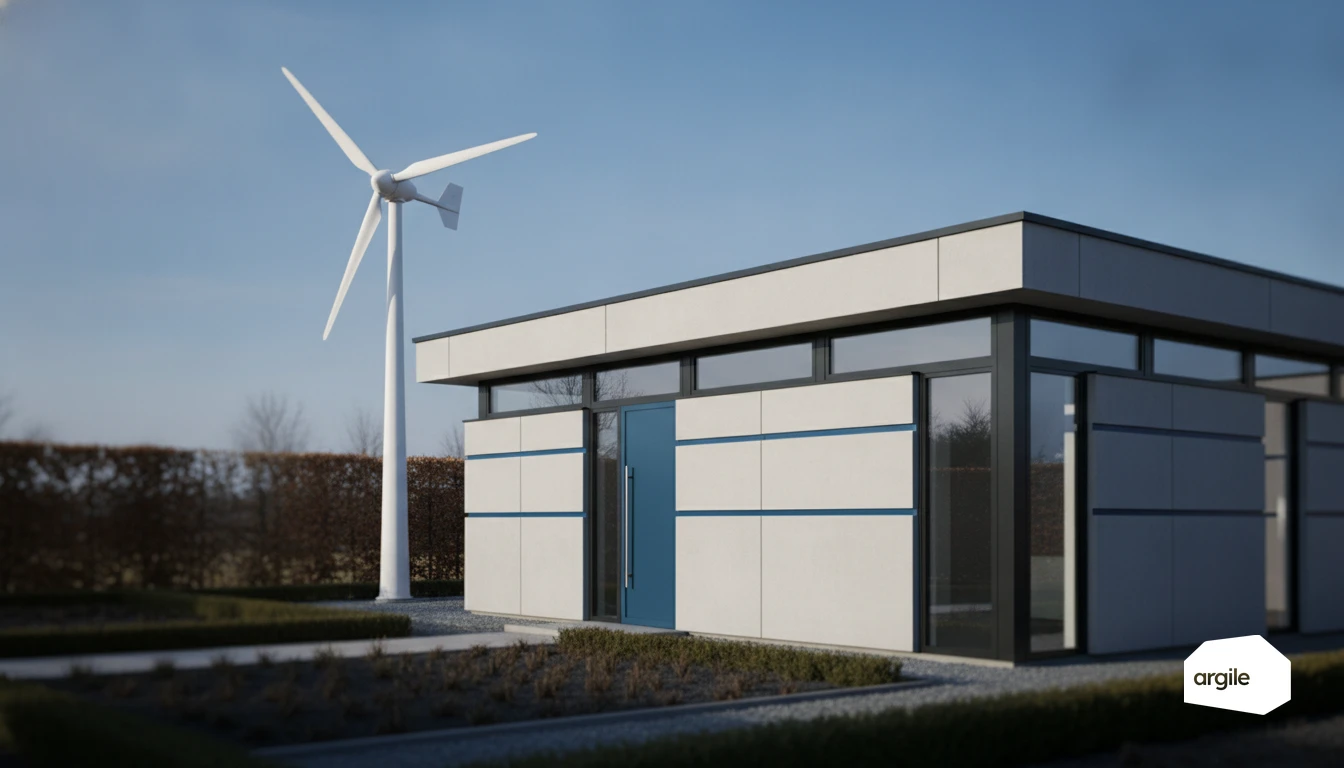
When a client mentions a small wind turbine for their house, you need to sort promise from reality fast. Available height, steady winds, neighbours, local paperwork, that's often where the project is decided, well before the quote. With a few simple benchmarks, you can frame the need, avoid bad surprises, and talk profitability without selling a dream.
5 min read
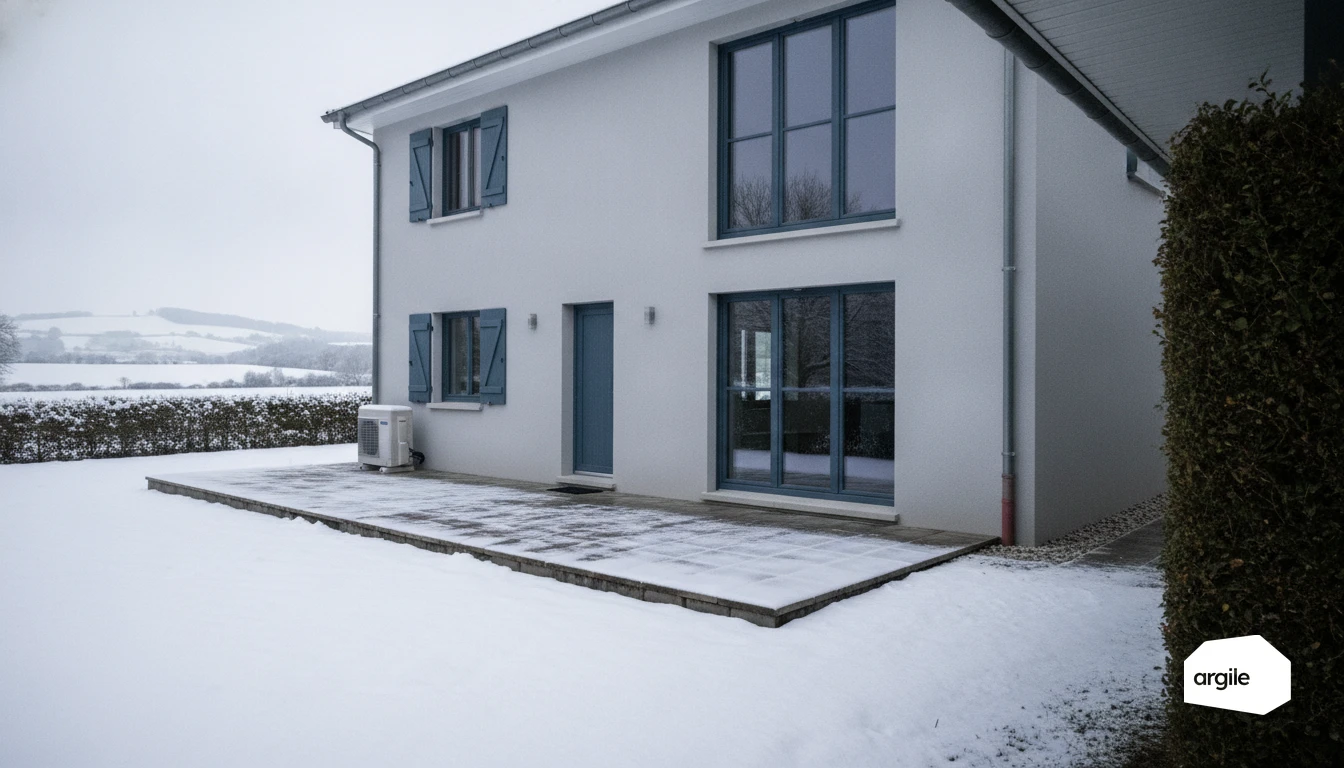
Altitude is not a comfort nuance, it is a calculation input: France's 3CL-DPE 2021 method publishes its climate data by zone H1a to H3 and by altitude band, below 400 m, 400 to 800 m, above 800 m. The performance thresholds that govern grant eligibility, on the other hand, do not move by a single metre. Here is where the line falls, and what it changes on the quote and on the programme.
5 min read
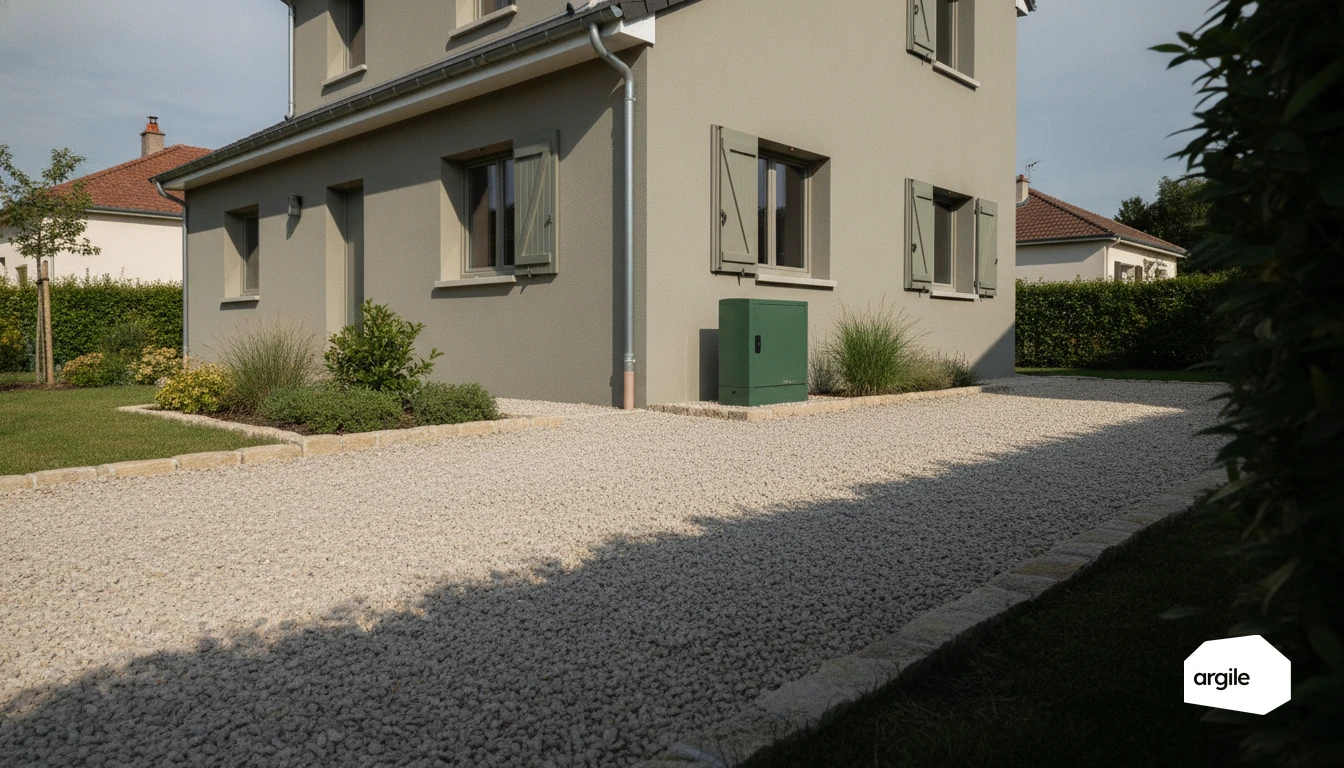
On site, you already see it: jobs are split between maintaining existing networks and securing new uses. For you, as a tradesperson, the challenge is simple: knowing where tomorrow's demand will come from, and how to adapt your offer without spreading yourself too thin. Between renovation, more targeted connections and hybrid solutions, there are opportunities to seize, provided you read the trajectory before everyone else.
5 min read
Reveal your expertise
One demo, and you see your expertise proven.
Contact us
