News
Articles by Argile
Regulation, field practice and tools: our analysis to help renovation professionals sell and deliver energy retrofits.
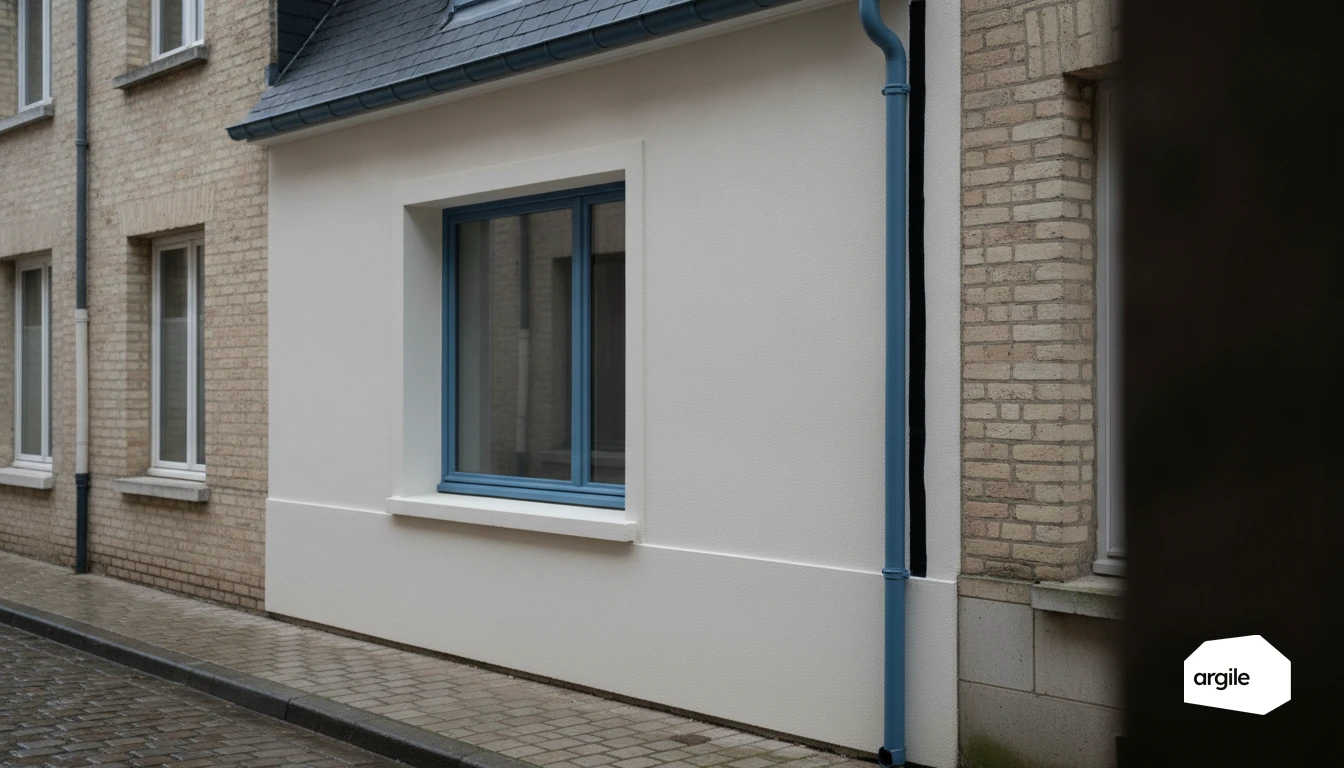
In renovation, the junctions between walls, floors, and window openings often make the difference between a "clean" job and one that comes back to haunt you six months later. By getting these details right from the site visit onward and coordinating them across your trades (insulation, airtightness, finishes), you secure performance, comfort, and above all your own peace of mind. Here we go straight to the point, the checks to run and the mistakes that cost dearly.
5 min read
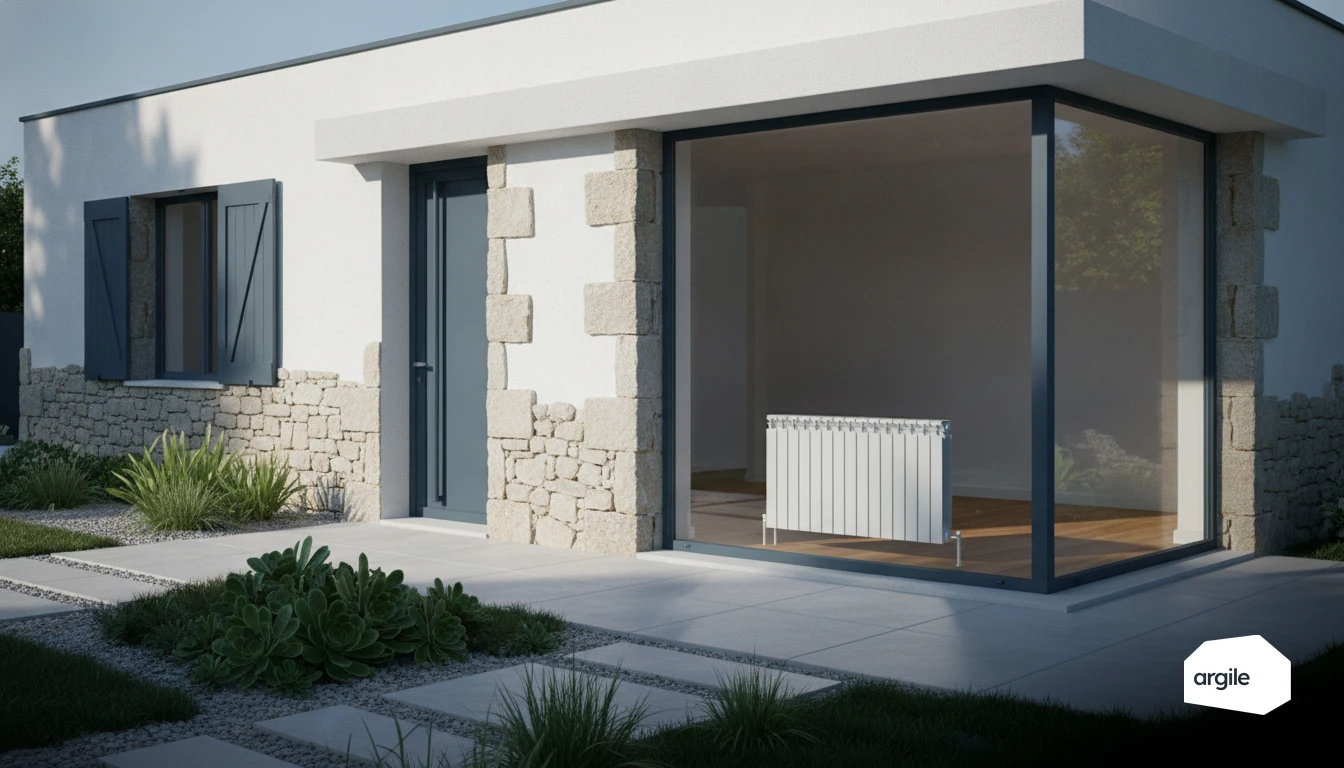
When your rooms don't reach temperature or the boiler runs too much, it's often a badly set output, not a hardware problem. By starting from room-by-room heat loss, you ground your numbers in the reality of the job, then match the emitter to the need without oversizing. The result: customers who feel the difference from the very first start-up.
5 min read
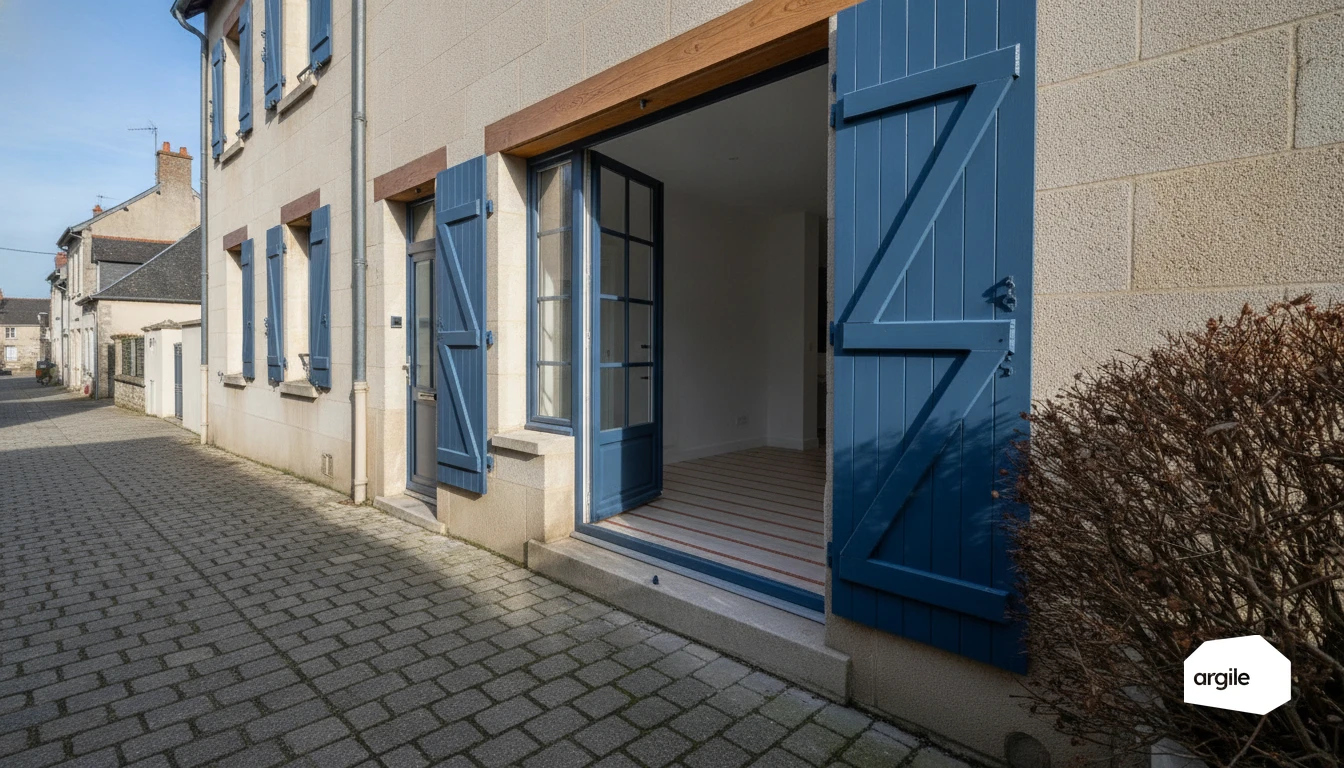
In renovation, every kilo counts. When a screed isn't an option or ceiling heights are tight, a lightweight solution saves time and limits rework, without sacrificing floor comfort. It's up to you to run a cleaner, faster job that's compatible with many substrates, to keep your schedule and reassure the customer from the first site visit.
6 min read
Between an EPC, a quote and the reality of the job site, you're often the one who has to decide quickly, and correctly. A well-built energy simulation helps you prioritise the right measures, estimate the gains and secure your choices before opening up a wall. Here, we're talking about a tool designed to save you time, without drowning you in technical detail.
5 min read
No regulation sets a service life for a water heater, and the durations in circulation carry no legal weight anywhere. What can be decided and quantified is the point at which keeping the unit costs more than replacing it. Three criteria settle it: the declared standing loss, the row the energy assessment already applies to the unit, and the compliance of the installation.
6 min read

The degree-hour is the degree day brought down to the hour, and the conversion is a single multiplication by 24. What matters is what you do next: crossed with the building's loss coefficient G, it gives the annual heating need in kWh, and therefore the substance of a savings argument. Here is the conversion, the full calculation chain, and the two errors that derail it.
6 min read

On the ground, limescale shows up fast. Flow rates dropping, heat exchangers scaling up, clients coming back. Between the promises of magnetic devices and the reality of a well-tuned installation, what you really need is facts, clear limits and good habits for advising clients without exposing yourself.
6 min read
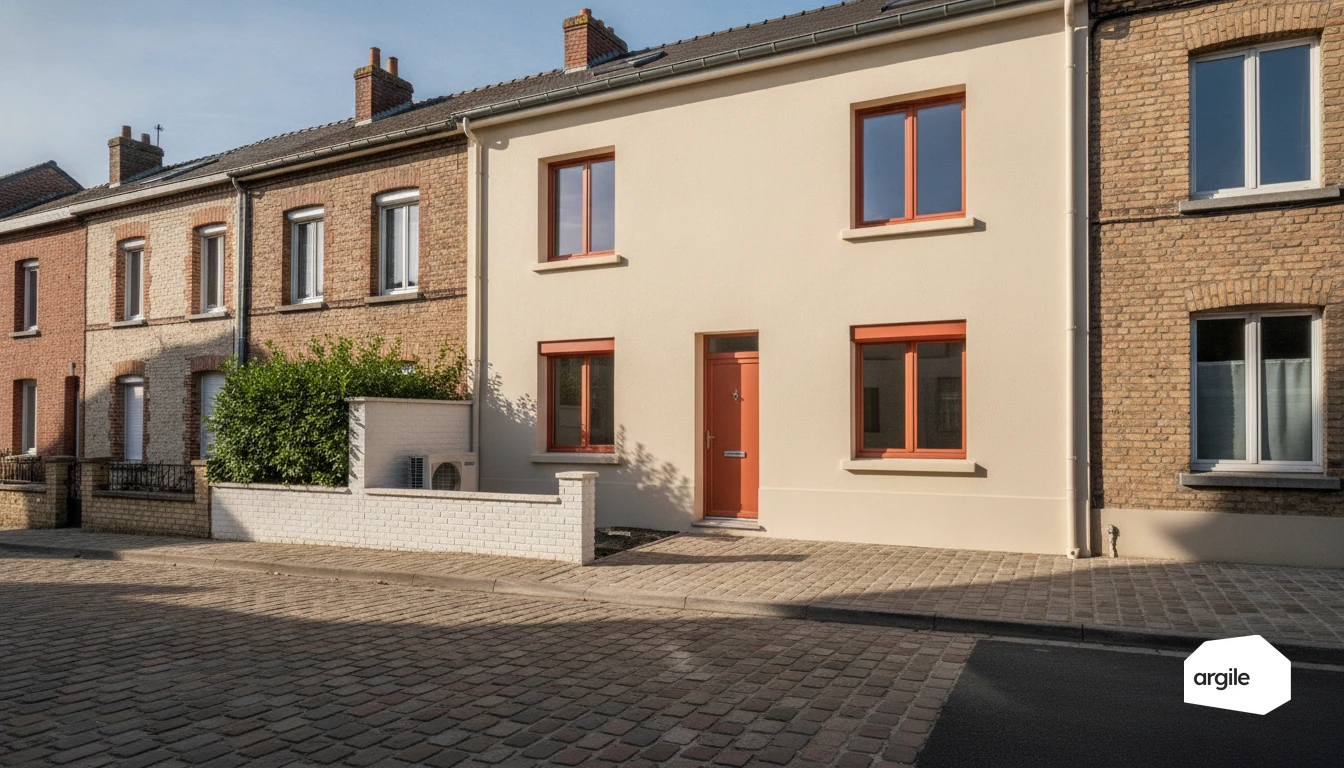
On site, your clients want something concrete. They expect a quick jump in comfort and a lower bill, without multiplying job sites or delays. By combining a heat pump with good insulation, you offer the easiest duo to sell, and often the most effective one, when the diagnosis is done right.
5 min read
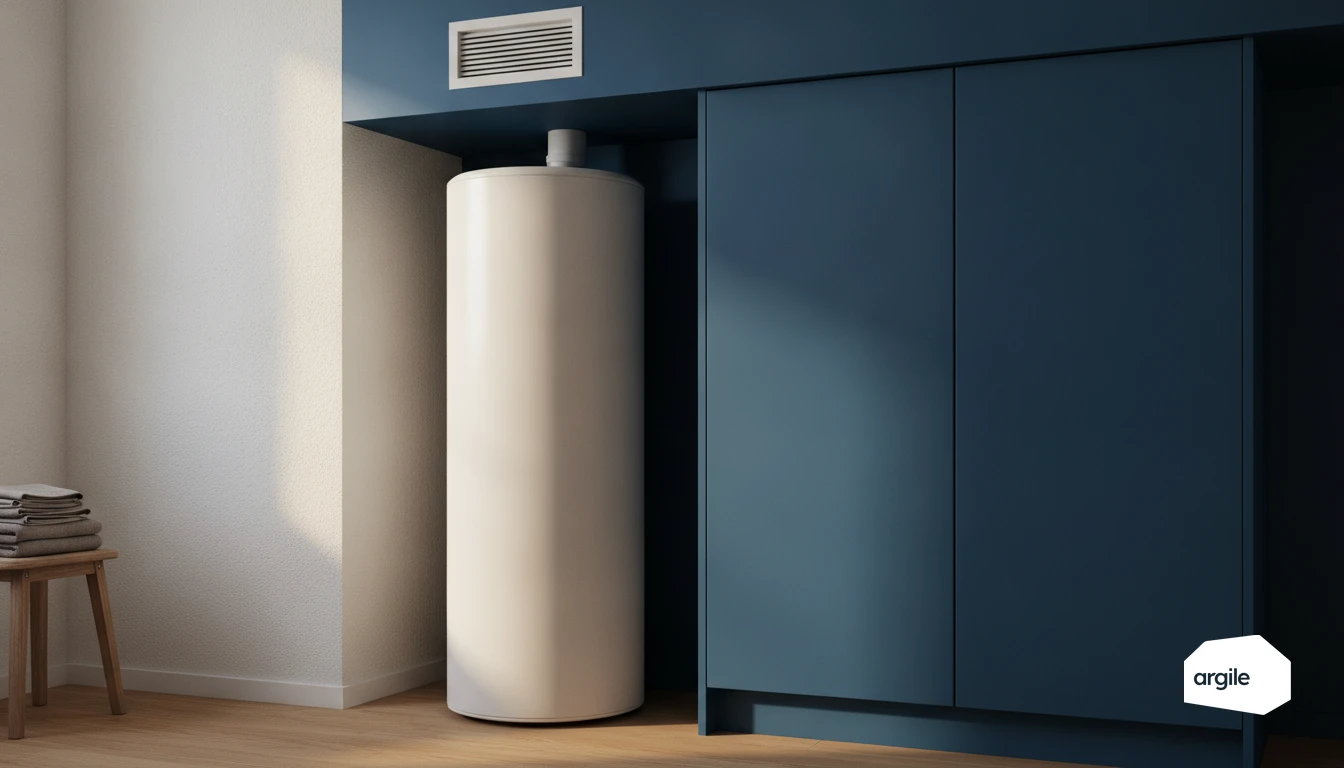
An extract-air heat pump water heater is the best credited of its family in the French EPC, on one condition that is rarely checked on the technical visit: that the ventilation supplies it with enough continuous air flow. The minima of the decree of 24 March 1982 are often below what the machine asks for. Here is the calculation to run before you specify.
5 min read
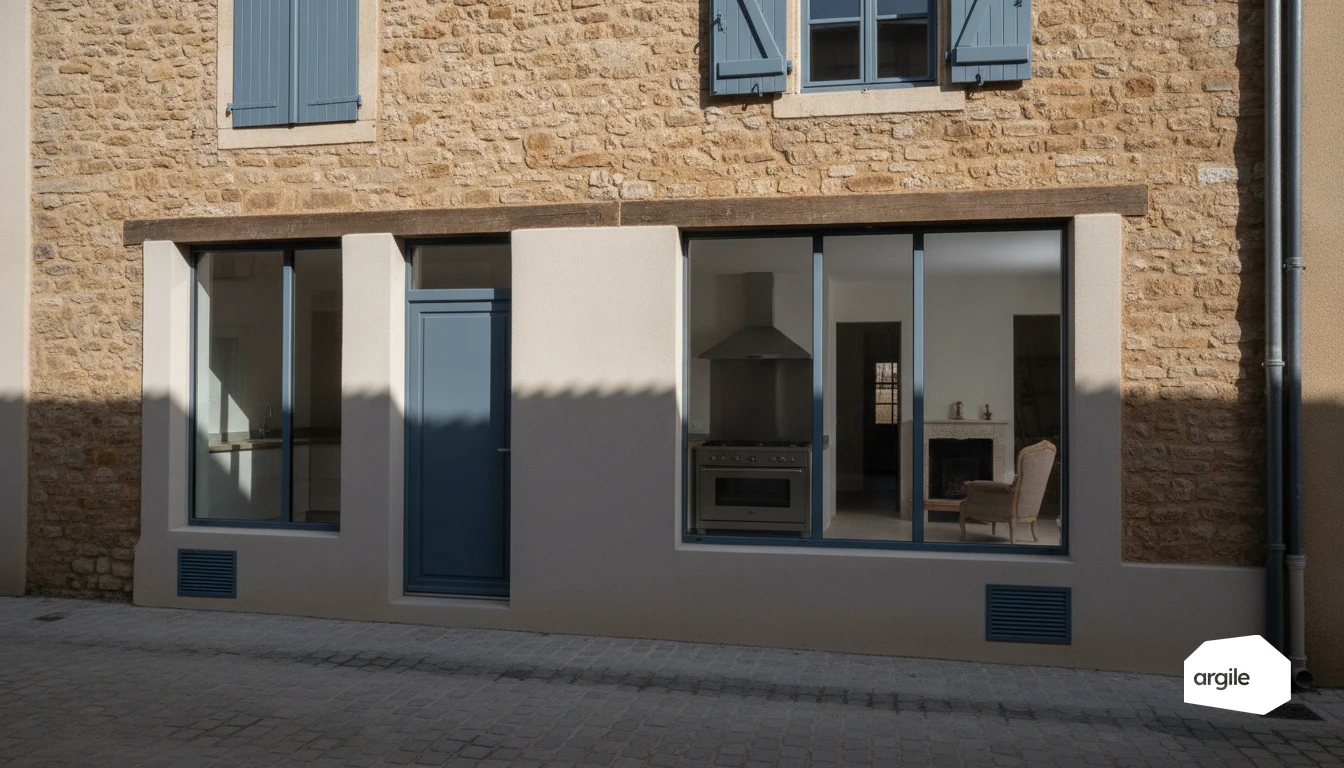
Between a commercial kitchen and a home kitchen, it is not the order of magnitude that changes, it is the text that applies. In housing, one order sets a rate per room. In catering, nothing sets a rate for the hood: the figure comes from the county health regulation, and employment law only sets a floor per occupant.
5 min read

On a renovation project, what saves time is a clear, step-by-step pathway, with technical choices that follow one another without ambiguity. As a tradesperson, you need a simple framework to prioritise the envelope, heating, ventilation and grants, without redoing the same calculations three times over. The idea is to move from "we'll see" to a modular plan that adapts to the home and to your way of working.
5 min read
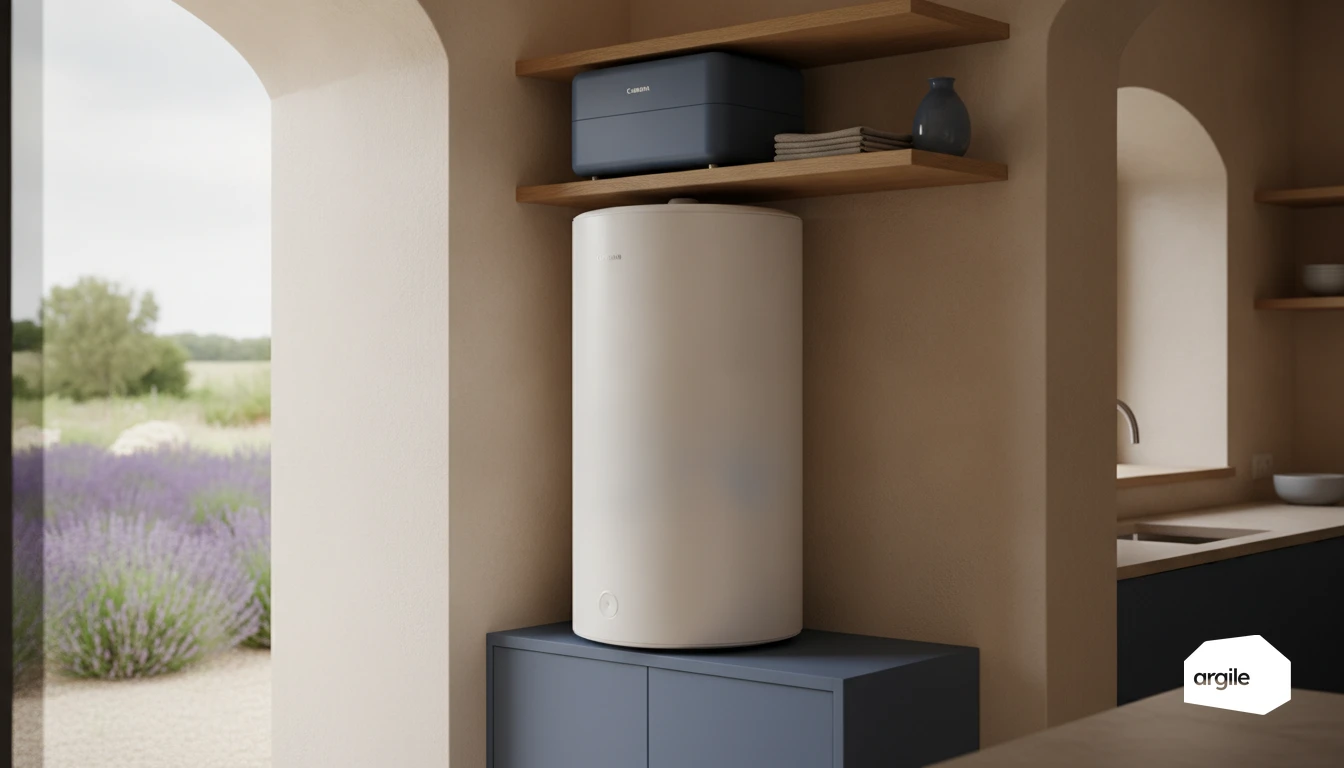
The choice between a vertical and a horizontal electric cylinder is settled by the room, not by the data sheet. Horizontal only becomes necessary when clear height runs out, and it then costs 419 kWh a year more at 200 litres according to the French EPC calculation method. Here is what to record before pricing, what makes an installation overrun, and how to justify the running-cost penalty on the estimate.
6 min read
Reveal your expertise
One demo, and you see your expertise proven.
Contact us
