News
Articles by Argile
Regulation, field practice and tools: our analysis to help renovation professionals sell and deliver energy retrofits.

When a client wants heat right away, with no lag, you need a solution that's simple to install and easy to explain. These panels deliver a fast rise in temperature and well-distributed comfort, provided you size them correctly and place them carefully. With a few key points, you can secure the job and avoid callbacks along the lines of 'it heats, but not where I need it.'
5 min read

In a co-owned building, the question of collective heating usually comes down to three points: real comfort in the flats, controlled service charges, and work that can be carried out without blocking the site for months. You have a key role in making a simple diagnosis, comparing scenarios, and securing a solution that passes the general assembly vote without bad surprises. And if the right option isn't the one people initially assumed, all the better: you save everyone time.
5 min read
The cold wall effect can be measured, not guessed. BS EN ISO 7730 links radiant temperature asymmetry to the percentage of dissatisfied occupants, and that curve explains the “I heat the place and I'm still cold” complaint in a dwelling held at 20 °C. For the trade, the job is to record the right quantity during the technical survey, then derive the measure that corrects it: wall insulation, thermal bridge treatment, or window replacement.
5 min read

A thermal break connector is not chosen from a brochure, it is chosen against two enforceable figures: the building's overall average linear transmittance ratio and the Ψ9 of the intermediate floor junction, both capped by France's RE2020. Here are those limits, what the design office needs from you to hold them, and what replaces the connector in renovation when it is out of reach.
7 min read
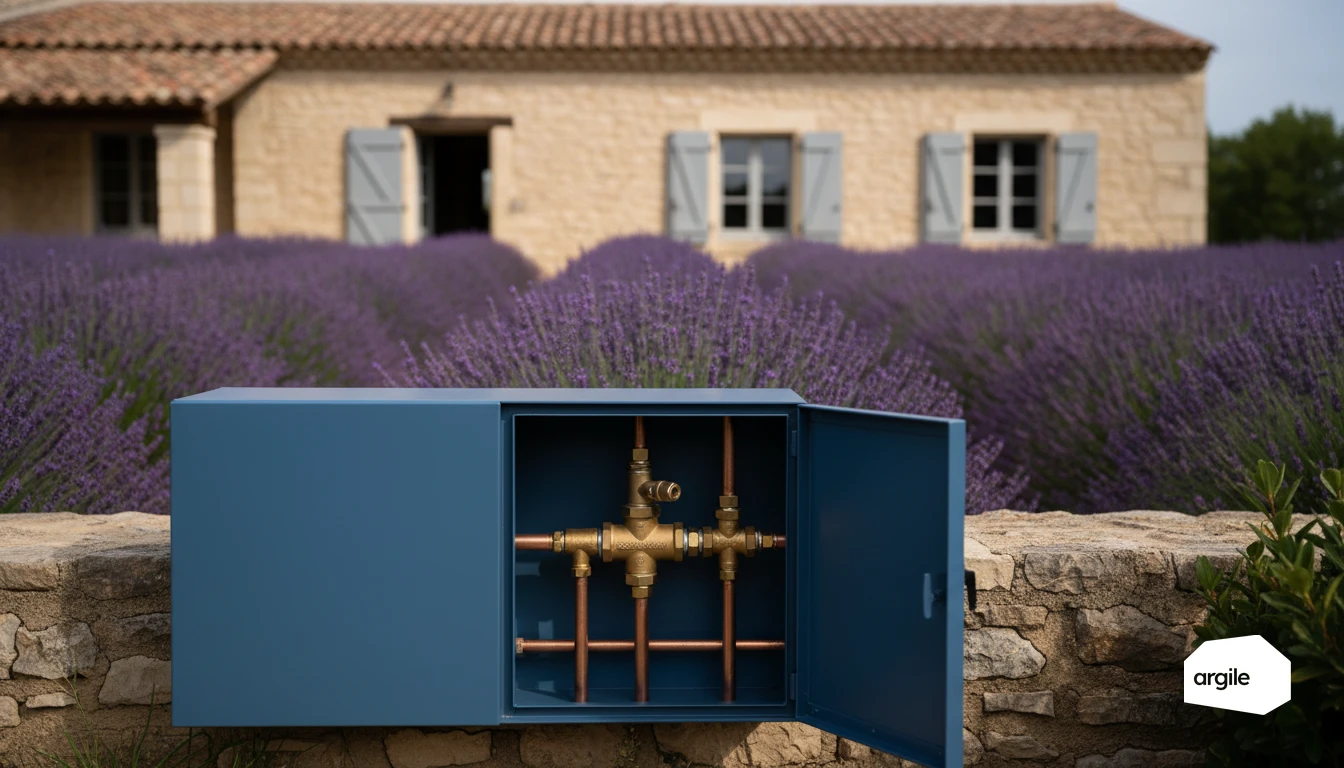
A three-way valve has 3 connections, AB (the common port), A and B: in mixing, A and B come in and AB goes out to the circuit; in diverting, AB comes in and the water leaves through A or B. The diagram, the role of the actuator and the flow sensor, installation and the faults that keep coming back.
8 min read
As your clients grow older, thermal comfort becomes a health issue as much as a wellbeing one. It's up to you, as a tradesperson, to propose work that's simple to explain and genuinely effective, targeted insulation, well-adjusted ventilation, suitable heating, to avoid rooms that are too cold in winter and stifling in summer. You gain clarity, they gain daily peace of mind.
5 min read

Felt temperature has a calculation definition, the operative temperature, which is the average of the air temperature and the mean surface temperature. It explains why a home at 20 °C of air can feel cold, and above all it supplies the numbers behind an insulation job: every degree gained on the surfaces buys a degree off the air setpoint at equal comfort. Here is the calculation, the regulatory framing, and what to record on a survey.
5 min read

On a job site, heat leaks don't always come from large surfaces, but often from junctions. You save time and gain performance when you spot these risk areas from the first visit, then coordinate insulation, joinery and airtightness in the right order. This is often where the client's comfort is decided, and your margin on callbacks.
4 min read
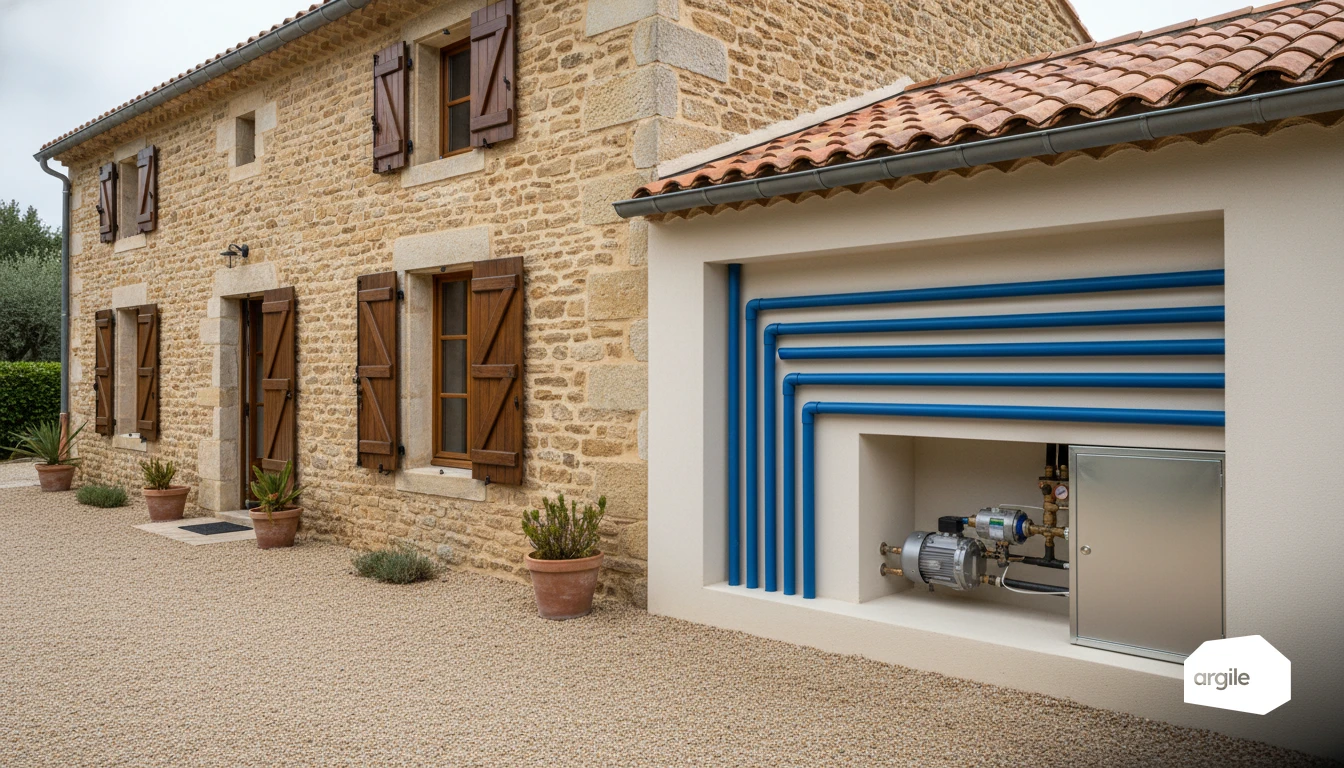
A network's pressure loss is the sum of the linear losses per section and the fitting losses, set against the head available at the circulator. The calculation belongs to the sizing stage, not to the day the network starts whistling. This article gives the section-by-section method, the flow-versus-diameter table and the orders of magnitude worth carrying on site.
5 min read
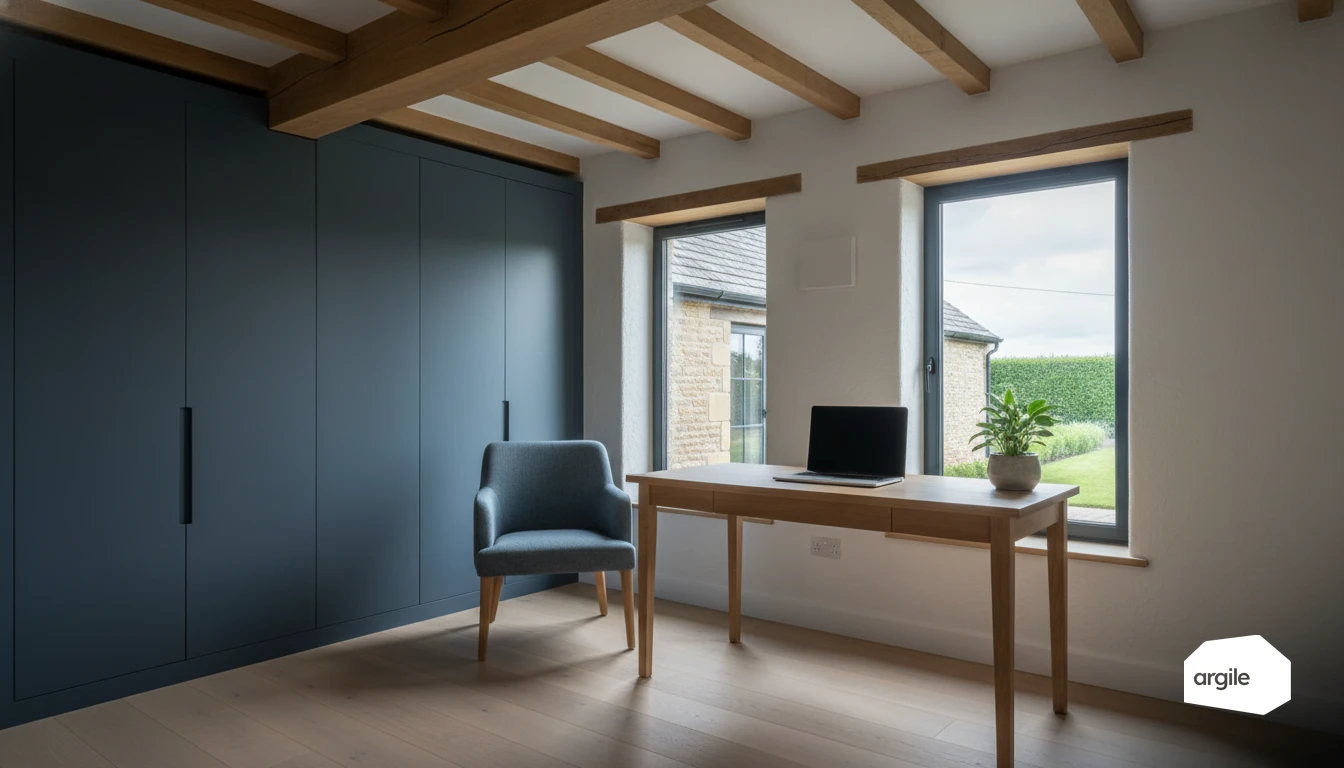
When your customers spend more time at home, heating, hot water and electrical usage climb quickly. As a tradesperson, you can turn this new routine into concrete jobs, adjustments, insulation, ventilation, controls, that improve daytime comfort without sending the bill through the roof. The payoff: simple, quantified recommendations that are easy to explain and sell.
5 min read

On a job site, a few millimetres of error when installing a window are enough to create a heat leak that undermines the final result. By choosing the right position within the wall and taking care with the connections (reveals, sill, sealing), you limit thermal bridges without complicating the installation. The result: a higher-performing renovation, and a client who feels it from the first cool nights.
6 min read

When a client asks you for a quick estimate, you don't have time to redo ten calculations by hand. With automated calculations, you gain consistency, limit oversights, and can move faster from the site survey to a clear proposal. The idea is simple: you keep control of the assumptions, and the tool does the heavy lifting, always the same way. The result is fewer back-and-forths, and technical decisions that are easier to justify to the client.
5 min read
Reveal your expertise
One demo, and you see your expertise proven.
Contact us
