News
Articles by Argile
All our articles in the “Contractors” category.
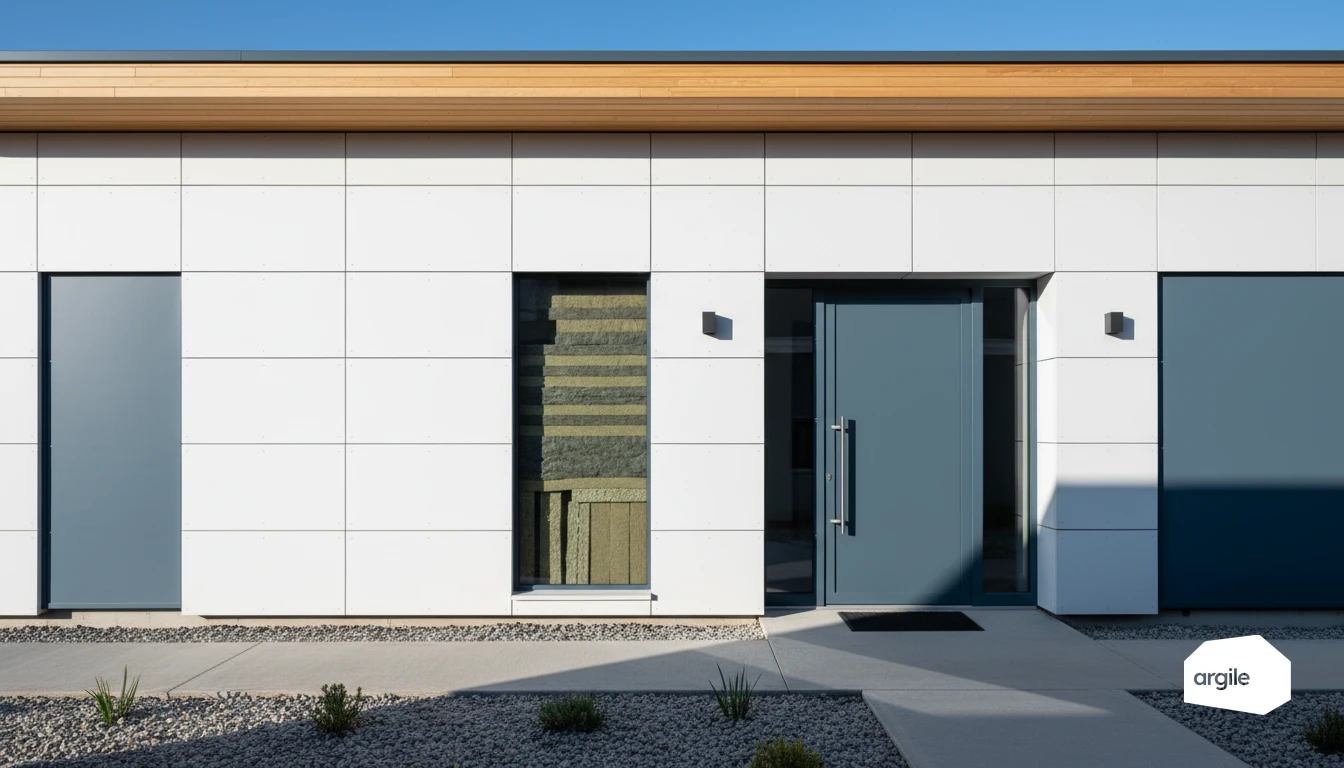
Thermal conductivity sets the thickness you have to install to reach a given resistance, and it is the one product figure that feeds straight into the energy assessment. It still has to be evidenced: without proof of the insulant’s resistance, the assessment method falls back on a default lambda that wipes out the performance of what you actually installed. Here are the orders of magnitude by family, the matching thickness, and what to write on the quote so the real lambda is the one that counts.
5 min read
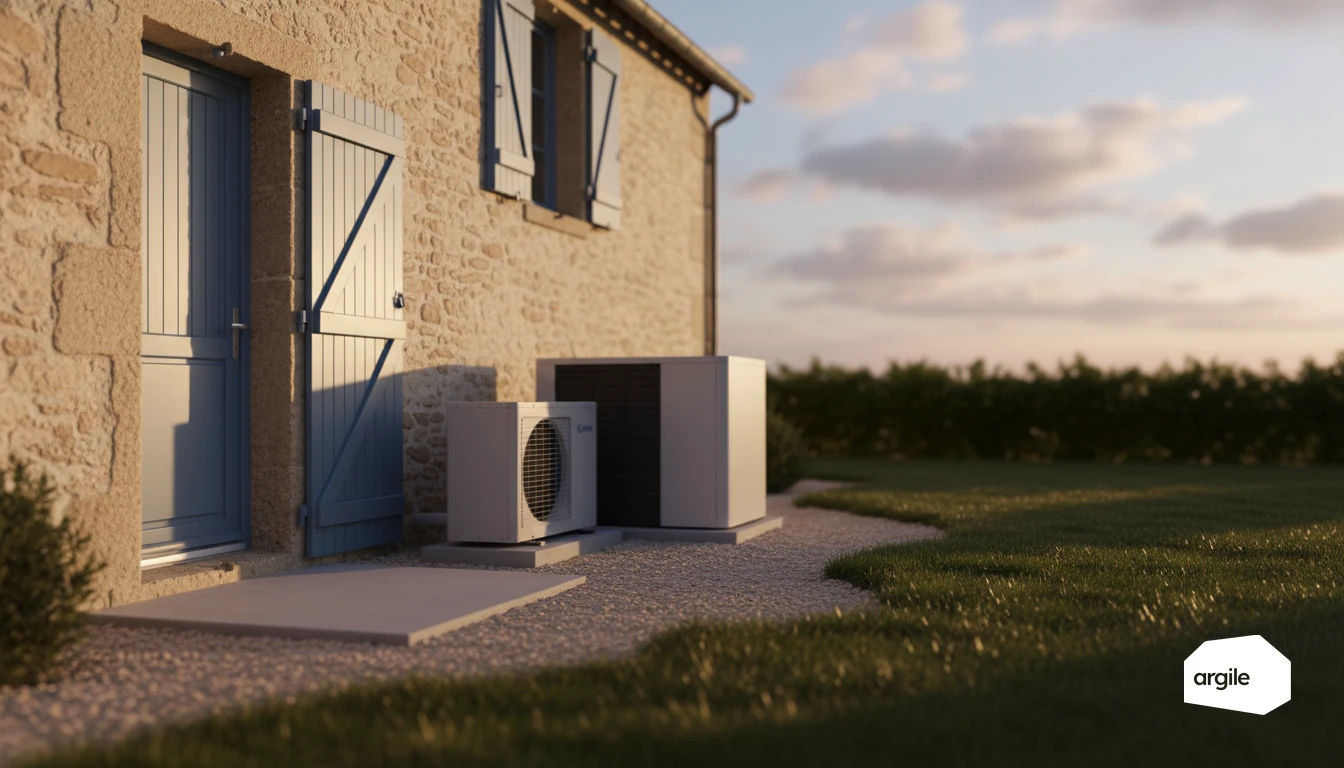
On your projects, pairing one solution for heating with another dedicated to hot water can change the game. You gain in comfort, consistency and efficiency, while limiting failures that shut down the whole home's comfort. The payoff is an installation that's clearer for the client and simpler for you to adjust and repair.
5 min read
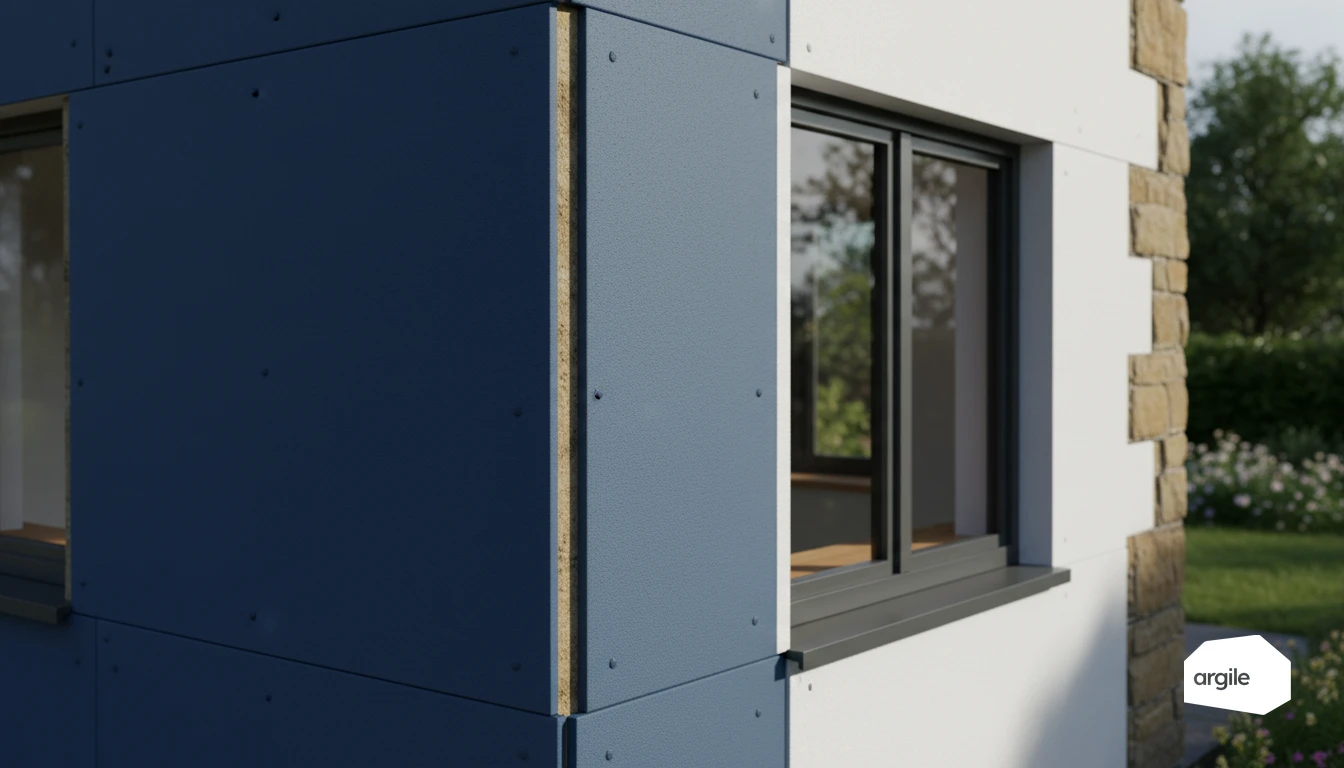
Thermal resistance is the one number that decides whether an insulation job qualifies for funding, and the thresholds are set element by element in the scheme rules. Two clauses tend to be discovered too late: the resistance of the insulation already in place does not count towards the total, and a clear waiting period separates acceptance of the quote from the first day of installation. Here are the exact thresholds, the standards that assess them, and the deadlines to know.
6 min read
On site, your work speaks for itself. Online, it's mostly customer feedback that makes the difference, even before the first phone call. When reviews are well collected and well displayed, they reassure prospects, cut down on "just looking" quote requests, and help you close deals faster without discounting your prices.
5 min read
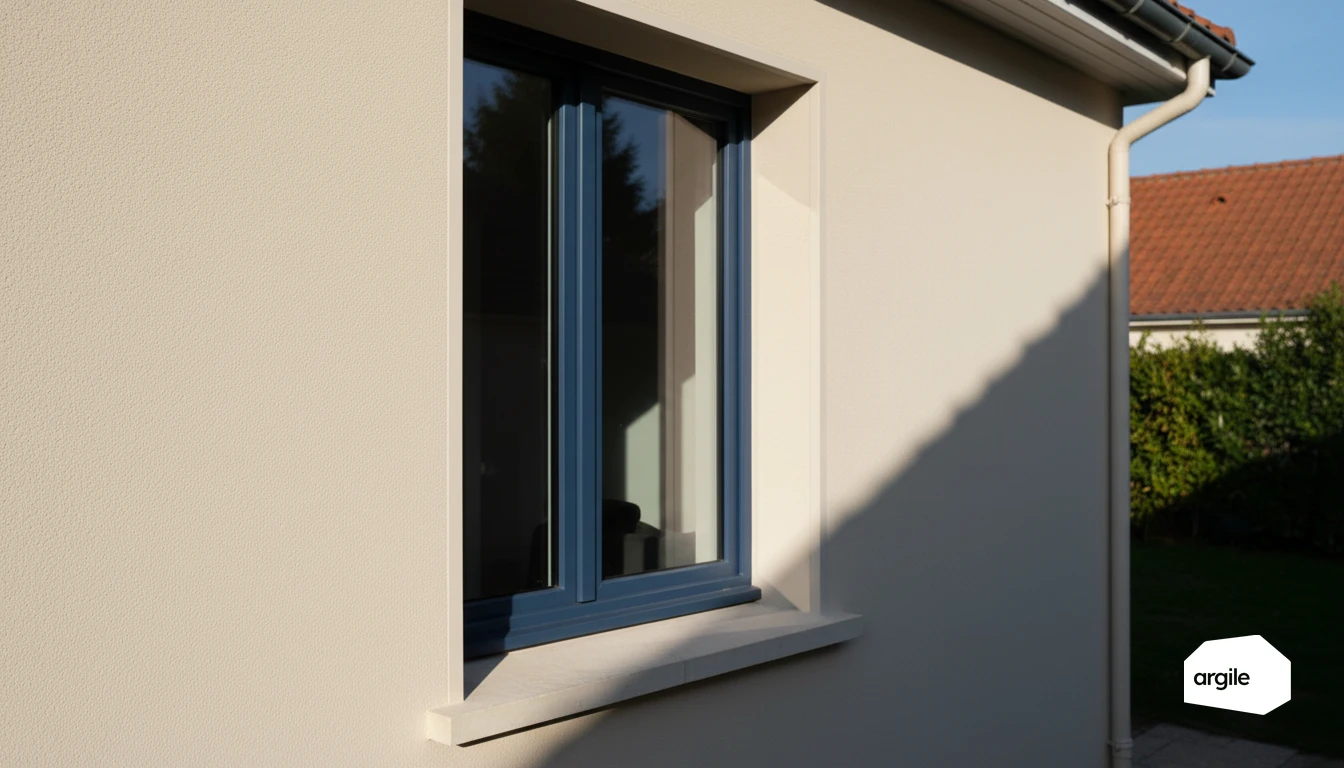
On a 1960s house, your good choices often come down to two visits. A first to spot heat leaks and the "easy" items, a second to lock in a work order that avoids rework and disputes. With a simple method, you save time on site, and your clients quickly see the difference in comfort.
5 min read
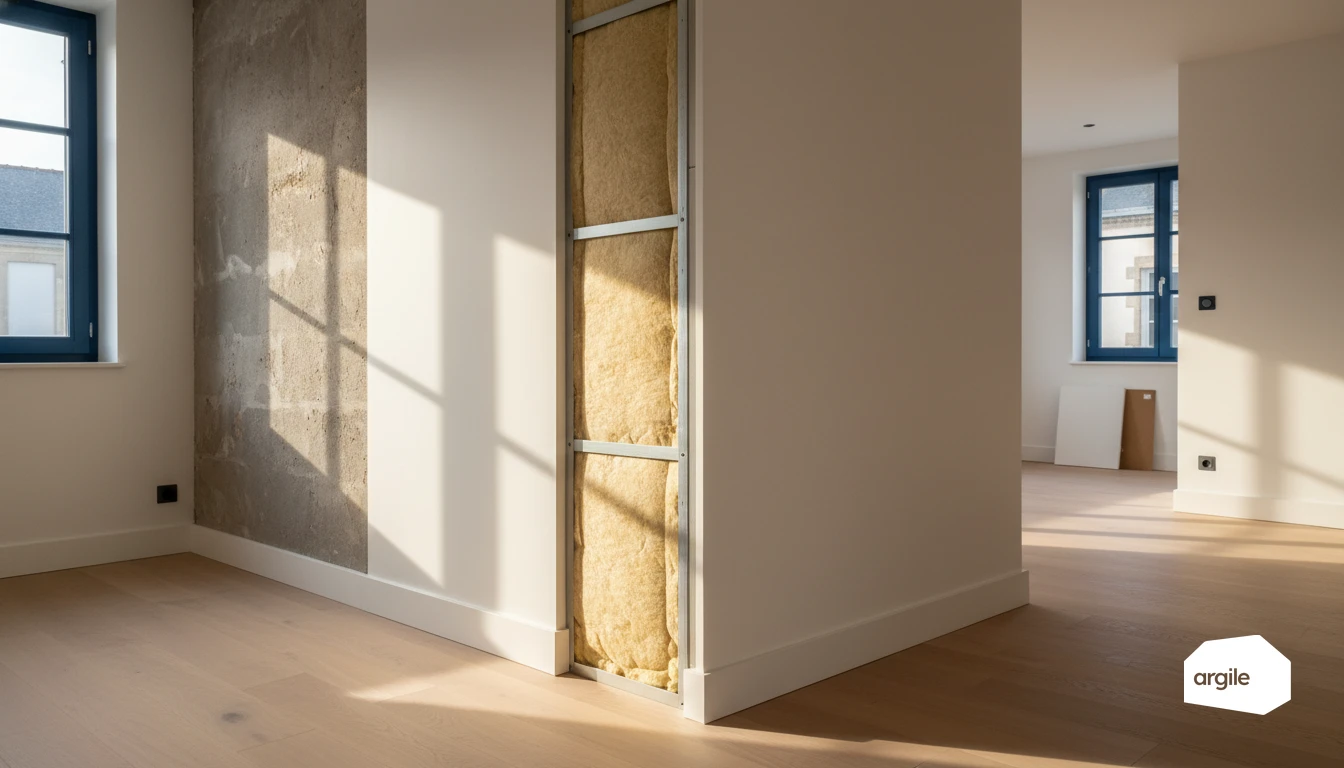
When you're lining an interior wall, the real challenge is choosing a solution that installs quickly, stays sound over time, and avoids bad surprises with moisture. Bonded insulated composite panel or stud-framed partition, each option changes how you handle services, plumb lines and thermal bridges. With the right method, you save time on site and secure the final performance, without unnecessary extra thickness.
5 min read

On a job site, the bags fill up fast. By sorting from the start, ordering more precisely and reusing what can be reused, you cut down on trips, skip-hire costs and the mistakes that eat into your margin. The payoff: a cleaner, smoother job site, and a client who notices the difference.
5 min read

Once a job is done, it doesn't all stop at the final finish. A call at day 7, then a simple check-in at 3 months, is often enough to defuse minor issues and show that you carry quality through to the end. The result: reassured clients, more referrals, and fewer disputes dragging on.
5 min read

When you install a heat pump, the electrical connection can quickly make the difference between a smooth commissioning and a project that drags on. Power to plan for, protections at the consumer unit, meter rating, all of it needs clear figures to size things right, without extra cost or nuisance trips. Here, we put the key points back in the right place, with concrete benchmarks for your quotes and your checks.
5 min read

On a job site, the material of a load-bearing wall changes everything: winter comfort, moisture management, and the space available for insulation. Concrete, brick, stone, or timber frame, each case calls for a different strategy to avoid thermal bridges and condensation issues. By getting a handle on these points as early as the site visit, you save time, and you secure the result for the client.
5 min read
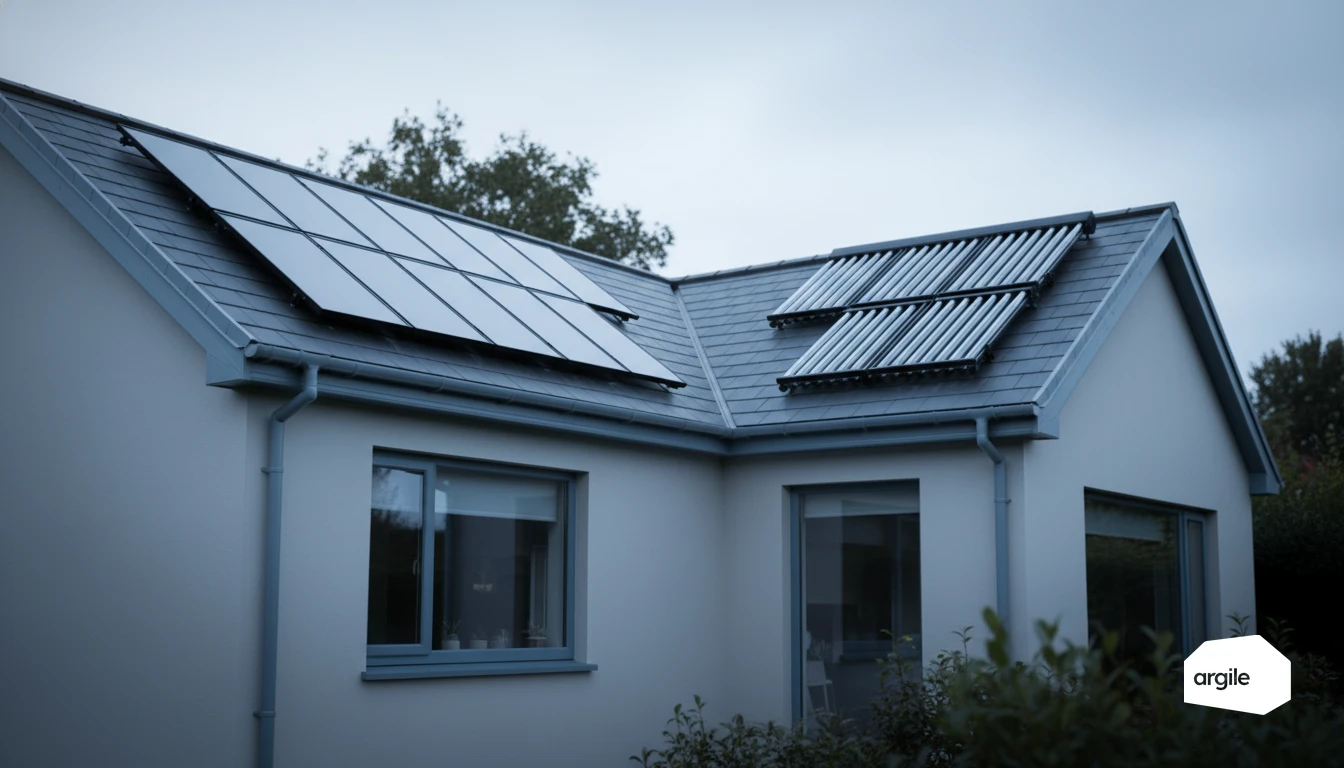
On a solar hot water job, the right collector is the difference between an installation that runs all year and one that disappoints the moment it turns cold. Flat-plate glazed or evacuated tube, the real trade-off is between ease of installation, cold-weather performance and budget. Clarifying these points at the quote stage protects your performance and your client's satisfaction.
5 min read

When a client wants to keep their oil boiler but cut the bill, you have a simple card to play: adding a solution that takes over as soon as the weather turns mild, without touching the whole radiator network. In practice, you modernise in stages, secure comfort, and make both the job and the quote easier, with a result that's quick to explain and to sell.
5 min read
Reveal your expertise
One demo, and you see your expertise proven.
Contact us
