News
Articles by Argile
Regulation, field practice and tools: our analysis to help renovation professionals sell and deliver energy retrofits.
Sizing a communal solar DHW installation does not start from the available roof but from the hot water volume consumed in the leanest month. The SOCOL 2021 sheet sets the store volume on that minimum monthly consumption, then derives the collector area through a ratio running from 40 to 100 litres per square metre depending on the third of the country concerned.
5 min read
The low-temperature boiler as a product category left the market on 26 September 2015: Regulation 813/2013 set a seasonal space heating efficiency floor of 86% for fuel boilers up to 70 kW, which no non-condensing appliance reaches. One exception survives, the type B1 boiler on a shared natural-draught flue. What still matters on a retrofit is the water regime and the output of the existing emitters.
5 min read
A single French text puts numbers on indoor CO2, and it does not target housing: the order of 27 December 2022, which frames the measurement in premises open to the public. It sets the thresholds, but it also sets what the instrument must be worth, and that part is what product sheets leave out. In a dwelling no CO2 threshold applies, the obligation is still a flow rate.
5 min read

When heating runs in an empty room, you lose kWh without seeing it. By controlling heat output based on actual occupancy, you improve comfort while cutting waste, especially in hallways, offices, bathrooms or rental homes. On site, the challenge is simple: choose the right location, set the delays and wire it up cleanly so it works day to day, not just on handover day.
5 min read
Before starting a renovation, you have everything to gain by checking the state of the wastewater treatment system on site. A well-run inspection avoids bad surprises during earthworks, connections or a sale, and lets you quote accurately from the outset. By clarifying non-compliance points from the start, you protect your schedule and your client relationship.
5 min read
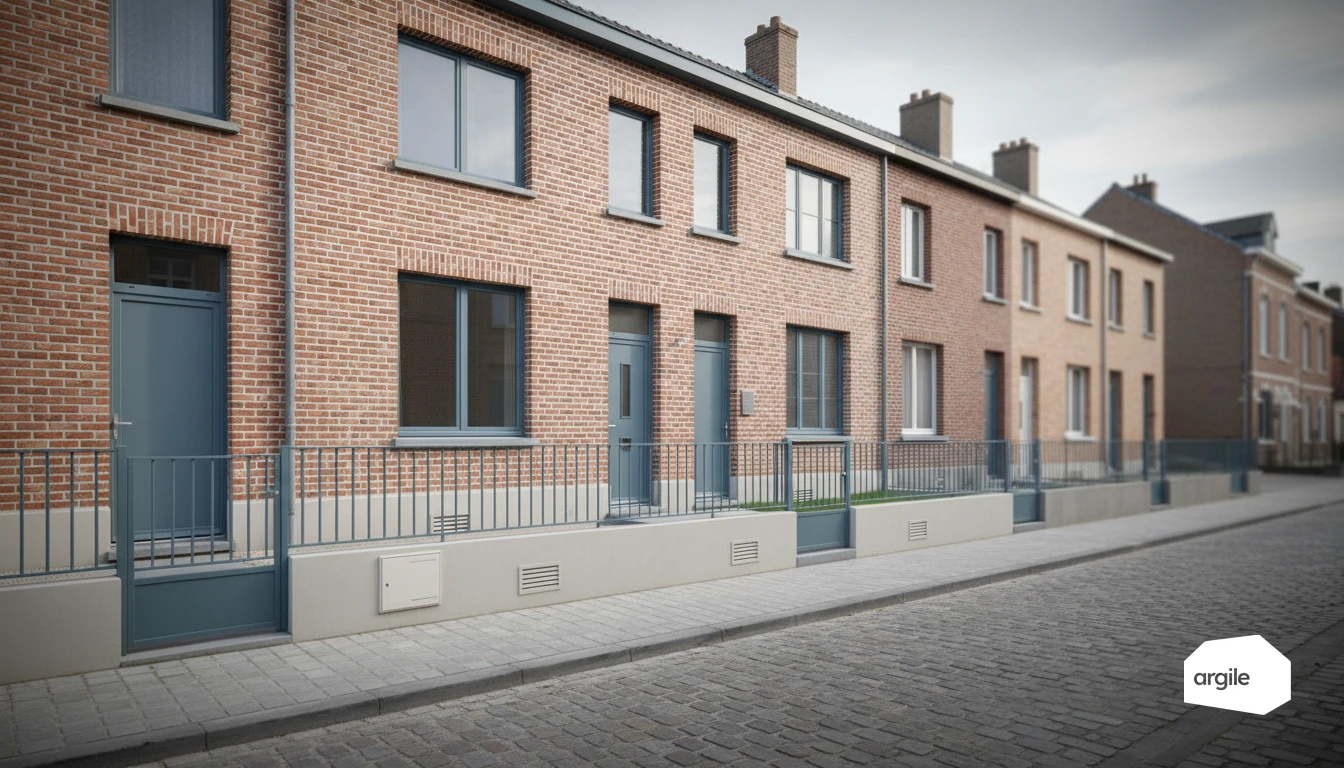
A ground floor over a crawl space is treated from underneath, against the retrofit U-value Approved Document L expects. What decides the price is the clear height under the joists, the state of the substrate and the ventilation of the void, all recorded during the survey. Here are the thicknesses per insulant family, the feasibility conditions to write into the quote and the points that carry your liability.
5 min read
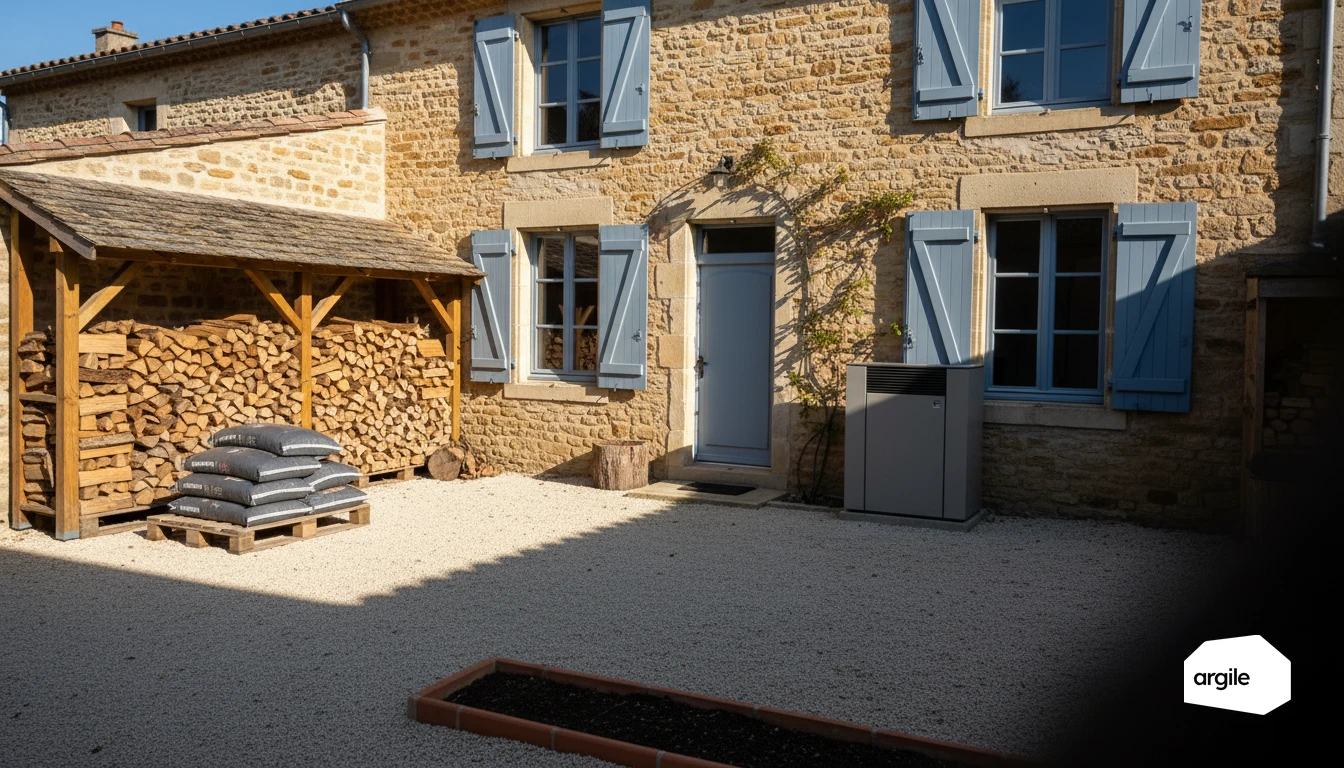
The choice between logs and pellets is not settled by what the client feels like doing. Ecodesign sets two sets of emission limits depending on whether the boiler is manually or automatically stoked, and a manually stoked boiler needs a buffer tank while an automatically stoked one needs a silo. Those requirements, plus the space available and the delivery access, are what decide the fuel.
4 min read
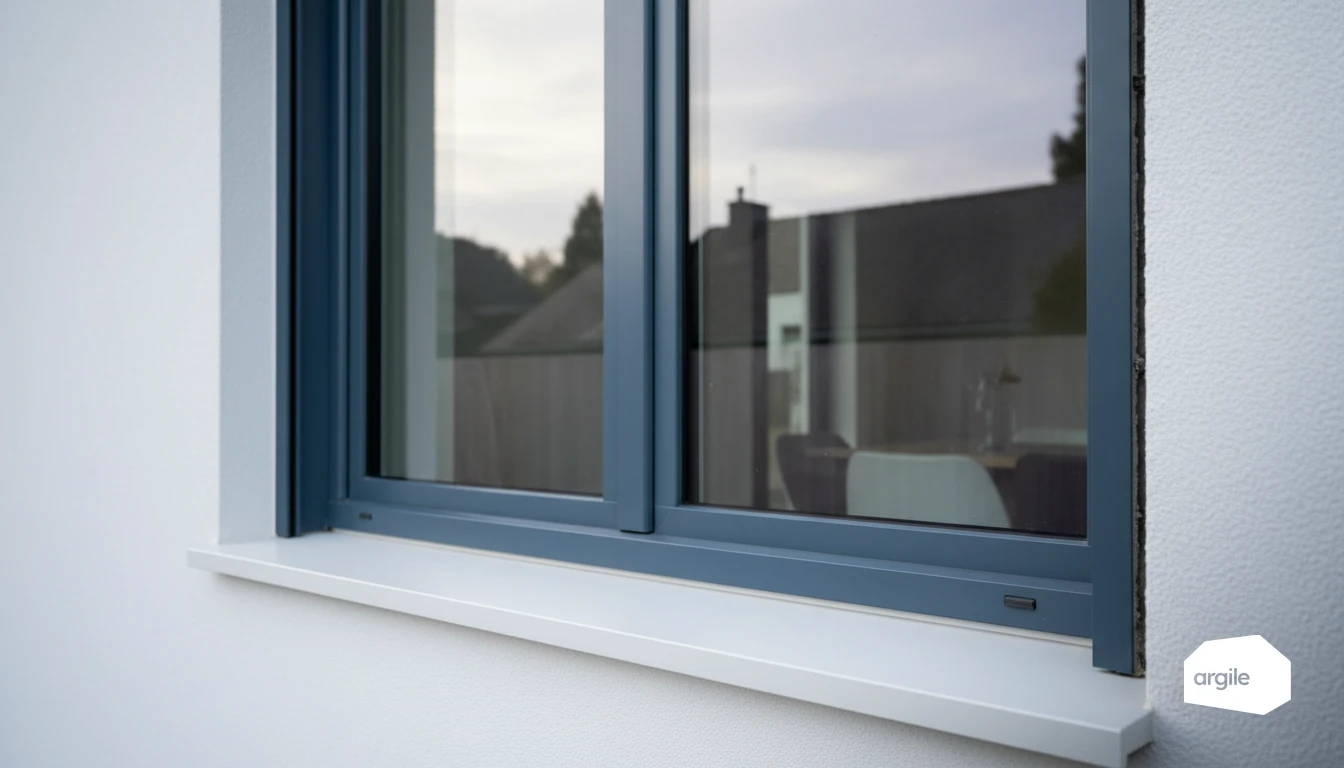
On a window-replacement job, the method is decided at the survey. Frame condition, plumb, clearances, sill, jamb linings and added thickness: what you record on site drives the airtightness, the performance you put in writing and your own liability. BS 8213-4 sets the survey duty, Approved Document L sets the product threshold.
8 min read
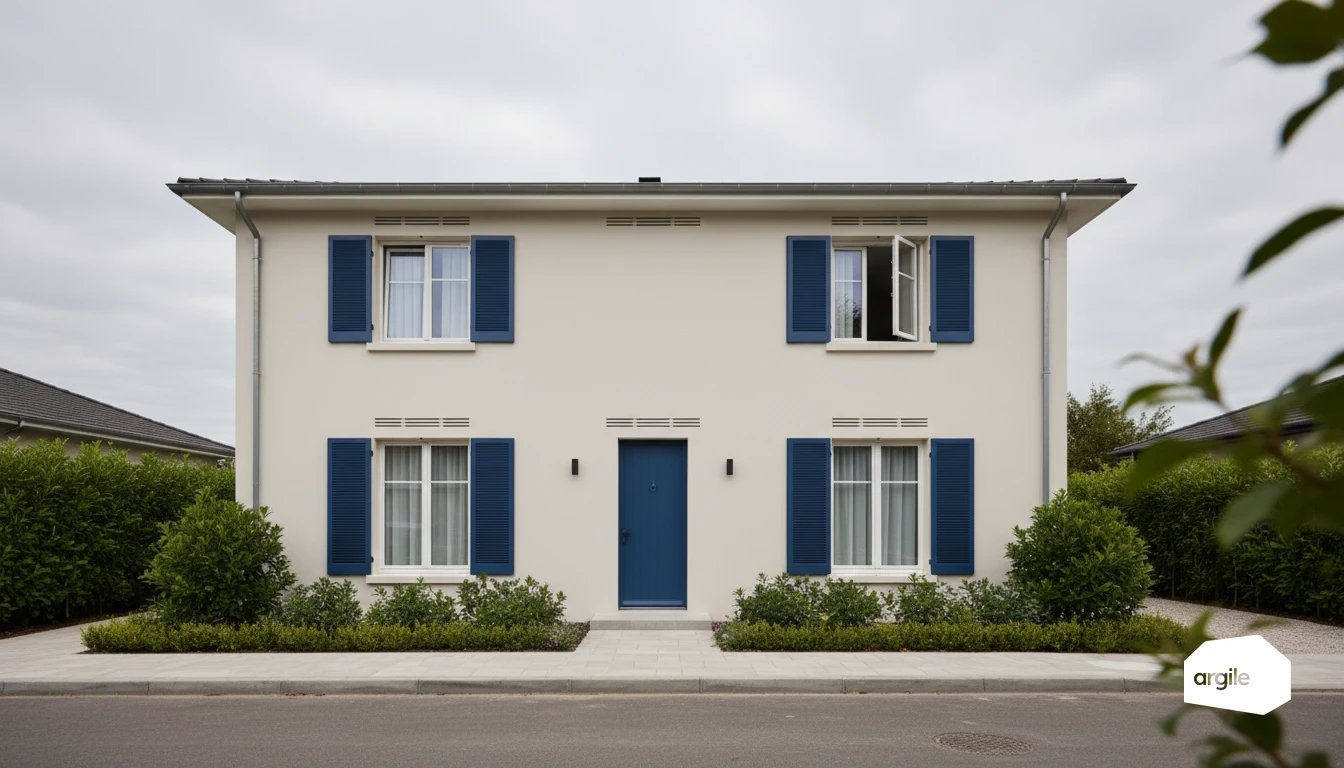
A bedroom does not need an extract vent: with single-flow ventilation it gets an air inlet, with heat-recovery ventilation a supply vent. But closed at night with two people inside, it quickly exceeds 1,000 ppm of CO2 if fresh air does not arrive, and sleep becomes lighter. As a tradesperson, you can fix this without overengineering: well-placed air inlets and vents, door undercuts, controlled flow rates and simple maintenance.
7 min read
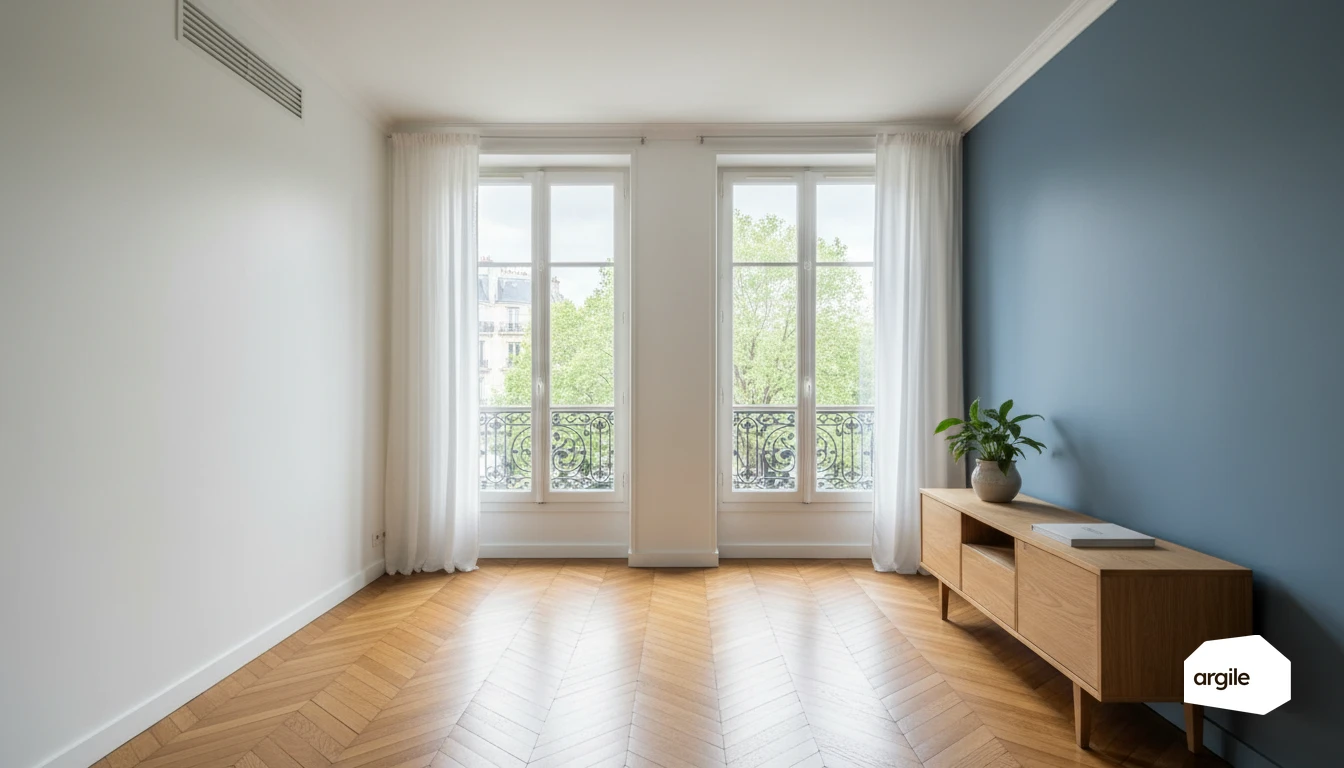
The French indoor-air value for formaldehyde changed on 1 January 2023, and not in the direction everyone expected: the 30 µg/m³ long-term figure disappeared, replaced by 100 µg/m³ over a short exposure. Plenty of trade literature still quotes the old value, or a 10 µg/m³ deadline that never came into force. Here is the current text, and the labelling thresholds you actually select products against.
6 min read
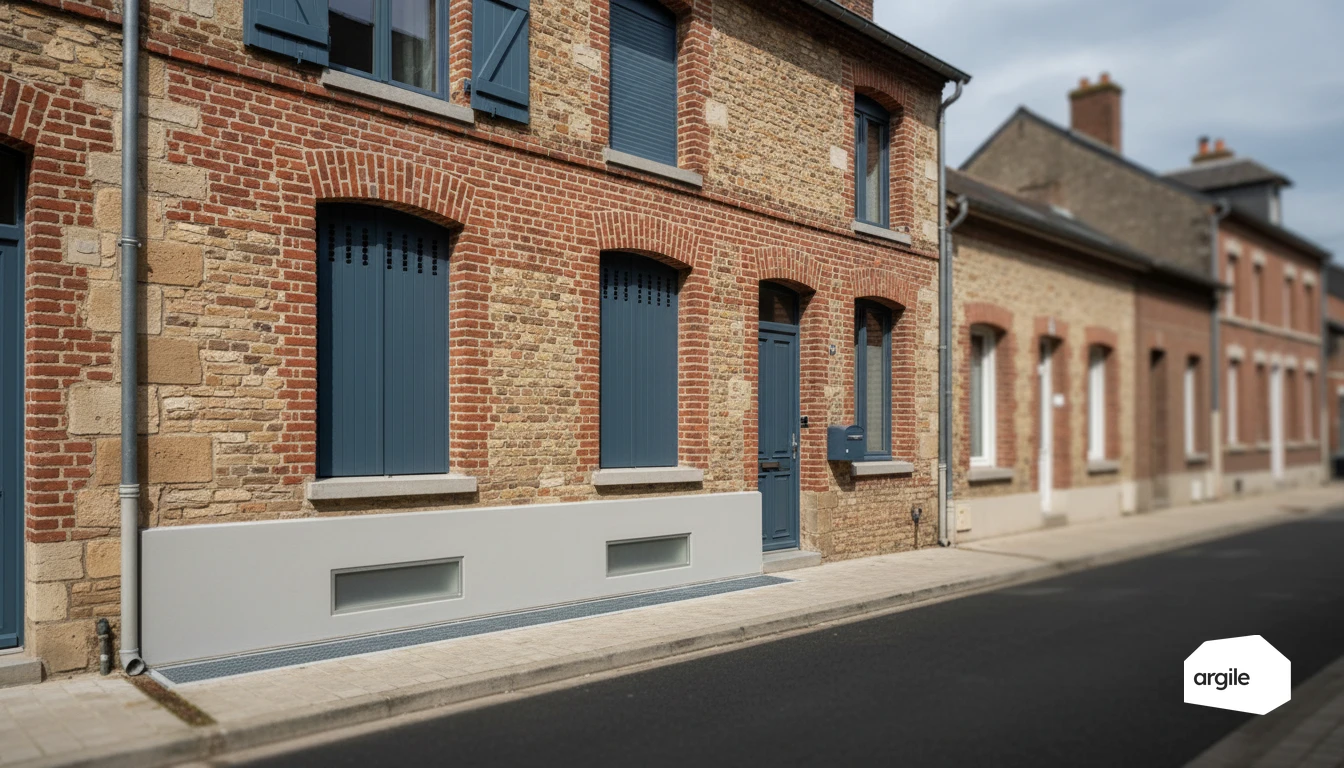
In a house, the cold zone beneath living spaces can undermine comfort and drive up heating needs. As a tradesperson, the right choice is made on site: insulate the ceiling, to at least R 3 m²·K/W, when you need to protect the rooms above quickly, or the walls when moisture and thermal bridges set the priority. With a few simple checks, you secure the solution and the job runs without surprises.
9 min read
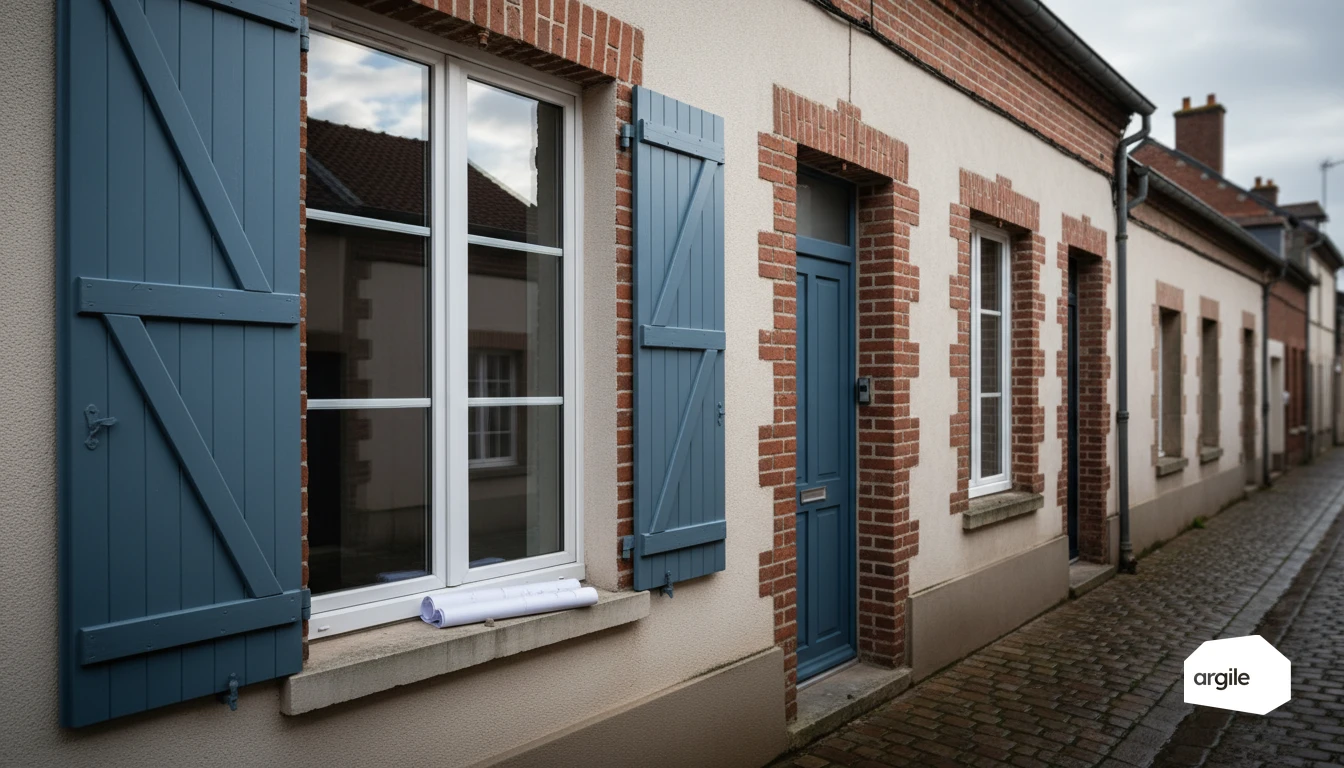
The choice between a complete replacement window and changing the glazing alone is settled first on funding, then on the state of the frame. The French CEE sheet BAR-EN-104 explicitly excludes simply replacing glazing, and MaPrimeRénov' has no longer funded glazed elements as a standalone measure since 1 September 2026. A client with tired double glazing in a sound frame therefore falls outside the grant schemes, whatever level of intervention is chosen.
5 min read
Reveal your expertise
One demo, and you see your expertise proven.
Contact us
