News
Articles by Argile
Regulation, field practice and tools: our analysis to help renovation professionals sell and deliver energy retrofits.
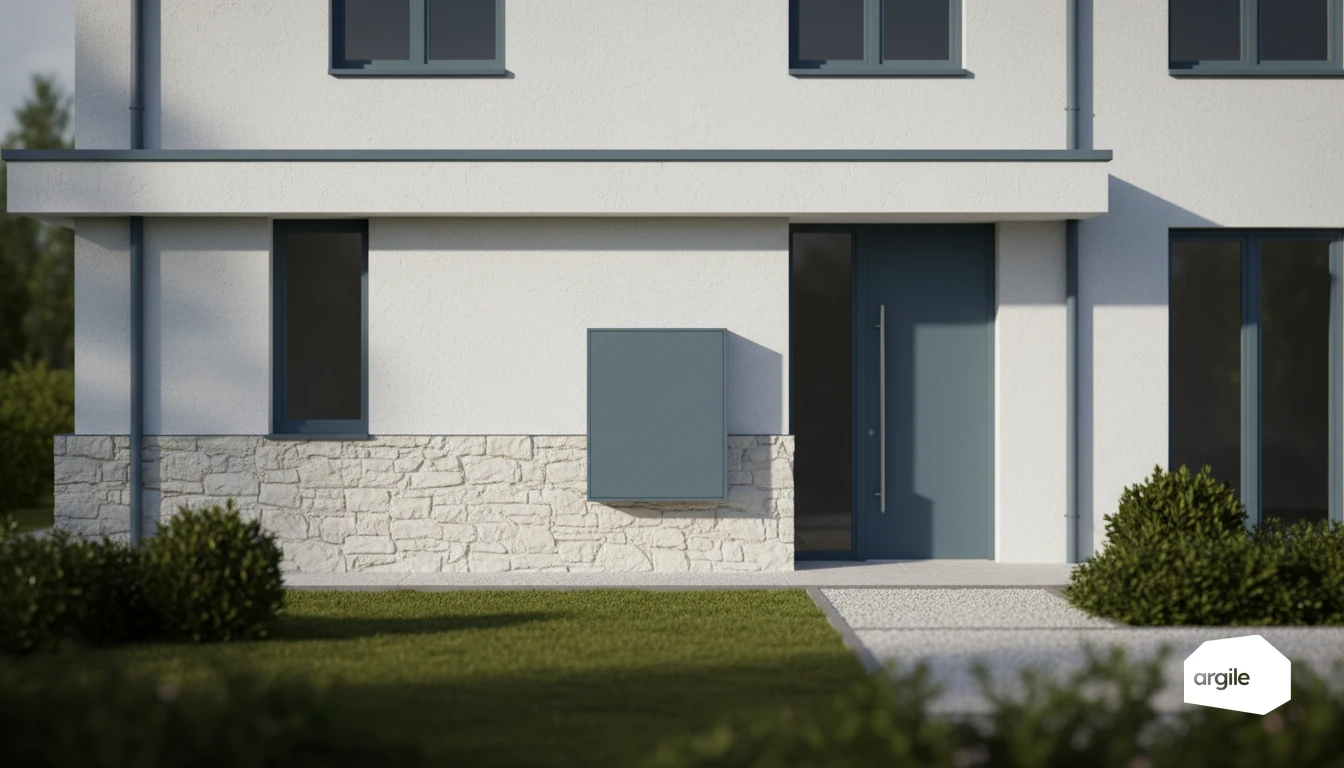
A micro-storage combi is not compared on a flow rate quoted in litres per minute, it is compared on the load profile declared under Regulation (EU) No 814/2013 and the reference energy Qref that goes with it, from 2.100 kWh for an S profile to 5.845 kWh for an M profile. And the temperature setpoint is not a free choice: the French order of 30 November 2005 imposes a floor of 50 °C at every point of the distribution. Here is how to size on figures rather than on an impression of comfort.
5 min read
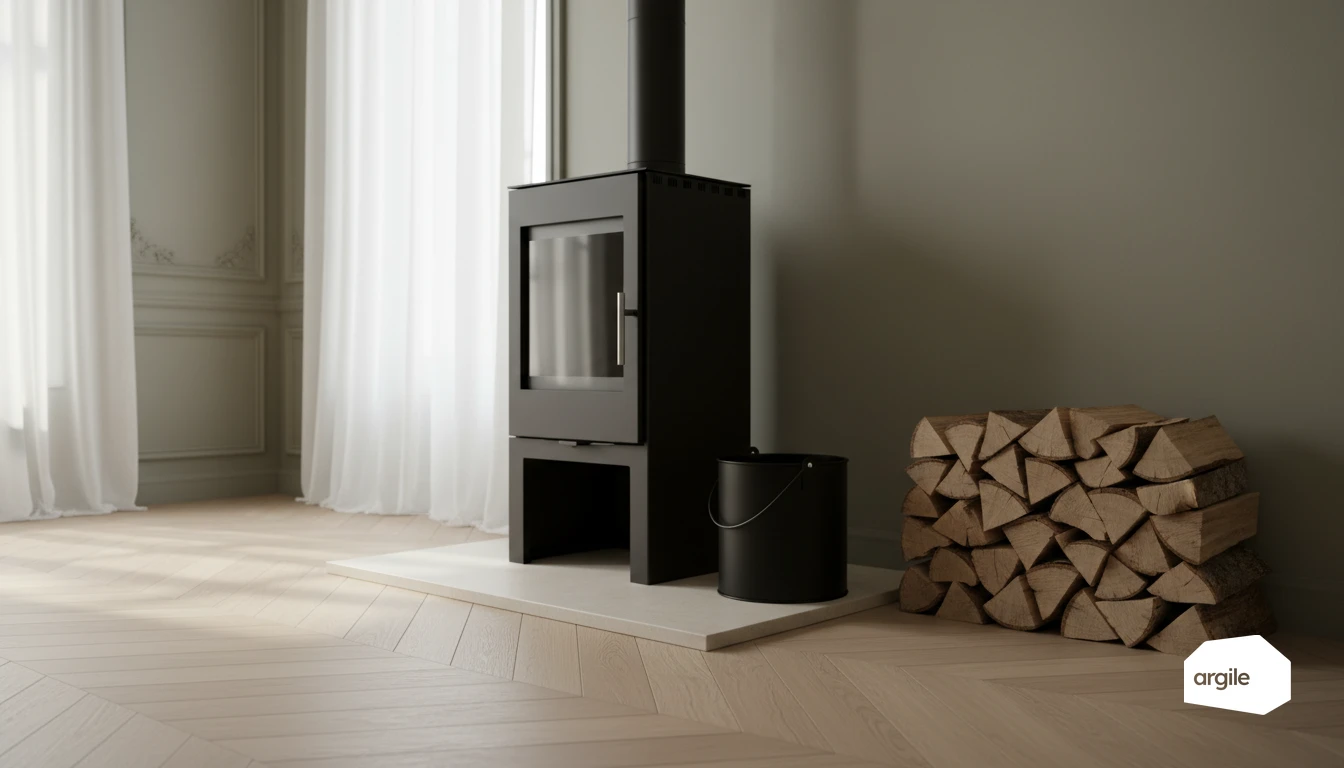
At your clients' homes, a poorly used heating appliance can quickly show. Odours, smoke at start-up, deposits on the glass, indoor and outdoor air both suffer. As a tradesperson, you control the right habits. Correct sizing, a suitable flue, regular servicing and simple lighting advice change everything, bringing real comfort and lower emissions.
5 min read
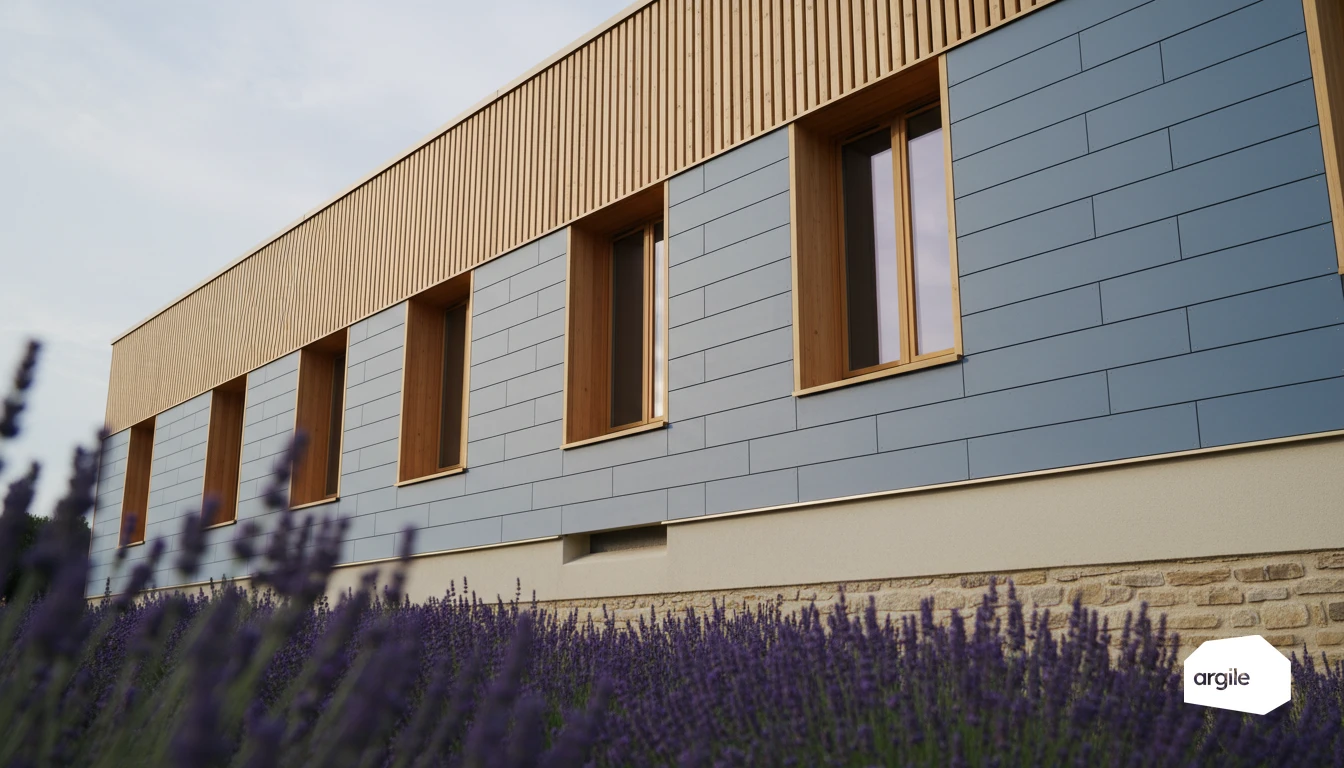
When you insulate from the outside with an applied facing, you're playing on two fronts: thermal comfort for your customers, and clean moisture management thanks to the air gap that helps the wall stay healthy. Properly installed, this system also lets you make up for irregular substrates and deliver a clean, durable facade, without piling up compromises on site.
6 min read
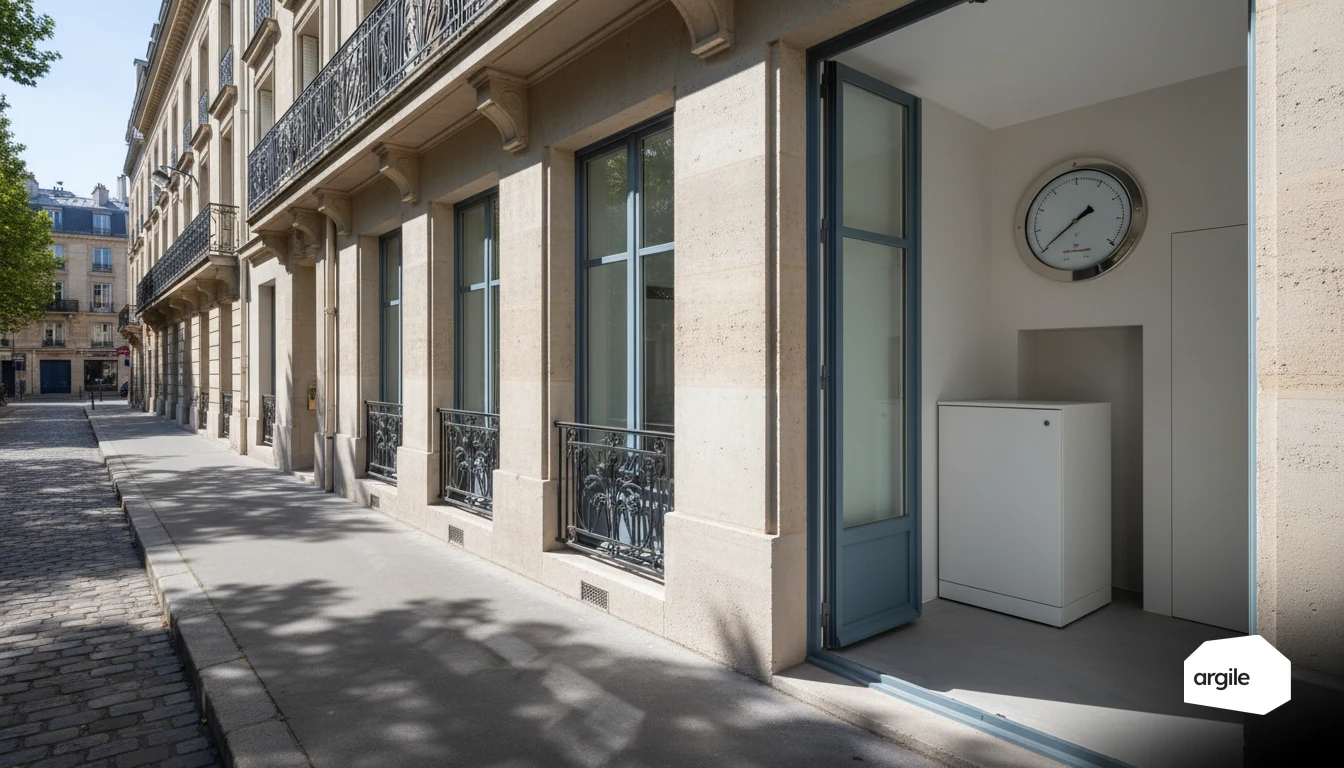
The pressure of a sealed circuit is set cold, from the water column height of the building, then checked hot to validate the expansion vessel. That check is one of the mandatory service points on a heat pump connected to a water loop. This article gives the setpoint table by height, the cold-to-hot reading and the diagnostic tree for a drifting gauge.
5 min read
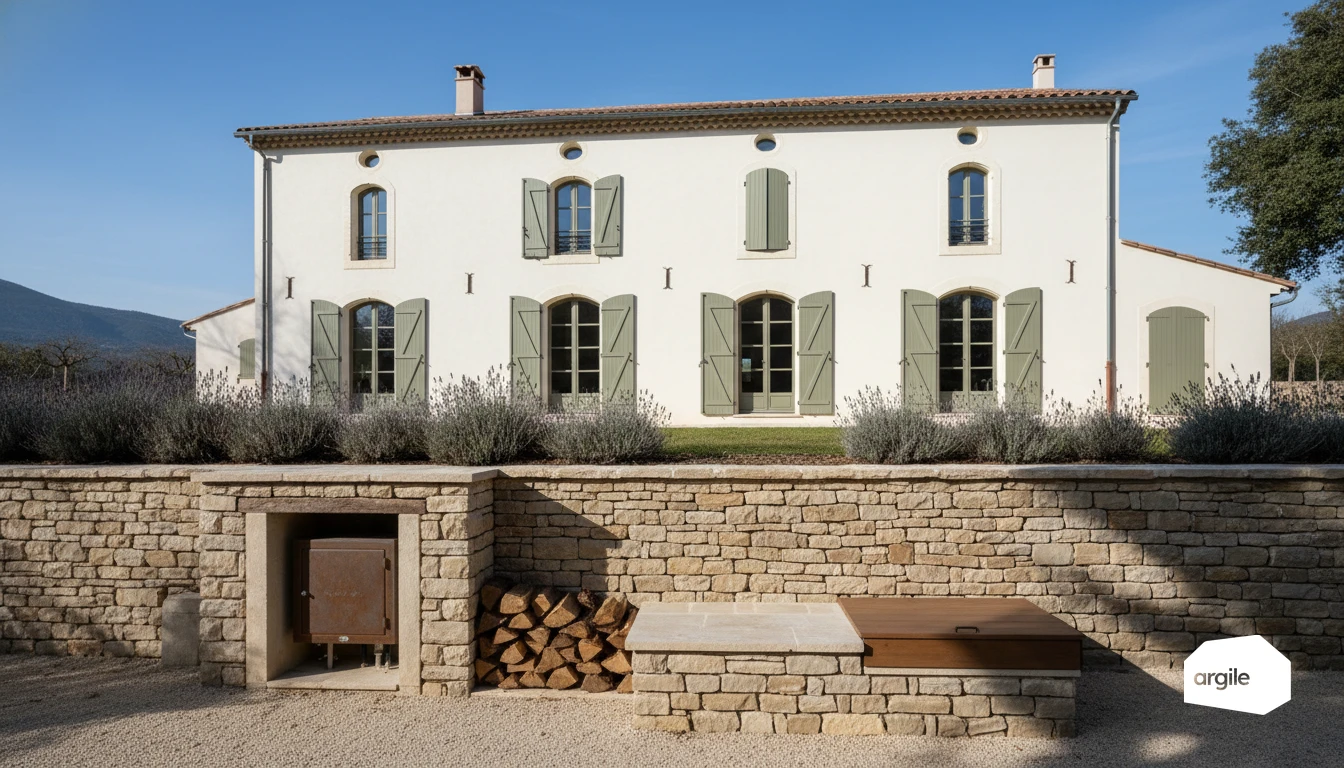
On a job, heat is often the item that weighs heaviest in the carbon footprint. When a neighbourhood is supplied by a network, your role is to check what's actually behind the substation and steer the client towards the right settings, at the right time. Wood energy, heat recovery, geothermal, gas top-up, the mix is evolving fast and it's changing how you size, balance, and control an installation. By understanding the sources used and their constraints, you secure performance and gain credibility when questions about decarbonisation come up.
5 min read
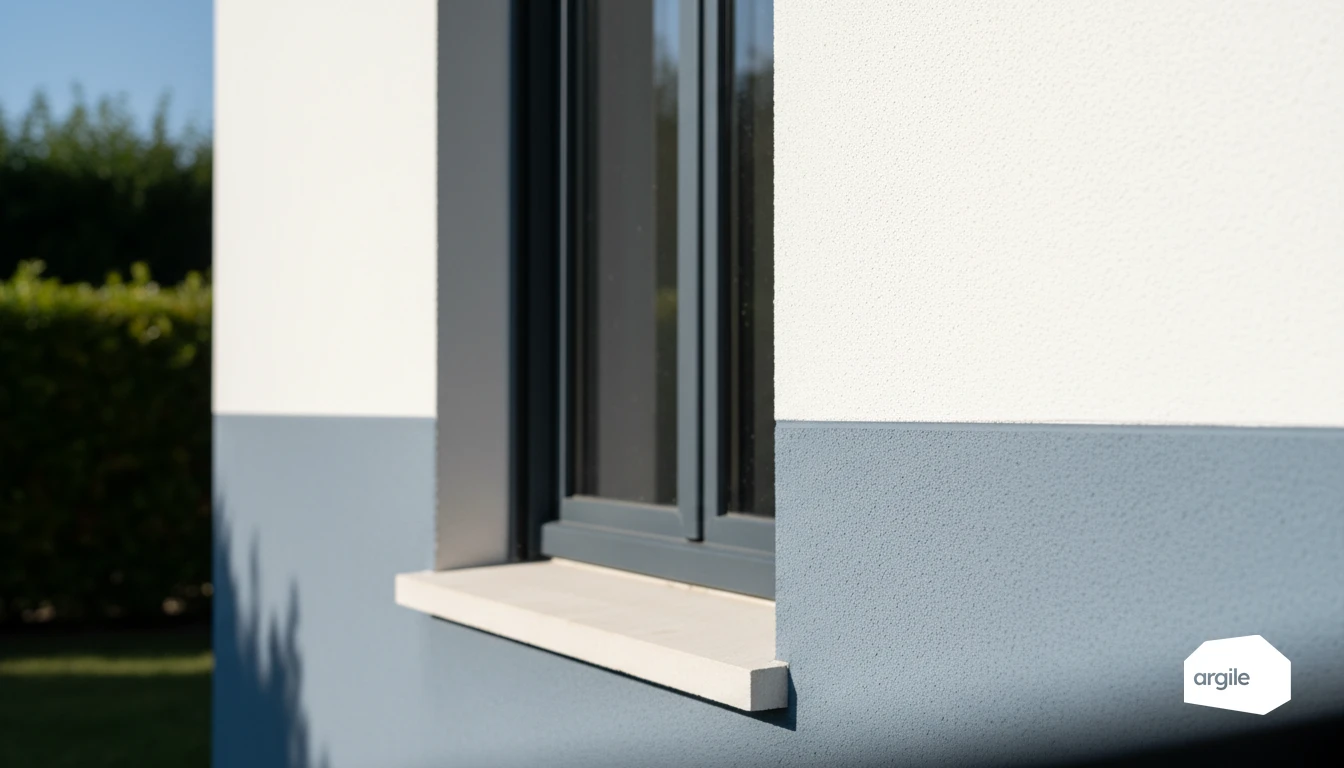
Past a certain scope, pairing a facade renovation with external insulation stops being a commercial opportunity and becomes a duty. Article R. 173-4 of the French construction and housing code treats a renovation touching at least 50% of a wall, excluding openings, as major works, and that classification forces you to insulate. Here is the threshold, the exemptions, and the two thermal resistances that do not say the same thing.
5 min read
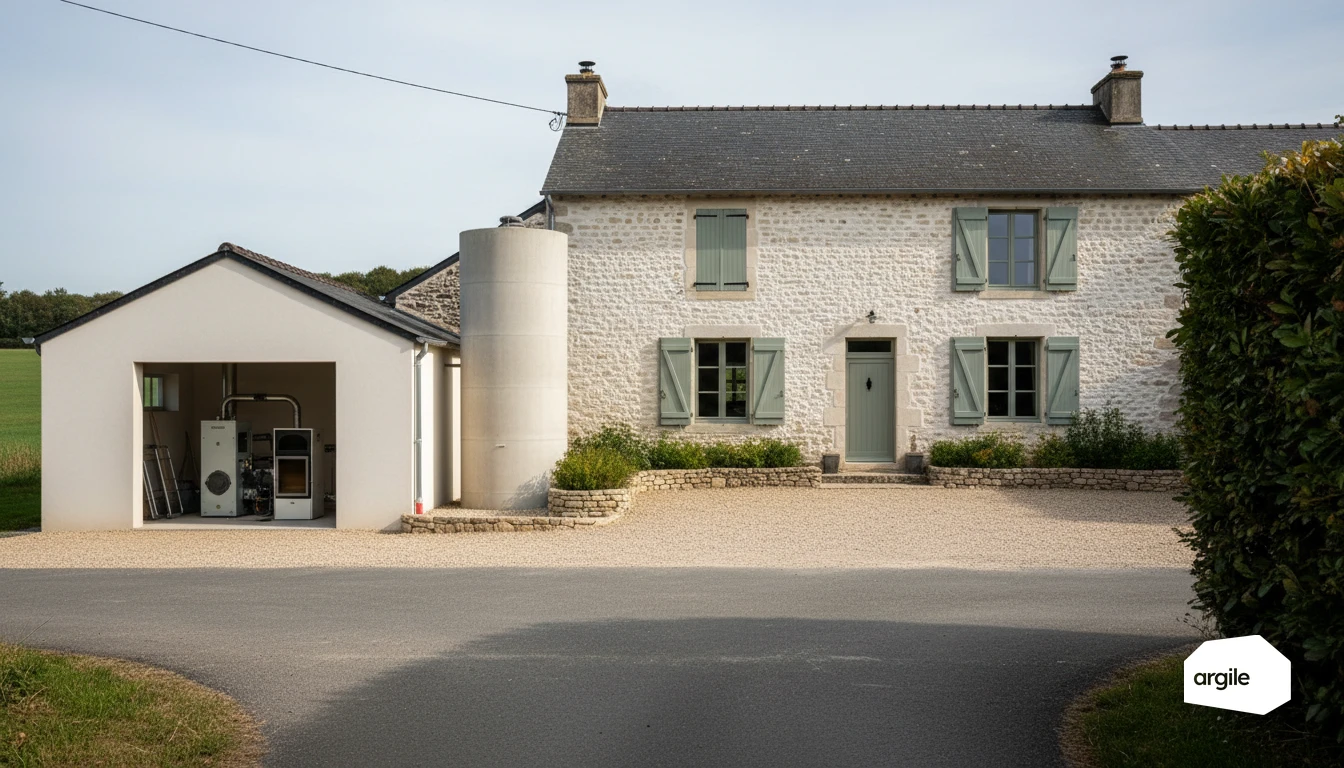
In a large building, heating is never a "detail": it's a line item that weighs on your costs, your job-site timelines and client satisfaction. With forest wood chips, you can aim for a robust solution built to run for a long time, provided you size the output, storage and feed system correctly. You gain peace of mind by planning fuel logistics, delivery access and maintenance right from the quote stage.
5 min read

When the job site switches into winter mode, your installation can quickly fail you at the worst moment, and that's where you save time by planning ahead. Between antifreeze protection and a condensate pan heater, the idea is simple: secure the drainage and avoid failures that cost you another callout. By choosing the right solution and taking care with installation, you deliver a reliable system, even when temperatures drop.
5 min read
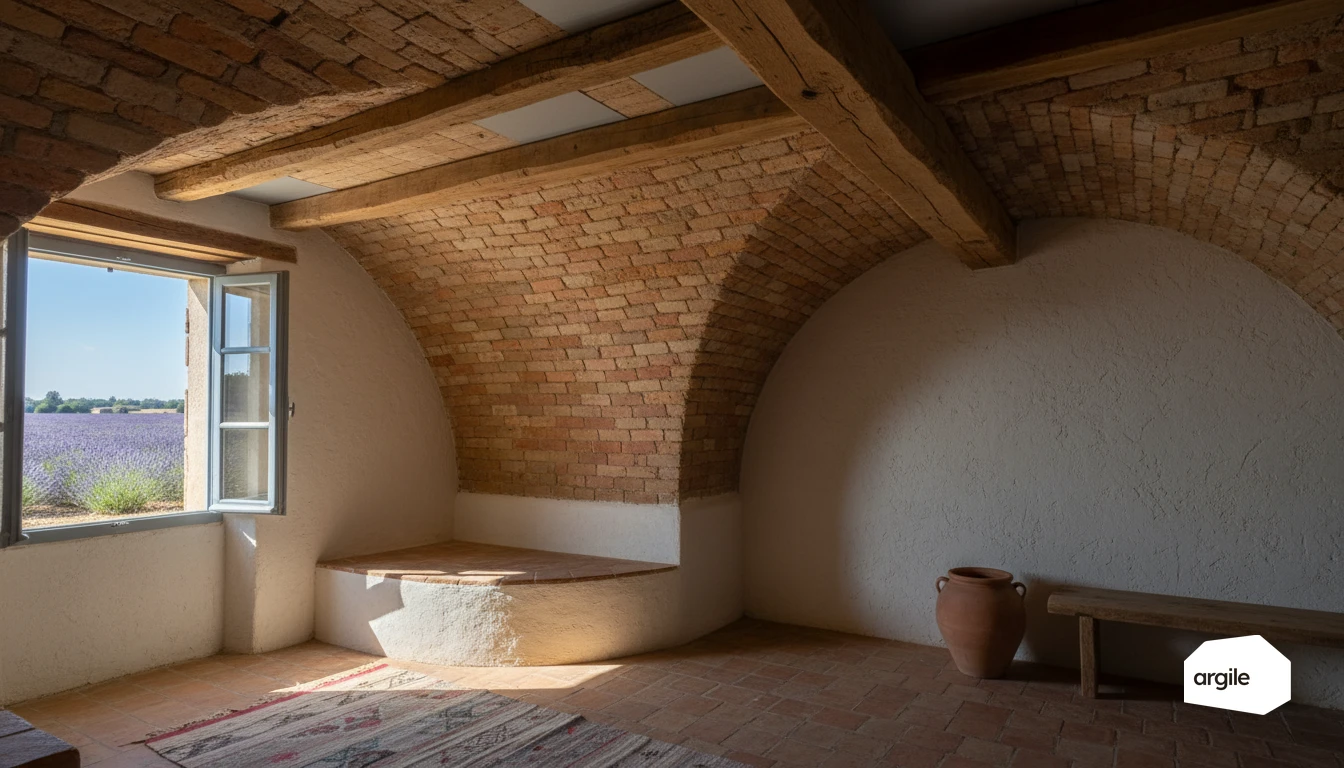
On a brick vaulted floor, you're often working within tight margins between respecting the original building, available headroom and thermal performance. The right approach is to first assess the condition of the vaults and their bearings, then choose insulation compatible with moisture and loads, without sealing off the masonry. With a clear method, you secure the job and gain comfort, without a bad surprise at handover.
5 min read

Ten centimetres of substrate deliver in the order of 0.10 to 0.15 m²·K/W, while a refurbished flat roof has to reach 4.5 m²·K/W in the coldest French climate zone. The planted build-up therefore accounts for a few per cent of the requirement: it replaces no insulation at all. Its value lies elsewhere, in the summer behaviour of the membrane and in the retention of everyday rainfall.
4 min read

When a client complains about a room that stays muggy despite the installation, it's often a sizing issue. With a few simple measurements and two or three good field habits, you can quote the right capacity, avoid overspending, and secure comfort in summer as well as mid-season. That saves time at the quote stage, and lets you sleep easy after commissioning.
5 min read
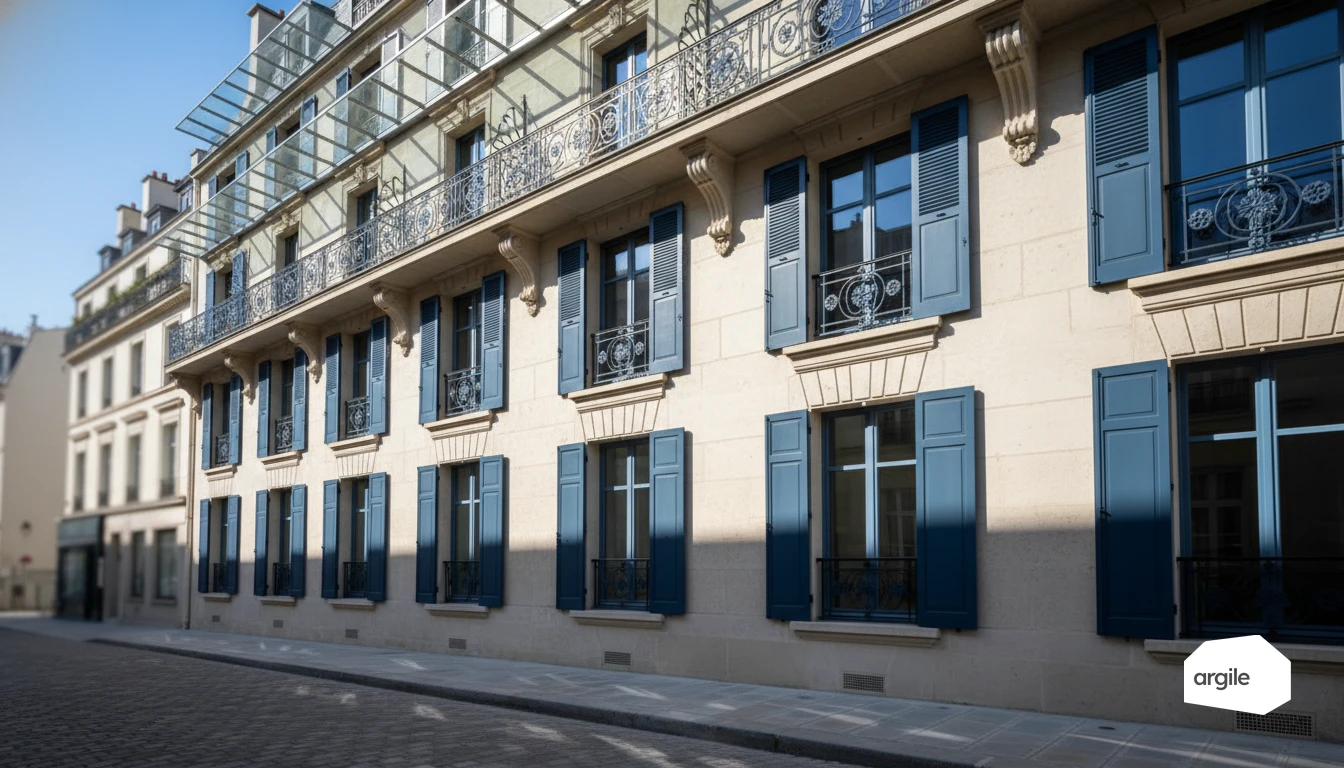
A brise-soleil overhang is not a façade accessory, it is a near-shading obstruction that assessment methods already know how to score. The French 3CL near-shading factor drops to 0.6 from 1 m of projection and to 0.4 beyond 3 m, and the projection that genuinely shades a 2.15 m opening at the summer solstice depends on latitude, from 1.09 m in Plymouth to 1.37 m in Edinburgh. What follows is the sizing rule, the choice of material, the consents to check, the price range and what your liability cover answers for at the fixings.
10 min read
Reveal your expertise
One demo, and you see your expertise proven.
Contact us
