News
Articles by Argile
Regulation, field practice and tools: our analysis to help renovation professionals sell and deliver energy retrofits.
A thermodynamic heat-recovery unit is sold as ventilation that heats. The question nobody asks at quote stage is how much heat the supply air can actually carry, and that is bounded by the regulatory flow rates. We work it out here, set it against the heat loss of a passive, new or renovated house, and cover price, maintenance, the French EPC and the grants still open in 2026.
9 min read

On a job site, a few degrees of difference in orientation or tilt can quickly change output. With simple coefficients and clear tables, you can check in two minutes whether the planned surface holds up, or whether an adjustment is worth it, protecting your pricing and avoiding bad surprises at handover.
5 min read

A heat pump's ETAS (ηs) is its seasonal efficiency expressed in primary energy, under Regulation (EU) No 813/2013: for an air-to-water unit, ηs = SCOP / 2.5 × 100 − 3. The French CEE sheets BAR-TH-171 and BAR-TH-172 require at least 126 % at low temperature (35 °C) and 111 % at medium or high temperature (55 °C), read under the average climate on the heat pump alone.
9 min read
On a job site, the structure carries a lot of weight in the carbon footprint. Yet you can make real gains without upending your habits, by working the mix design, the additions and the right execution choices. The right reflex is to think it through as early as the pricing stage: what volume, what performance, and where it really counts.
5 min read

In renovation, well-adjusted ventilation often makes the difference between a 'clean' project and a client complaining about odours, condensation and mould. With a solution that automatically modulates flow rates according to humidity, you save time on adjustment and secure air quality without over-ventilating. The result: healthier homes and performance that lasts.
4 min read
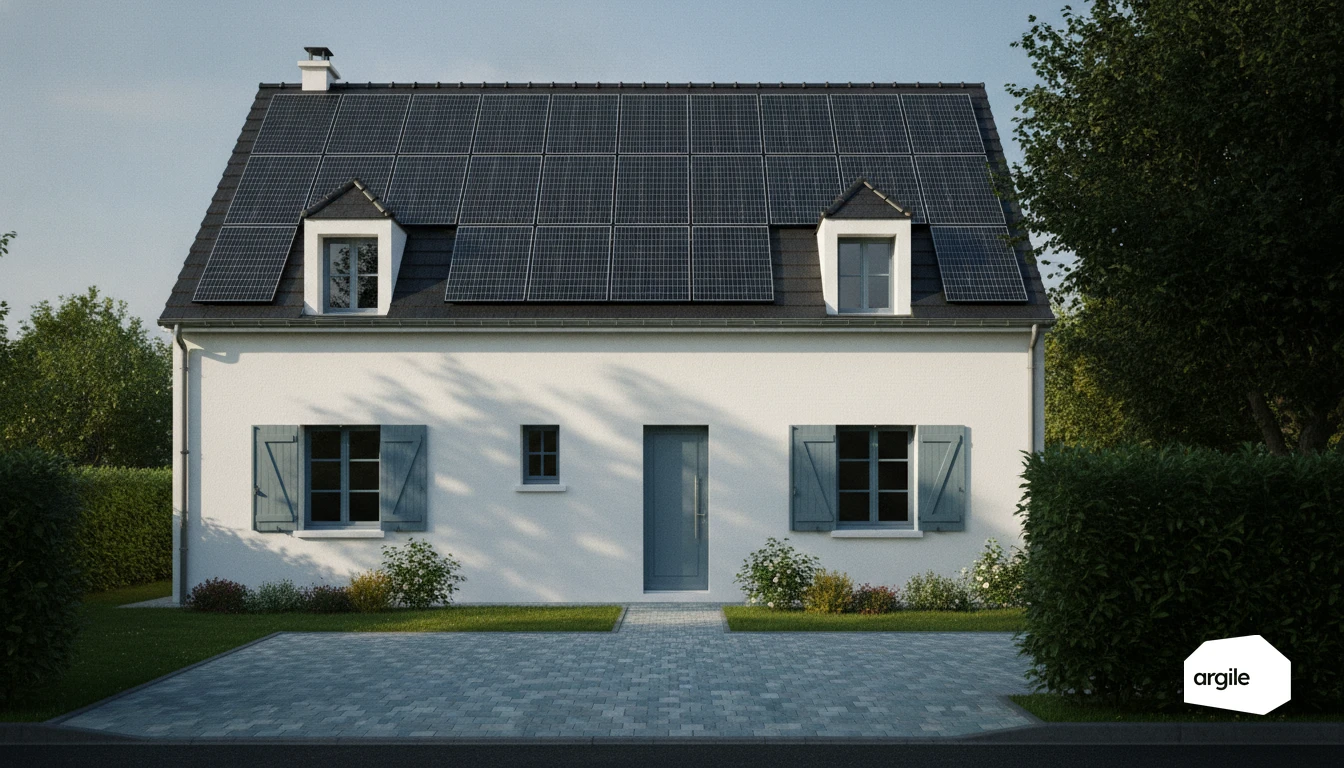
On a solar job, a few degrees can change everything. By fine-tuning panel orientation and tilt right at installation, you secure year-round production with no extra material cost, and the client sees the difference on their bill. And when the roof imposes constraints, you have simple levers to limit losses.
5 min read
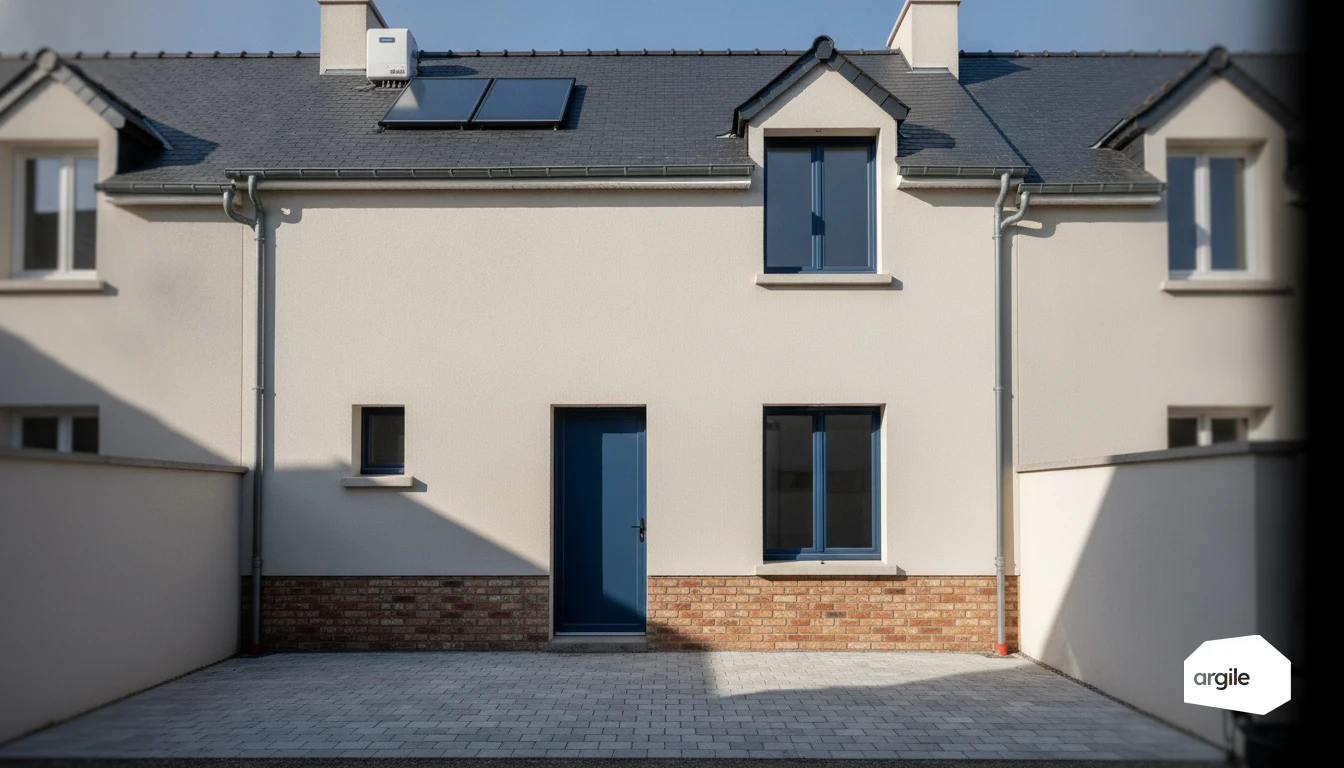
When a client wants to cut their hot water bill without complicating their job, solar thermal remains a solid option. As a tradesperson, what you mainly need is a reliable system that's quick to install and easy to explain, with settings that avoid callbacks. Here we get straight to the practical points to help secure your installs and your margins.
6 min read
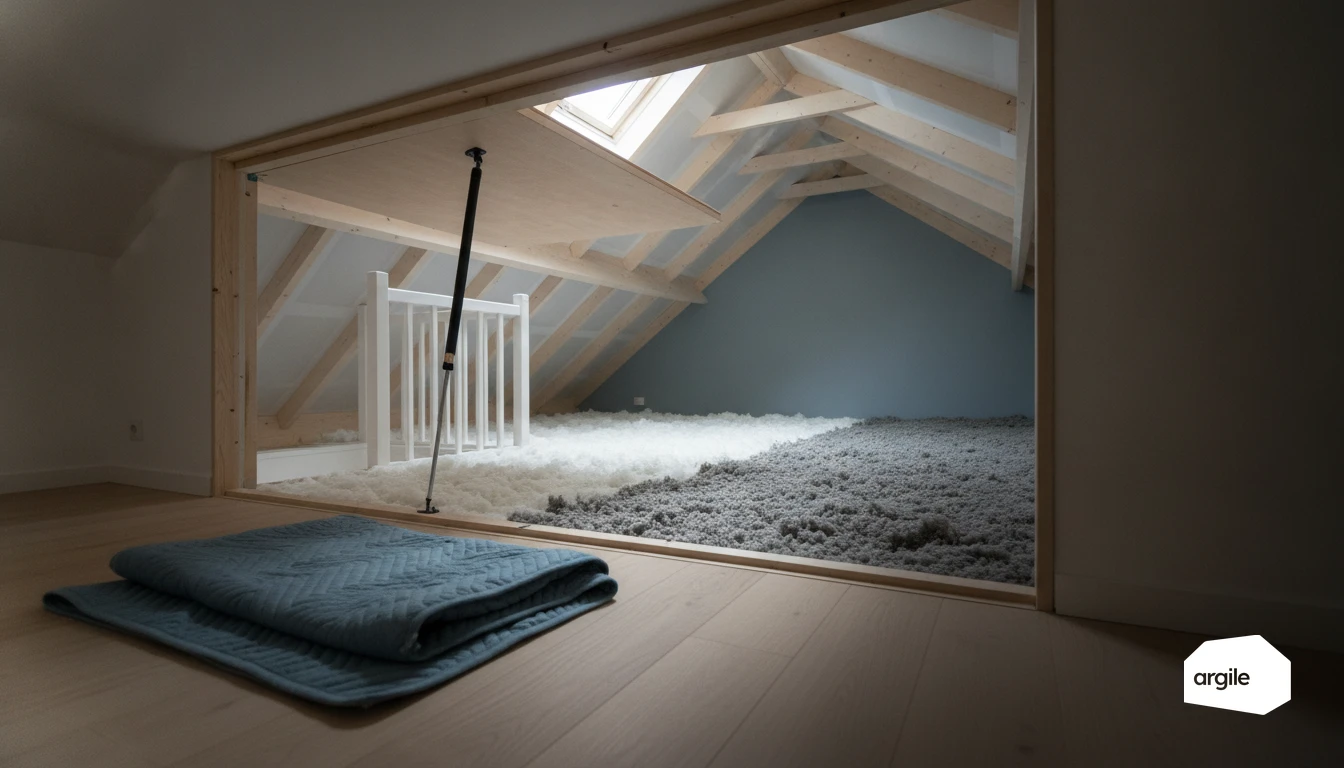
The depth you blow cannot be worked back from a catalogue lambda. With no certified value, the tabulated default for wool blown onto a loft floor is 0.056 W/(m·K), which means 390 mm to reach the R ≥ 7 m²·K/W a funded measure asks for. With a certified product at 0.040, 280 mm does it. Eleven centimetres of difference, purely on the strength of the paperwork.
8 min read
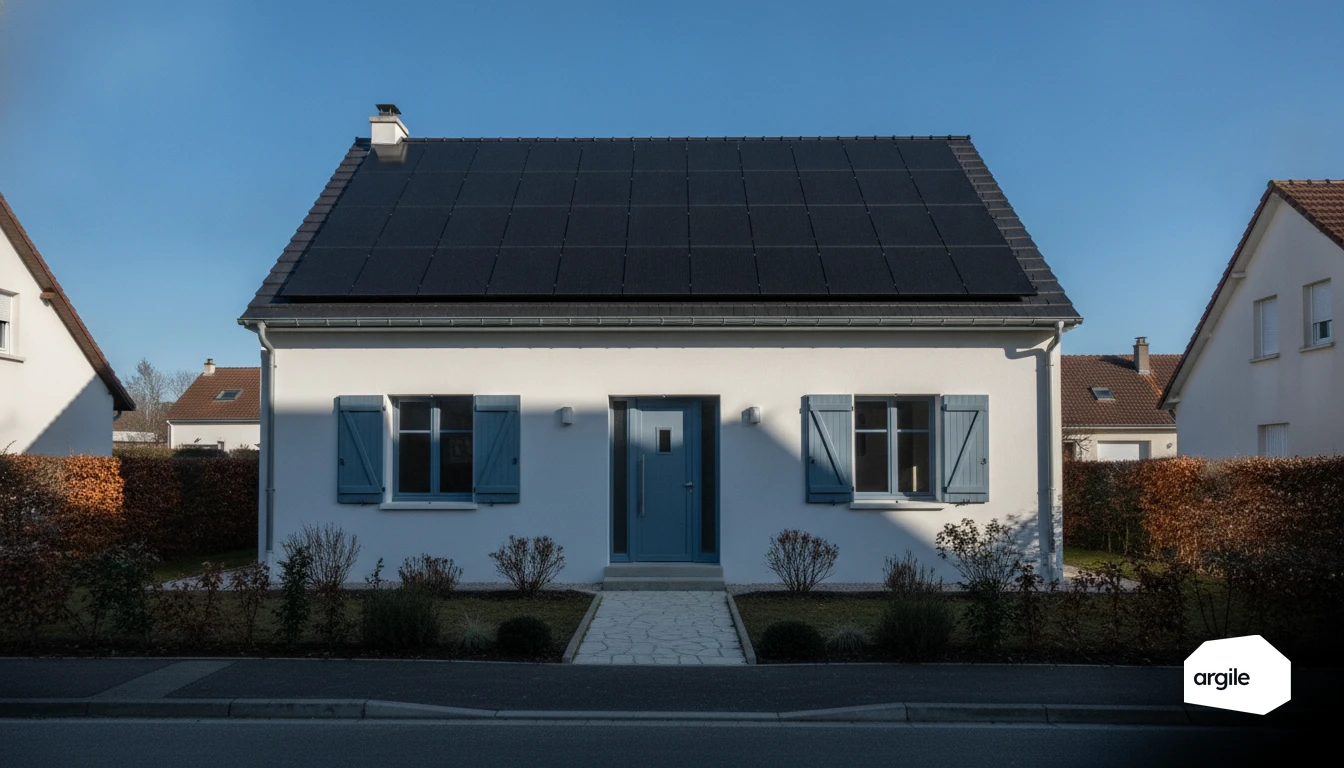
Sizing a solar array for self-consumption comes down to one division: annual daytime consumption divided by the local yield in kWh per kWp. Everything else is the quality of those two terms. The yield comes from PVGIS, not from a national average, because it varies by a quarter between Glasgow and Plymouth. Daytime consumption comes from the half-hourly meter data, not from the annual bill.
6 min read
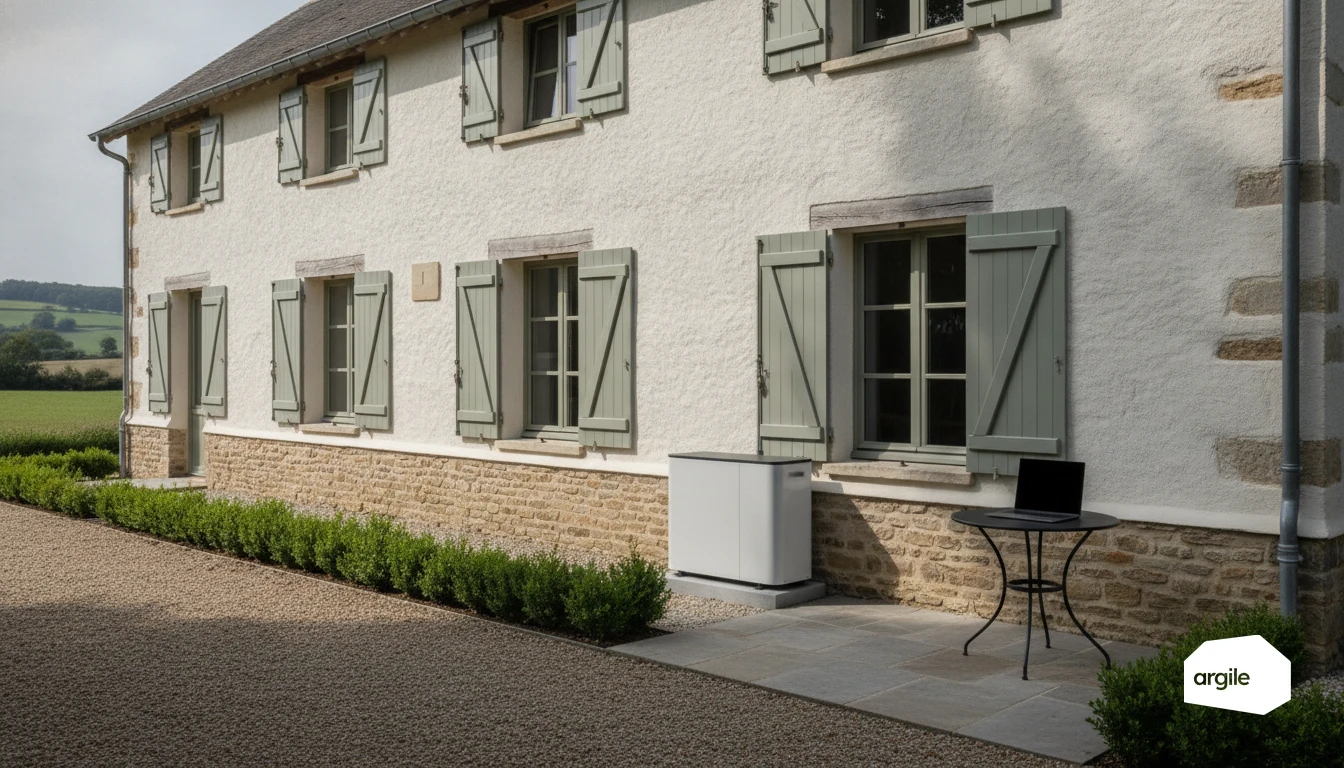
Between new ecodesign requirements and product data sheets that keep getting stricter, you need clarity to offer compliant heat generators without wasting time on back-and-forth. We sort out what actually changes on the job, from performance thresholds to labelling, to de-risk your quotes and avoid bad surprises at handover.
5 min read
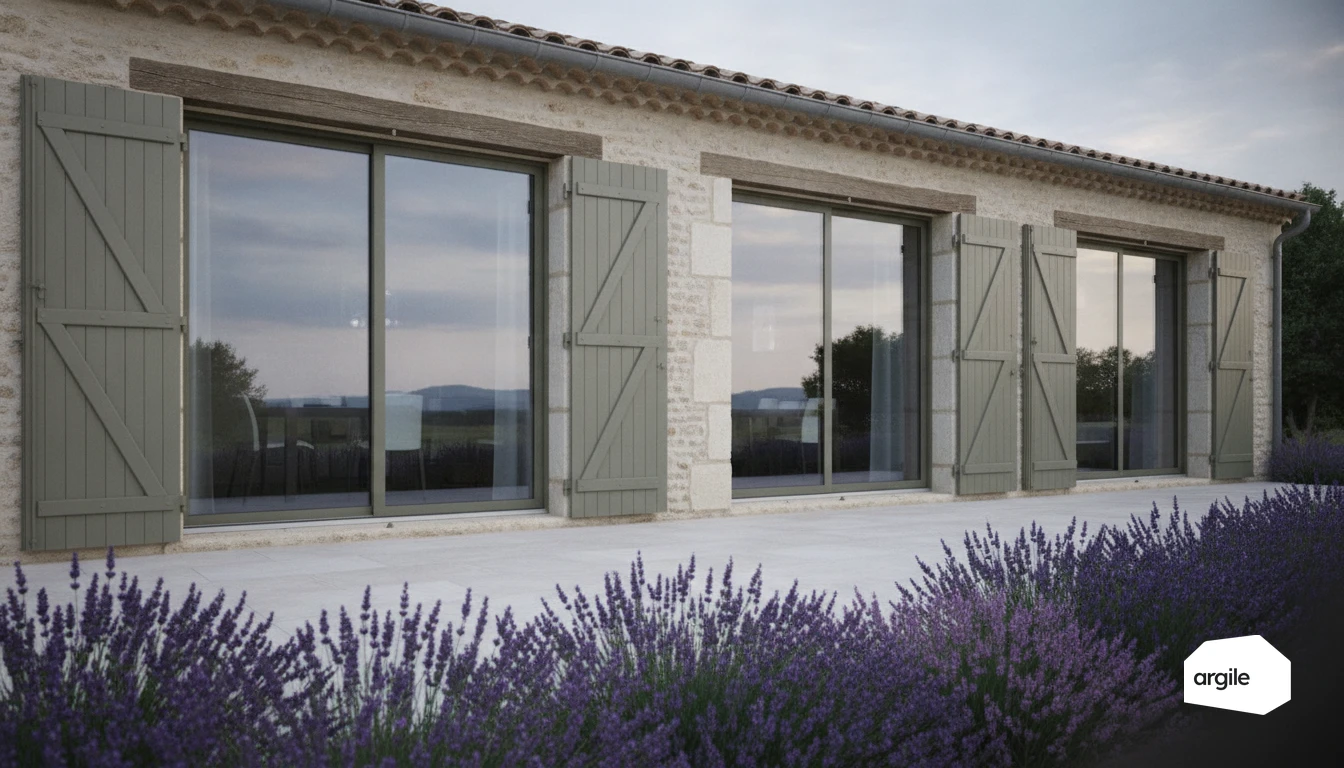
On a job site, you see it right away: a glazed wall can be beautiful, but it can also let cold in during winter and cause overheating in summer. So-called "low-emissivity" treatment offers a simple answer: an almost invisible layer that sends heat back the right way, without changing the light. For you, it's a concrete lever to improve comfort and secure the performance figures you've promised the client.
5 min read
A commercial unit falls under two separate obligations, and they are not triggered by the same criterion. The French tertiary decree applies from 1,000 m² of activity floor area, with annual reporting and a 40% reduction target by 2030. The building automation decree ignores floor area and triggers on installed capacity, catching a 300 m² unit with more than 70 kW of plant.
5 min read
Reveal your expertise
One demo, and you see your expertise proven.
Contact us
