News
Articles by Argile
All our articles in the “Contractors” category.
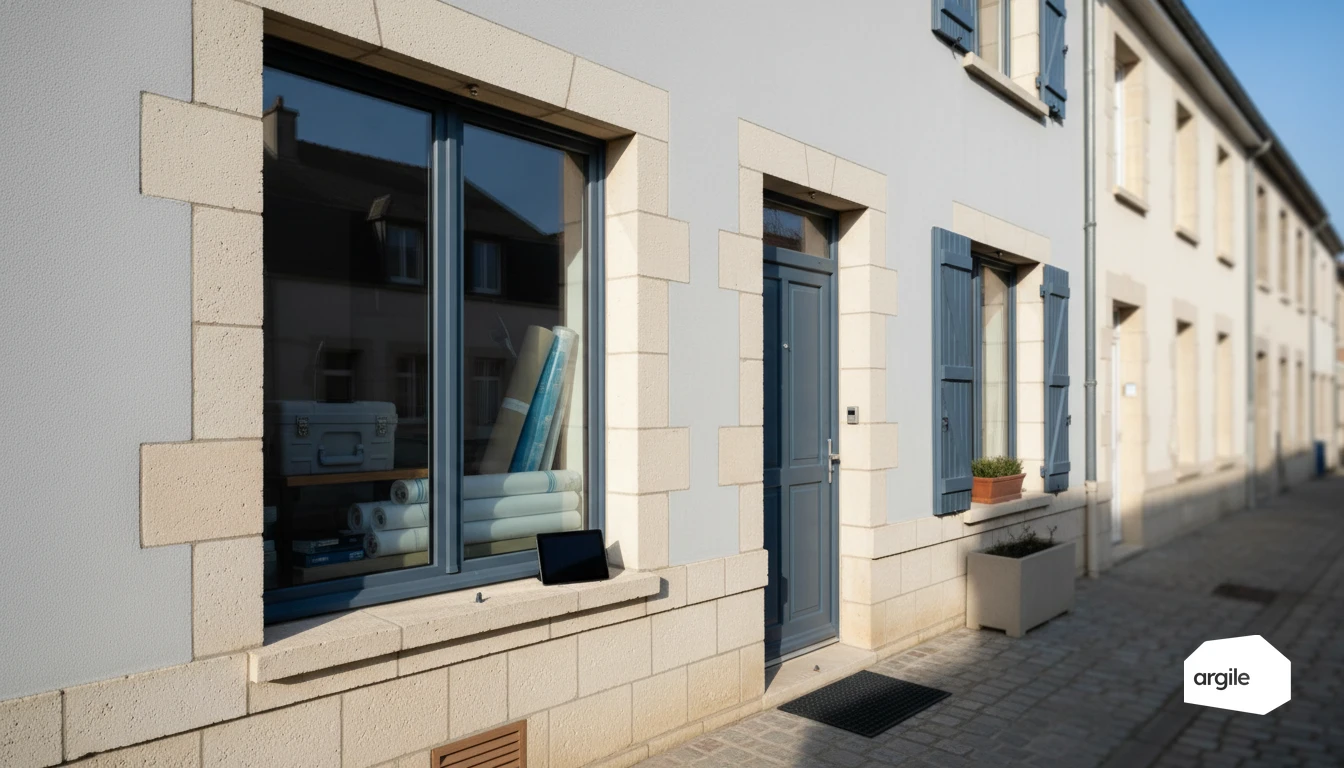
When residents stay in place, every day of works counts. By framing the living areas, schedules and clean circulation routes from the start, you limit dust, noise and back-and-forth, without slowing down execution quality. A few simple rules and solid communication are often enough to avoid tension and unforeseen issues.
5 min read
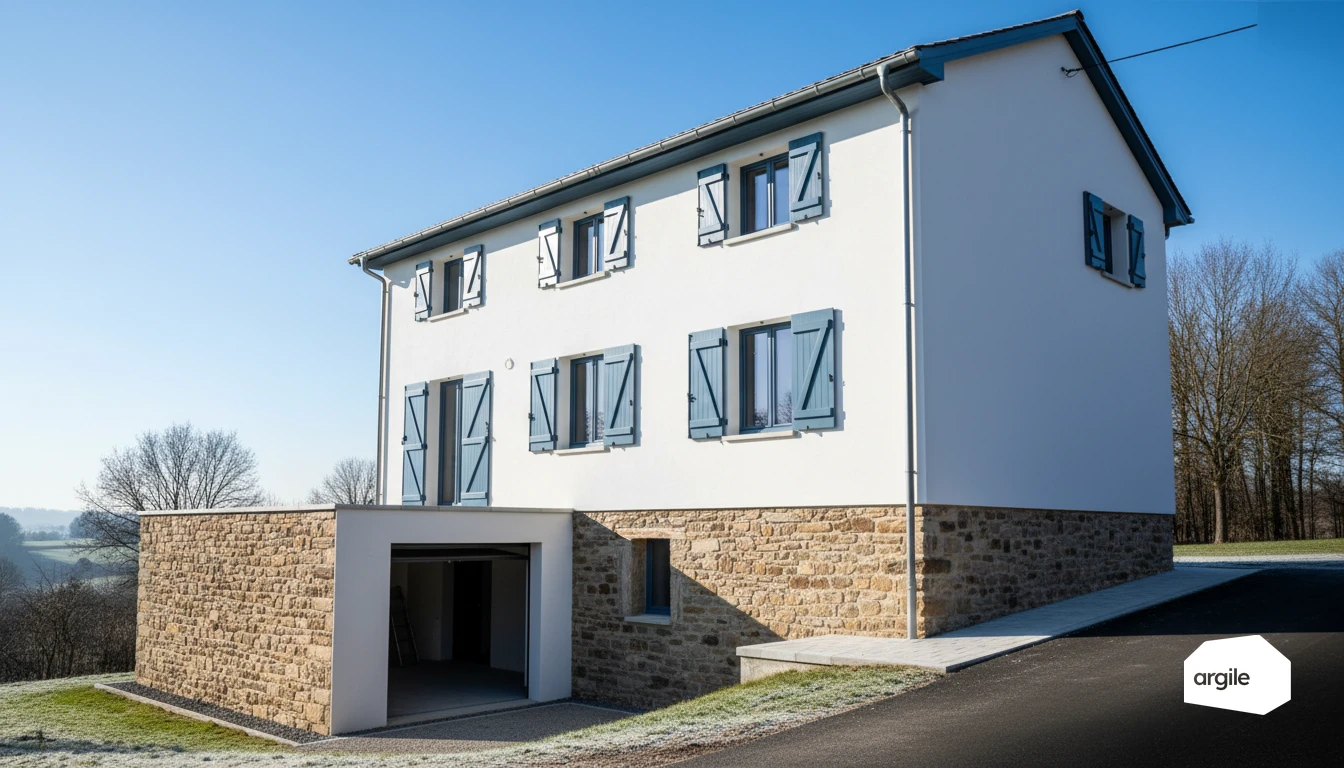
On a ground floor, the right choice is often decided on site, not on paper. From below, you save time if the crawl space or basement is accessible. From above, you secure the finished floor level and the thermal bridges, provided you anticipate thresholds, doors, and services.
5 min read
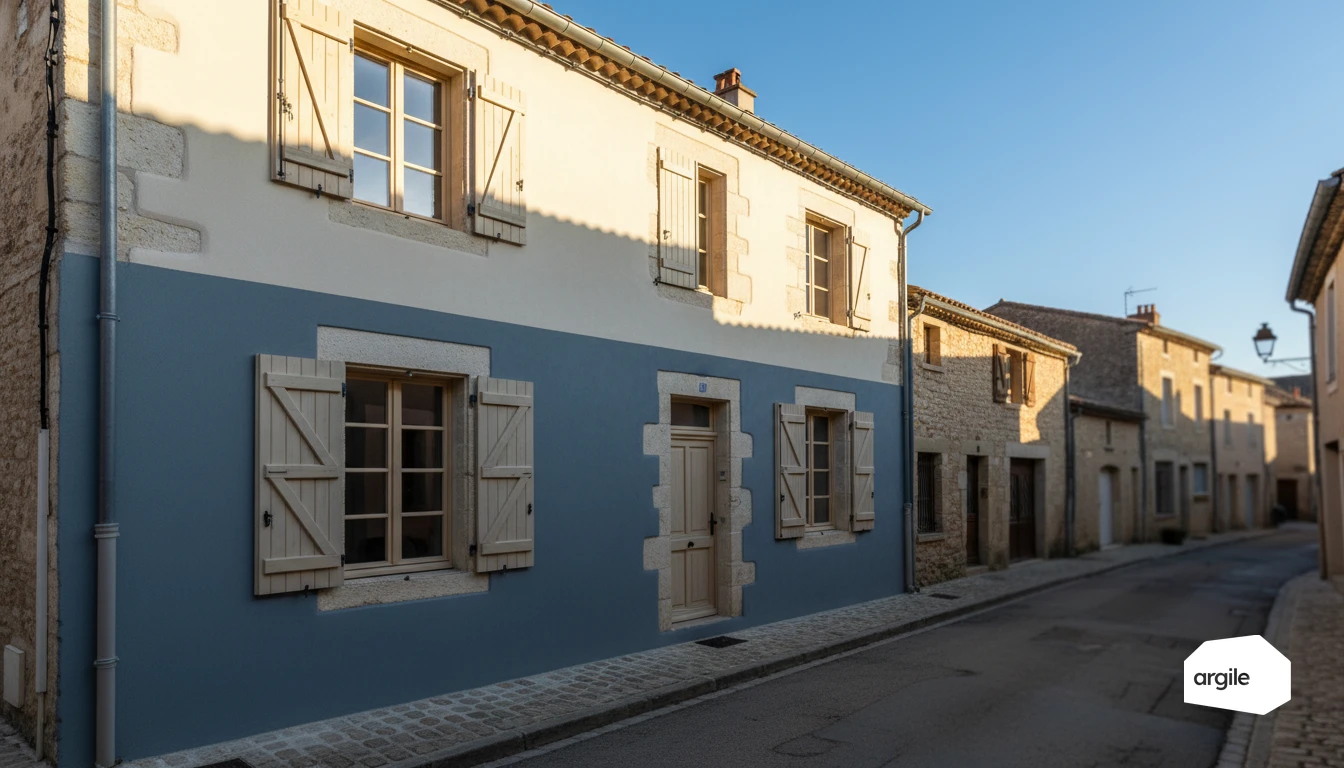
On a facade, colour isn’t just a style choice. It’s also a concrete lever to limit overheating, improve summer comfort, and cut down on complaints about rooms that get too hot — without touching the insulation. As a tradesperson, you can guide your clients toward a colour choice suited to the climate, the orientation, and the job site’s constraints, with a result that’s visible right away.
5 min read
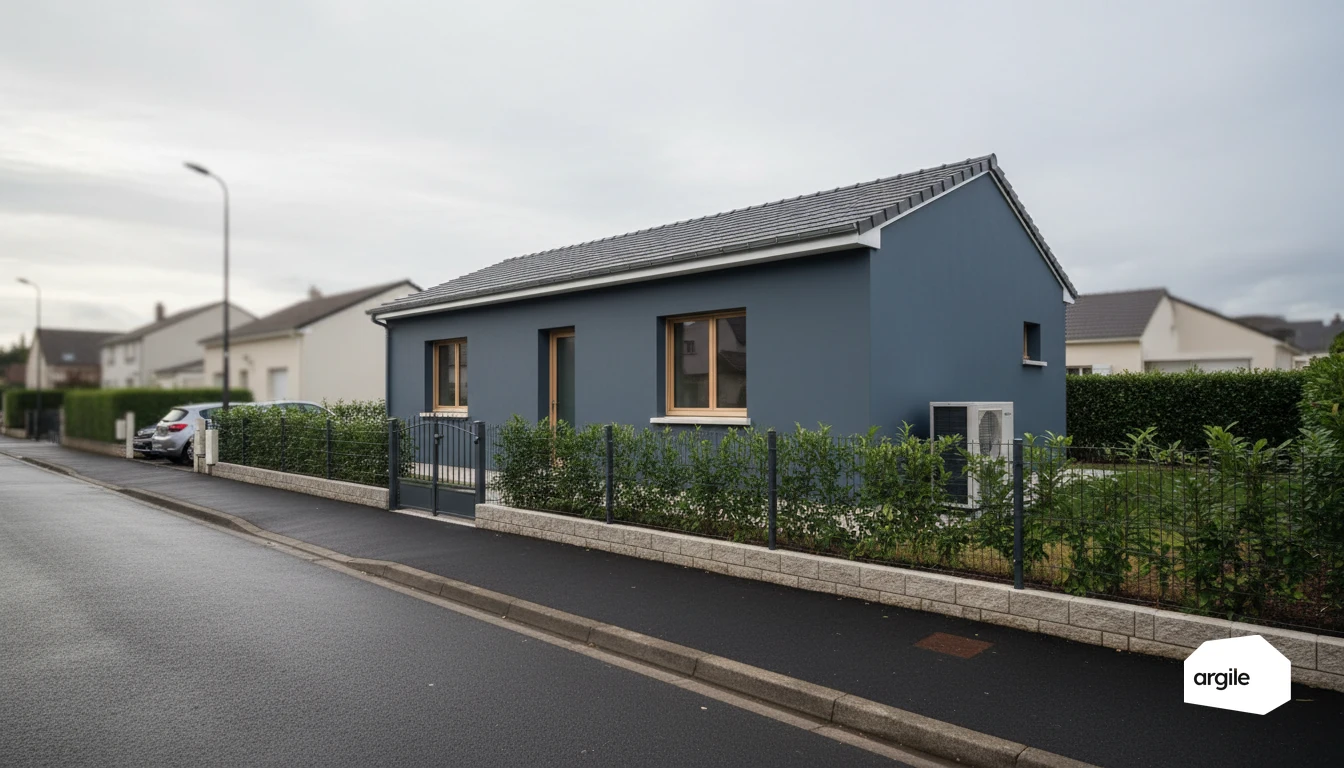
With a tight budget, your clients mainly expect quick wins, visible on their bills, without getting lost in ten different work items. Your value lies in making a simple diagnosis, treating first the points that leak the most kWh, then planning the rest in coherent stages. You secure comfort and performance, without overpromising or oversizing.
5 min read

On a timber roof, the threshold that drives the costing is the thermal resistance added: 6 m²·K/W on the slope, 7 in a cold loft, 4.5 on a flat roof. The thickness that gets you there depends entirely on the conductivity of the insulant chosen, from 18 to 32 cm for the same 6 or 7. On a steel structure, conductivity jumps from 0.15 to 50 W/(m·K) and the treatment of fixings becomes the item that decides real performance.
5 min read
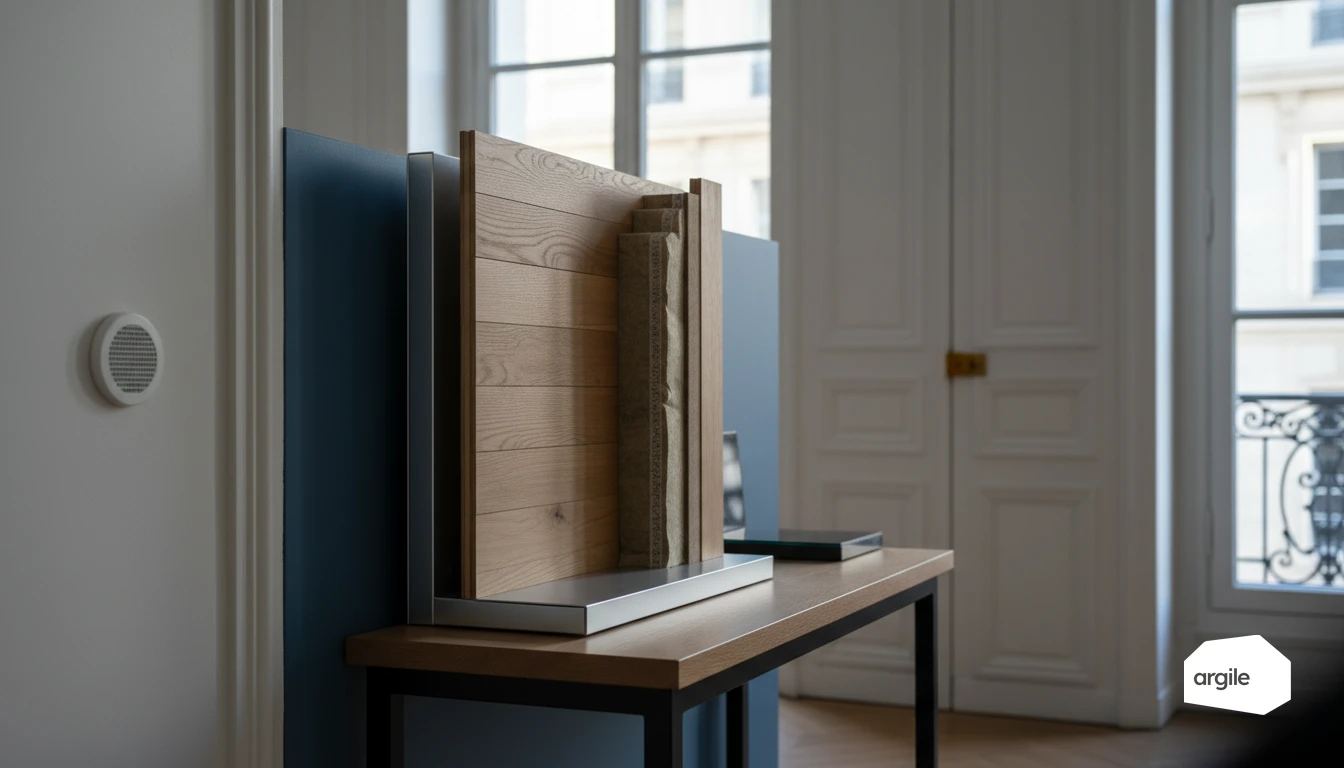
On a half-timbered house, you play a fine balancing act between comfort, moisture and respect for the building. Your insulation and heating choices must let the walls breathe, otherwise problems show up fast, and your client sees it… and feels it. With a simple method and the right materials, you gain performance without erasing the character.
5 min read
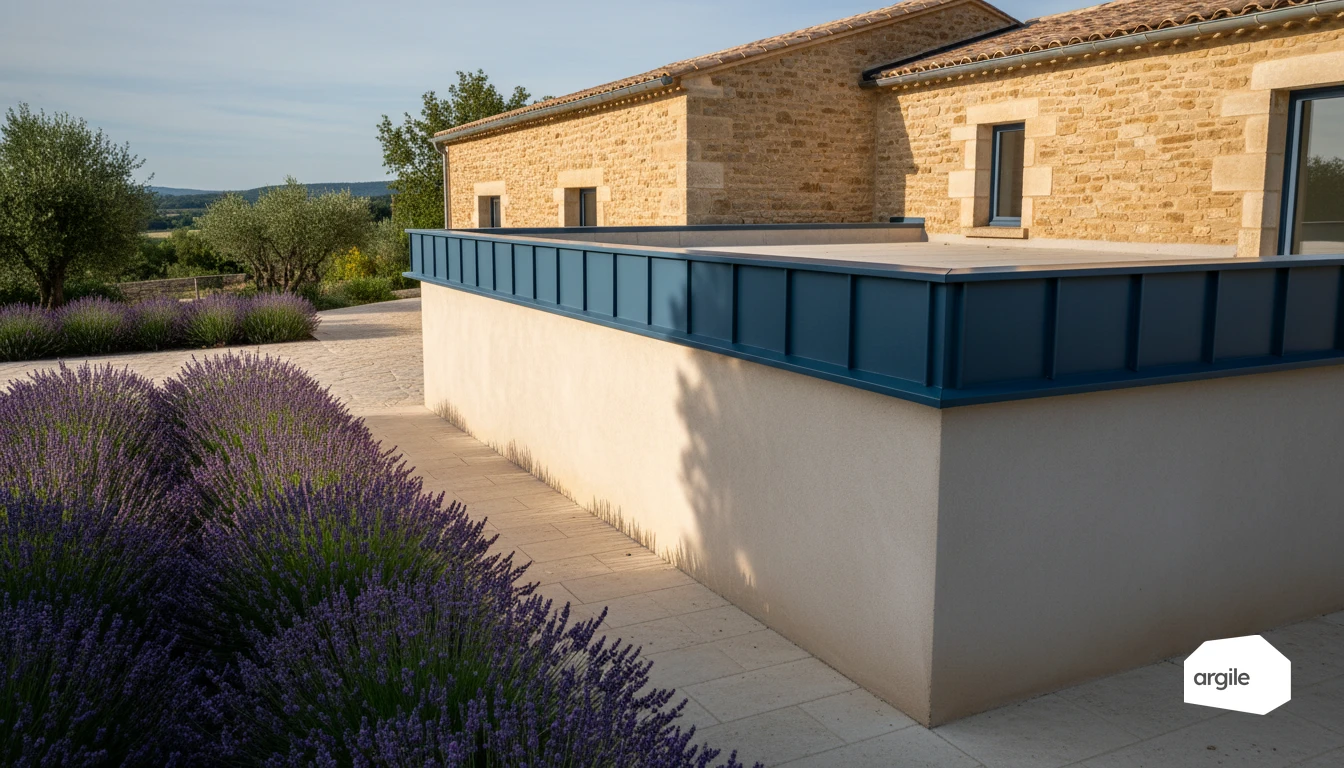
A flat roof insulated from outside is priced against two thresholds that are not the same: the French existing-buildings rules ask for R ≥ 3.3 m².K/W, the BAR-EN-105 energy certificate sheet asks for 4.5. And if the works touch at least 50% of the covering, the duty to insulate is triggered on its own. Here are the thresholds, the exemptions, and the detail points to survey before you price.
5 min read
Unified degree days have an official calculation method, and it is not the one most spreadsheets use. It splits into three cases depending on where 18 °C falls between the day's minimum and maximum, and the mid-season case does not reduce to a simple gap from the mean: the simplified formula counts zero where the official method counts a whole degree day. Here are the three formulas, the trap in the reading hours, and what 18 °C actually means.
5 min read
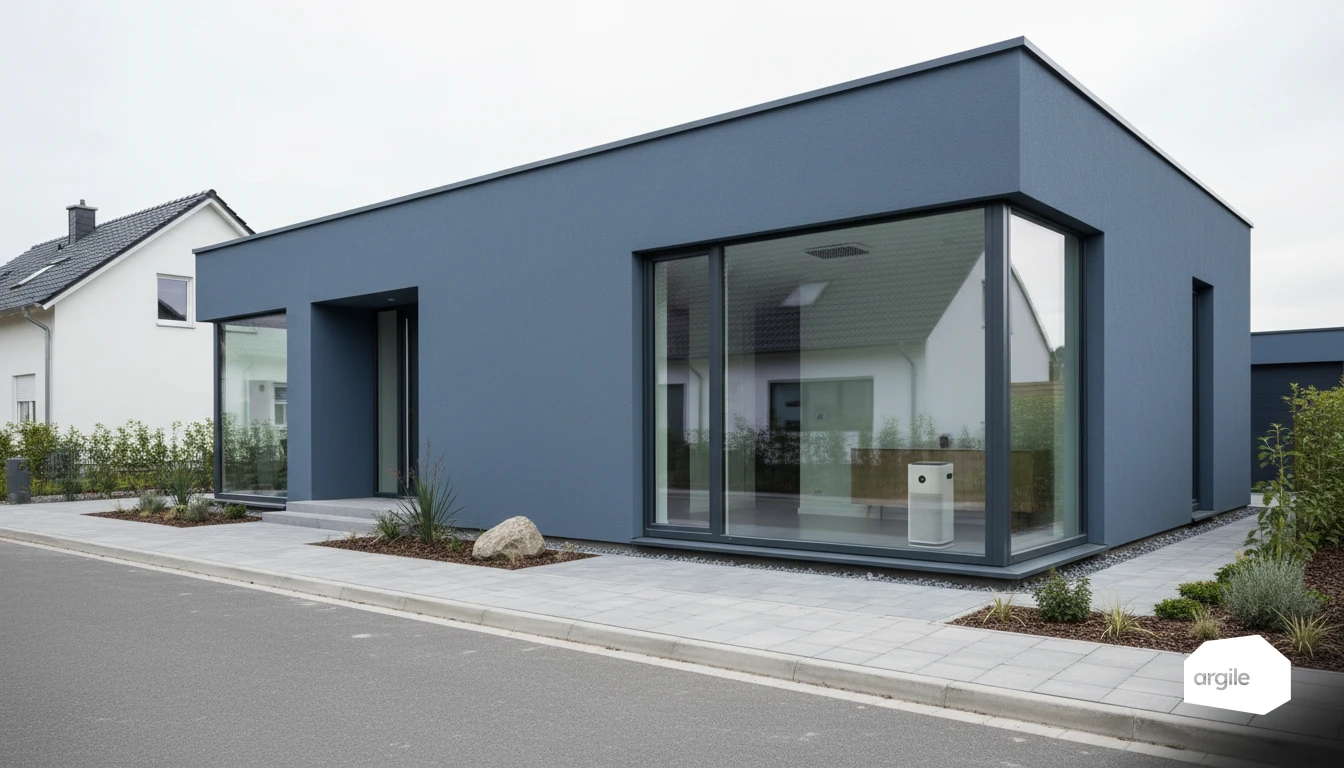
When a client complains about odours, dust or humidity, you need to decide quickly between air treatment and ventilating the home. The two can work together, but they don't address the same causes, or in the same rooms. Asking the right questions at the site visit saves you time, and lets you propose a solution that holds up over the long run.
5 min read
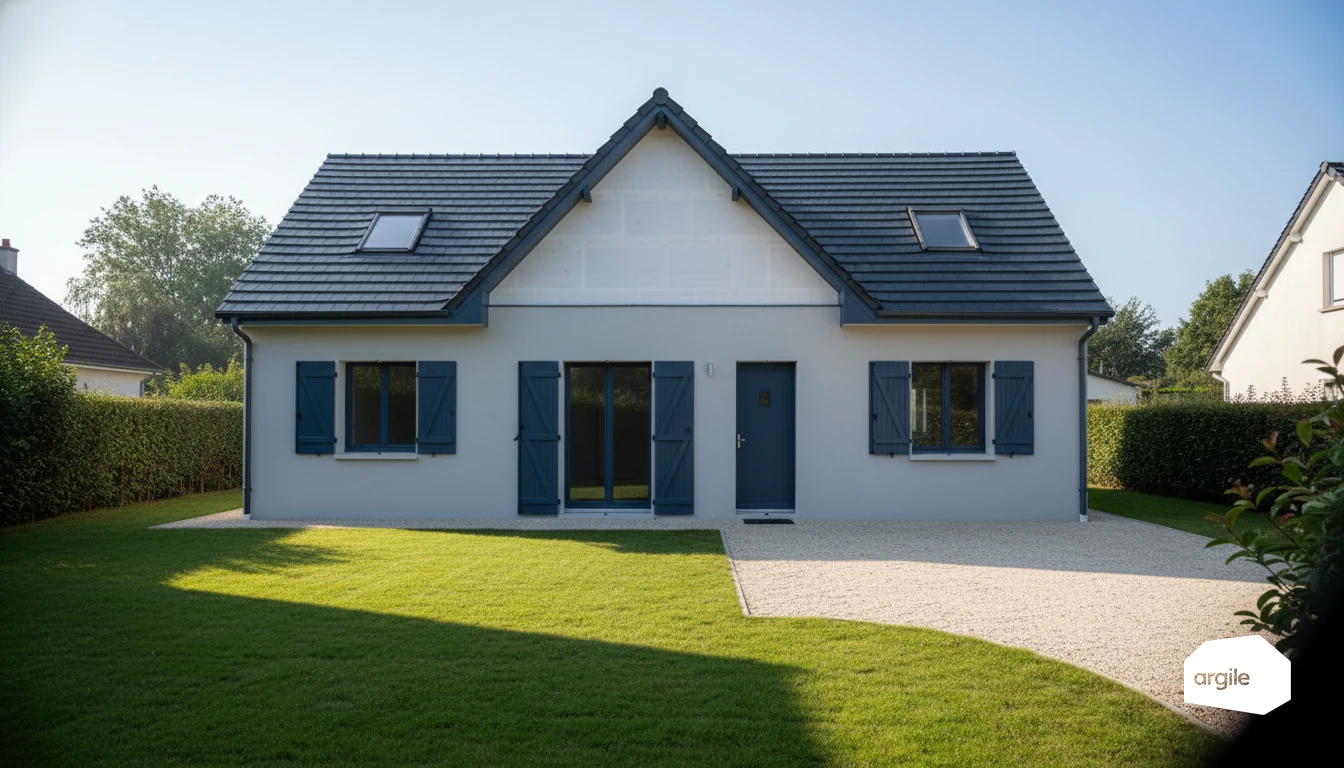
On a rafter slope the payment turns on a single line: the thermal resistance of the insulation installed, existing layers excluded, has to reach 6 m²·K/W under the French CEE measure. That is 18 cm in high-performance mineral wool and 25 cm in wood fibre, a depth no rafter gives you on its own. What follows is how the thickness is split between the two planes, the Sd expected on the warm side, and the wording without which the invoice fails an audit.
5 min read
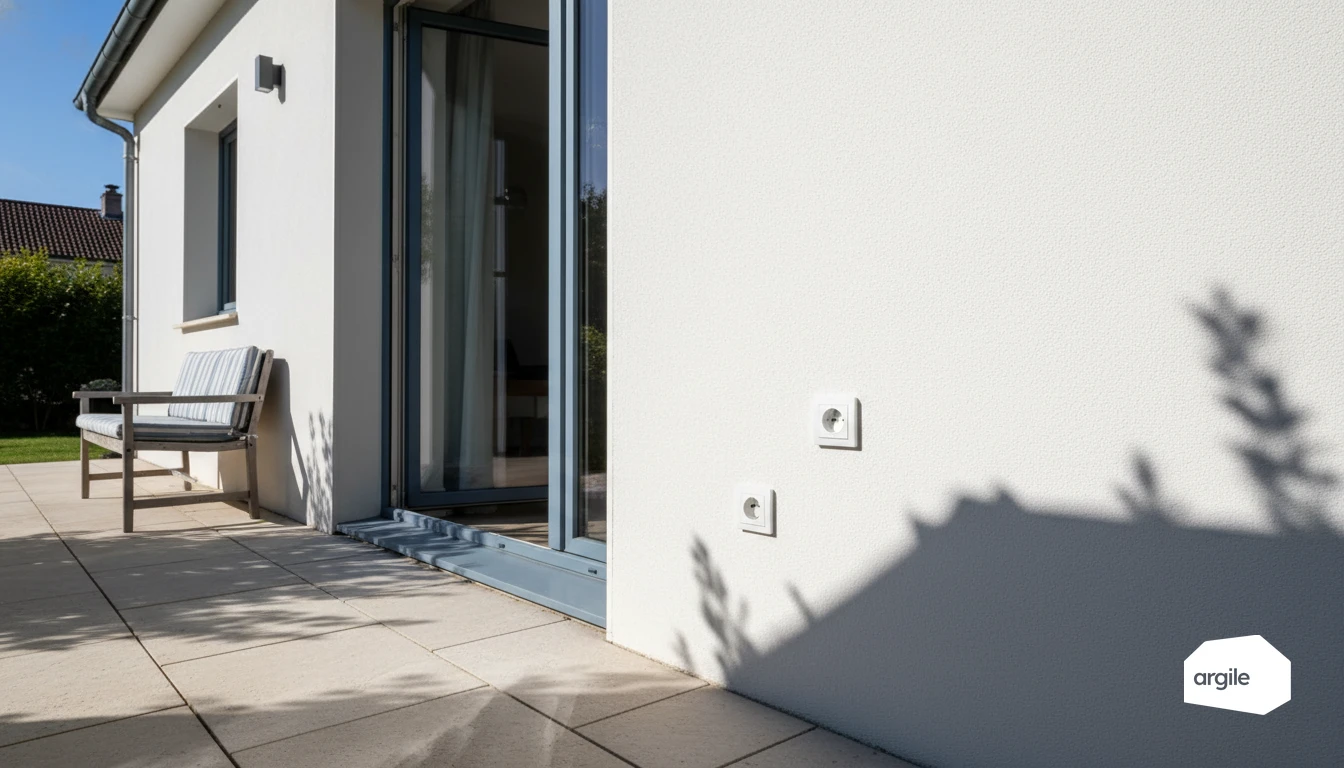
A single socket can undo part of the insulation work if air passes behind the box. By choosing the right back boxes and taking care with installation, you secure the job's result and avoid finish rework that eats up time. The idea is simple: treat one critical point properly, and the comfort is felt right away.
5 min read
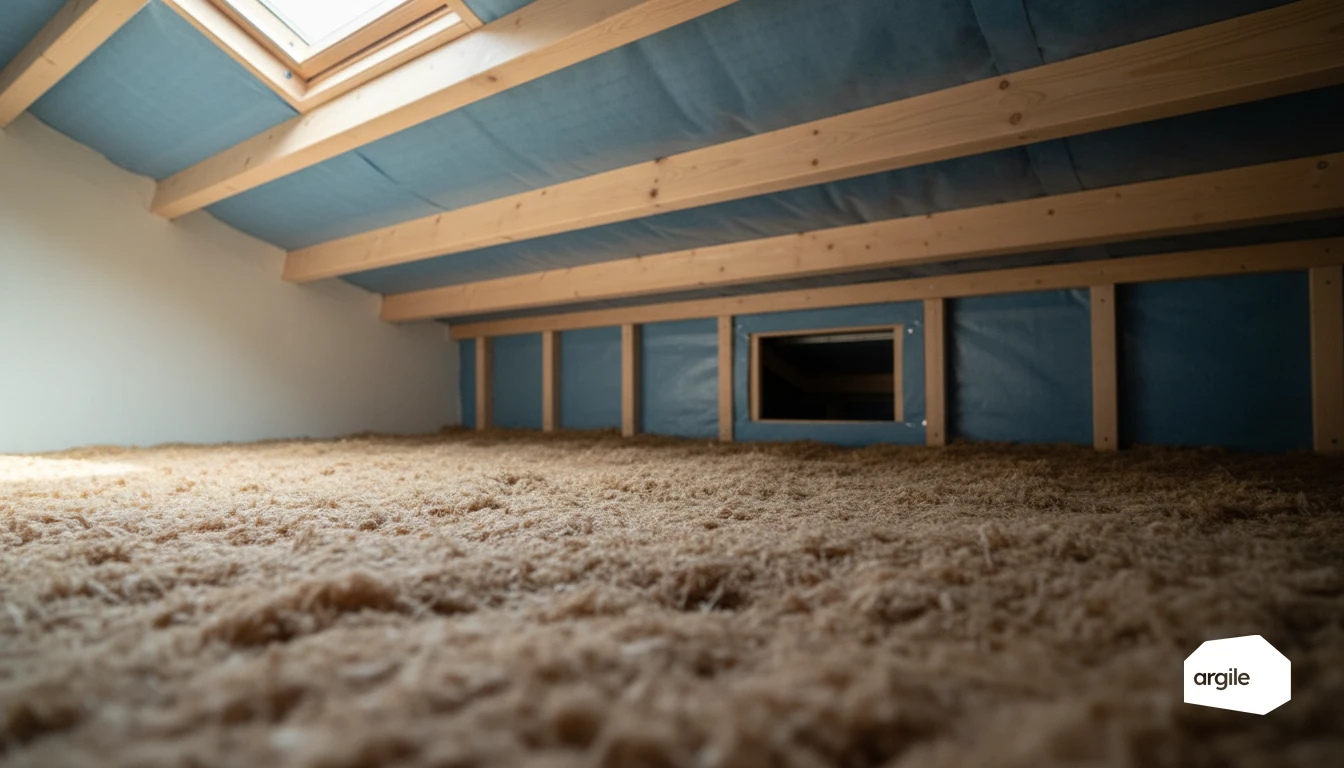
On a job site, unconverted lofts are often the best lever for quick gains in comfort and a lower heating bill, without transforming the whole house. In a few hours, you can treat a zone that leaks a lot of heat and deliver a result the client sees immediately. With the right materials and clean execution, you secure long-term performance and showcase your expertise right from sign-off.
5 min read
Reveal your expertise
One demo, and you see your expertise proven.
Contact us
