News
Articles by Argile
Regulation, field practice and tools: our analysis to help renovation professionals sell and deliver energy retrofits.
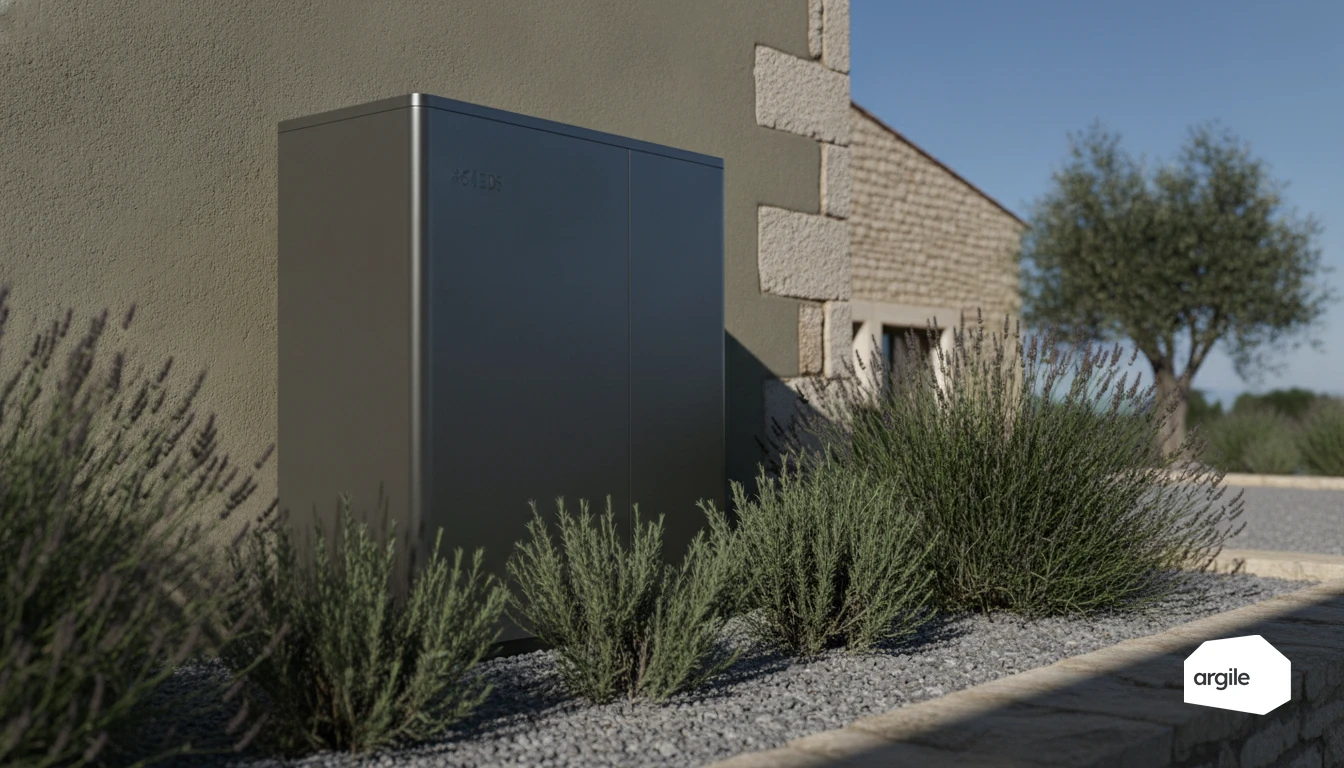
When a workshop, a laundry, or a food-processing plant needs reliable heat, every kWh counts. Today, you can offer a solution that reaches high temperatures while significantly cutting emissions, without overhauling the whole installation. By carefully handling sizing, the heat source and the connections, you secure the process and gain credibility from the quote stage onward.
5 min read
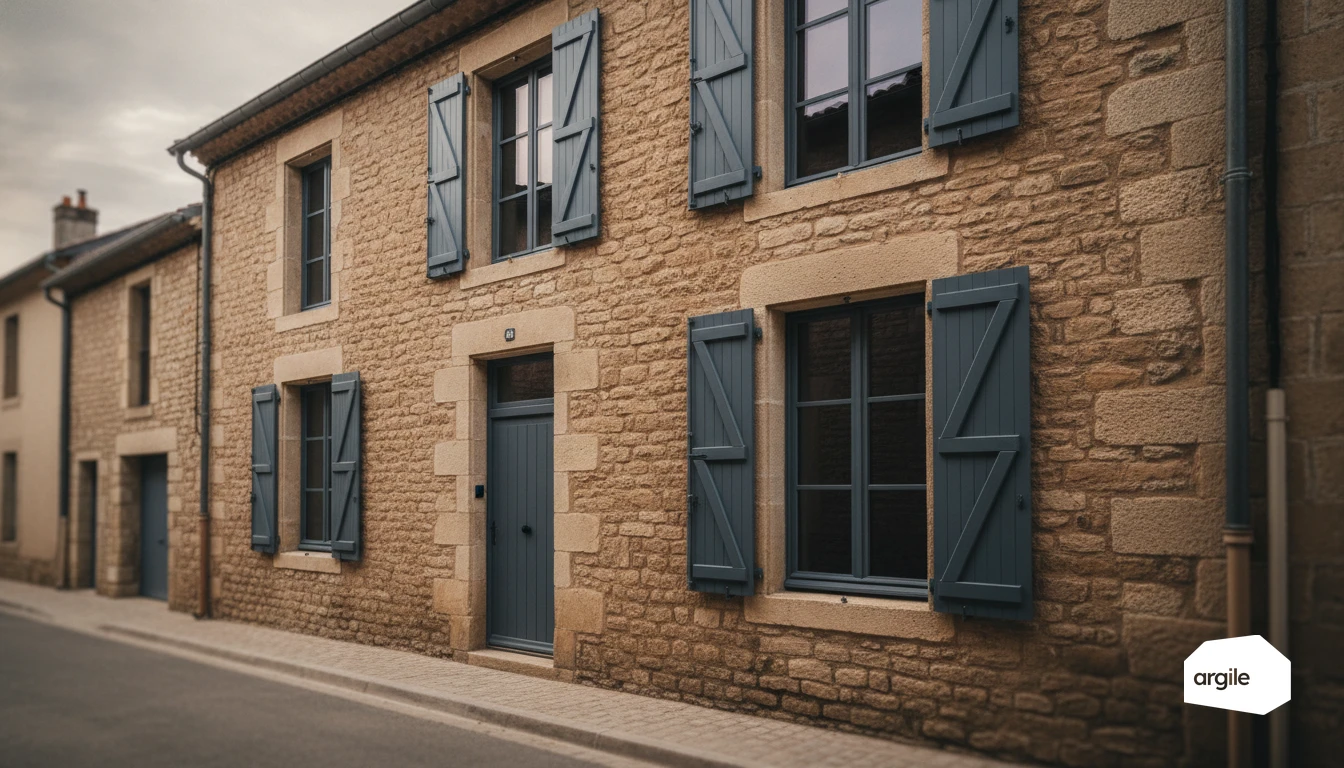
"Anti-burglary" is not a product feature, it is a test class. BS EN 356 defines eight, P1A to P5A by ball drop and P6B to P8B by axe attack, and it is BS EN 1627 that says which one goes with the resistance class specified for the whole unit. On the thermal side, laminated glass is paid for in kilograms, not in watts.
5 min read

Adding up per-person demands does not give a building's demand. The reference method goes through the standard dwelling, a three-room social housing flat occupied by 2.1 people, whose measured average daily demand is 125 ± 50 litres at 40°C. Every flat type is brought back to that standard dwelling through an equivalence coefficient.
5 min read
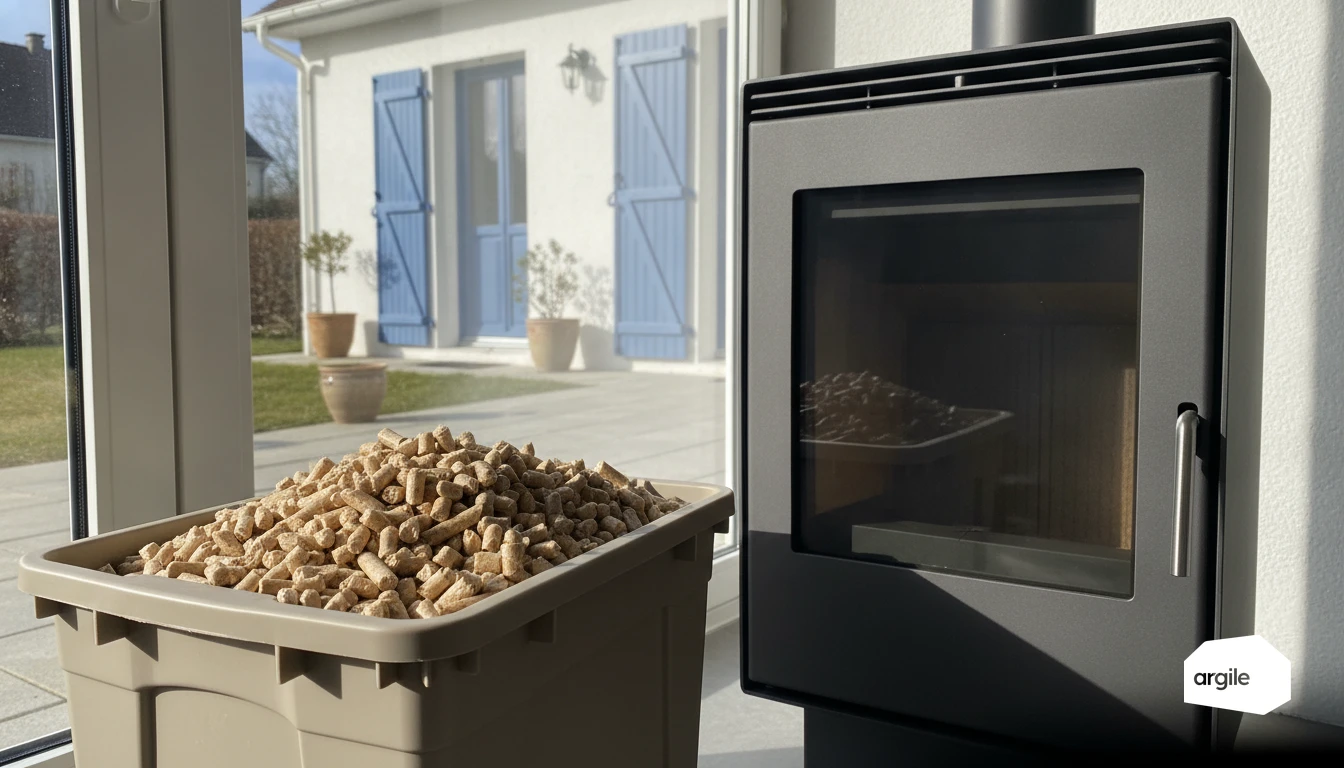
Pellet prices are read by pack format, not by market: €365/t in bulk, €339 bagged at retail and €383 on a pallet at the latest ADEME survey. The gap between the cheapest and dearest delivered price still runs to a factor of two, which moves the margin on a job far faster than the national trend. Here are the series, the spread, and how to hold the fuel line on a quote.
5 min read

When a slab extends outside the heated envelope, heat escapes and your clients feel it immediately. In renovation, your real lever is deciding quickly between correcting it with continuous insulation or a clean structural break, depending on access, structure and finishes. With a clear method, you limit callbacks, secure the job site and gain performance without unnecessary complications.
5 min read

Air leakage through an envelope is diffuse, and no public source says how much each individual weak point contributes. What is measured, on the other hand, are the thresholds to hold, the equivalent leakage area of an ordinary dwelling and the share of heating that escapes through infiltration. Those three figures are what justify the time spent treating weak points.
5 min read
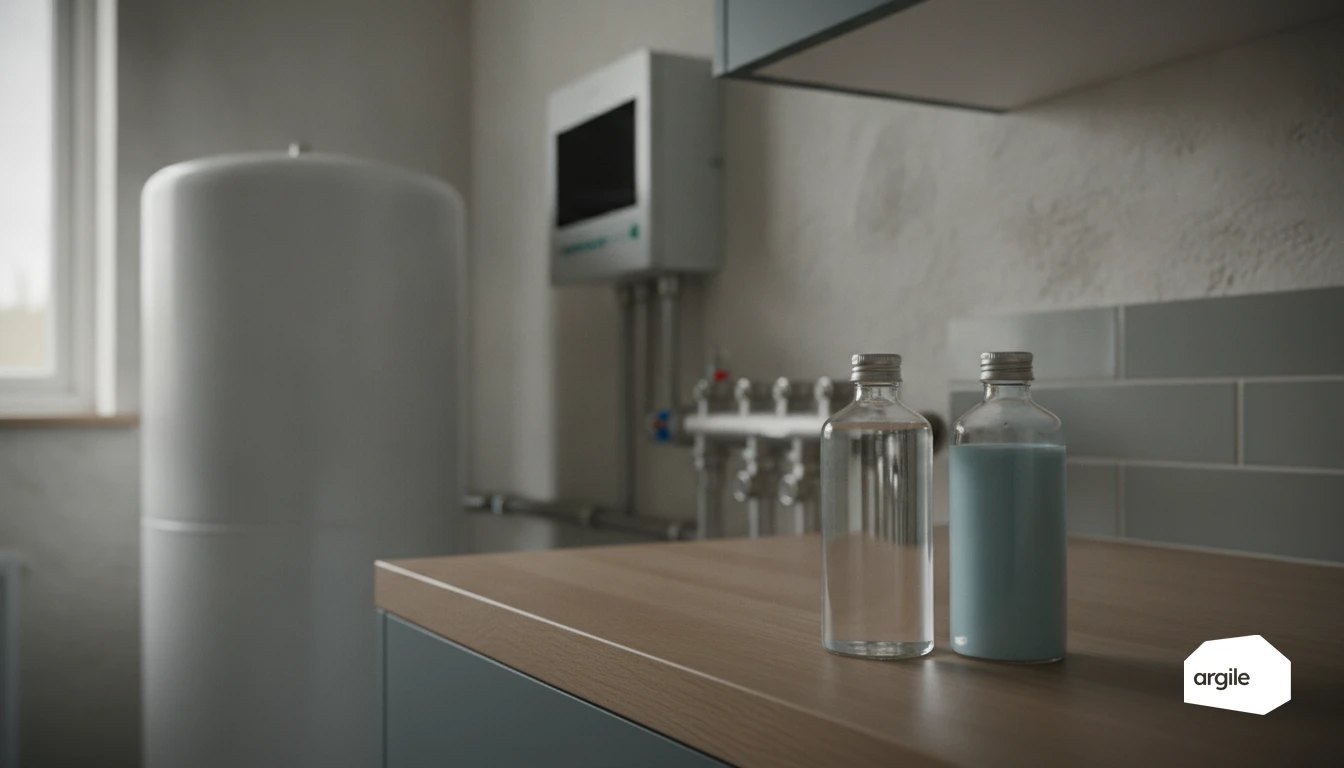
On a job site, the right choice of fluid circulating through the pipes can be the difference between a stable installation and callbacks in the middle of winter. Between freeze risk, maintenance constraints and compatibility with the heat pump or solar collectors, you need a simple, clear decision. Here's the rundown, no jargon, to keep your installs and settings safe.
5 min read

When a client tells you that traffic noise "comes right into" the living room, they expect a simple, clear answer. Between acoustic bridges, worn-out windows, and forgotten joints, leaks often come down to details you can fix quickly, without an endless job. Starting from a good diagnosis and clean execution, you turn a noisy home into a pleasant room, and you secure your result.
5 min read

With hot water production, a breakdown never happens at a good time. With a simple inspection routine, you secure performance, avoid overheating, and extend the life of the tank, circulators, and collectors. As a tradesperson, a few checks well spaced out over the year often make the difference between a reliable system and repeat warranty callbacks.
5 min read

On site, damaged insulation quickly turns into an unhappy client and costly rework. By identifying entry points from the initial visit and choosing the right materials and protections, you secure performance over time, without loading up the quote. The result is a cleaner renovation, and insulation that actually holds up.
5 min read
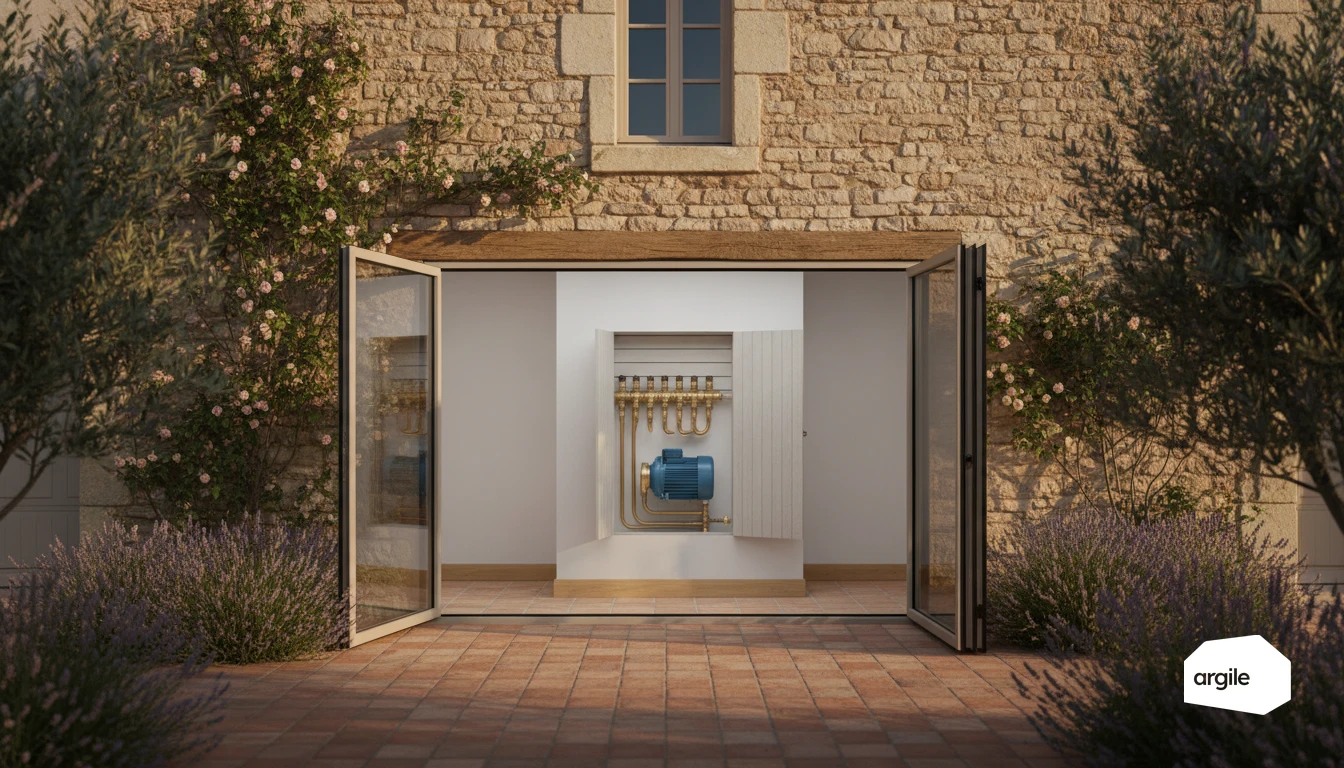
When a client complains about rising bills, the cause is sometimes hiding in a detail that runs continuously. As a tradesperson, you can quickly gain in comfort, quietness and consumption by finely adjusting water circulation to match actual needs. It's a simple intervention to explain and easy to sell on a quote.
5 min read
The plus or minus 10% tolerance everyone quotes when balancing does not exist in NF DTU 68.3. What the texts do put figures on are pressure deviations, a measurement uncertainty and a noise level. Knowing which one applies changes what you measure, what you record and what you can defend if it is ever disputed.
5 min read
Reveal your expertise
One demo, and you see your expertise proven.
Contact us
