News
Articles by Argile
Regulation, field practice and tools: our analysis to help renovation professionals sell and deliver energy retrofits.
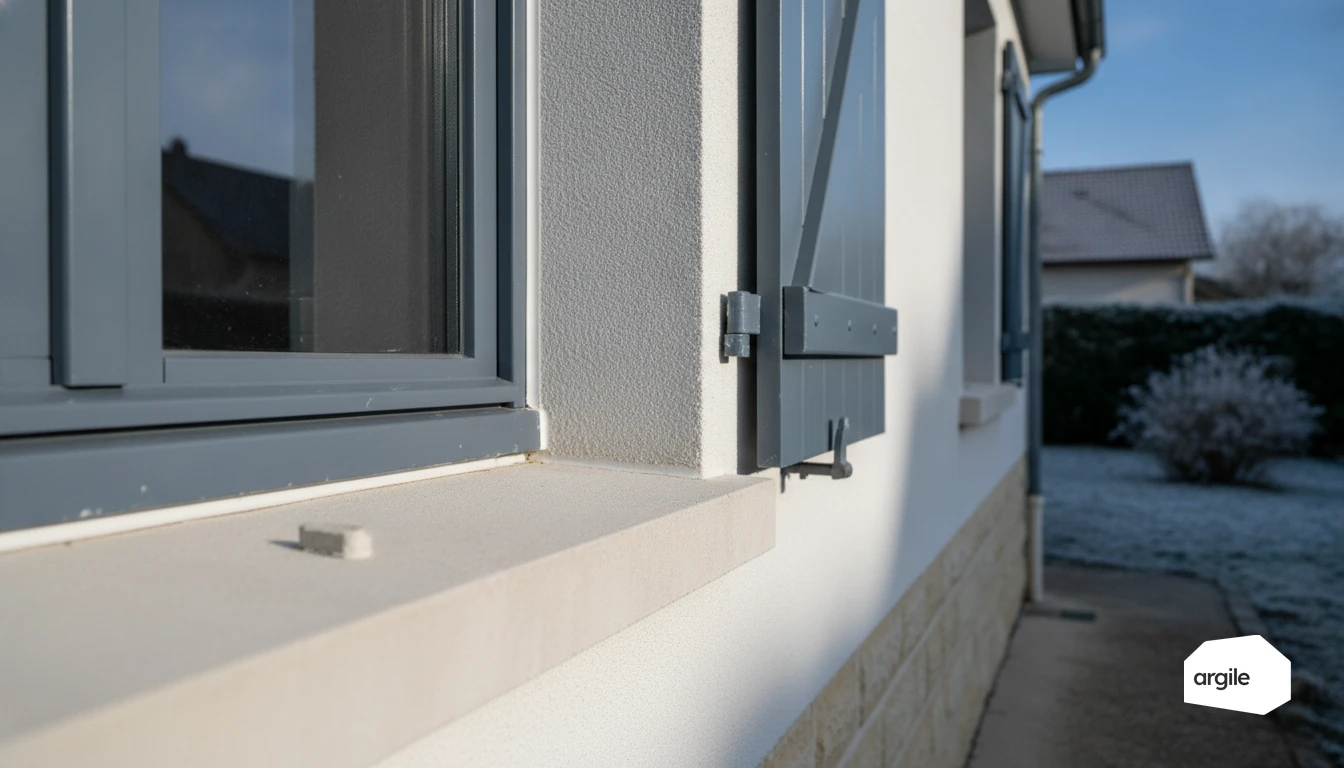
A poorly treated window reveal is often exactly where cold air sneaks in, even after a well-executed job. By carefully handling this sensitive point, you secure the continuity of the insulation, cut down on callbacks, and improve the comfort your client actually feels. Here's a rundown of the right habits, without unnecessary added thickness or complicated finishes.
5 min read
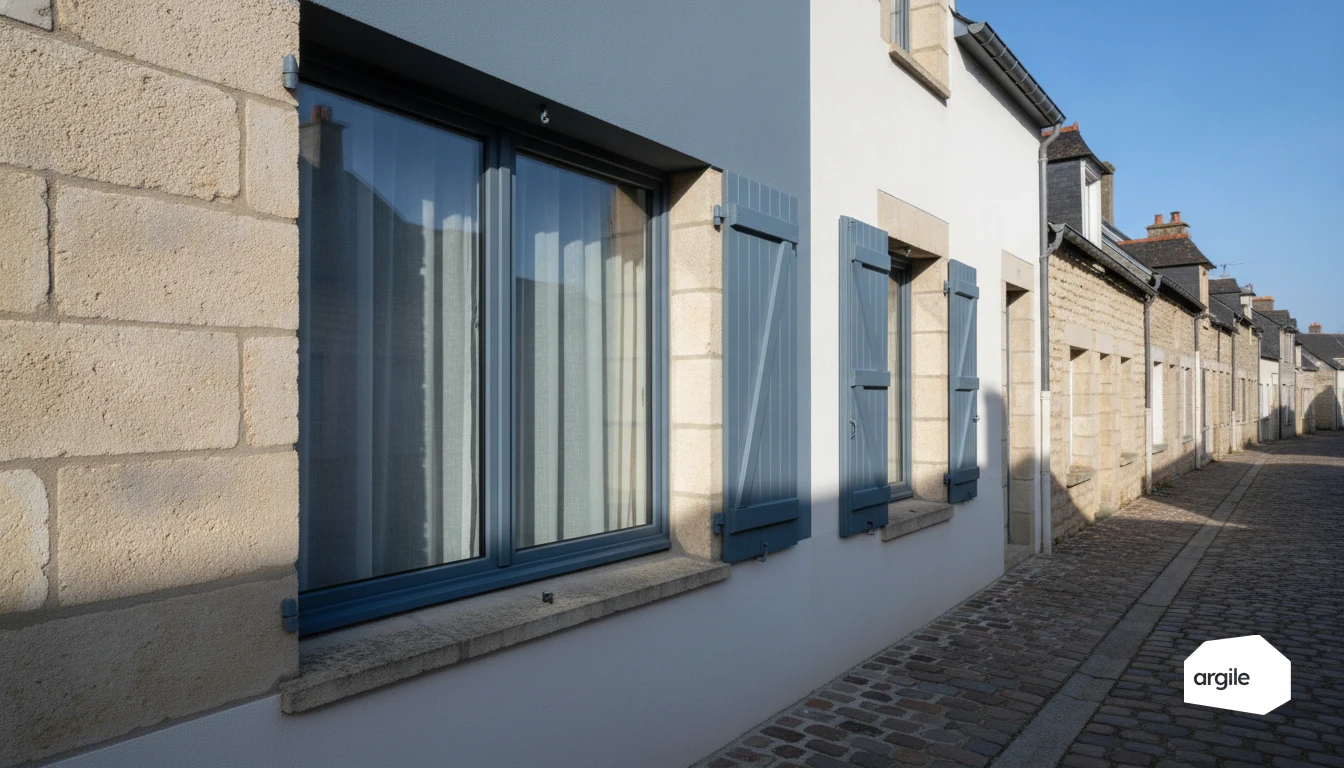
Asymmetry is not a sales line, it is a way of pulling two critical frequencies apart. A 4 mm pane dips around 3,000 Hz, a 10 mm pane around 1,200: a 4/16/4 unit stacks both dips at the same point in the spectrum, a 10/16/4 separates them by more than an octave. What remains is reading the right index for the noise source, and not giving back on the install what the glazing gained.
5 min read

Producing heat and electricity at the customer's home, continuously, without complicating your life, that's a promise worth examining closely. On site, this type of system changes the game on sizing, connections and plant-room space, with some very concrete points to watch. If you're aiming for a coherent, RGE-compliant renovation, you save time by clarifying usage, available fuel and maintenance level from the outset.
5 min read
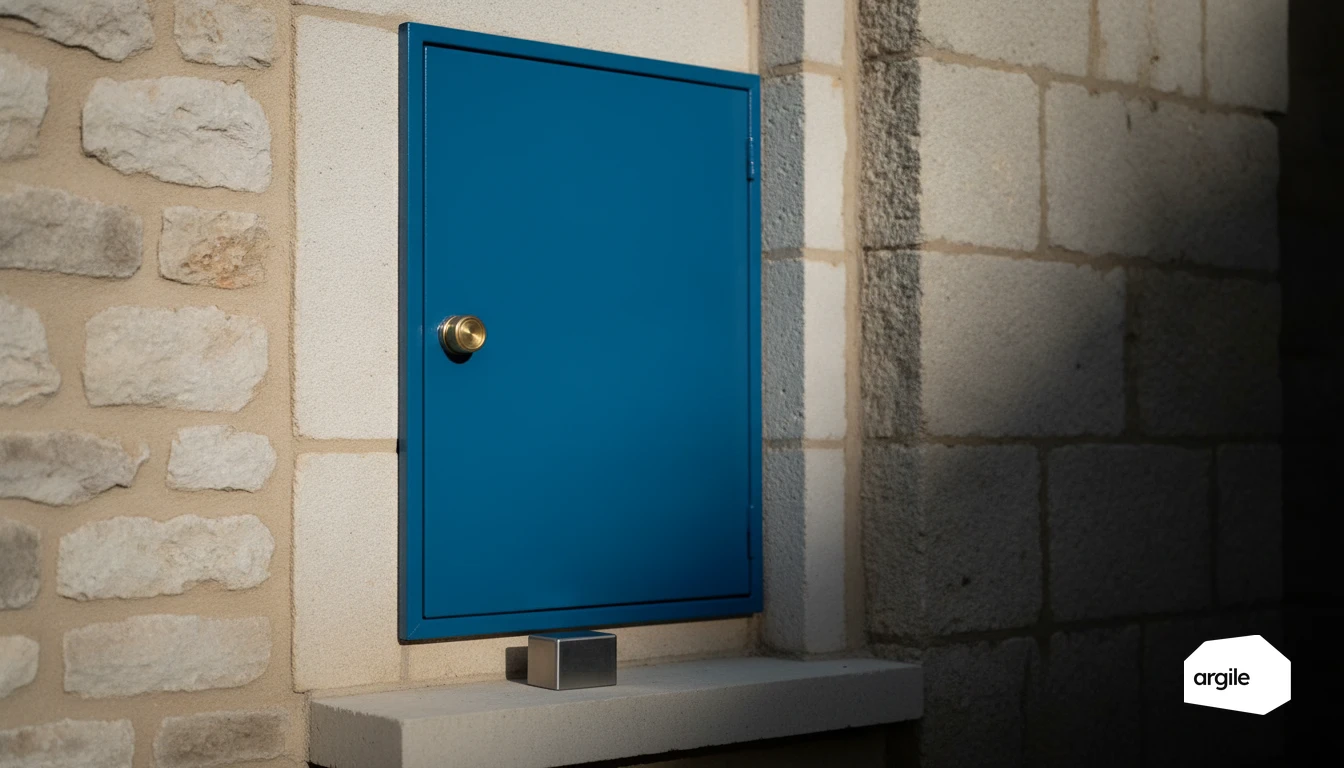
On a heat-pump installation, vacuum evacuation isn't a luxury. It's what drives out air and moisture before charging, to avoid faults that always strike at the worst moment, and to protect the compressor, expansion valve and oil. By mastering this step, you save time on callbacks, stabilise performance, and deliver a clean commissioning with no bad surprises.
5 min read
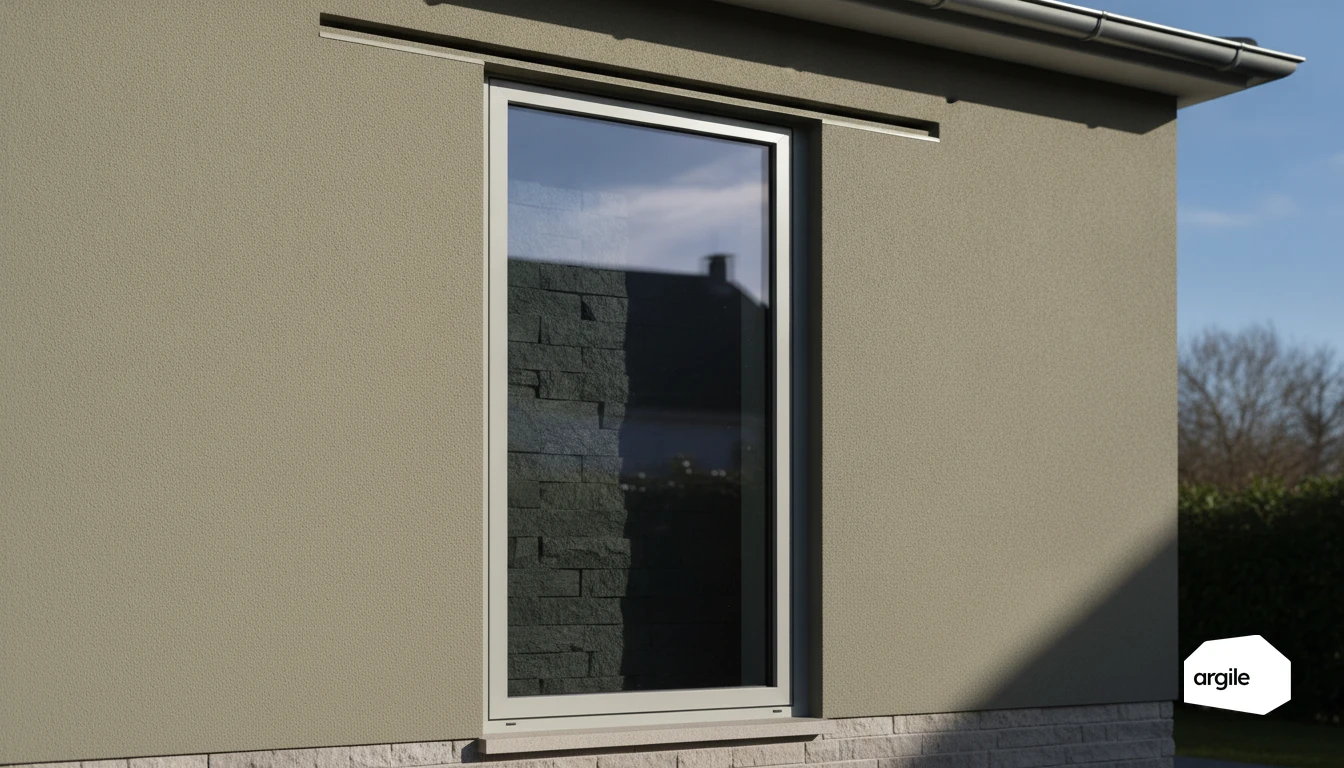
When your clients want to cut their bill without adding a complicated system, capturing the sun with a well-designed wall can make the difference. This simple principle turns an exposed wall into a heat reservoir that slowly releases warmth into the home, especially in mid-season. With the right design and installation habits, you gain a concrete, low-tech, durable selling point on your jobs.
5 min read
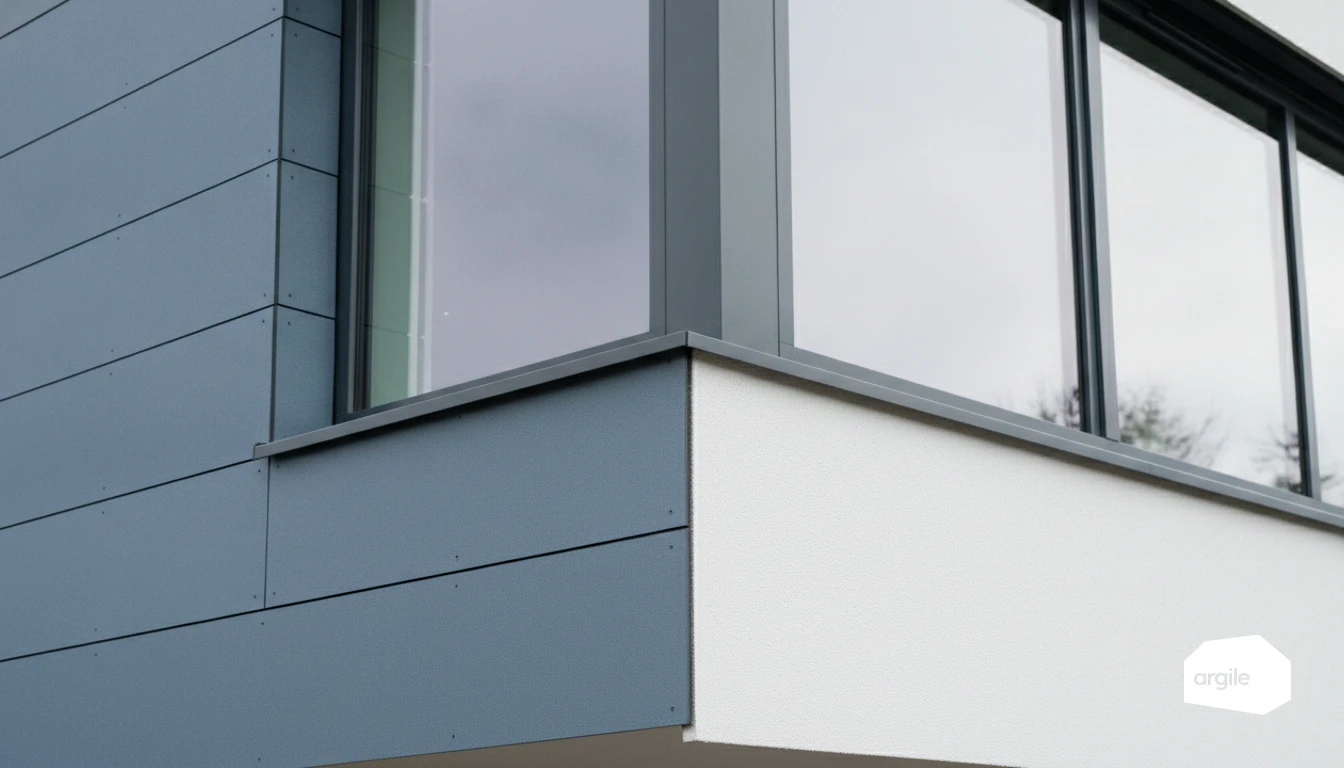
When a client is still hesitant about renovating, keep it simple. A better-insulated, better-heated home means lower bills and a property that sells faster, often at a better price. For you, the tradesperson, that's a clear argument to put in the quote. You're not just selling works. You're securing the property's value, from the first viewing right through to resale.
5 min read

Three things are settled on a refrigerant line before the torch is lit: the filler metal, which follows the parent metals and not habit; the nitrogen purge, which decides whether oxides end up in the expansion valve; and the regulatory status of the circuit, since an assembly brazed on site is not hermetically sealed equipment. That last line moves the leak check threshold from ten tonnes of CO₂ equivalent down to five.
5 min read

In a renovated home, what people actually feel doesn't come only from the number on the thermostat. It's the balance between heat and humidity that makes the difference, especially once insulation and airtightness step up a level. As a tradesperson, you can help clients avoid rooms that "heat up but still feel cold," windows that bead with condensation, and air that leaves people tired. With a few good settings and the right material choices, you make the result visible, and above all, pleasant to live with every day.
5 min read

A tightness test on pipework is not a matter of judgement, it is a numbered procedure. BS EN 806-4 sets the test pressure at 1.1 times the maximum design pressure and defines the pressure drops allowed between each reading. The report that comes out of it is what you will produce at handover.
5 min read
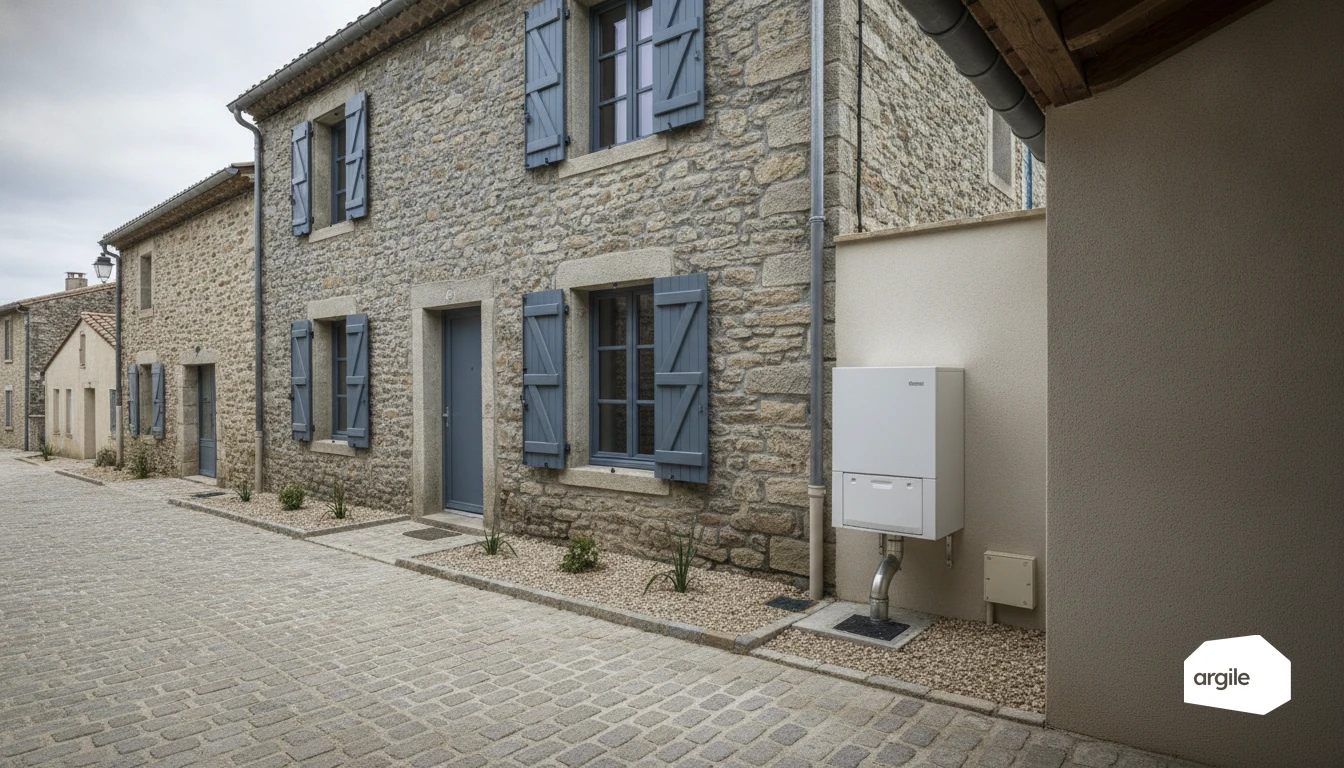
A domestic condensing boiler produces in the order of 4,000 litres of condensate a year, at a pH of 4 to 5. No national rule requires that condensate to be neutralised before it reaches the wastewater network, but the pipe material, the fall and the local drainage rules do decide whether the installation survives.
6 min read

Mould does not appear because the air is humid, it appears because a surface has dropped below the dew point. At 19 °C and 60 % relative humidity that point is 11.1 °C: anything colder condenses. It is the only calculation that ties heating to damp, and it decides whether you treat the ventilation, the fabric or the heat source.
7 min read
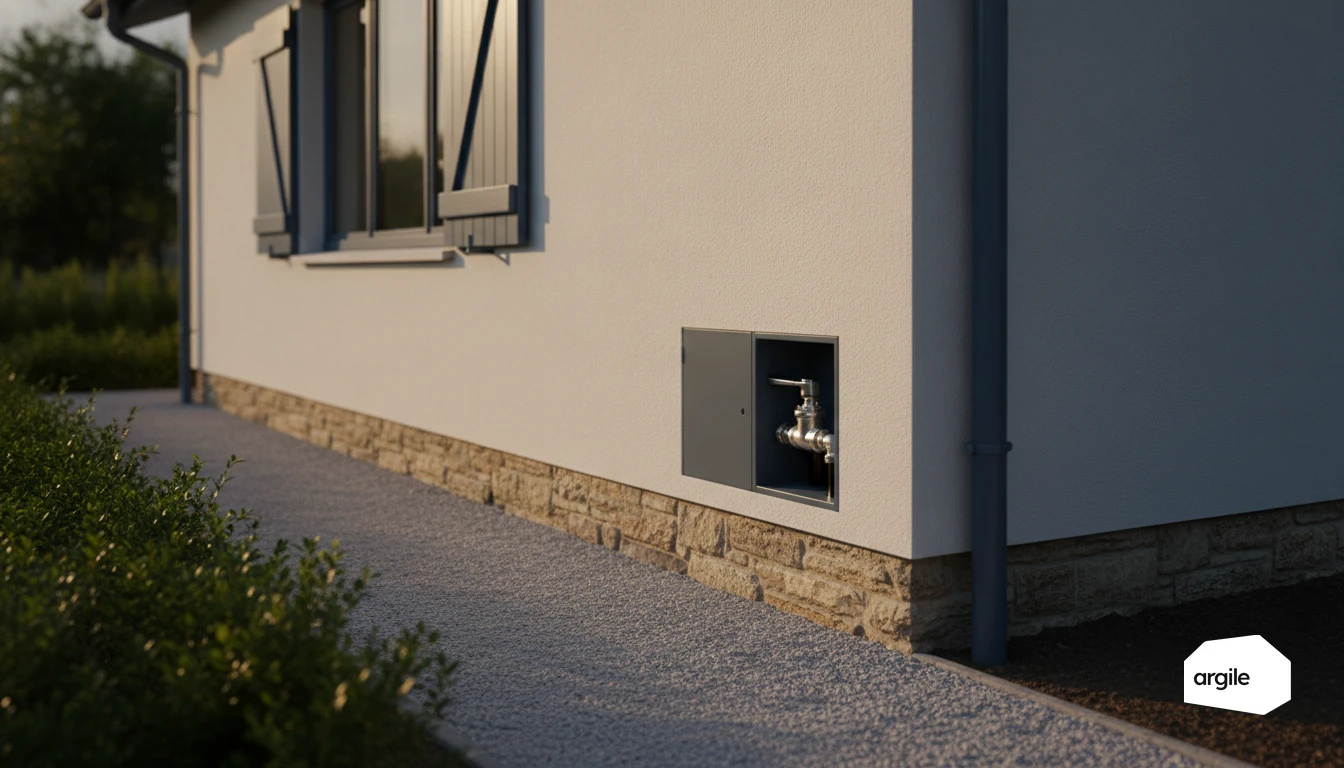
When a system needs to be shut down for water, everything comes down to one simple point: being able to cut off and drain quickly, without flooding the site. As a tradesperson, you save time with a few regular checks, a firm shut-off, a leak check, and a quick clean of the mechanism. The result: fewer callbacks, and cleaner repairs, even in an emergency.
5 min read
Reveal your expertise
One demo, and you see your expertise proven.
Contact us
