Understanding green value and its impact on a property's price
Green value: simple definition and criteria that really make a difference
Green value is the price gap between two similar properties, linked to their energy performance. It mainly depends on insulation (walls, loft, windows), the heating and hot water system, ventilation, and the level of airtightness. The more the works reduce consumption, the more attractive the property becomes.
DPE, energy label and buyer perception: what weighs on the premium
The DPE acts as a shortcut for buyers. A good energy label reassures on bills and comfort. Conversely, an F or G rating often triggers negotiation, because the buyer anticipates a works budget, or even constraints on renting it out. The GHG label matters too, especially in a co-owned building.
The property market in 2026: why energy performance is becoming a decisive argument
In 2026, energy performance carries more weight because energy is expensive and rules on energy-hungry housing are tightening. An already-renovated property often sells faster. For you, tradespeople, this is an opportunity to price up simple scenarios and highlight measurable gains, with a post-renovation projection of the label and the property's value.
Identifying the works that create the most green value (and avoiding low-return spending)
Insulation: loft, walls, floors, the most visible gains on the DPE
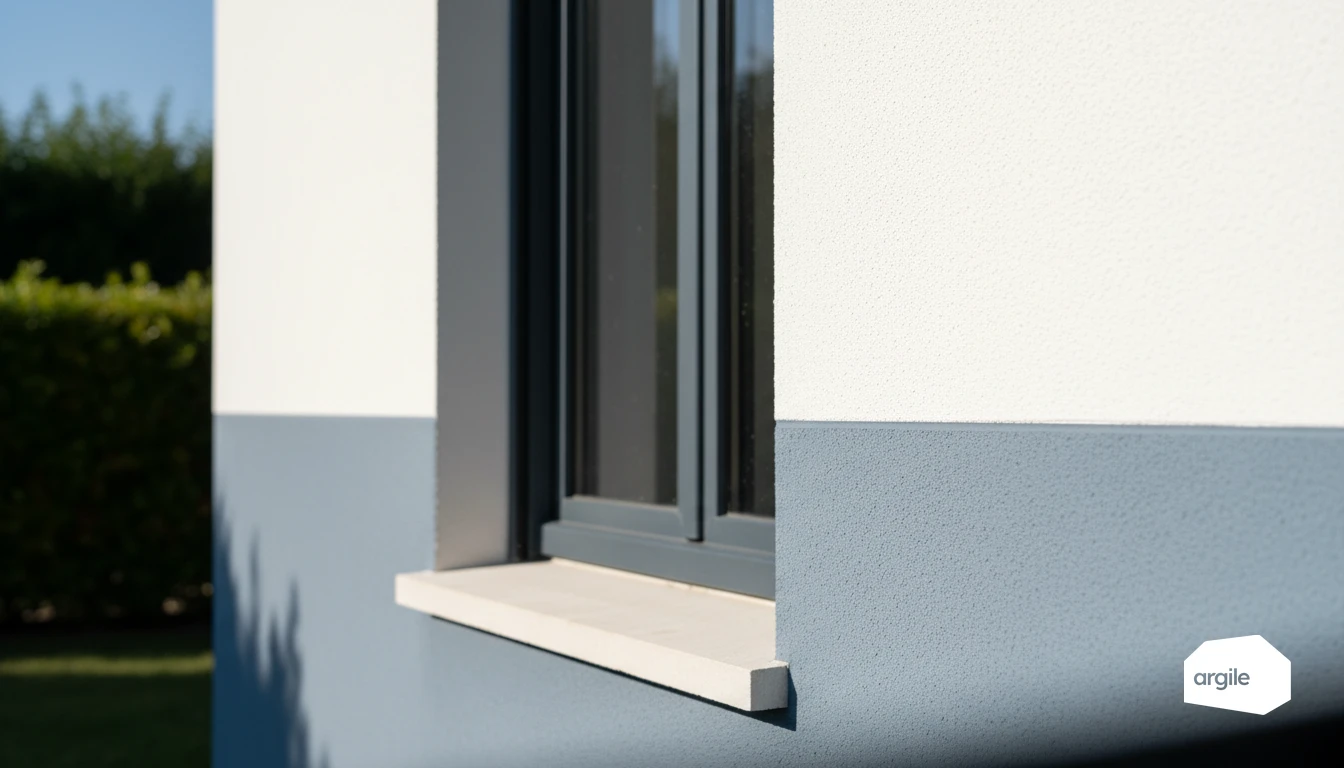
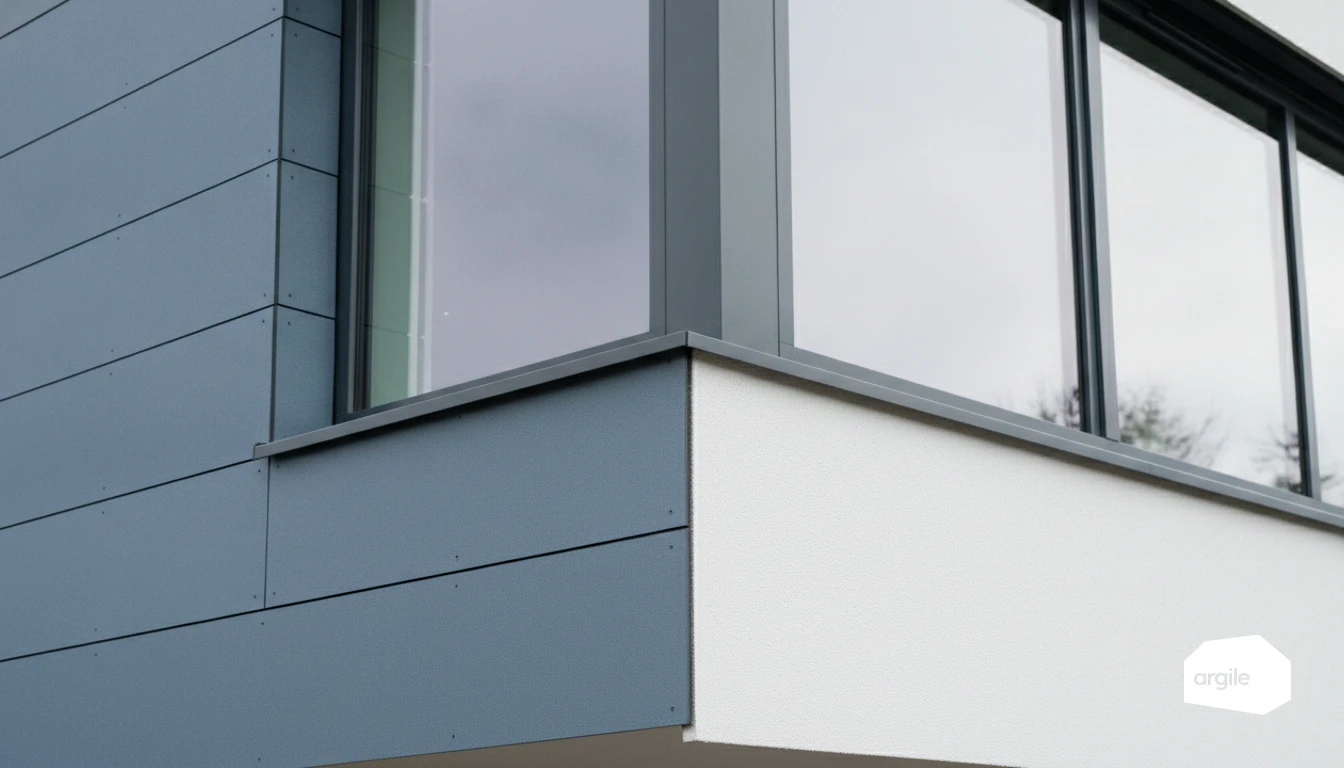
To create green value without over-investing, start with the building envelope. Insulating unconverted lofts, walls and ground floors often quickly reduces heat loss. The result: better comfort in both winter and summer, and a DPE rating that climbs more easily. Aim for continuous installation, treat thermal bridges, and secure airtightness.
Heating and hot water: heat pump, controls, ventilation, the items that reassure
Next, modernise the systems. A properly sized heat pump, room-by-room controls, and suitable ventilation (mechanical ventilation serviced or replaced if needed) reassure at the point of sale. This is also where mistakes get costly: guesswork sizing, incompatible emitters, noise. Rely on an audit and an RGE-certified company.
Premium differences by energy class: aiming for a realistic, sellable improvement
The premium isn't linear. Jumps from F or G to D or C are often the clearest to the market. Conversely, moving from C to A requires major works for a sellable gain that's sometimes smaller. Set a simple goal, document each trade (invoices, product data sheets, commissioning reports), and avoid isolated "small measures" that don't change the class. To make this goal concrete, you can rely on a projected DPE to simulate the class after works.
Pricing the premium: a field method for estimating the property gain before signing
Comparing "before/after": DPE, consumption, comfort and nuisances (cold, damp)
Start from the DPE and the bills. Rating, kWh/m²/year, and actual spending. Then project the after-state with simple items: insulation, heating, ventilation. On the ground, comfort matters as much as consumption: cold walls, condensation, damp smells, noise. All of this weighs on green value at resale.
Calculating a consistent budget: quotes, contingencies, phasing and expected return at resale
Base your figures on 2 to 3 detailed quotes, then add a contingency margin of 10 to 15%. Think about phasing: what needs to be done before the finishing work. Airtightness, mechanical ventilation, insulation. Compare the net cost after aid with the potential gain based on the expected DPE label jump.
Building the case: invoices, technical data sheets, site photos and certificates
At the point of sale, evidence makes the difference. Keep invoices, product references, technical data sheets (e.g. ACERMI, Eurovent), dated photos, and RGE certificates. Add the CEE certificate, the MaPrimeRénov' decision and a post-works DPE. You turn "we renovated" into a solid selling file.
Highlighting green value when selling or renting: arguments and documents to prepare
Seller's file: energy audit, DPE, instructions and warranties to make the premium credible
To make the case for green value, prepare a clear file. Add an up-to-date DPE, and the energy audit where required. Attach invoices, RGE certificates, product data sheets (insulation, joinery, heat pump), maintenance instructions, commissioning reports, and warranties (ten-year liability, manufacturer). The more traceable it is, the more obvious the premium appears.
Property listings: words and data to display to justify green value
In the listing, display the energy and GHG labels, consumption in kWh/m²/year, and the estimated annual costs. Mention the dated works, insulation resistance values, the type of ventilation, and controllable equipment. A works history reassures as much as a nice photo.
Common mistakes: overpromising gains, forgetting ventilation, neglecting finishing details
Avoid unproven quantified promises. Think about ventilation (mechanical ventilation, air inlets) to avoid damp and odours. Take care with settings, airtightness, finishes and labelling. A consistent renovation shows, and adds value.
2026 aid and requirements: securing the job to maximise green value
MaPrimeRénov' and CEE: how aid reduces the remaining cost without weakening the file
In 2026, the challenge is simple: combining MaPrimeRénov' and CEE can lower the remaining cost, while reinforcing green value if the file is solid. To avoid rejections, lock down the timeline: diagnosis or audit if required, compliant quote, then works. Keep clear evidence of the insulated areas, product references and stated performance.
RGE and compliance: checkpoints to avoid blockages and disputes
The sensitive point is compliance. Check that the company holds a valid RGE certification for the right trade, on the right date. Make sure the quote, invoice and job match up. Mention the models installed, the quantities, the key settings. And keep photos, technical data sheets and commissioning reports.
Handover: tests, settings and usage advice for lasting results
At handover, don't rush the finish. Airtightness test if planned, balancing, controls configuration, then a simple explanation to the client. A well-tuned home means fewer callbacks, and lasting performance that shows on the bills. To structure this step, rely on the quality checkpoints.