News
Articles by Argile
Regulation, field practice and tools: our analysis to help renovation professionals sell and deliver energy retrofits.

Between the street and the living space, a garage or a conservatory can become a real ally. Well placed, this "in-between" zone cuts the wind, limits temperature swings, and eases the load on the heating system, provided you treat sensitive points like junctions, doors, and ventilation. For you, tradespeople, it's a simple angle to build into the diagnosis and the quote, without adding needless complexity.
5 min read
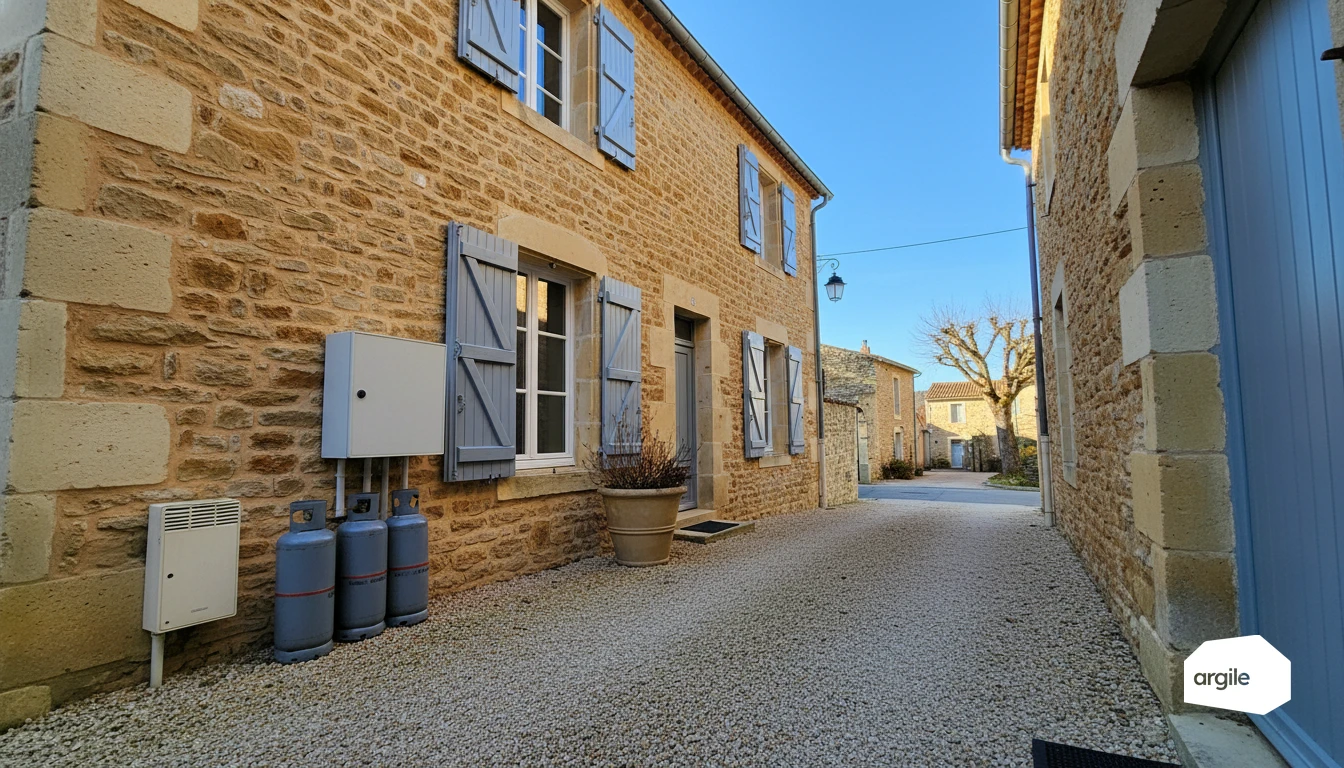
Natural gas, propane and butane are not separated by a vague performance level but by four quantities that drive the hardware: calorific value, density, supply pressure and Wobbe index. Those are what set the injector diameter, the burner pressure and where the storage can go. Here is the reference table and what each gap demands at commissioning.
5 min read

Your clients want more comfort, less noise and lower bills, without windows getting endlessly thicker. Vacuum glazing offers a serious route to better insulation while keeping slimmer profiles, it's up to you to judge where it's worth it on your projects. If you ask the right questions from the measuring stage, you avoid bad surprises during manufacturing and installation.
5 min read
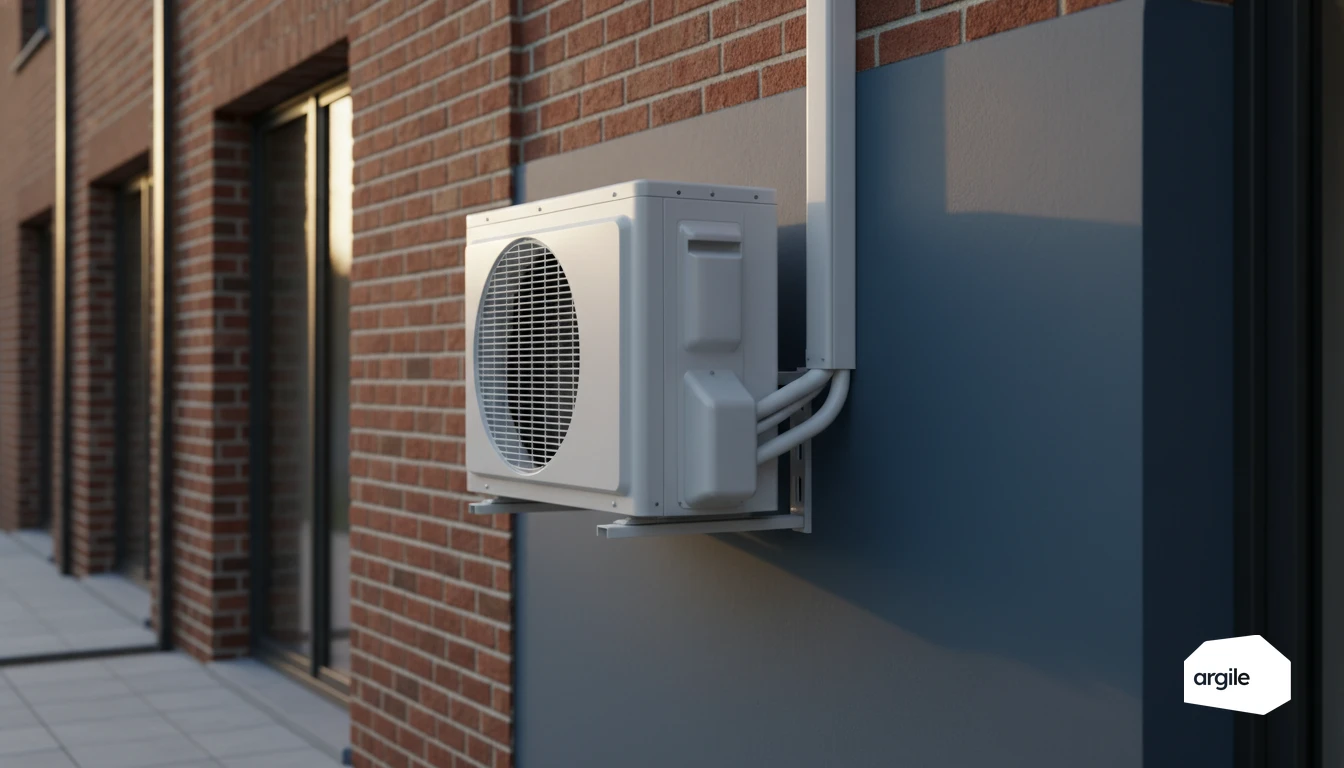
With a multi-split system, the right number of indoor units is the one that matches the living spaces and usage patterns, not a one-size-fits-all rule. As a tradesperson, the challenge is simple: cover the right volumes without oversizing, while keeping the installation tidy, accessible and easy to balance. Starting from the floor plan, the gains and the installation constraints, you produce a clear quote and avoid callbacks.
5 min read

When a fireplace smokes at startup, you see it right away on the job site. By simply changing the order of loading and lighting, you get a steadier flame, less smoke, and glass that stays cleaner. A quick tip to explain to the client, one that adds value to your work and cuts down on "poor draft" callbacks.
5 min read
Between insulating and changing the heating system, your clients often hesitate. It is up to you to set the right project logic, to avoid oversizing a heat pump or letting heat loss run away despite a new appliance. By clarifying the order of the work, you secure performance, budget and satisfaction at the end of the job.
5 min read

When you need to save centimetres without giving up on performance, vacuum insulation panels can truly change the game in renovation. They fit where conventional solutions hit a wall, thin walls, window reveals, floors with limited height, and help you meet your targets without redoing the whole building envelope. Provided you properly anticipate panel protection and singular points, to avoid bad surprises on site.
6 min read

When your clients ask for 'renewables,' the real question is what that actually changes in the numbers that matter, especially for the carbon footprint and grant applications. Between the actual grid mix, guarantees of origin and hour-by-hour variation, the emission factor can quickly become a trap... or a solid argument. Master two or three simple benchmarks and you secure your calculations while saving time on site and at the office.
6 min read

On a renovation job, correct sizing is what separates a smooth-running project from a string of callbacks. When the machine is too powerful or too marginal, you pay for it with short cycling, discomfort and climbing consumption. By mastering 5 common pitfalls, you secure your quotes and save time from the study phase onward.
5 min read

In a loft at 5 °C, a bare ventilation duct condenses all winter: bathroom air at 22 °C and 85 % humidity turns to water from 19.4 °C. Which ducts to insulate in extract-only and MVHR systems, 25 or 50 mm, a duct buried in the loft insulation or laid on top, joints, slope and crushing: the rules that prevent the callback, and the method for insulating an existing run.
8 min read
When a client is torn between a heat pump, a boiler, wood, or a hybrid setup, it's often up to you to turn the building's data into a clear choice, without an endless debate. With a simple grid, you quickly compare constraints, budget, use, and knock-on work, and you can justify your recommendation in black and white. The result: a stronger quote, and a job that starts without any grey areas.
5 min read

R744 is not a fluorinated greenhouse gas. It sits outside EU Regulation 2024/573, and therefore outside the quotas, the Article 5 leak checks and the Annex IV bans. What constrains it lies elsewhere: the high pressure of the transcritical cycle, the hot water temperatures set by the French order of 23 June 1978 as amended, and, since the French order of 21 November 2025, a category B company certificate, carbon dioxide having entered the scope of certification.
5 min read
Reveal your expertise
One demo, and you see your expertise proven.
Contact us
