News
Articles by Argile
Regulation, field practice and tools: our analysis to help renovation professionals sell and deliver energy retrofits.
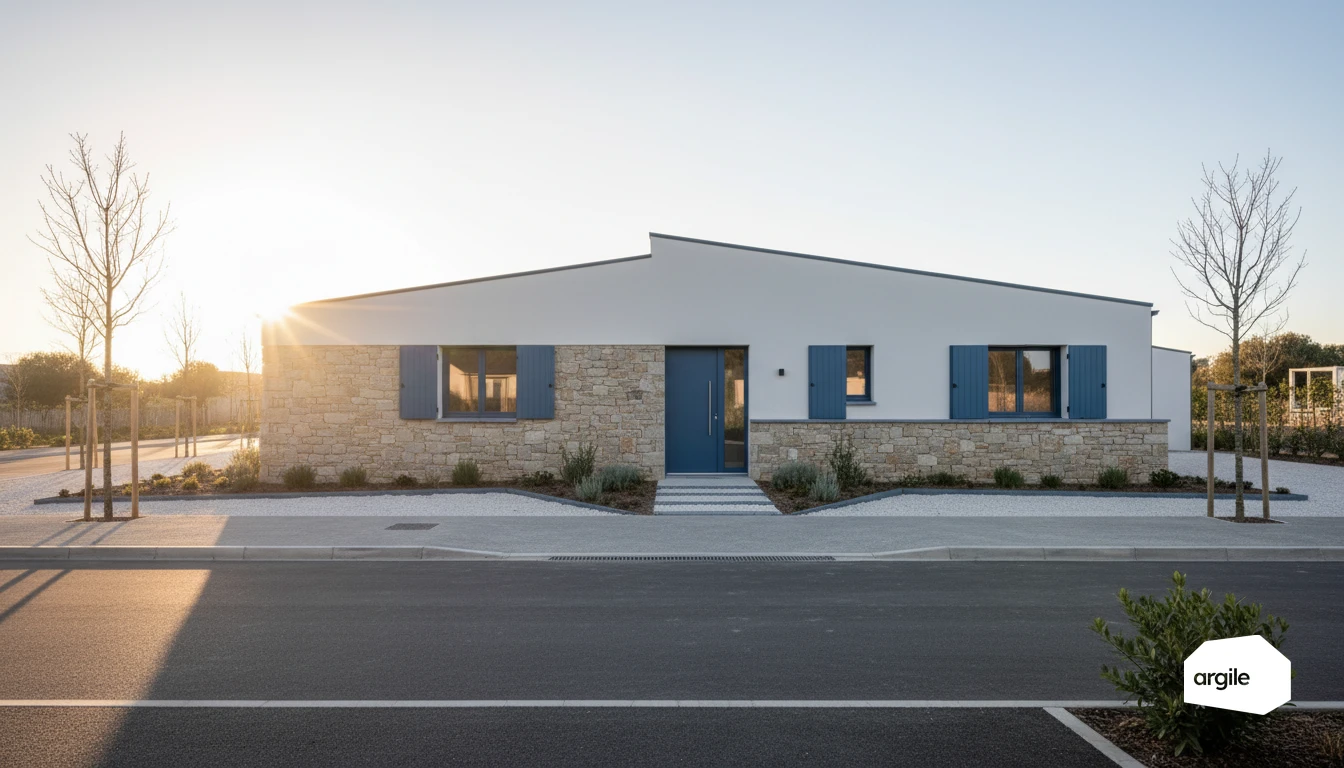
When water builds up at the foot of the walls, it's your foundations that take the hit: cracks, efflorescence, odours, and callbacks down the line. As an installer, you can secure the job from the design stage, with a water-drainage layout planned around the terrain, the slopes and the low points. Properly sized and properly installed, it's a small package of work that prevents big problems, and makes the difference over the long run.
10 min read

When your clients switch to wood heating, they want something concrete from you. With reverse combustion, the gain comes down to two things you control. Wood quality and air adjustment. By setting these parameters right from installation, you secure a high efficiency and cleaner flue gas, without vague promises.
4 min read
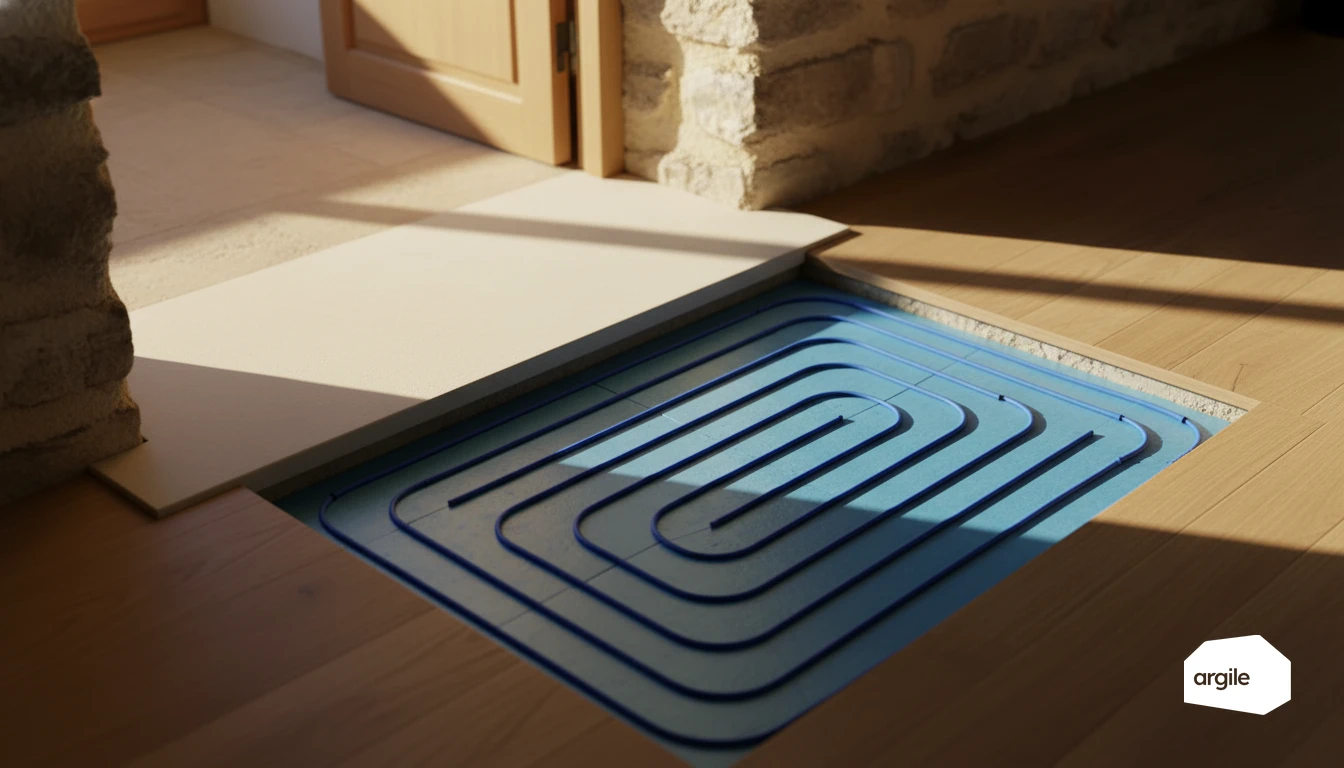
Low-temperature underfloor heating is sized under two ceilings, not one: the surface temperature of the finished floor, and the flow water temperature. Everything else, spacing, active area, water regime, exists to keep the required output under those limits. Here are the referenced figures, the screed cover thicknesses to respect, and what belongs on the quotation before the first pipe goes down.
5 min read
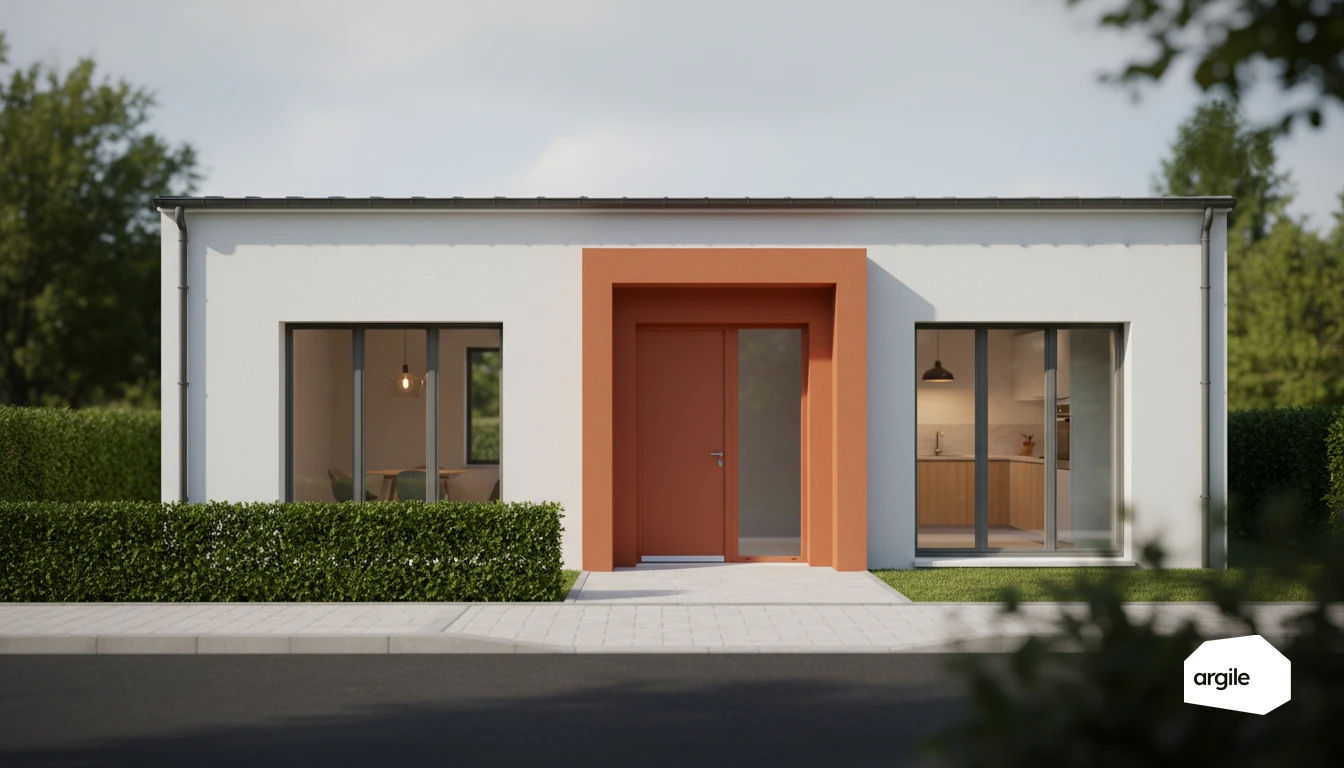
Between the stove, the oven, the fridge, and the lighting, every watt ends up as heat in the home. Managed well, these uses limit summer overheating and reduce winter heating needs, without changing your clients' habits. We sort it out together, room by room, to gain both comfort and consistency on your jobs.
5 min read
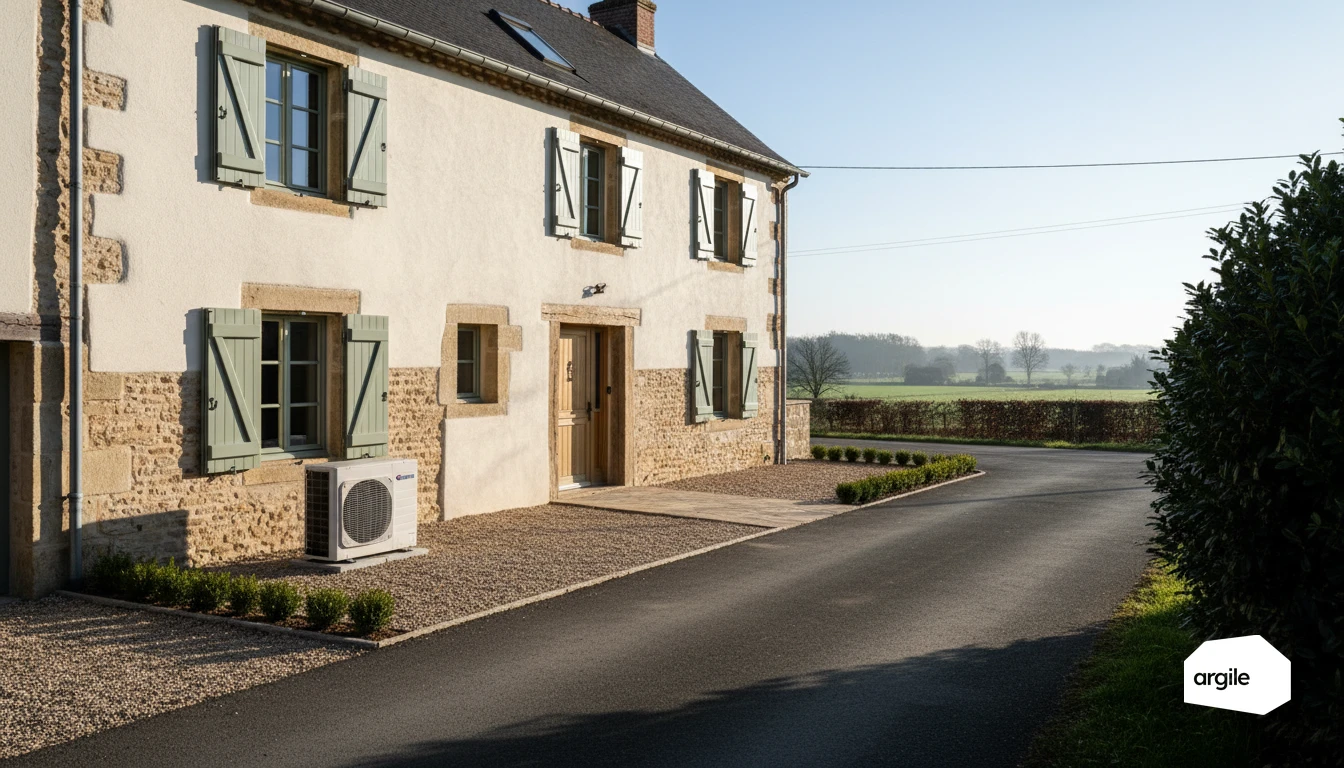
On the job site, every degree counts. A machine that's more stable in cold weather, more efficient and easier to size means fewer callbacks and more margin for you. Ejector-equipped models open up an interesting path when you're aiming for good winter performance without moving to overly complex solutions. If you equip homes exposed to frost or demanding renovations, this is a technology worth keeping on your radar.
5 min read
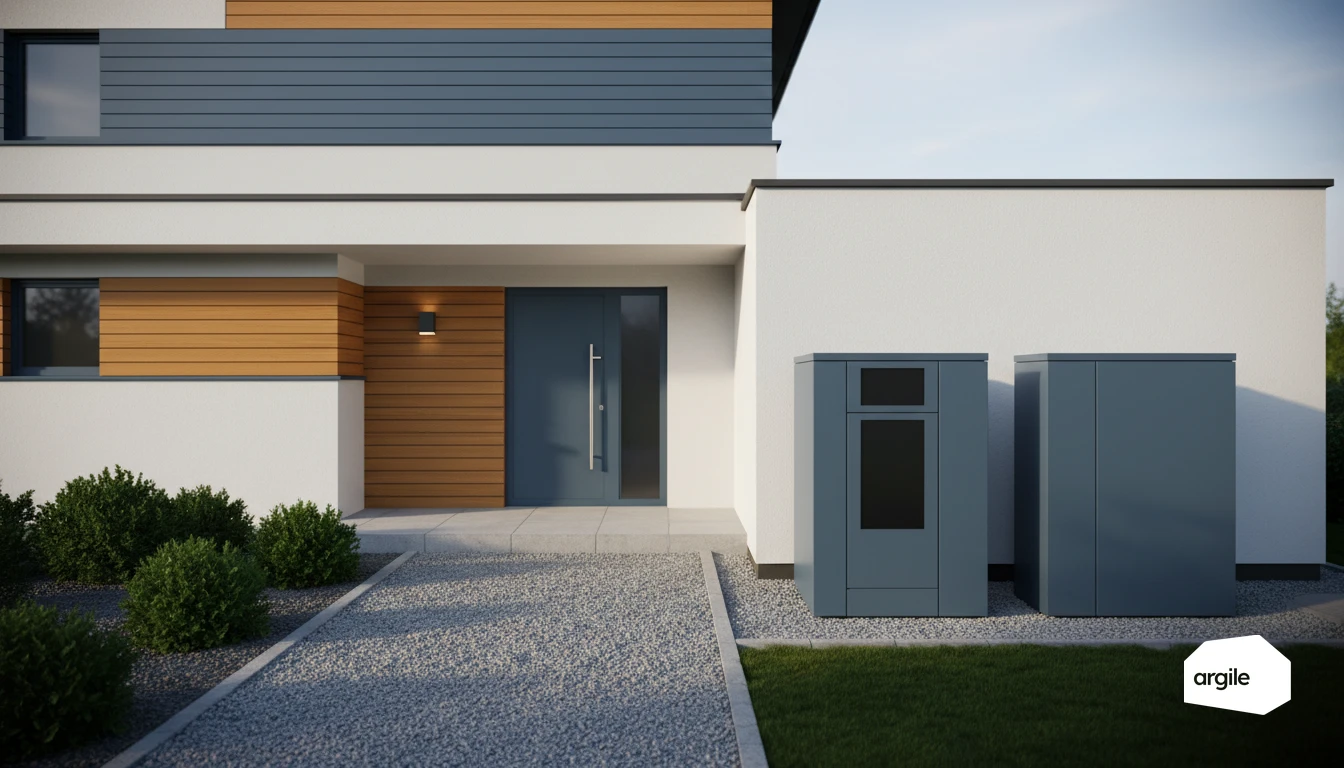
Your clients want steady heat, and you want a clean installation that doesn't call you back for a service visit every winter. With a properly sized pellet unit and a suitable hopper, you tick the boxes for comfort, autonomy and a low-carbon image, without complicating the job. Here's a rundown of the choices that really matter on site, from the plant room to the controls.
5 min read
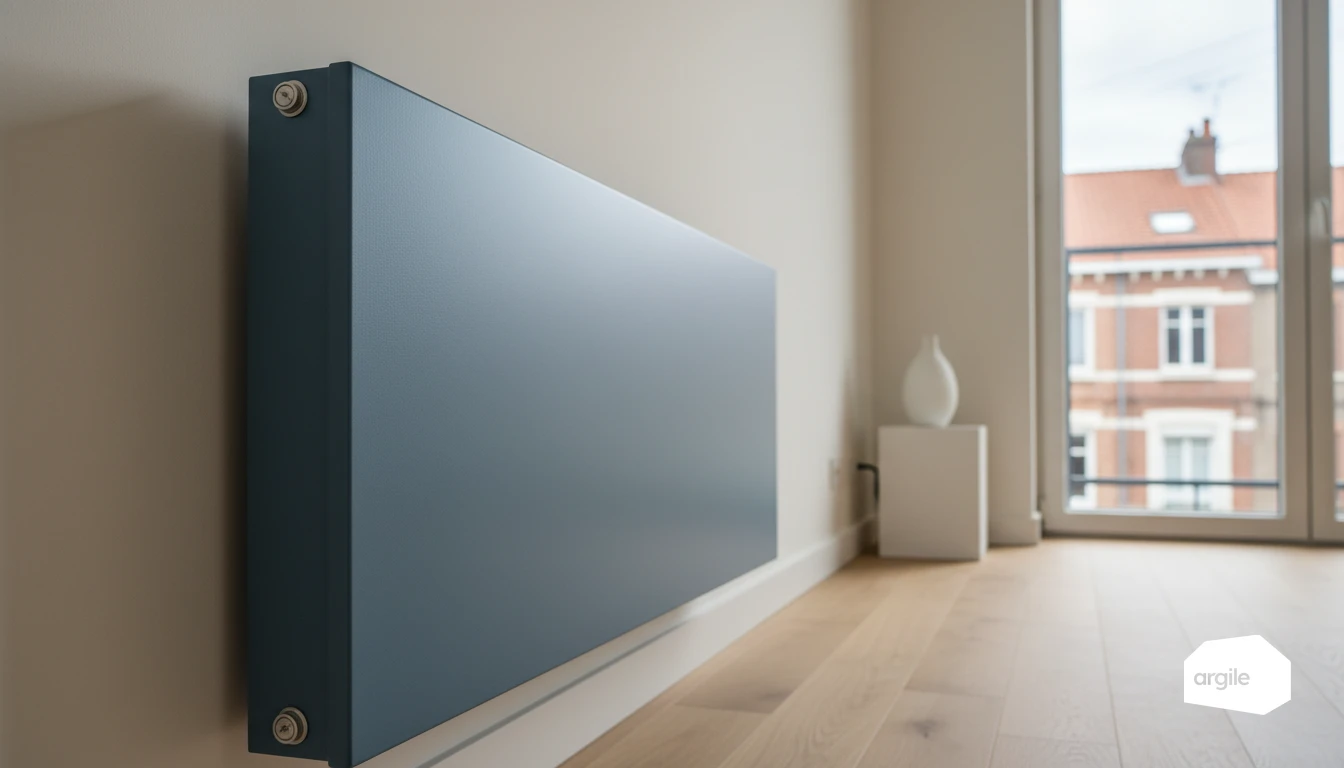
On declared efficiency, nothing separates a convector from a radiant panel: Regulation 2015/1188 puts them in the same class, with the same 38% seasonal efficiency floor since 1 January 2018. All of the declared performance comes from the controls, not from the way heat is emitted. What separates them sits elsewhere, in surface temperature, thermal mass and fixing.
5 min read
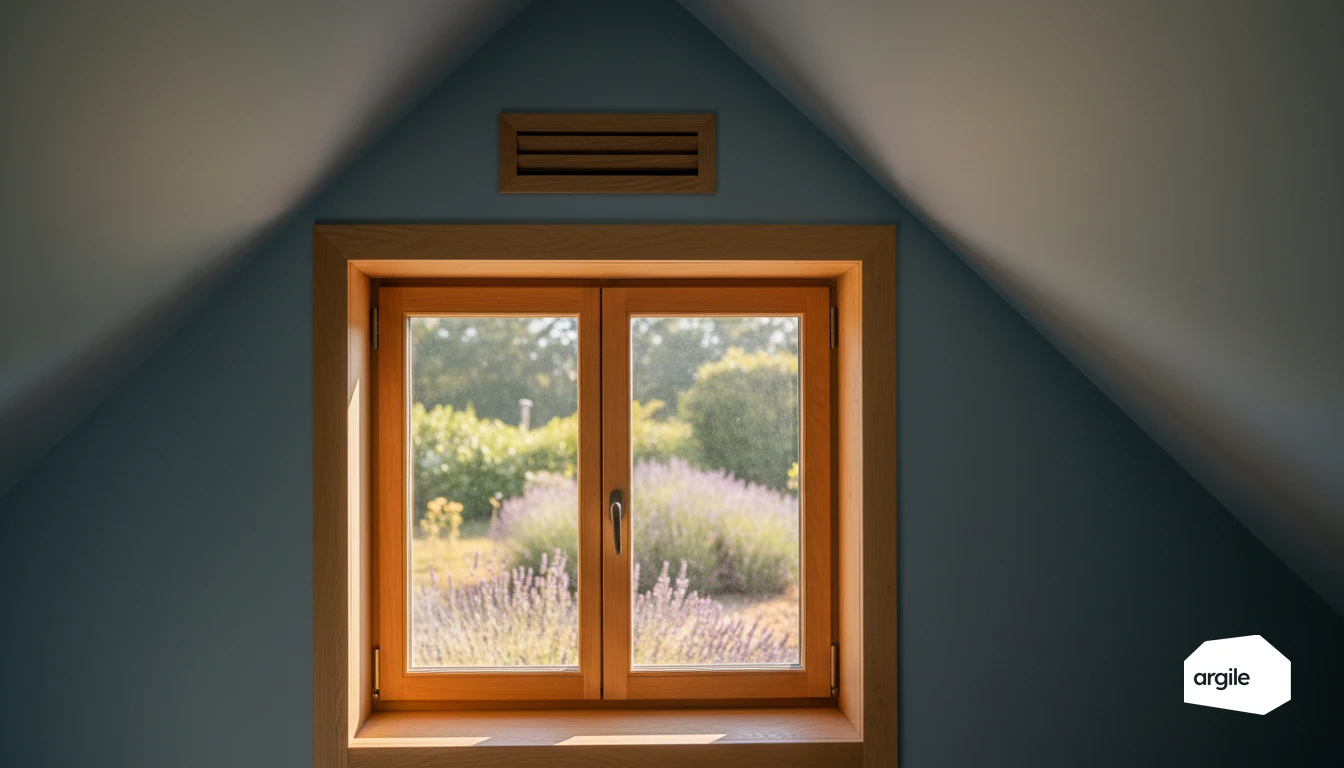
In a converted attic, summer often comes down to a few good job-site choices. By working on roof-side insulation, airtightness, solar protection and well-thought-out ventilation, you gain comfort without adding complexity to the works. The idea is to deliver a livable room even in the middle of a hot afternoon, and a client who calls you back for the next job.
5 min read
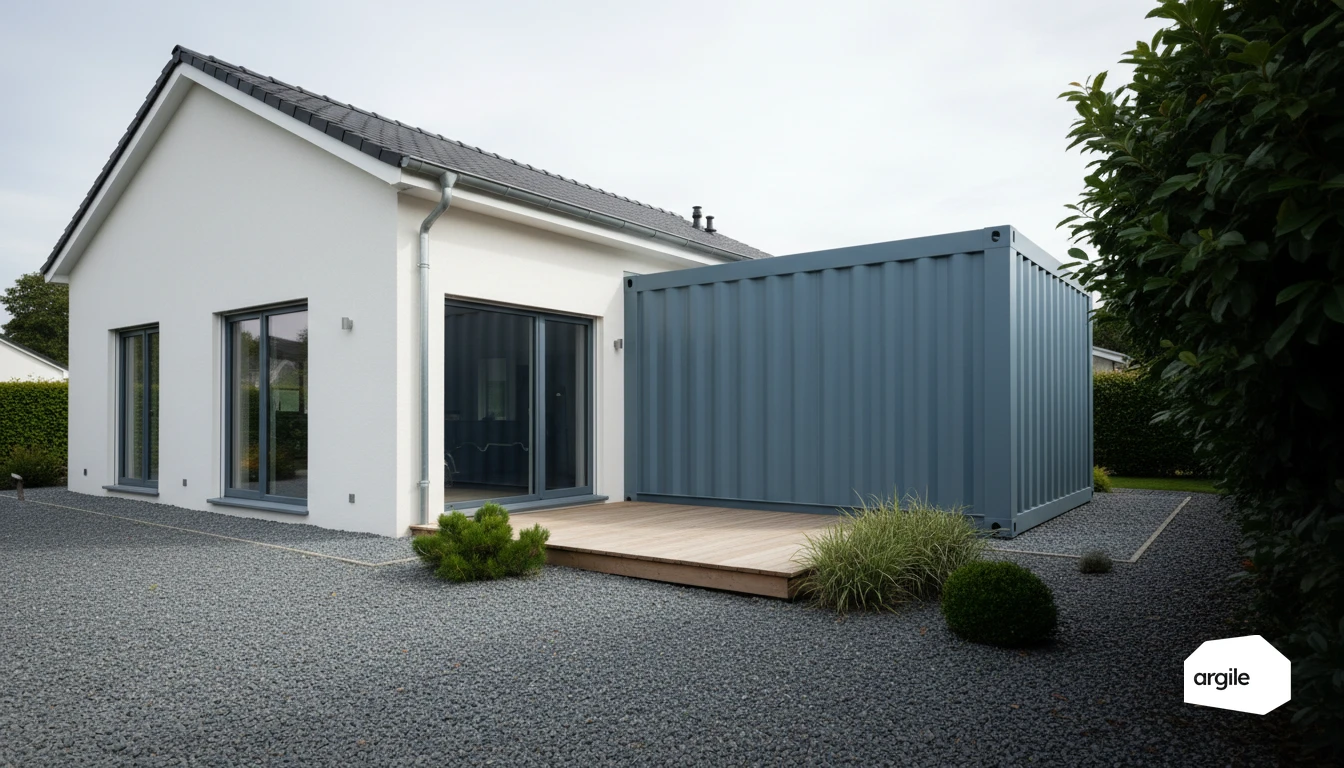
On a steel-structure house, insulation leaves no room for error. It's up to you to build a continuous envelope, free of thermal bridges and trapped moisture, to keep comfort year-round and avoid callbacks. With the right materials and clean installation, you turn a raw shell into a durable, high-performing home that's simple to heat. Let's get straight to the practical steps.
5 min read

A roof frame survey before insulation is not an inspection by eye, it is a regulated document. In France the statement on the presence of termites is required when selling a building located in a zone designated by prefectoral order, it lists the parts inspected and those that could not be, and it is valid for six months. Outside that case nothing compels you to produce it on an insulation job, but closing up timber without it means taking on its condition.
5 min read
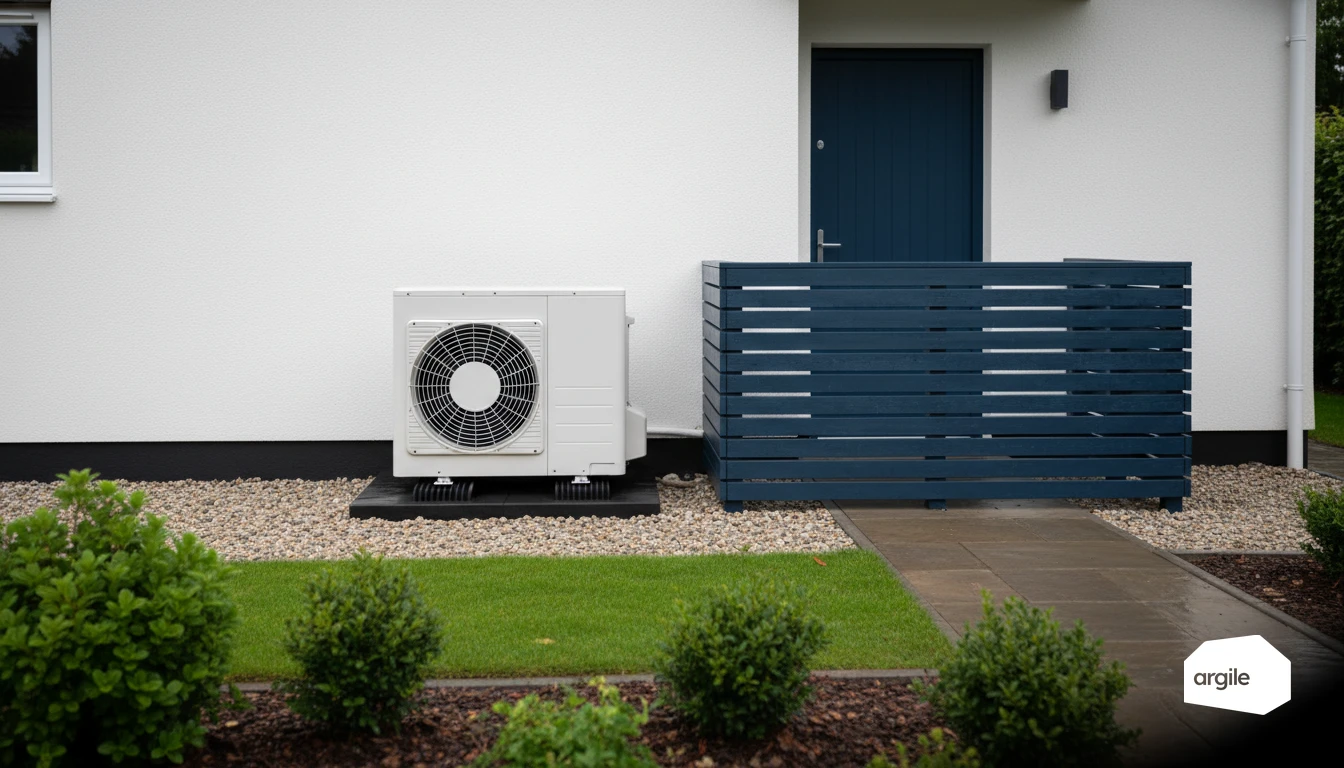
Under permitted development, MCS 020 sets the sound limit at 42 dB(A) at the assessment position, which after the nominal 40 dB(A) background leaves an effective emission limit of 37,0 dB(A). Everything else on site follows from that single figure: placement, support, settings, and a written trace of what you measured and corrected.
5 min read
On a job, a questionable electrical installation can quickly turn a simple fix into a headache, for you and for the client. With a structured check upfront, you spot the risk points, prioritise the corrections and secure the handover without bad surprises. The result: fewer round trips, more trust, and a job that moves forward smoothly.
5 min read
Reveal your expertise
One demo, and you see your expertise proven.
Contact us
