News
Articles by Argile
Regulation, field practice and tools: our analysis to help renovation professionals sell and deliver energy retrofits.
The dew point of ambient air is calculated from two site measurements, temperature and relative humidity, then read on a psychrometric chart or via an approximate formula. At 20 °C and 60% RH, air reaches saturation at around 12 °C: any colder surface (wall, chilled-water pipework, cooled floor) becomes a risk zone, a value derived from the Magnus-Tetens approximation. For condensation within a wall, verification is done by comparing vapor pressures and temperatures through the assembly in accordance with NF EN ISO 13788, with a vapor barrier on the warm side where required. Flue gas dew point, by contrast, is handled separately: it depends on the fuel and excess air and is addressed through the design rules for flue ducts in NF EN 13384.
6 min read
To buy at the right price and secure lead times, start by opening a trade account with a credit line and payment terms, most often 30 days end of month, as set out in the wholesaler’s Terms & Conditions of Sale (CGV). On pricing, the only meaningful benchmark is the “net price” after discount, not the list price, as framed by Article L441-3 of the French Commercial Code on transparency of B2B selling terms. When you quote, think in terms of delivered-to-site purchase cost (product + freight + handling) and then apply a sales mark-up factor, not an intuitive margin, to absorb your overheads and availability risks.
6 min read
HHV (higher heating value) includes the heat recovered by condensing the water vapour in flue gases, whereas LHV (lower heating value) excludes it, which is why HHV is always higher than LHV. For natural gas, the amended order of 22 December 1978 governs billing on the basis of HHV, while boiler efficiencies are most often quoted on an LHV basis in France. That is why a condensing boiler can show 105% on LHV without exceeding 100% on HHV. In practice, keep the trade rule of thumb in mind: HHV ≈ LHV + 10% for gas, to be checked against the gas quality certificate and the calculation basis used in the quote.
6 min read
For night purge cooling to work, aim for a flow rate in the range of 3 to 6 air changes per hour, i.e. roughly 30 to 60 m3/h per m2 of floor area, far above hygienic ventilation rates. These are the figures set out in ADEME’s guide “Summer comfort in buildings” to achieve a real drop in indoor temperature by removing heat stored in thermal mass. Without three prerequisites, you cannot sensibly size it in the quote: at least a 3 to 5°C night-day temperature difference, heavy elements that are genuinely exposed to the air (not hidden behind an insulated lining), and cross-ventilation or mechanical overventilation (bypass on a heat recovery unit, dedicated extractor) compatible with noise, security and outdoor pollution.
6 min read
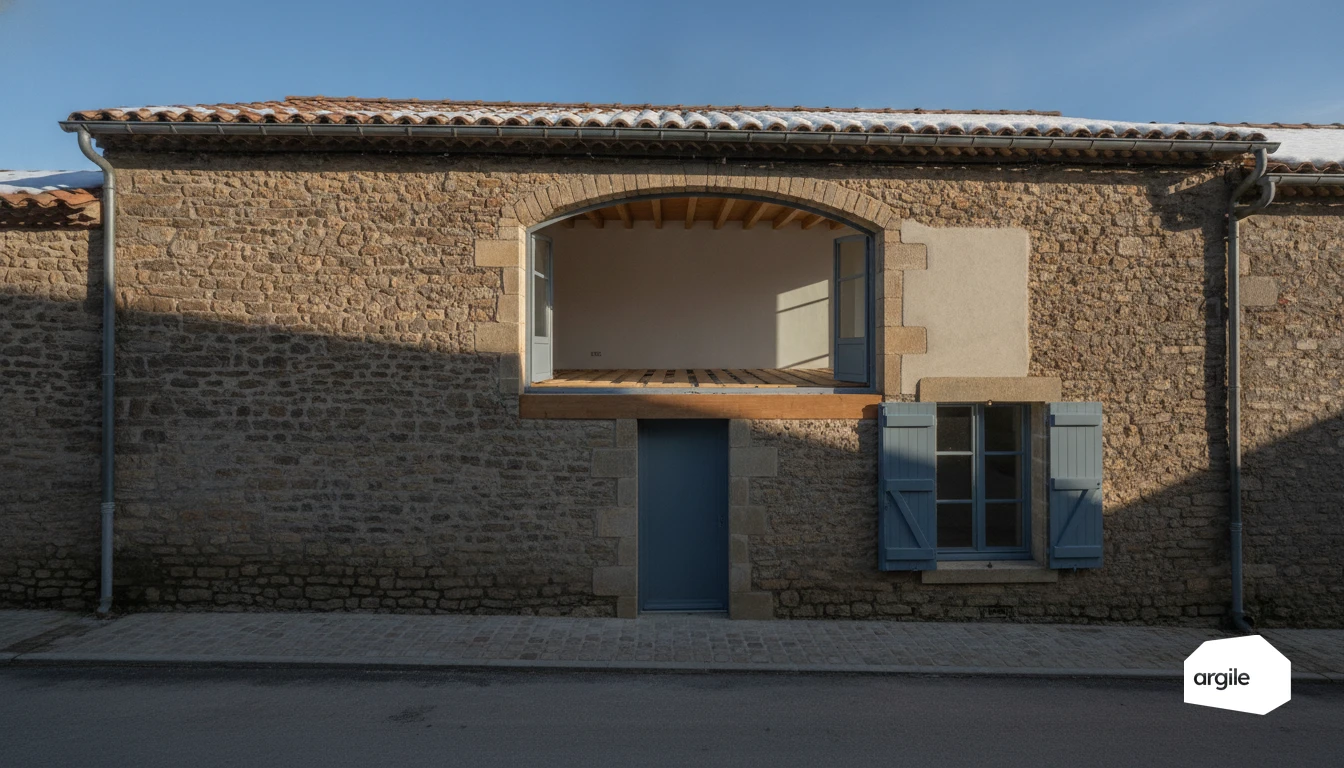
On a timber floor, the limiting factor is the imposed load: a 5 cm lightweight cement screed comes in at around 45 to 60 kg/m² (typical density 900 to 1,200 kg/m³), whereas a conventional cement screed is usually closer to 100 kg/m² for the same thickness. These figures come from manufacturers’ technical datasheets for lightweight screeds made with expanded polystyrene beads or lightweight aggregates, and should be checked product by product before pricing. In practice, you verify the load path by adding dead load, permanent loads and imposed loads, then you check the joists (span, size, spacing, timber species) and call in a structural engineer as soon as any value is missing or reinforcement is being considered.
6 min read
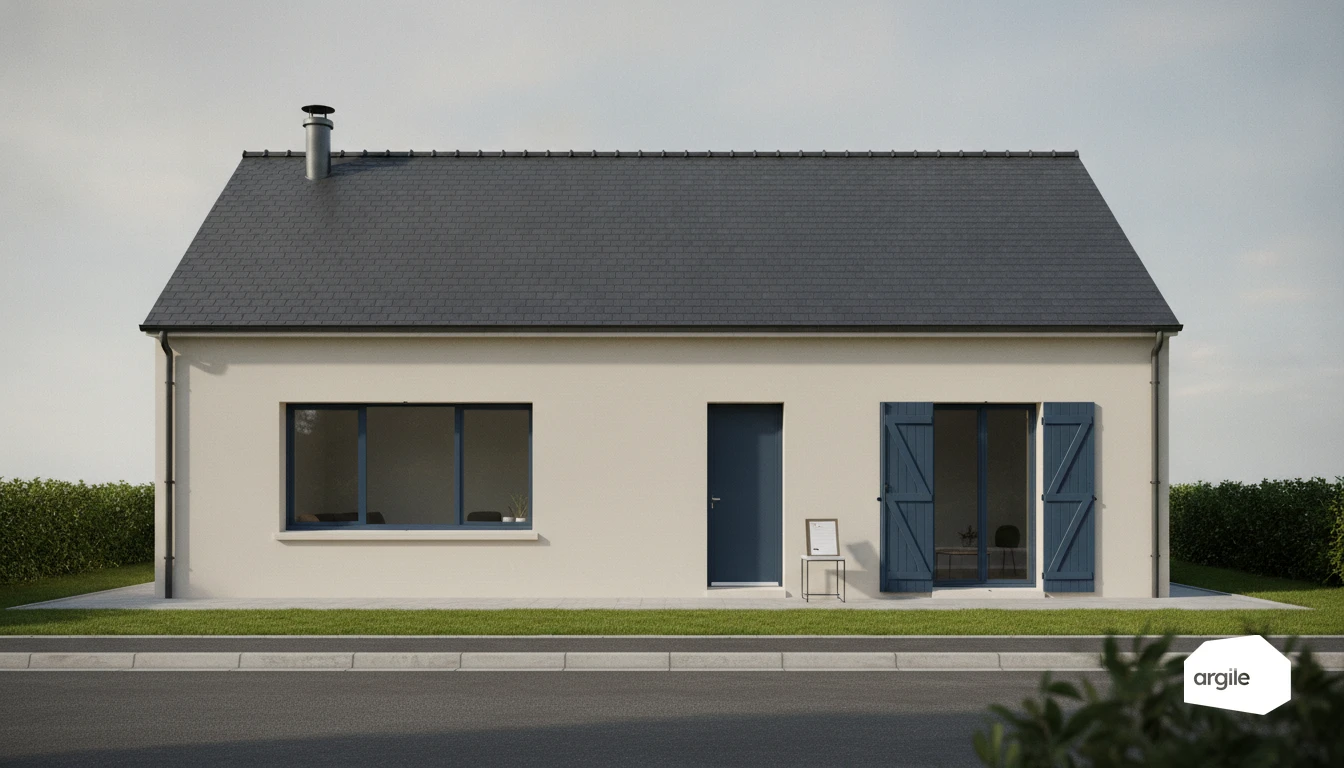
A flue that is already lined tells you nothing until you have read its standardized designation. Lining markings follow NF EN 1856-2 (and flue designation classification under NF EN 1443): they define in particular the temperature class (T), condensation resistance (D or W), and soot fire resistance (G). In practice, a lining marked W (wet) is the prerequisite for considering a connection to a condensing appliance, and a lining marked G indicates soot-fire resistance, a key point for wood-burning systems. On an existing installation, you estimate after simple checks that can be documented in the quote: continuity and tightness, clear passage, condition and corrosion, data plate, presence of a condensate tee and a sweeping hatch, and ventilation of the annular space between the liner and the masonry flue.
6 min read
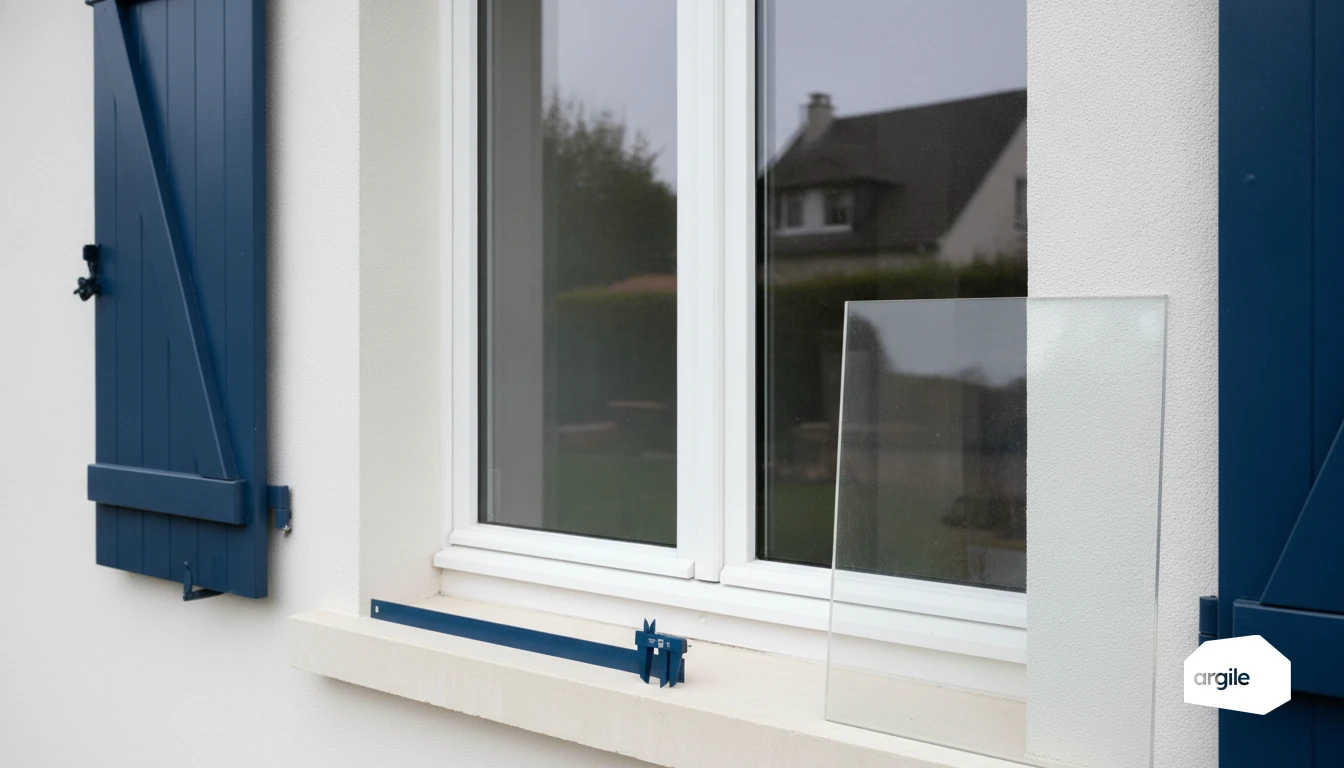
For custom-made secondary glazing, allow a 2 to 3 mm installation clearance per side, take measurements at three points (top, middle, bottom), and use the finished size based on the smallest measurement. This tolerance is the one reflected in external joinery standards, in practice NF DTU 36.5, and it is what prevents delivering a frame that cannot be fitted to old joinery that is rarely square. On the scheduling side, factor in a typical manufacturing lead time of 2 to 4 weeks depending on the workshop and finish, and keep in mind that secondary glazing generally does not meet the performance required under energy-efficiency certificate schemes for glazed walls, so it is usually not eligible for funding, but it remains a relevant solution in protected areas.
6 min read
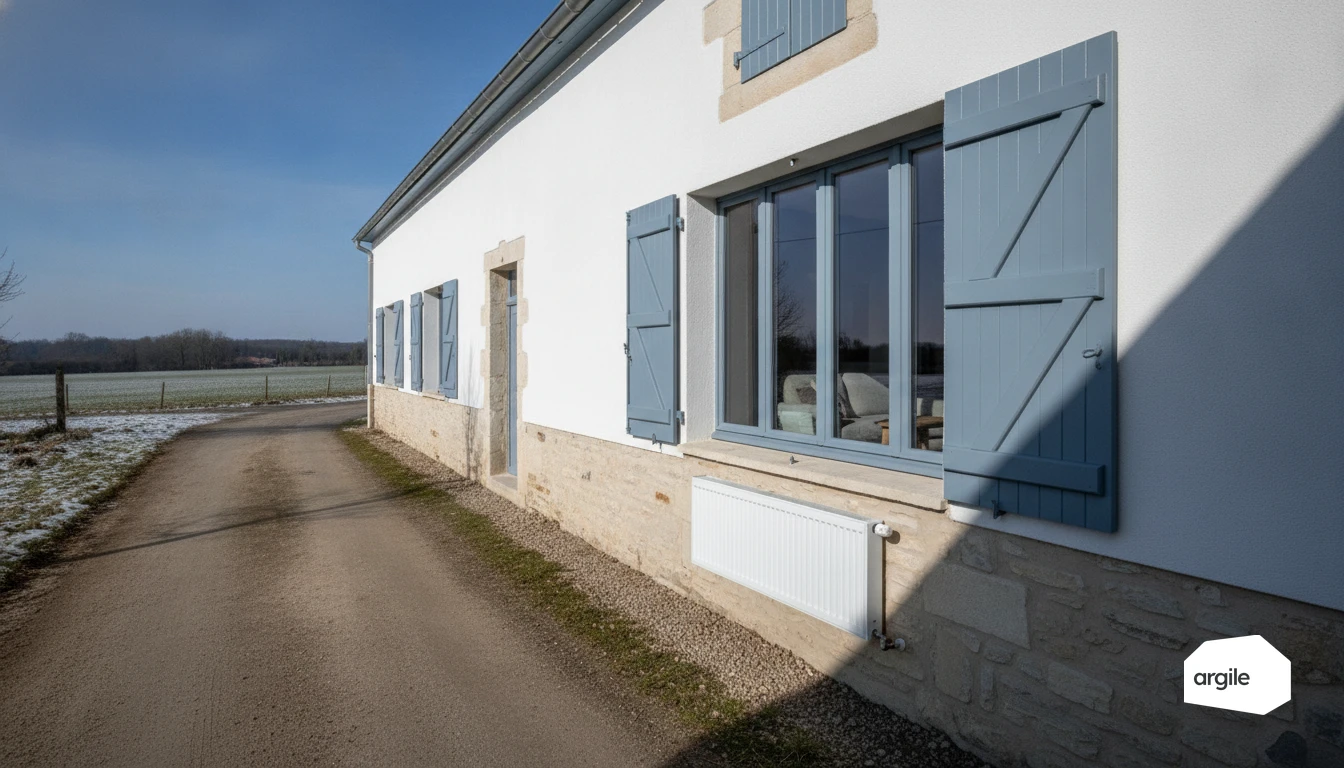
In practice, connected thermostatic valve heads mainly deliver a few percent of savings when you can turn down certain rooms, typically around 5 to 10% on a well-balanced hot-water heating system, based on the order-of-magnitude figures given in ADEME’s guide “Pourquoi et comment isoler son logement ?”, which reminds us that lowering the setpoint is the real driver of energy use. The savings depend first and foremost on the temperature difference you create between zones, not on the “connectivity.” On site, without hydraulic balancing and available flow, the valve does not regulate anything and comfort deteriorates, so this must be checked before pricing the job. Last constraint: the compatibility of the valve body (thread and stroke) determines the choice of adapters and the stability of the control.
6 min read

To estimate photovoltaic output, start from the formula kWh/year = installed capacity (kWp) × plane-of-array irradiation (kWh/m²/year) × PR, with a PR typically kept between 0.75 and 0.85 on a standard roof (cables, temperature, inverter, mismatch, soiling). This range is what is used in practice; ADEME’s guide “How to choose your heat pump?” is not the right reference here, but ADEME commonly presents PR around 0.8 in its photovoltaic materials, and it provides a solid basis for a quote-level estimate before module layout. You then refine it using orientation and tilt via the “tilted-plane” irradiation (not horizontal), because for the same kWp the annual ratio varies significantly by area, as shown by public solar mapping tools (such as PVGIS) used in pre-studies.
5 min read

Project profitability comes down to two live figures: your margin on direct costs and the gap between the hours sold in the quote and the hours actually recorded, valued at your hourly cost rate. The most robust calculation method is job-by-job analytical accounting, as set out in the FFB guide “Pilotage et gestion d’une entreprise du bâtiment”, which requires allocating purchases, subcontracting and time spent to each job. This cross-check shows whether margin is being lost on materials (cost overruns, year-end discounts, extras without a change order) or on time (underestimated prep, unbilled travel, rework and defects), and therefore which lever to correct on the next quote.
6 min read
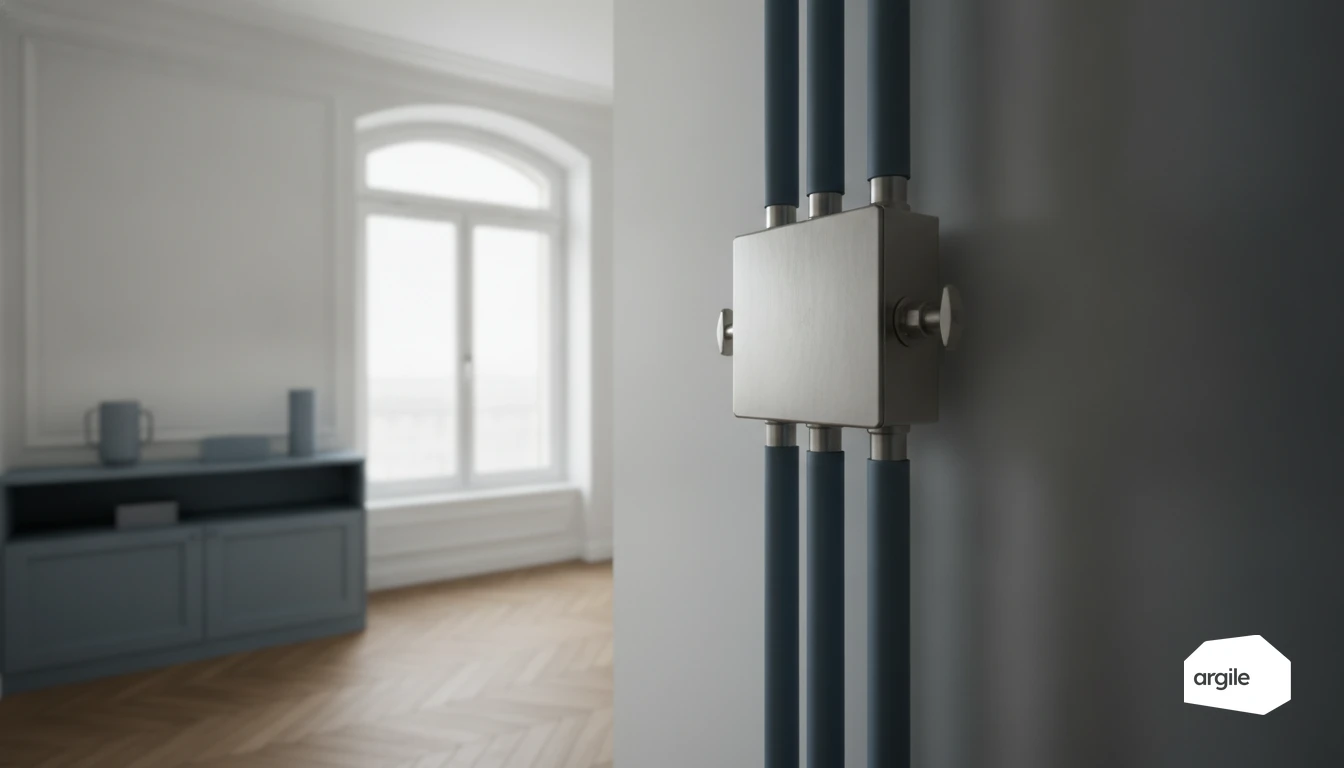
To decouple two circuits with a plate heat exchanger, plan on a site-level approach with a sizing pinch of around 5 K, a value commonly used on manufacturers’ data sheets and selection charts to keep heat-transfer surfaces within a reasonable range. This pinch translates into a temperature drop on the secondary side, so the heat generator must be adjusted or sized accordingly to deliver the same flow temperature. The heat exchanger becomes essential whenever pressures or water qualities must be kept separate, especially at a district heating interface or on networks where the water quality is not under control, in line with the interface requirements set by operators and accepted heating-hydraulics practice (DTU 65.14).
6 min read
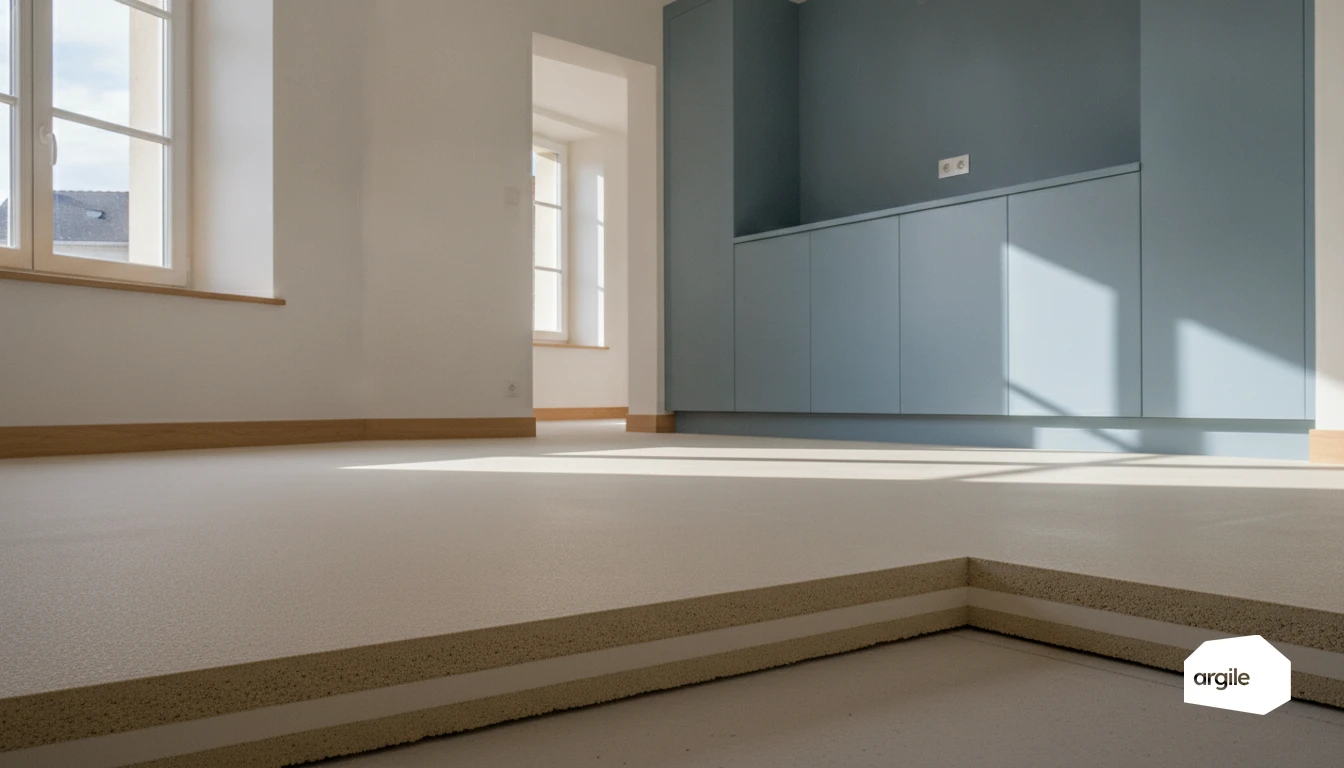
In practice, an insulating screed made with lightweight mortar delivers thermal resistance of around R ≈ 0.5 to 1.2 m²·K/W depending on thickness, based on the λ values stated in the Technical Assessments and EPDs for the systems (well below the R value of an insulation board). For underfloor heating, the benchmark to target remains insulation beneath the screed with an R value compliant with NF DTU 65.14, because lightweight screed is mainly for levelling and encapsulation, not for “doing the insulation”. As for timelines, allow at least 1 week per centimetre before floor covering for a cement screed, a site rule of thumb also used in NF DTU 26.2, to be adjusted according to measured residual moisture and the manufacturer’s instructions.
6 min read
Reveal your expertise
One demo, and you see your expertise proven.
Contact us
