News
Articles by Argile
All our articles in the “Contractors” category.

Felt temperature has a calculation definition, the operative temperature, which is the average of the air temperature and the mean surface temperature. It explains why a home at 20 °C of air can feel cold, and above all it supplies the numbers behind an insulation job: every degree gained on the surfaces buys a degree off the air setpoint at equal comfort. Here is the calculation, the regulatory framing, and what to record on a survey.
5 min read
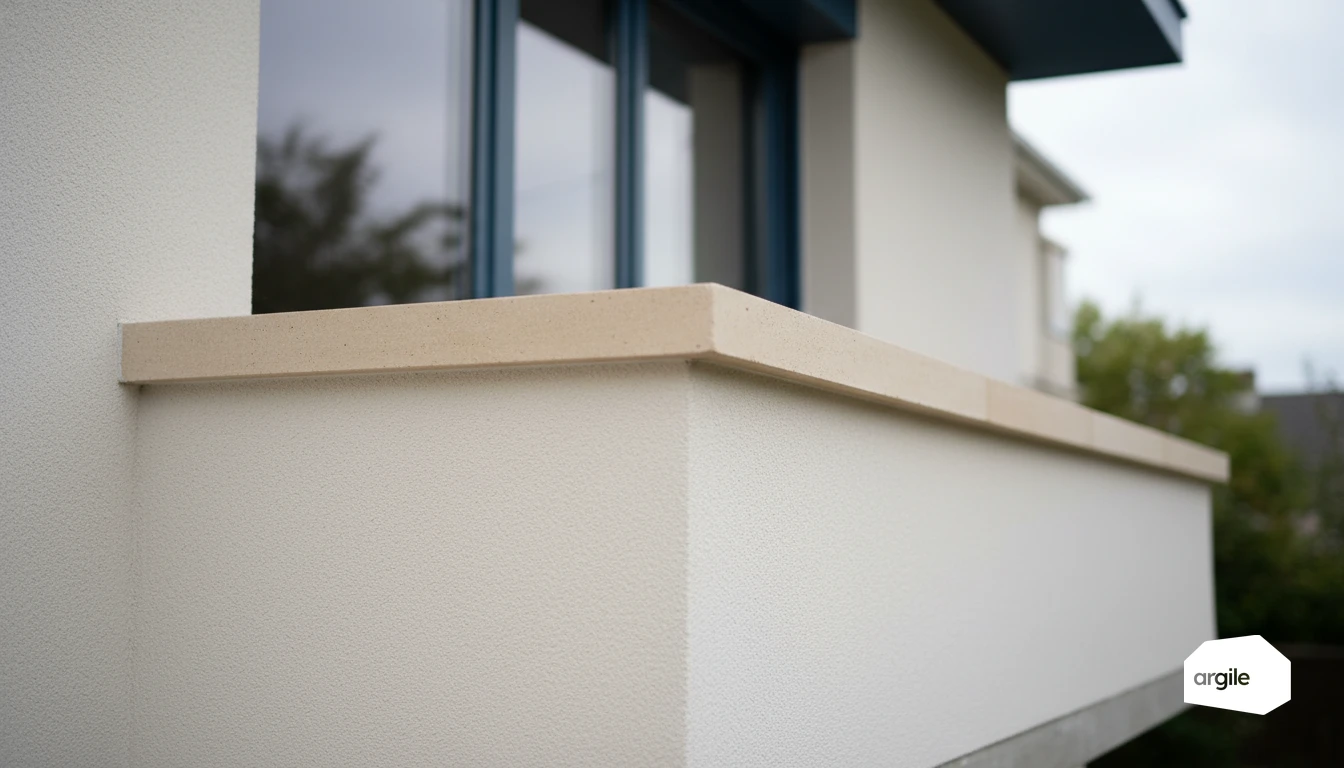
On a job site, heat leaks don't always come from large surfaces, but often from junctions. You save time and gain performance when you spot these risk areas from the first visit, then coordinate insulation, joinery and airtightness in the right order. This is often where the client's comfort is decided, and your margin on callbacks.
4 min read
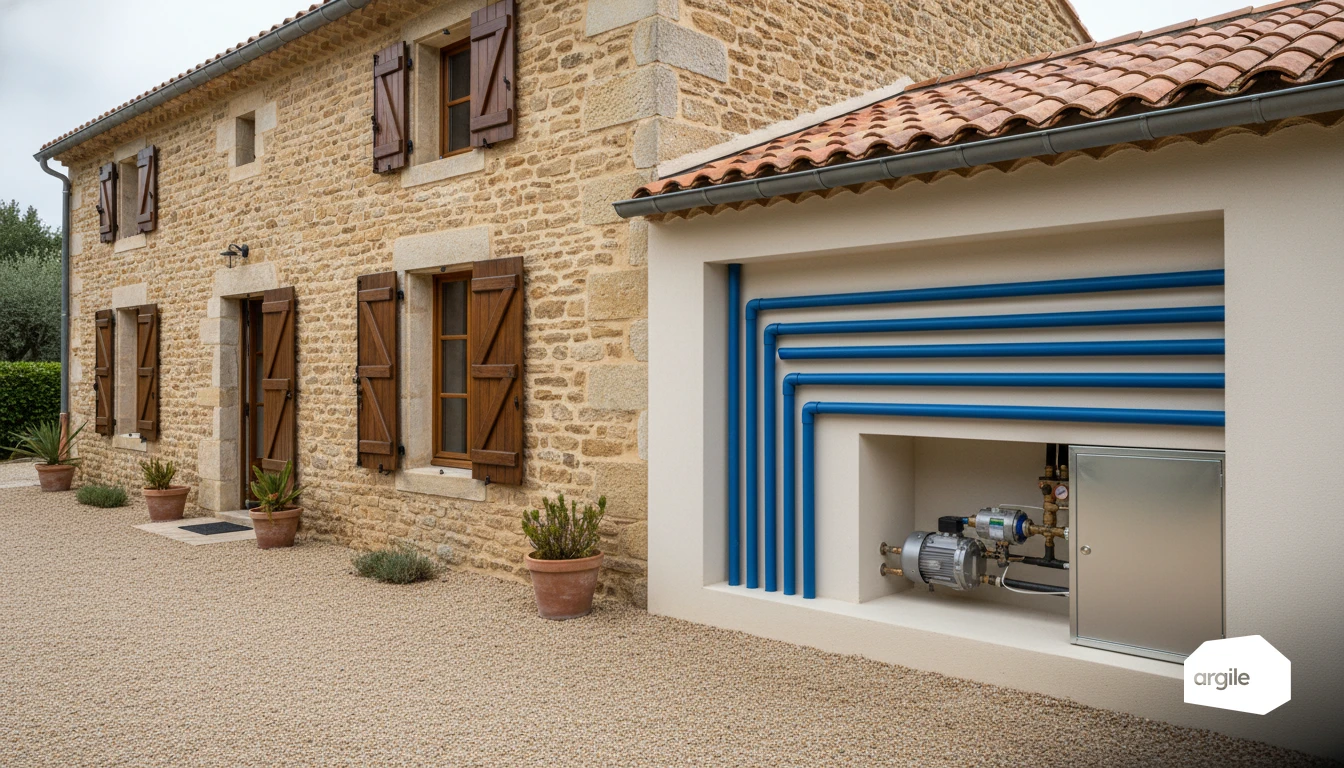
A network's pressure loss is the sum of the linear losses per section and the fitting losses, set against the head available at the circulator. The calculation belongs to the sizing stage, not to the day the network starts whistling. This article gives the section-by-section method, the flow-versus-diameter table and the orders of magnitude worth carrying on site.
5 min read
When your customers spend more time at home, heating, hot water and electrical usage climb quickly. As a tradesperson, you can turn this new routine into concrete jobs, adjustments, insulation, ventilation, controls, that improve daytime comfort without sending the bill through the roof. The payoff: simple, quantified recommendations that are easy to explain and sell.
5 min read

On a job site, a few millimetres of error when installing a window are enough to create a heat leak that undermines the final result. By choosing the right position within the wall and taking care with the connections (reveals, sill, sealing), you limit thermal bridges without complicating the installation. The result: a higher-performing renovation, and a client who feels it from the first cool nights.
6 min read

A tree that grows, a poorly placed chimney, and a whole installation can end up disappointing at the meter. As a tradesperson, you have the ability, right from the site visit, to spot shaded areas, anticipate how they will evolve and avoid unpleasant production surprises. A few simple checks are often enough to secure both performance and the customer.
5 min read
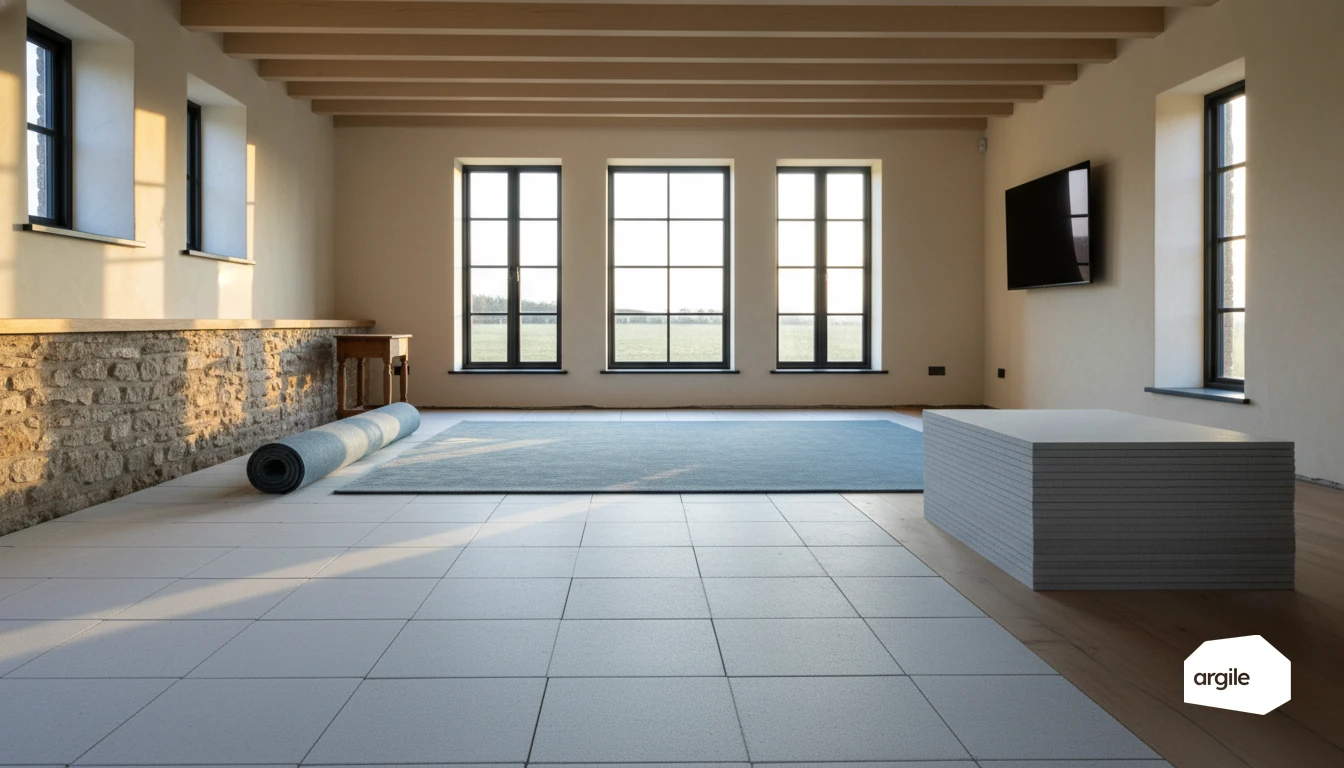
No traditional installation code covers dry screed over underfloor heating. The French screed code covers only screeds and slabs based on hydraulic binders, which rules out a gypsum-fibre or plasterboard panel by definition. The only route is a third-party technical approval for the system itself, and that changes your obligations, your insurance and what you write on the quotation. Here is the framework, the verifiable figures, and what a dry screed genuinely saves.
5 min read

On site, you see it right away. A well-fitted window isn't enough if the shutter lets in air or cold. By addressing this often overlooked point, you improve comfort, limit draughts, and secure the insulation's performance, without complicating the job.
5 min read
A bare container wall is nowhere near the 60 W/m²K figure that circulates: the conventional surface resistances of BS EN ISO 6946 cap the U-value of a bare vertical wall at about 5.9 W/m²K, whatever the steel thickness. All of the performance therefore comes from the insulation you add and from its continuity, and the dominant risk is not the U-value but surface condensation.
5 min read
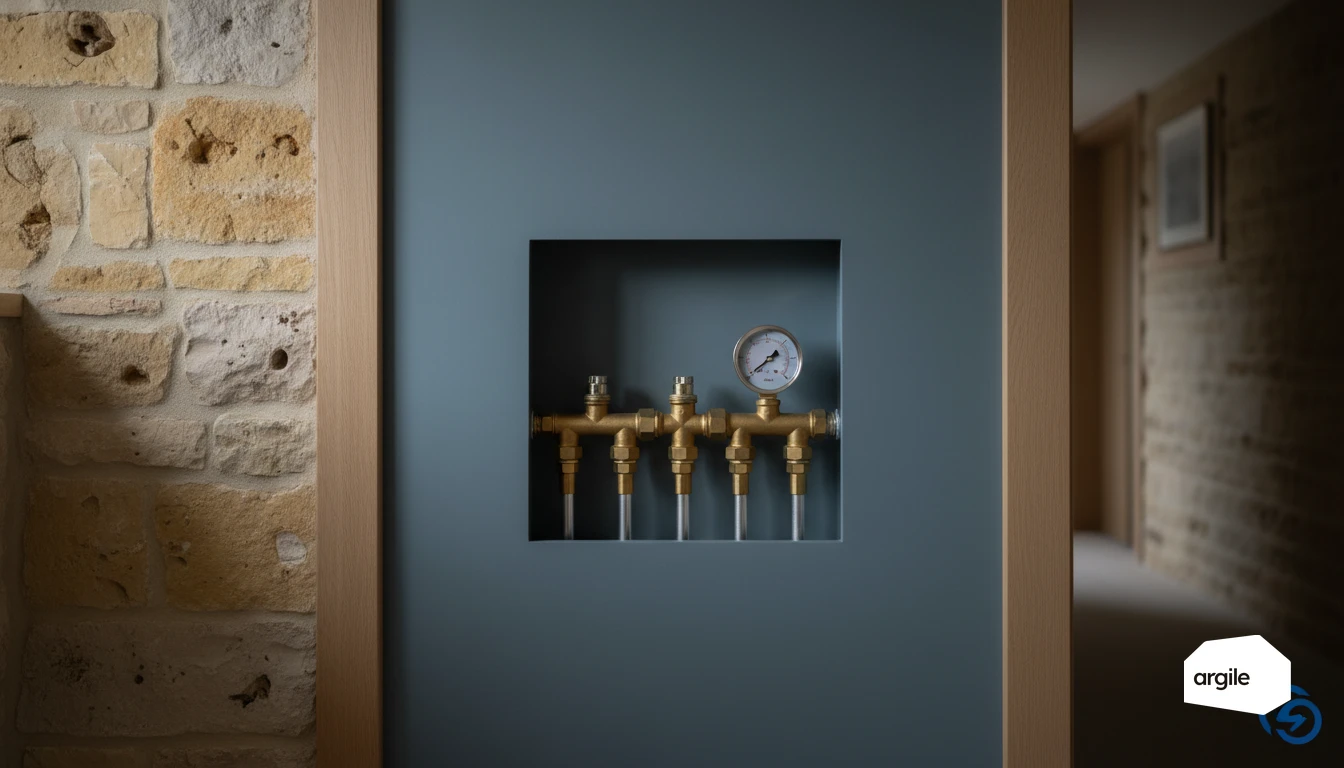
Balancing is the adjustment that shares flow between emitters in proportion to their output. It is done on a clean, bled network, in a stable regime, with thermostatic heads removed, and it is proved by readings. The French CEE scheme puts a figure on it: less than 2°C between the warmest and the coolest dwelling in the building.
5 min read

Gaining square metres without touching the plot is often the best option when your clients want to expand quickly, in a dense area. A timber-frame solution helps you stay light on the existing structure, limit reinforcements and keep realistic deadlines, all while improving the building's insulation. That secures both your job and your margin, without turning the neighborhood into a crane field.
5 min read

A well-run commissioning is often the difference between an installation that runs without a hitch and repeated callbacks. Before you leave, take 20 minutes to check the points that really matter: tightness, flow rates, settings, safety devices, and the client hand-over. You secure your performance, your reputation, and you save time across the board on after-sales service.
5 min read
Reveal your expertise
One demo, and you see your expertise proven.
Contact us
