News
Articles by Argile
All our articles in the “Contractors” category.
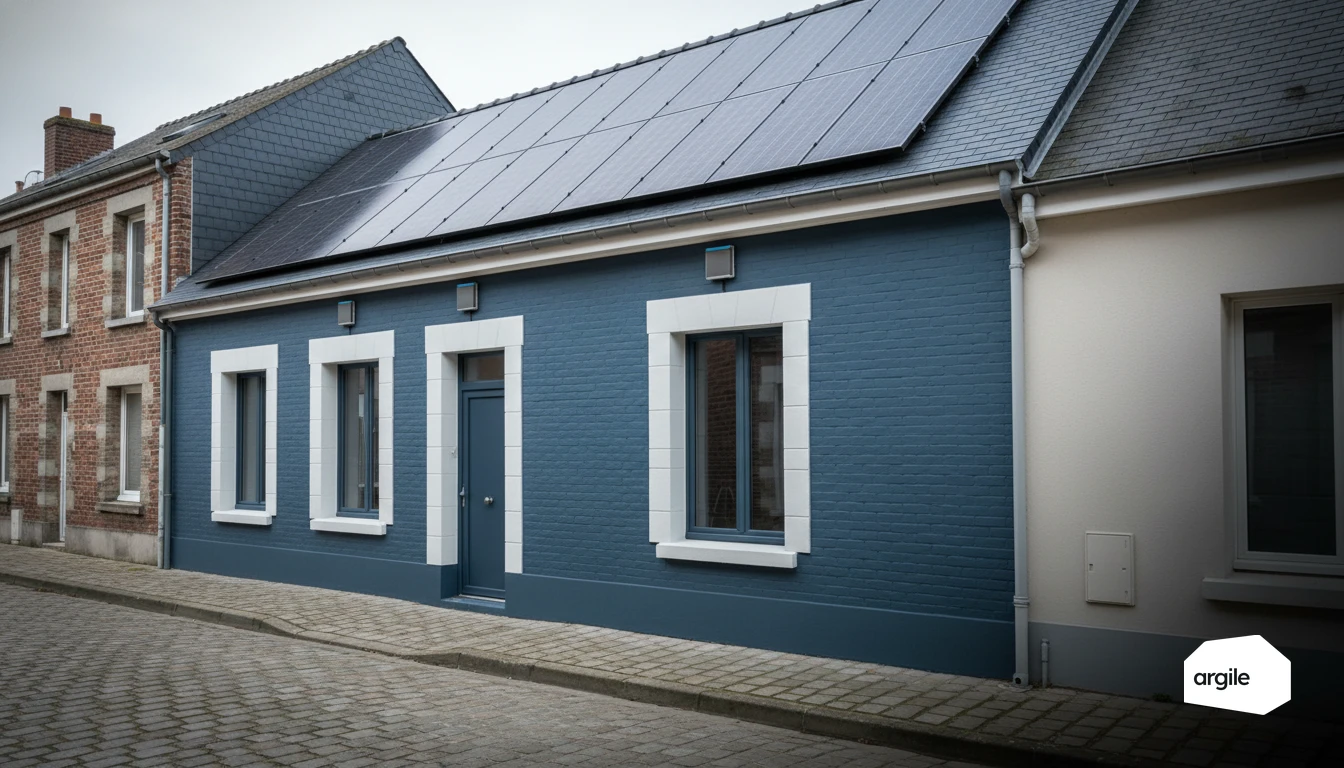
When a roof has shade, a nearby chimney or mixed orientations, output can drop faster than expected. Module-by-module control protects yield on the penalized zones without redoing the whole array. It's also a good lever for diagnosing issues, explaining them to the client, and delivering a more consistent PV installation, job after job.
6 min read

On site, the most common way to insulate from the inside is to pair an insulation material with a plasterboard facing — clean, fast, and compatible with most rooms. For you, the tradesperson, everything comes down to the details: a sound substrate, flatness, continuity of the insulation, and careful treatment of sensitive points around cables and window frames. Done well, this installation saves you time while avoiding callbacks linked to moisture and thermal bridges.
5 min read
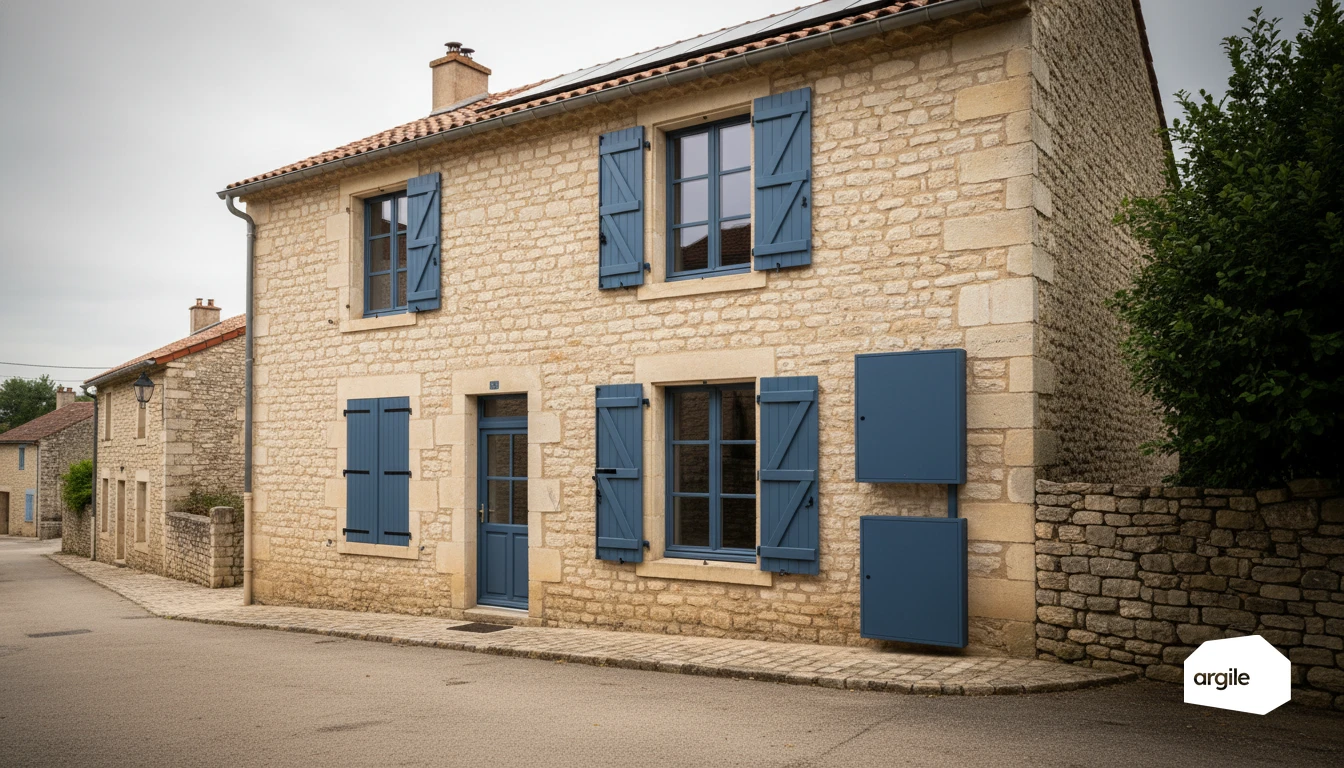
Between solar production, storage and real-time consumption, your customers expect an installation that adapts without hassle. The right equipment choice makes the difference between smooth self-consumption and unnecessary grid draws, especially as usage patterns change (EV, heat pump, water heater). Here you have concrete benchmarks for managing the flows, securing the job and delivering an installation that keeps its promises.
5 min read
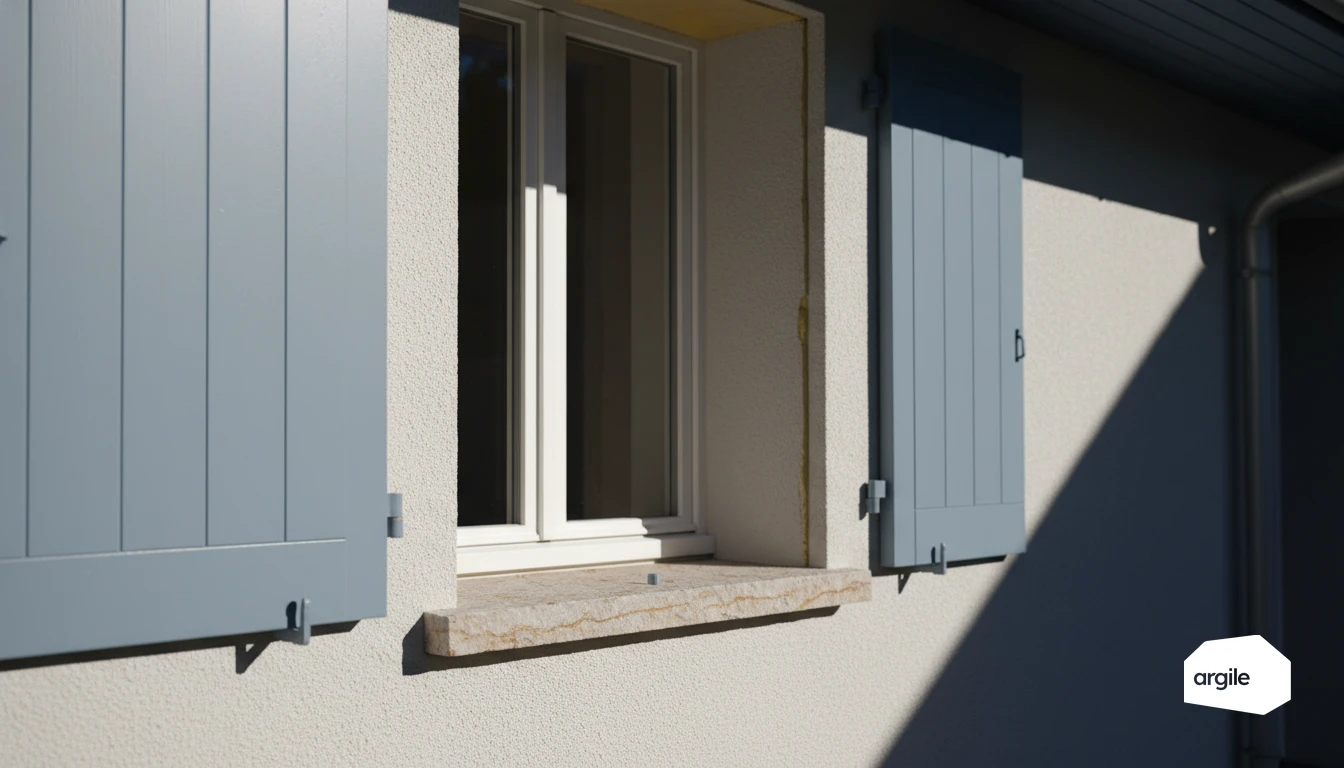
Aiming for a thermal resistance around R=10 changes the scale of comfort and the heating bill. For you as a tradesperson, the real challenge is simple: hit that performance without surprises on thickness, tricky junctions, and moisture. With a clear method from the quote onward, you secure both the result and your margins.
5 min read

No rule sets a minimum distance between an outdoor unit and a boundary line. What binds you are the installation clearances, the noise limit that applies at the assessment position, and whatever the local planning regime adds on top. The rest is site management, and it has to be written down.
4 min read
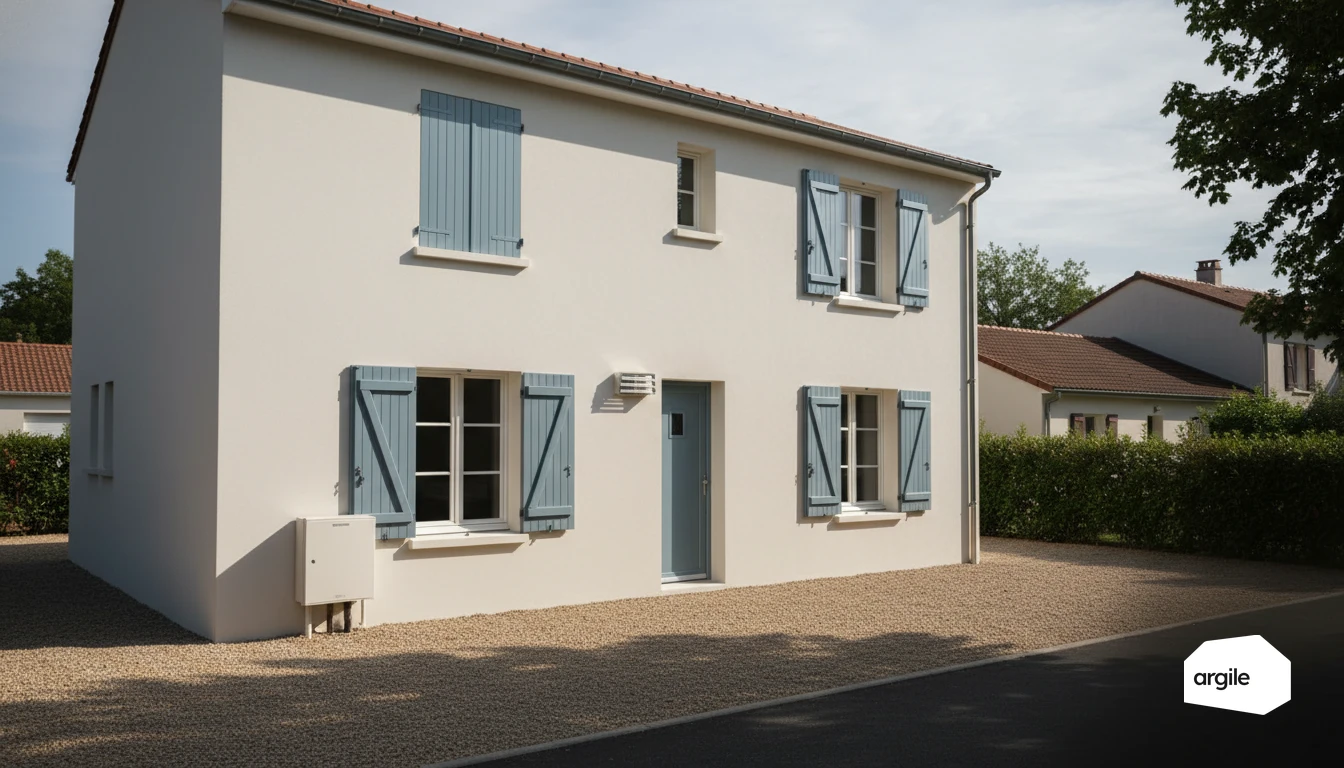
On a heat-pump water heater, the extracted air often makes the difference between a silent installation and a unit that draws too hard on the room. In renovation, you mainly need to secure three points: where to capture the air, where to discharge it, and how to avoid odours, humidity or cold draughts coming back. With a simple method, you save time on site and deliver stable comfort to the client.
5 min read

On site, choosing modules is never 'just a question of price.' Monocrystalline or polycrystalline, you're trading off power per m², visual appearance, and flexibility when roof space is tight. By setting the right benchmarks from the quote stage, you avoid production disappointments and secure an installation that's consistent with the roof, orientation and the client's budget.
5 min read
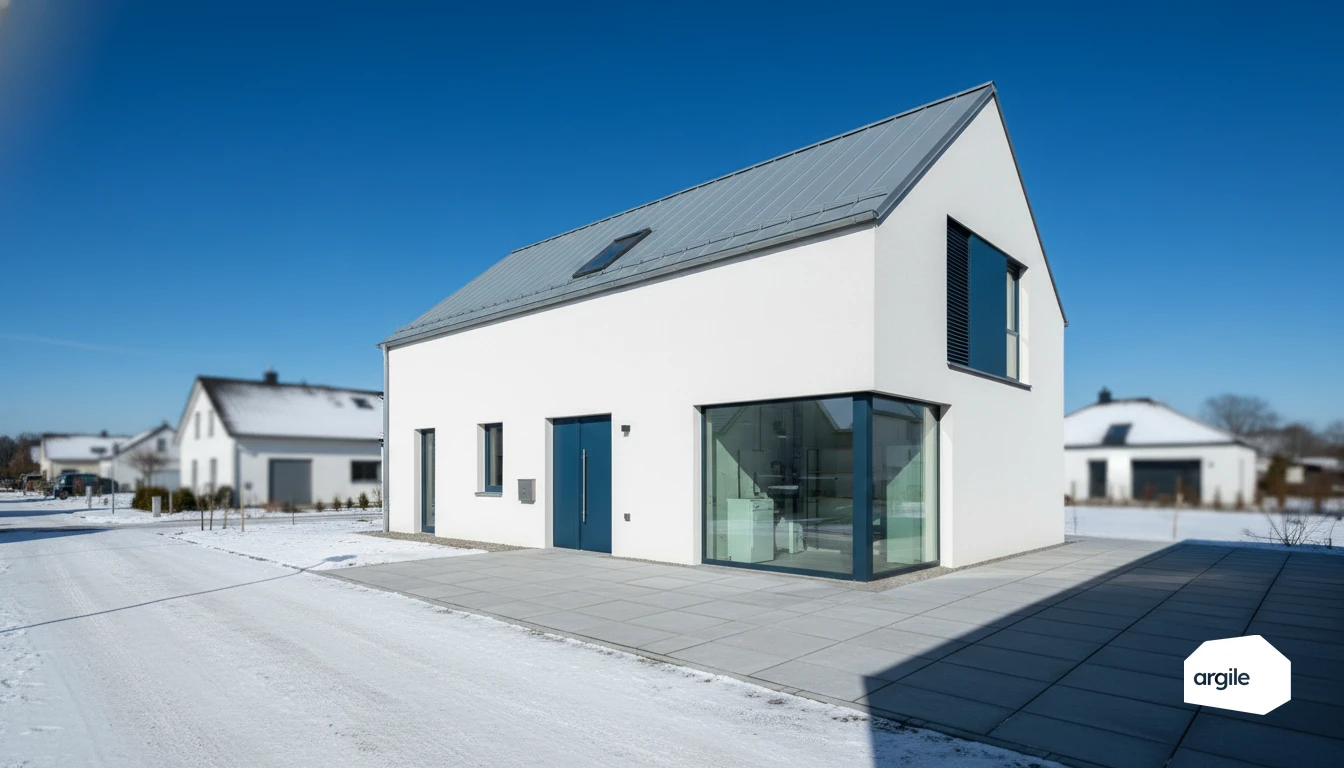
On site, the choice of ventilation unit directly affects comfort, actual airflow and noise once the vents are fitted. Between single-speed and two-speed, everything comes down to how the home is used, the moisture load to manage, and the level of control you want to leave the client. By setting this out clearly at the quote stage, you avoid callbacks and secure a clean installation.
5 min read
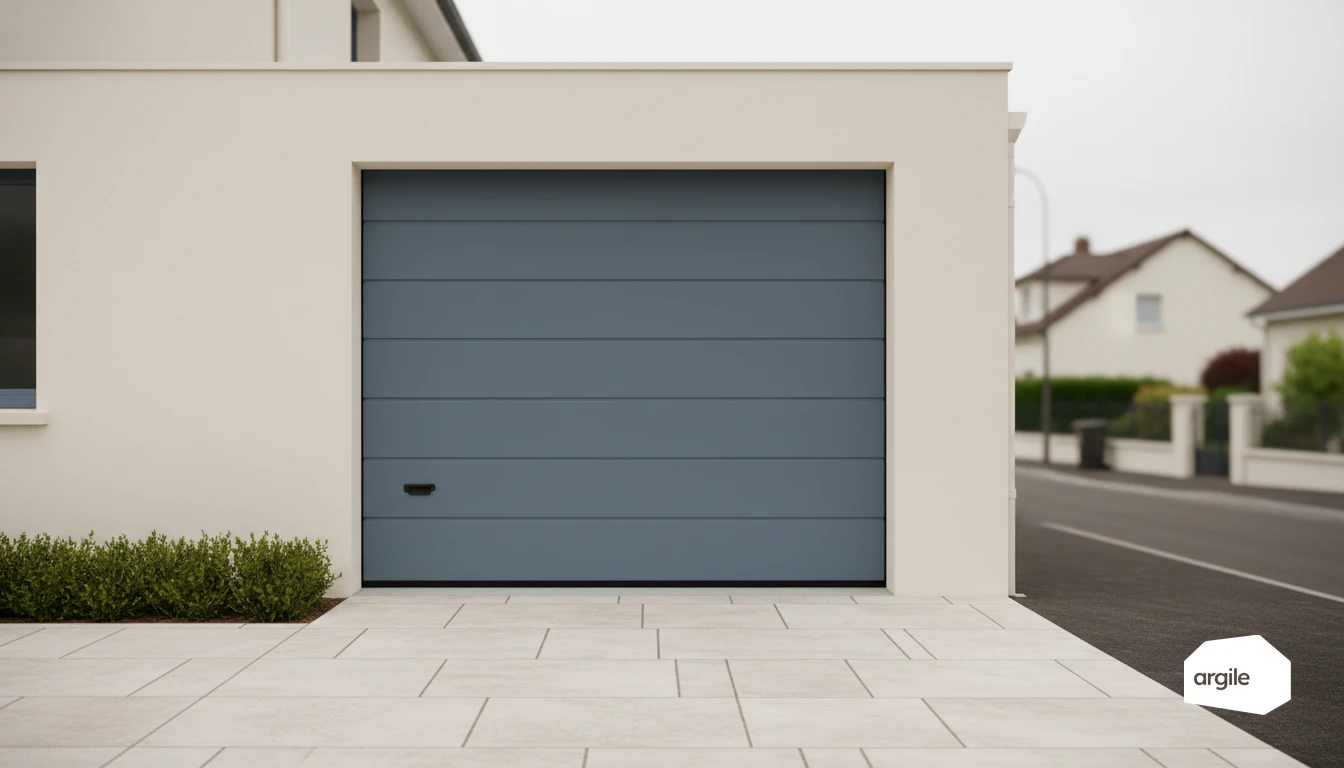
An insulated garage door has no regulatory threshold: no text imposes a Ud on it, and it does not appear on the list of works qualifying for the reduced VAT rate. What commits you is the value declared under EN 13241+A2, the air permeability class recorded on the data sheet, and the sealing at the reveal. Here is what to record on site, what to demand from the manufacturer, and how the package breaks down on the quote.
5 min read
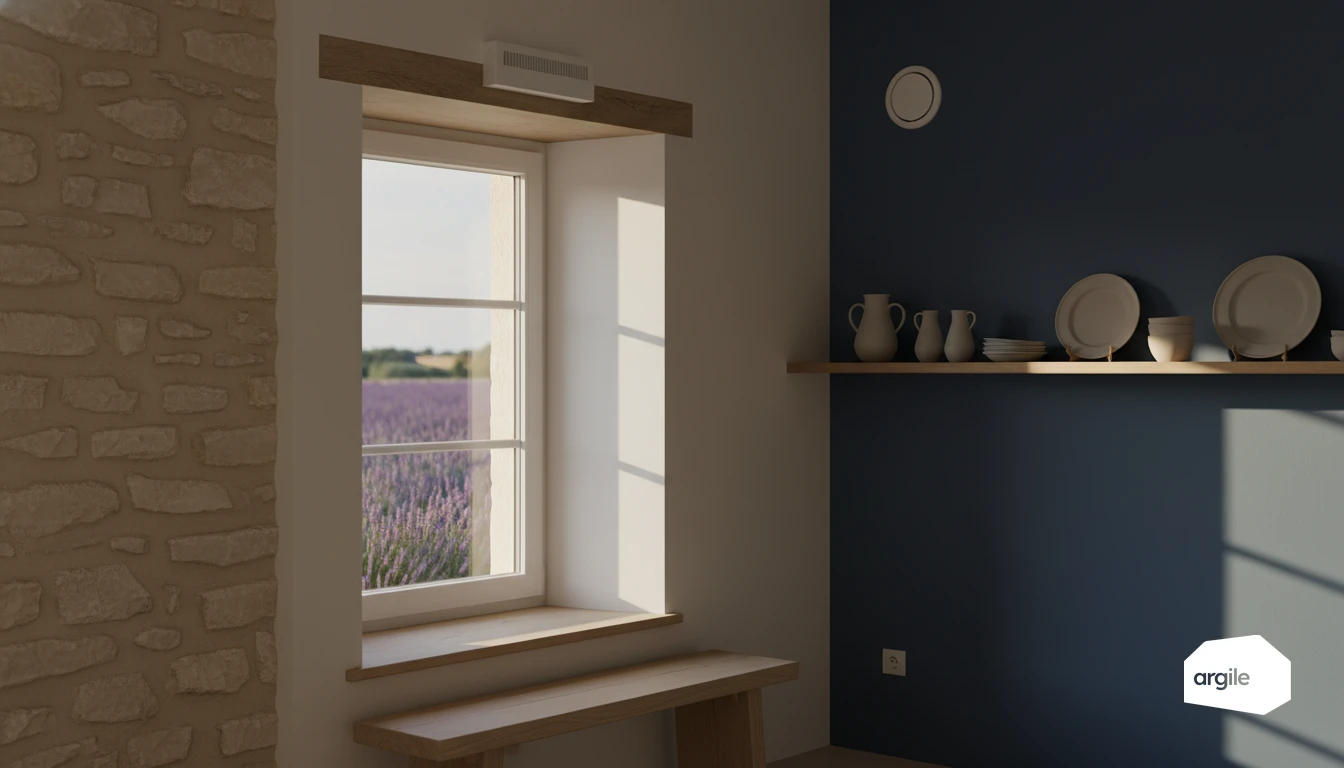
When an MVHR system is properly sized, you notice it right away, less lingering humidity, odours that don't come back, and clients who breathe easier. But it all comes down to job-site details, air inlets, extract vents, and room-by-room airflow balance. Get these right at installation and you avoid callbacks while securing the home's performance, without the headache.
5 min read

On site, the choice between a monobloc and a split system mainly comes down to your installation, connection and maintenance constraints. Getting these differences clear at the quote stage means fewer back-and-forths, fewer surprises, and a smoother commissioning. With a few simple points, you'll be able to decide based on the building, access, and the level of work the client will accept.
5 min read
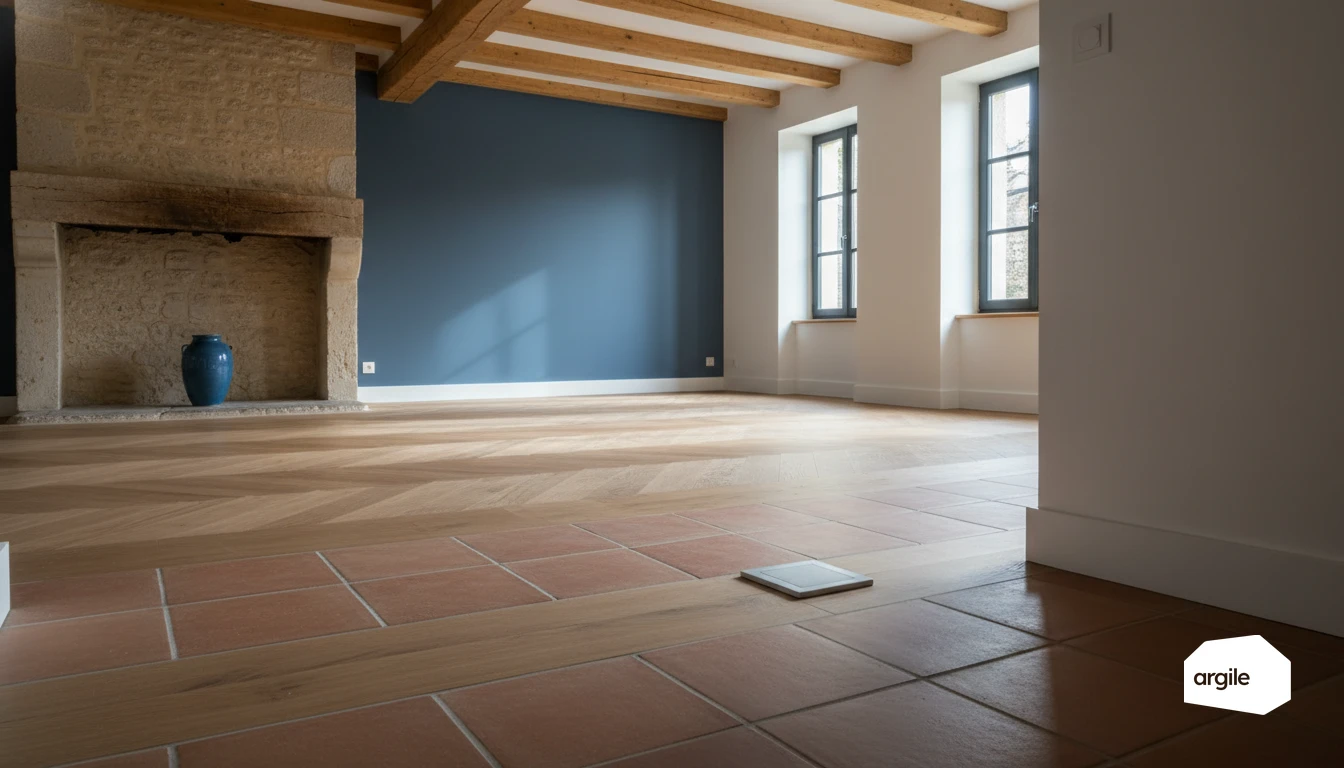
On underfloor heating, the flooring likes neither temperature spikes nor sudden swings. The floor probe gives you a reliable, stable limit, to avoid overheating while keeping comfort, even when the weather changes fast. The result: fewer callbacks and finishes that last.
6 min read
Reveal your expertise
One demo, and you see your expertise proven.
Contact us
