News
Articles by Argile
All our articles in the “Contractors” category.
A water heater's energy class means nothing on its own: it only makes sense alongside the declared load profile, because the scale changes with every profile. The same 40 % efficiency earns class A in profile XS and class C in profile M. Here are the two tables from Regulation 812/2013, the floor that ecodesign has imposed since 2017, and where to check a product's declared figure.
6 min read

In renovation, well-adjusted ventilation often makes the difference between a 'clean' project and a client complaining about odours, condensation and mould. With a solution that automatically modulates flow rates according to humidity, you save time on adjustment and secure air quality without over-ventilating. The result: healthier homes and performance that lasts.
4 min read
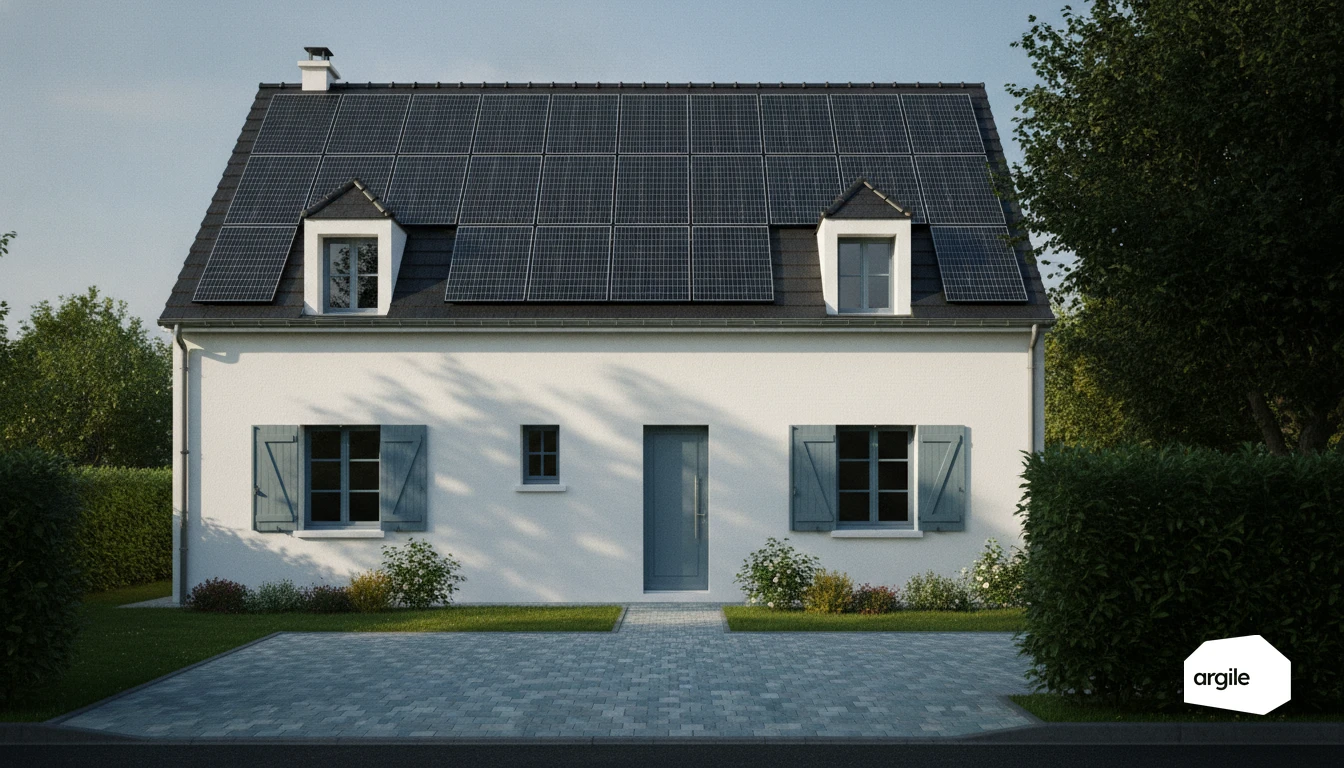
On a solar job, a few degrees can change everything. By fine-tuning panel orientation and tilt right at installation, you secure year-round production with no extra material cost, and the client sees the difference on their bill. And when the roof imposes constraints, you have simple levers to limit losses.
5 min read
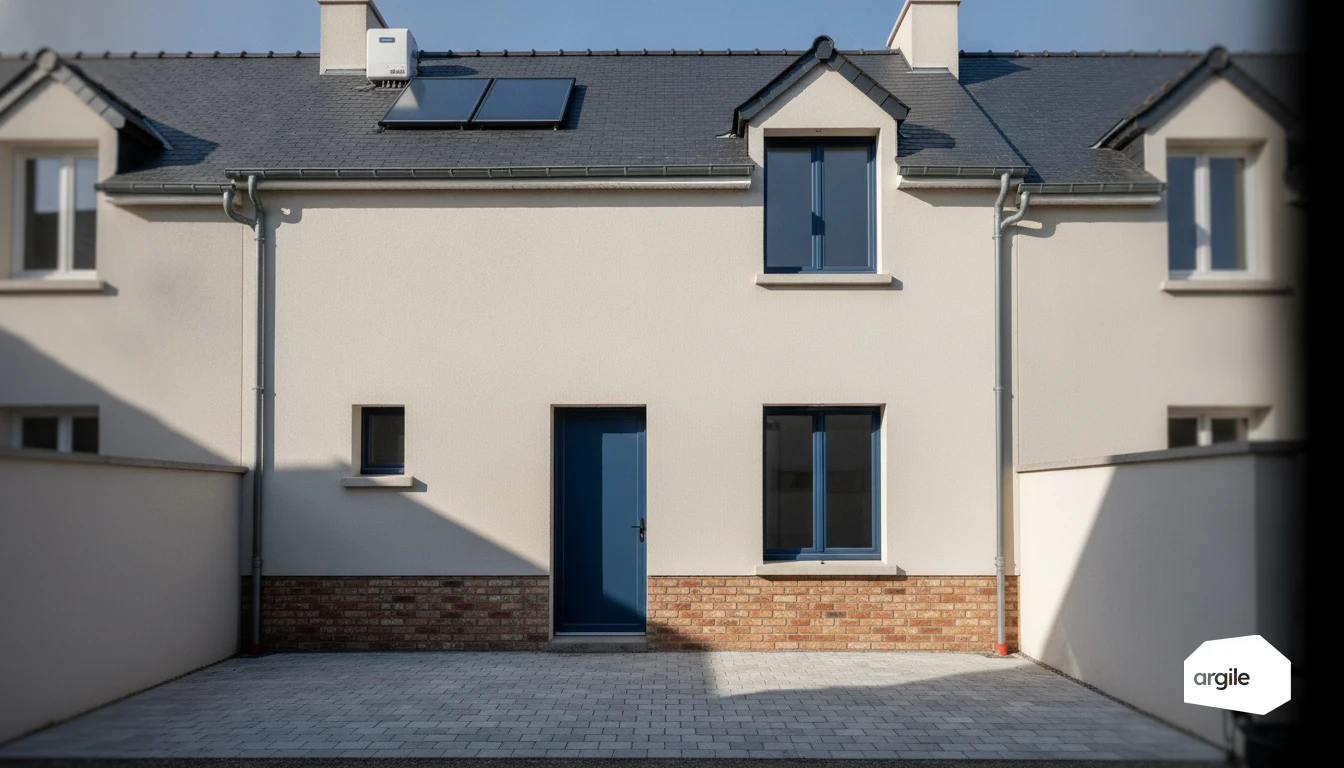
When a client wants to cut their hot water bill without complicating their job, solar thermal remains a solid option. As a tradesperson, what you mainly need is a reliable system that's quick to install and easy to explain, with settings that avoid callbacks. Here we get straight to the practical points to help secure your installs and your margins.
6 min read
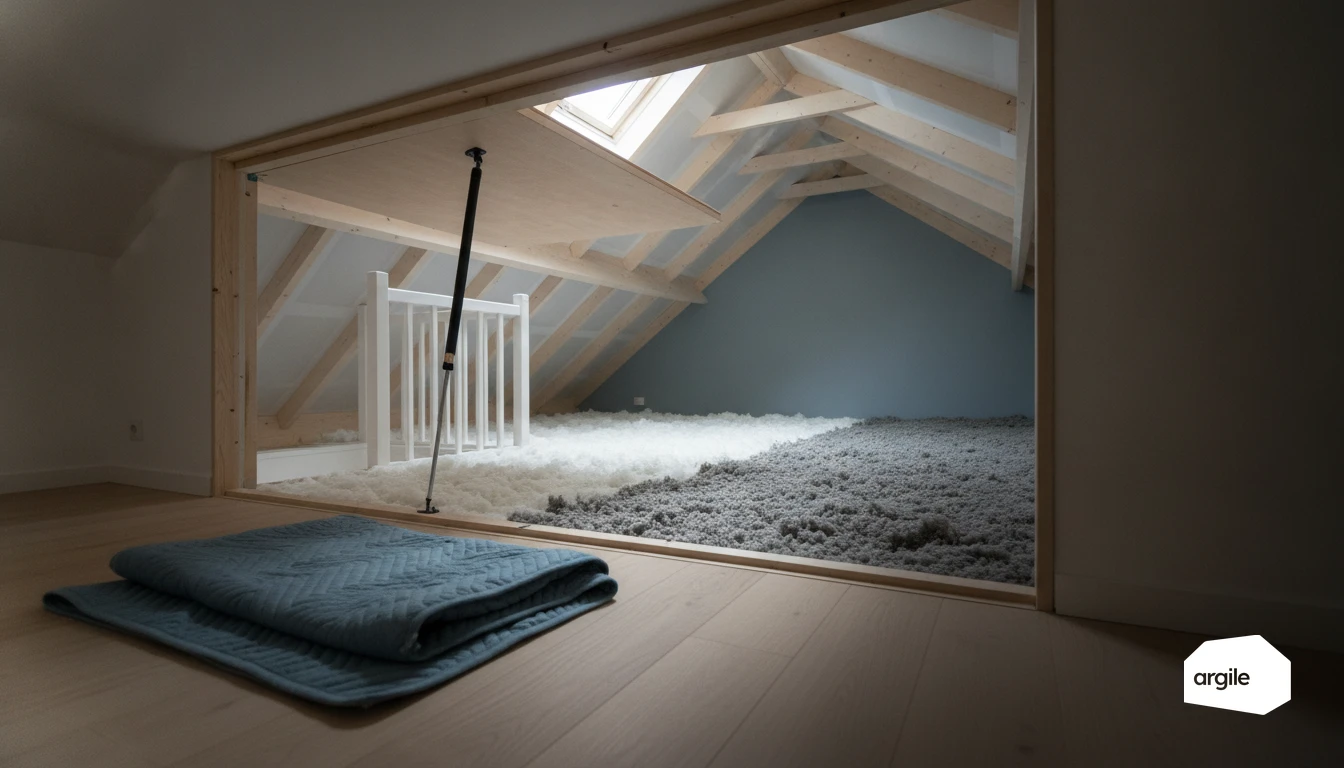
The depth you blow cannot be worked back from a catalogue lambda. With no certified value, the tabulated default for wool blown onto a loft floor is 0.056 W/(m·K), which means 390 mm to reach the R ≥ 7 m²·K/W a funded measure asks for. With a certified product at 0.040, 280 mm does it. Eleven centimetres of difference, purely on the strength of the paperwork.
8 min read
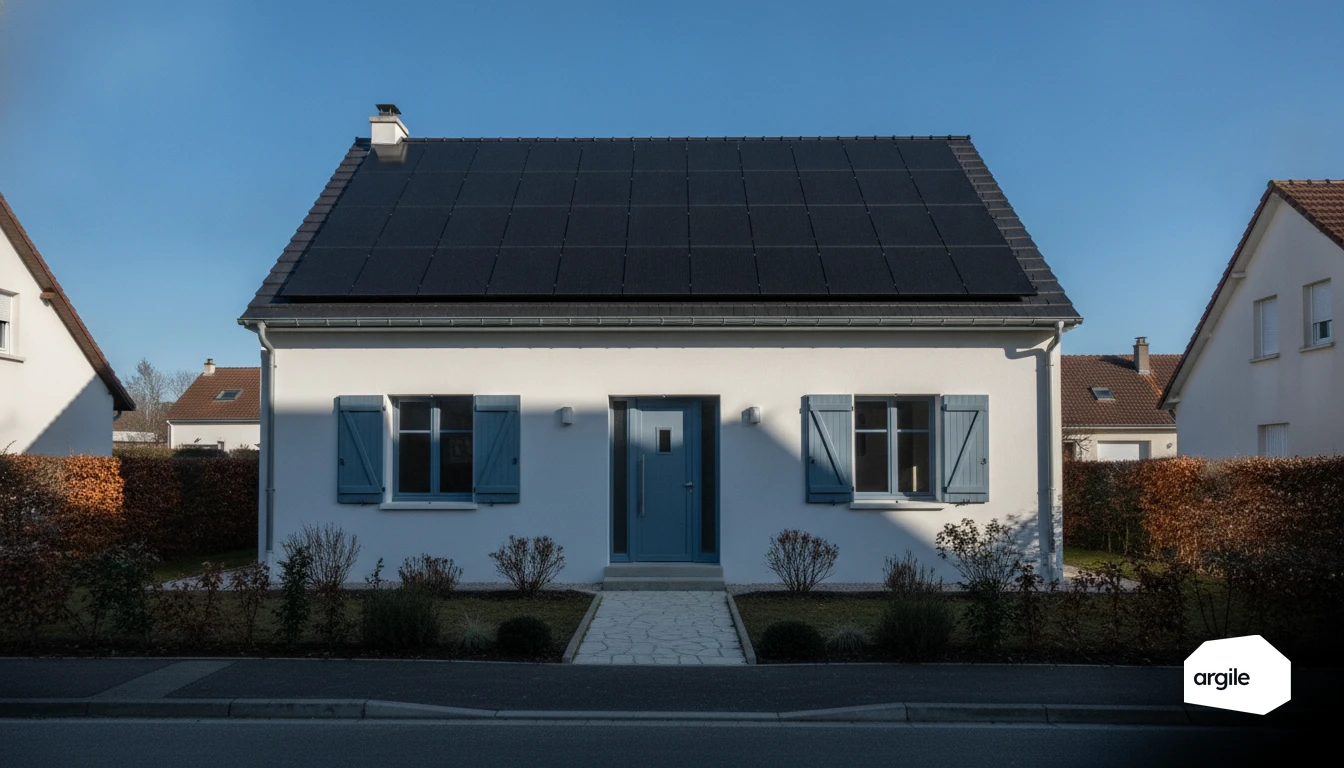
Sizing a solar array for self-consumption comes down to one division: annual daytime consumption divided by the local yield in kWh per kWp. Everything else is the quality of those two terms. The yield comes from PVGIS, not from a national average, because it varies by a quarter between Glasgow and Plymouth. Daytime consumption comes from the half-hourly meter data, not from the annual bill.
6 min read
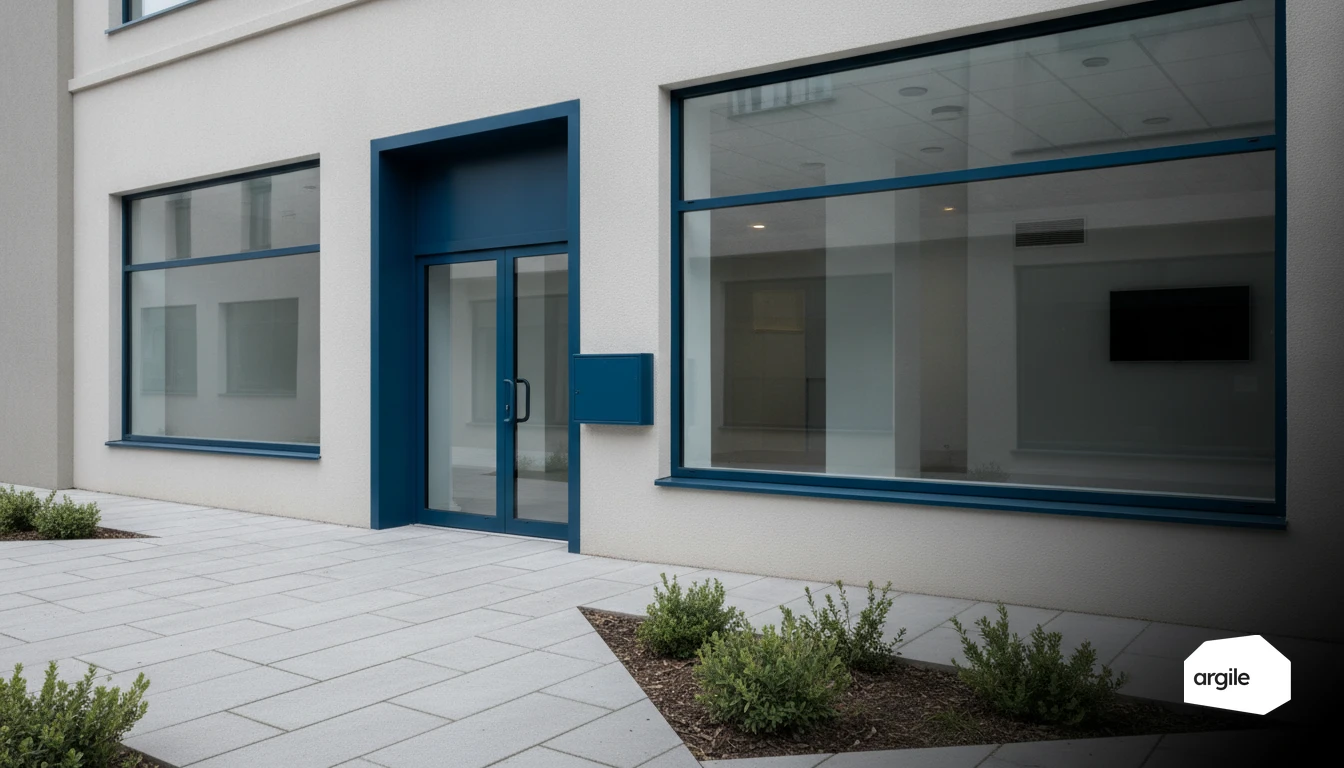
A commercial unit falls under two separate obligations, and they are not triggered by the same criterion. The French tertiary decree applies from 1,000 m² of activity floor area, with annual reporting and a 40% reduction target by 2030. The building automation decree ignores floor area and triggers on installed capacity, catching a 300 m² unit with more than 70 kW of plant.
5 min read
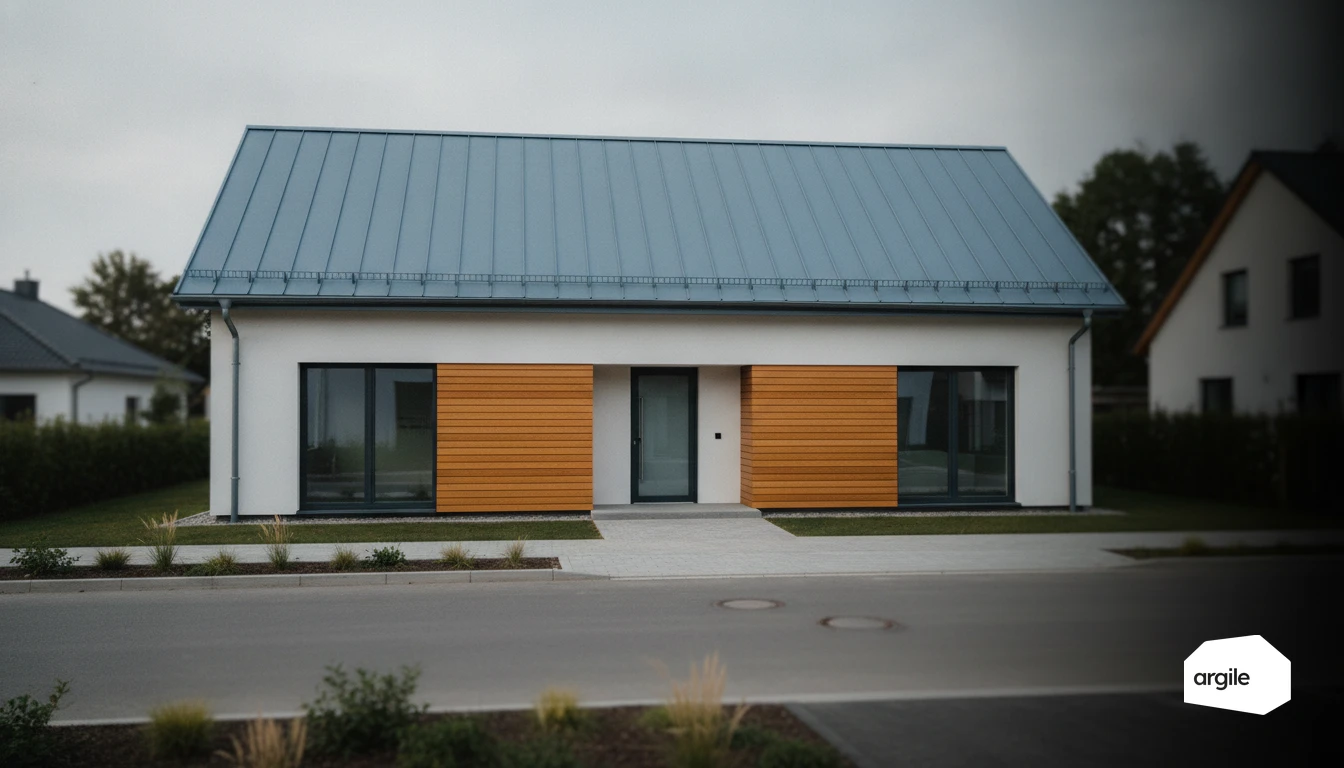
Sarking has no dedicated national standard of its own: it is a proprietary system covered by a technical approval, while the covering above stays governed by the roofing standards. And re-covering a roof triggers the insulation duty of the French decree of 30 May 2016, with a roof pitched below 60° to be brought up to 5.2 m²·K/W in the coldest climate zone.
5 min read

Between selling all your production and using it on site, the right choice often comes down to 3 simple points: your client's profile, their usage patterns, and the actual value of a kWh depending on the time of day. As a tradesperson, you save time by asking the right questions upfront, then costing two clear scenarios, with no vague promises.
4 min read
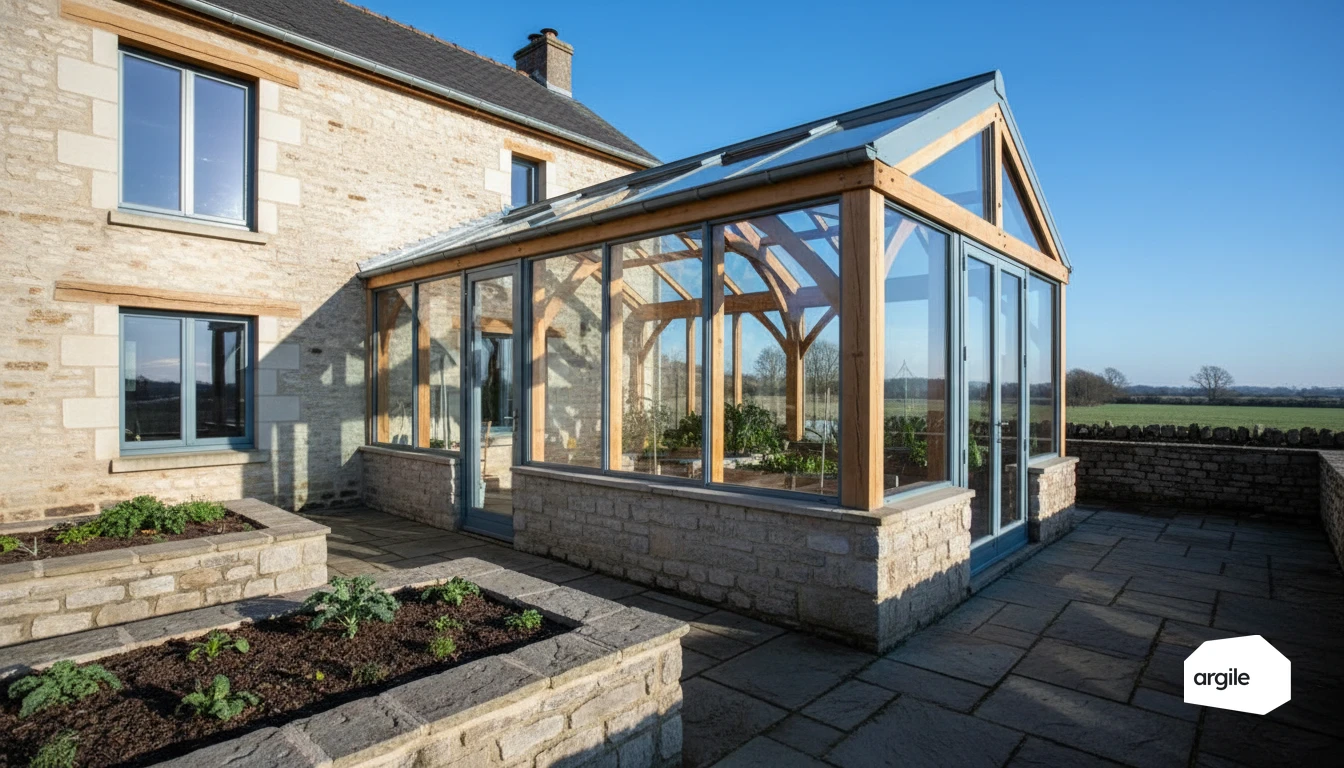
In winter, you're looking for simple ways to gain a few degrees without adding to the bill or complicating the job. A well-designed glazed space, built against the facade, can capture the sun, store some thermal mass and take the load off heating when everything is properly set. It's up to you to turn that space into a real asset, with the right choices for orientation, ventilation and shading.
5 min read
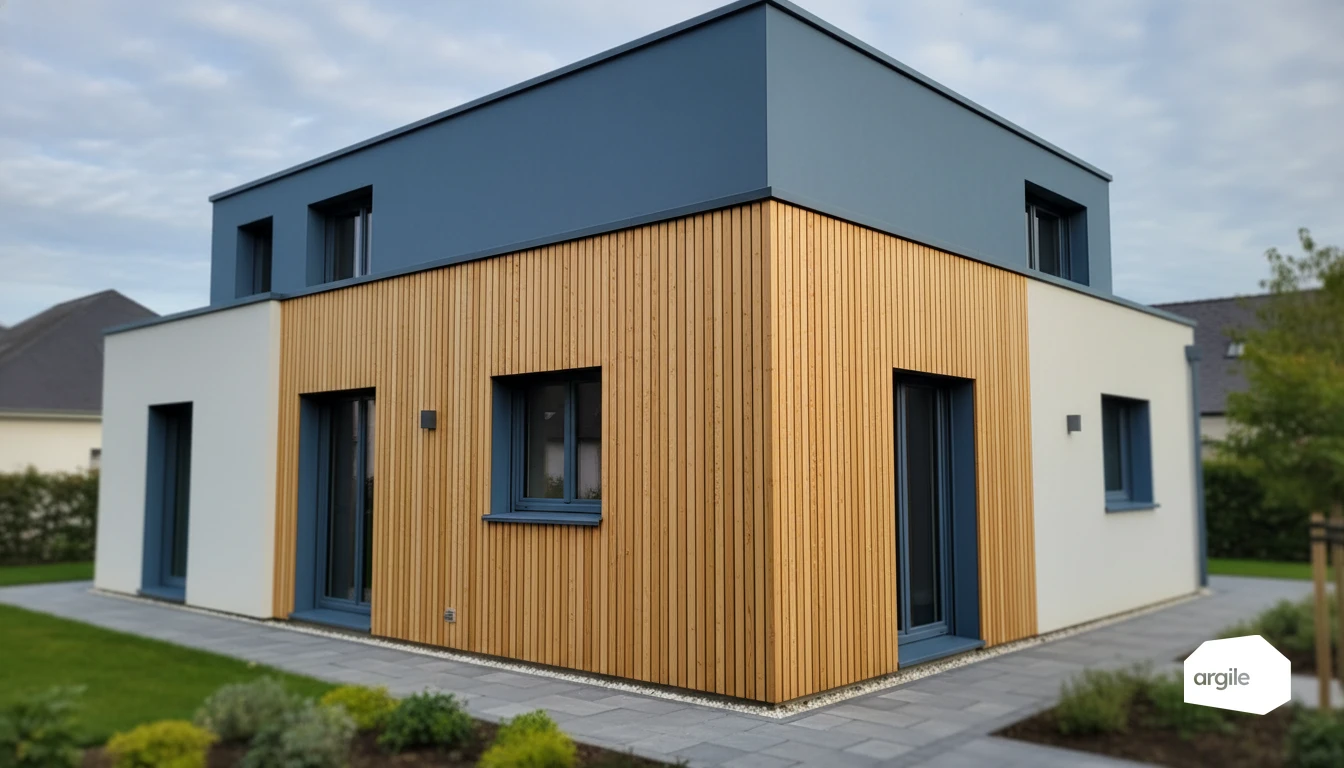
External wall insulation under wood cladding turns on two sets of values, not on the choice of timber species. The first comes from NF DTU 41.2 and fixes the air gap, the ventilation and the framing: it decides whether the façade lasts ten years or comes back as a claim. The second comes from the grant schemes and fixes the thermal resistance of the insulation, with a threshold that changes depending on whether the work is a single measure or a whole-house retrofit.
5 min read
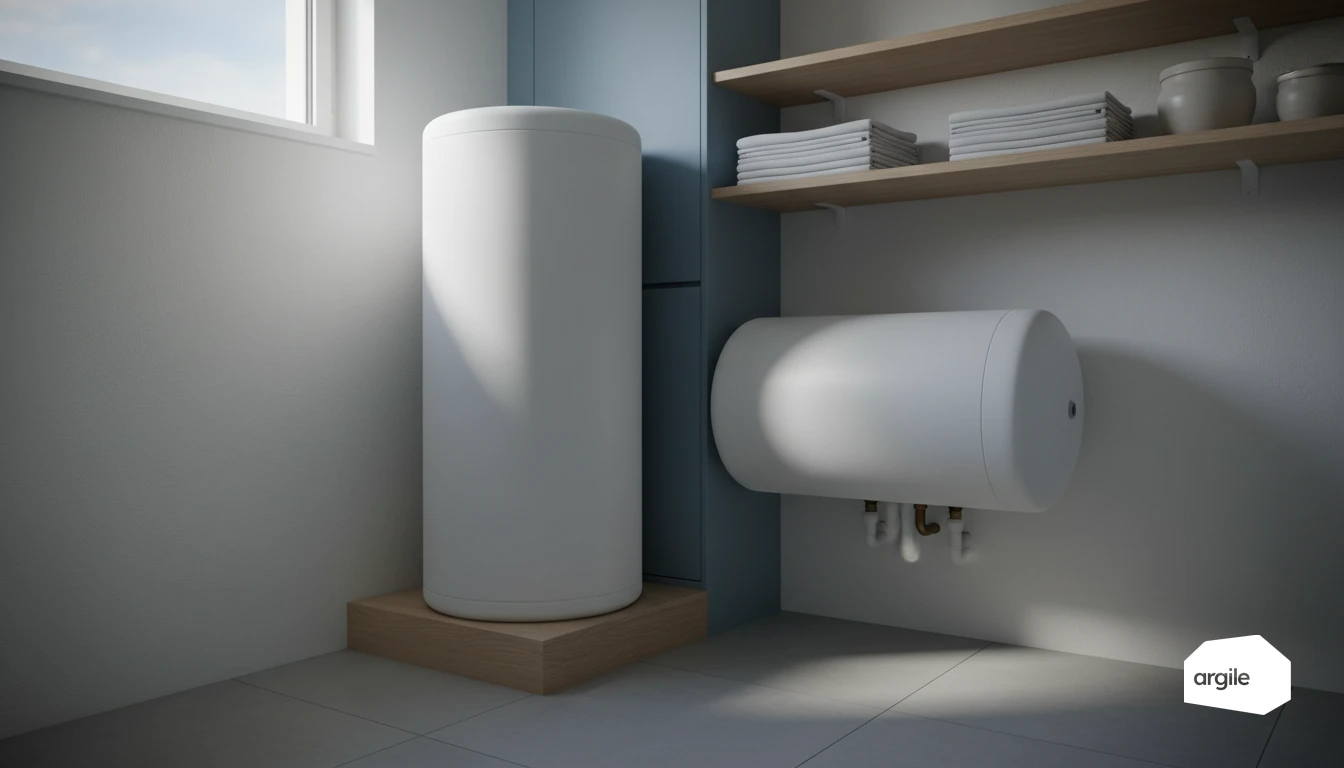
Stratification is not a comfort question, it is what sets the temperature the generator sees at its heat exchanger inlet. The French EPC calculation method puts a number on the effect of cylinder geometry: a loss coefficient of 0.33 for a horizontal unit against 0.20 for a class C vertical, which is 419 kWh a year apart at 200 litres. Here is the physics, the on-site measurement protocol and the settings that destroy the layers.
6 min read
Reveal your expertise
One demo, and you see your expertise proven.
Contact us
