News
Articles by Argile
Regulation, field practice and tools: our analysis to help renovation professionals sell and deliver energy retrofits.

On a job, the right scenario is often the one that holds up on the ground, not the one that ticks every box on paper. With automatic recommendations, you save time sorting through options, comparing impacts, and starting right away with a clear pathway suited to the building and the client's budget. That means more secure proposals, and faster progress without getting bogged down in settings.
5 min read
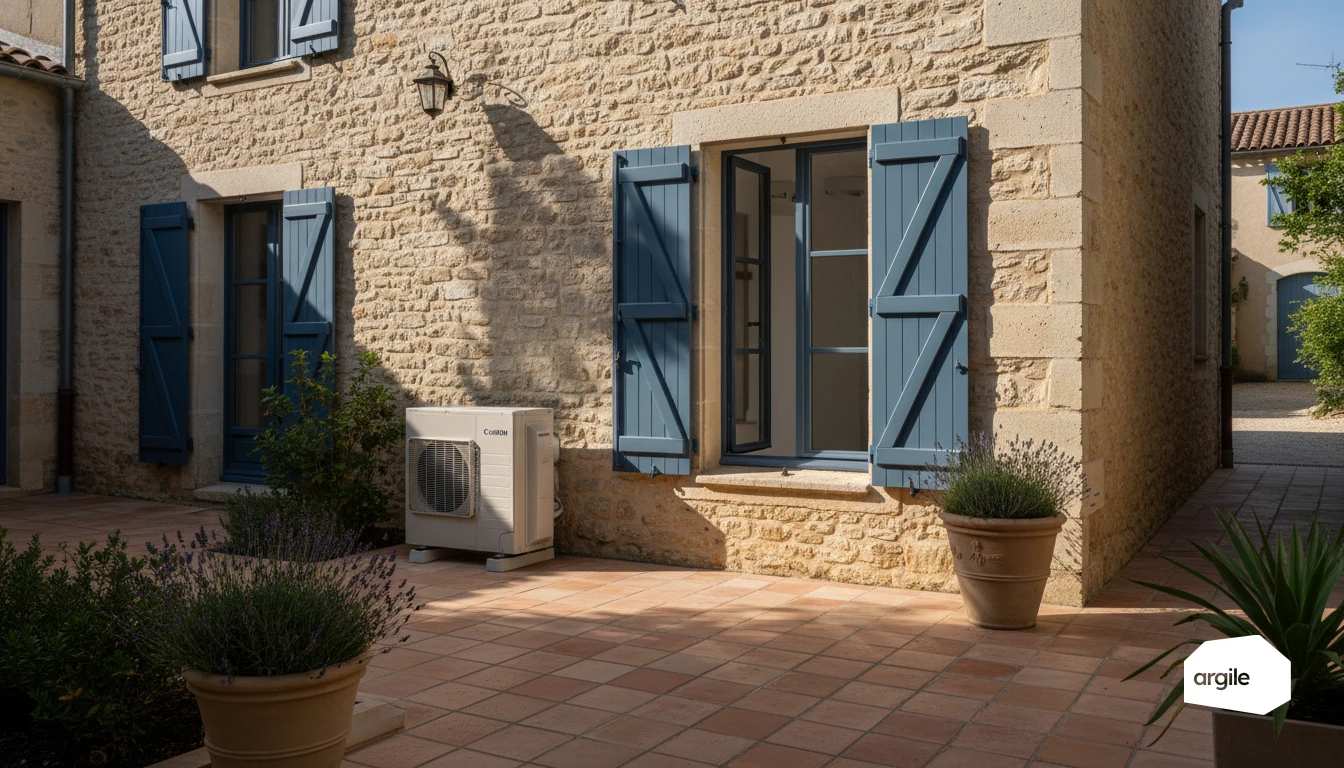
A ducted system comes down to three things the client never sees: the room-by-room heat-loss calculation that sets the flow rates, the acoustics at the diffuser, and access in the roof space or dropped ceiling for maintenance. Miss one of the three and handover turns into callbacks. Here is what you record on the technical visit, what you write on the quote, and what you log in the commissioning report.
10 min read

A heat-loss survey does not produce an opinion about a dwelling, it produces a number: the heat loss D of the heated volume at the base temperature, in watts. That number then governs the admissible output of the machine, and a note that does not present it room by room is worthless in a dispute. Here are the terms to calculate, the three formulas, and the mistakes that skew the total.
8 min read
Useful output comes from a single relation: P (kW) = 1,163 × flow rate (m³/h) × ΔT (K). The whole job is making that measurement usable, which means working at a ΔT large enough that sensor uncertainty does not swallow the result, and placing the measurement at the right point of the circuit.
5 min read
A poorly treated thermal bridge is often just a few metres of junction ruining an otherwise good insulation job. On site, knowing how to estimate these losses in the right place helps you prioritise rework, justify a solution, and avoid bad surprises at the airtightness test. With a simple method and clear orders of magnitude, you save time and credibility with the client.
5 min read
The pie chart everyone quotes, roof 30%, walls 25%, has circulated for twenty years without a traceable publication behind it. The distribution the French agency publishes today, computed on its own EPC observatory, says something else: walls 31%, air renewal 27%, roof 9%. What matters on site is knowing which one you are quoting, and which calculation you are committing a heat output to.
5 min read
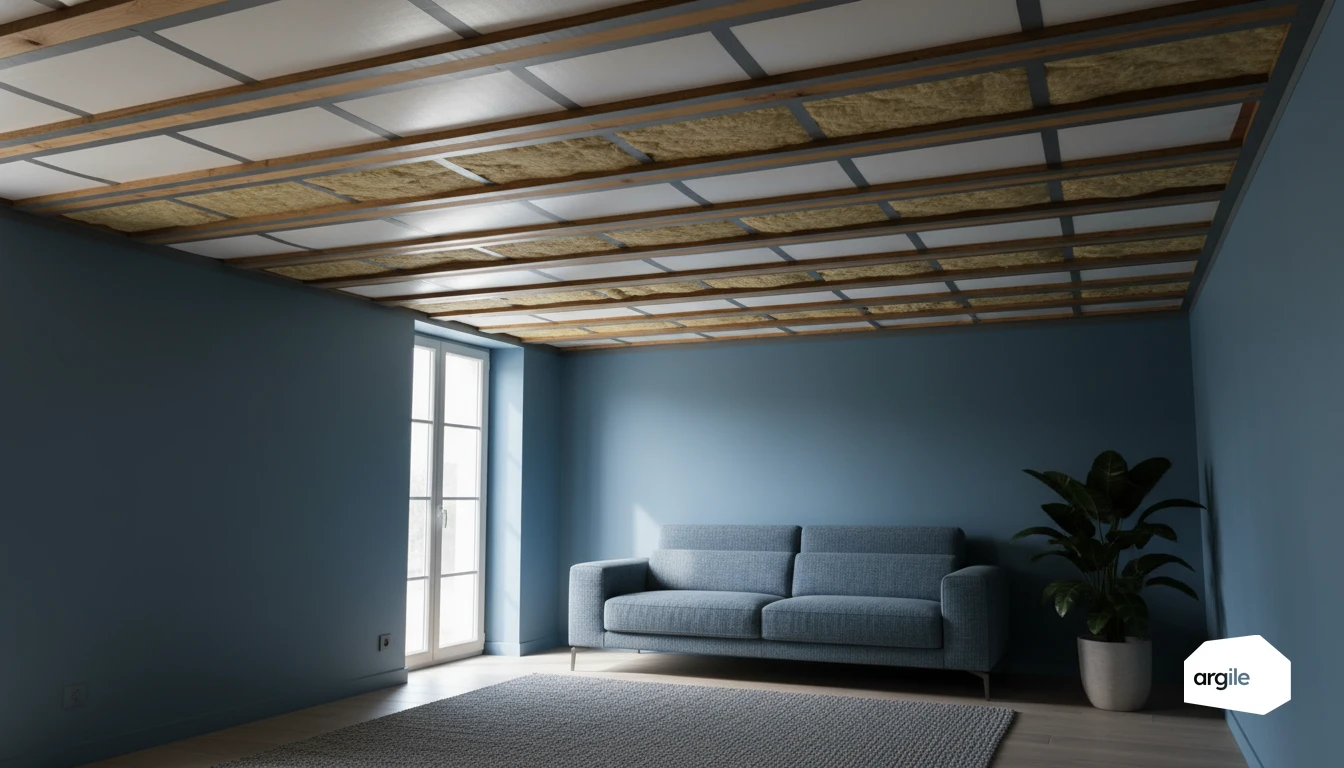
Insulation between the joists of a ground floor targets R ≥ 3 m².K/W, the threshold of the French CEE sheet BAR-EN-103, i.e. 105 to 120 mm of mineral wool. Yet the joist remains a thermal bridge: at 60 cm centres it adds roughly a quarter to the losses, which only a continuous layer under the joists recovers. The vapour control layer always goes on the warm side.
7 min read

A thermal energy meter never measures heat. It measures a volume and a temperature difference, then multiplies both by the thermal coefficient of water. It is also a legally controlled instrument, built from three sub-assemblies that each carry their own permissible error under EN 1434 and MID annex MI-004. Here is the measuring chain, part by part, and what throws it off.
5 min read
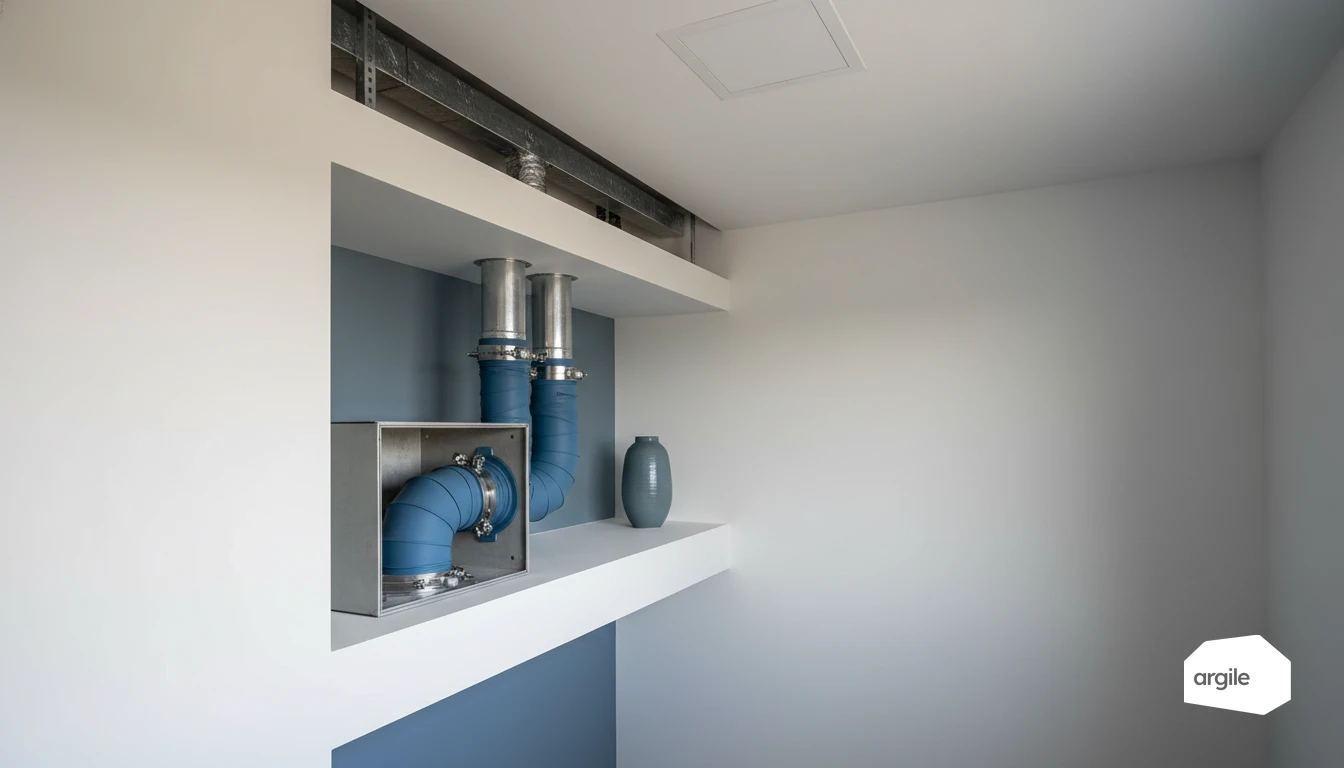
NF DTU 68.3 imposes no airtightness class at all on dwelling ventilation ductwork. What it imposes is a leakage allowance to be built into the sizing, and a threshold beyond which an existing network cannot be reused. Knowing which one applies changes what you write in the quote and what you measure at handover.
5 min read
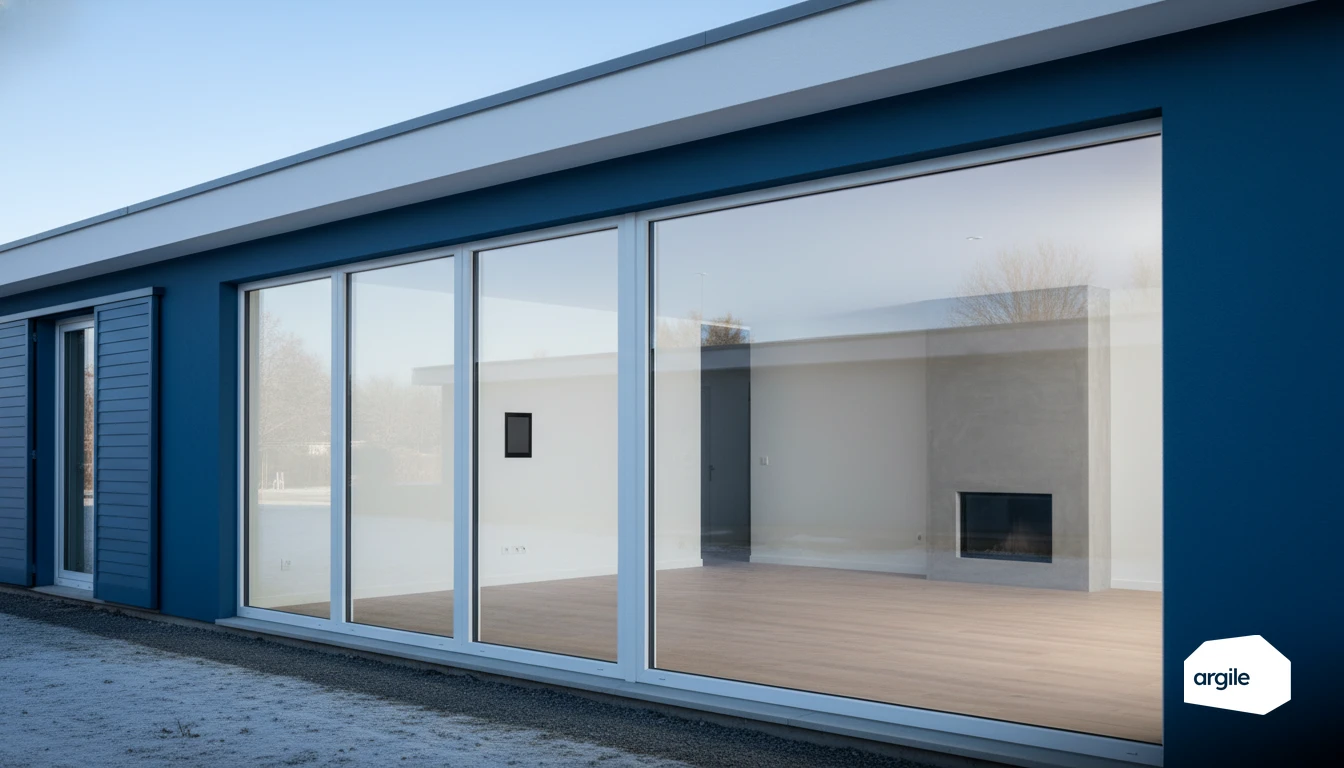
Between occupant comfort, rising bills and callbacks, the question of the right setpoint keeps coming up. As a tradesperson, what you really need is a simple benchmark, but one based on the actual home, its insulation and heating system, not a magic rule. With a few quick checks, you can protect comfort and avoid unnecessary overconsumption.
5 min read
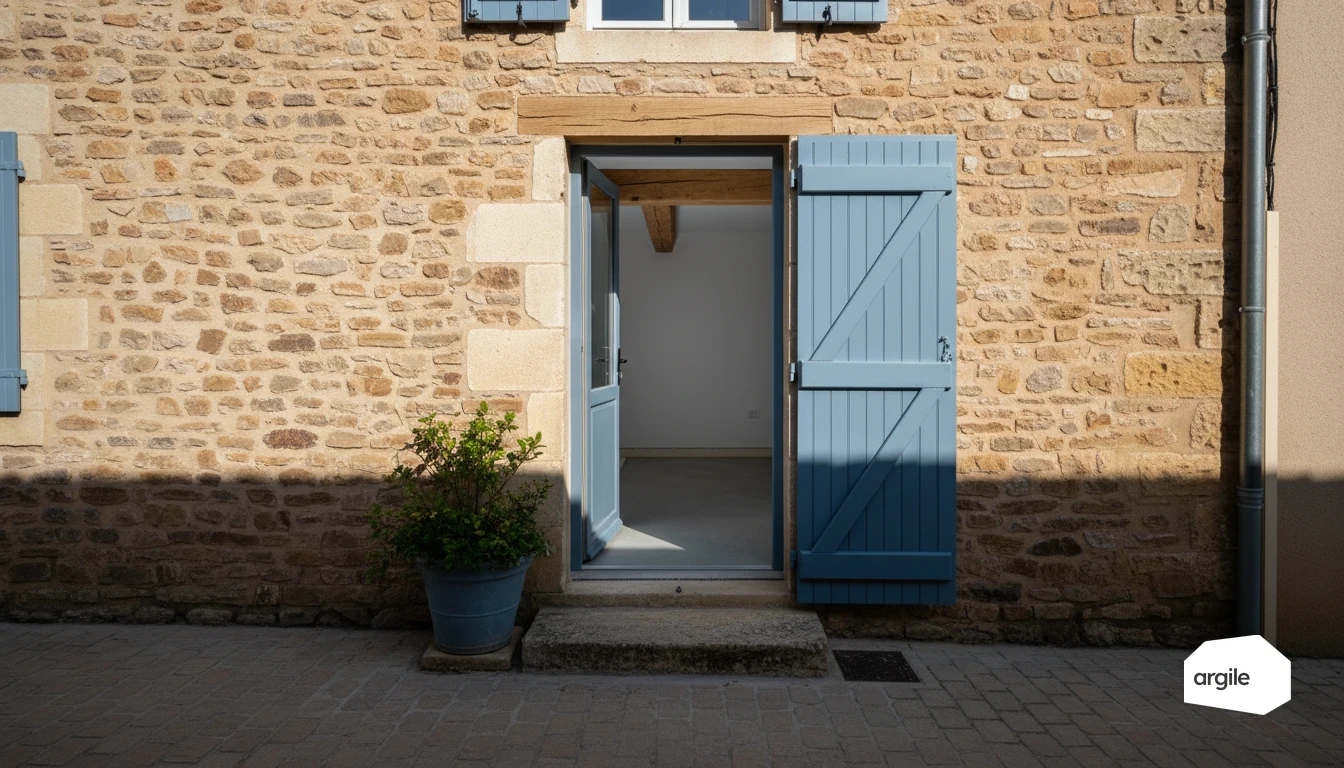
Reaching R = 3 m².K/W, roughly what a 0.25 W/m²·K ground-floor target needs, takes 7 to 12 cm of insulation depending on lambda, under the slab in new build or over it in a retrofit. When a slab-on-grade floor stays cold, it's often what's dragging down comfort and running the heating longer than it should. In a retrofit, insulation is also decided by site details: substrate preparation, perimeter continuity, moisture management and thermal bridges. With a clear method and the right materials, you secure performance and avoid costly rework.
10 min read
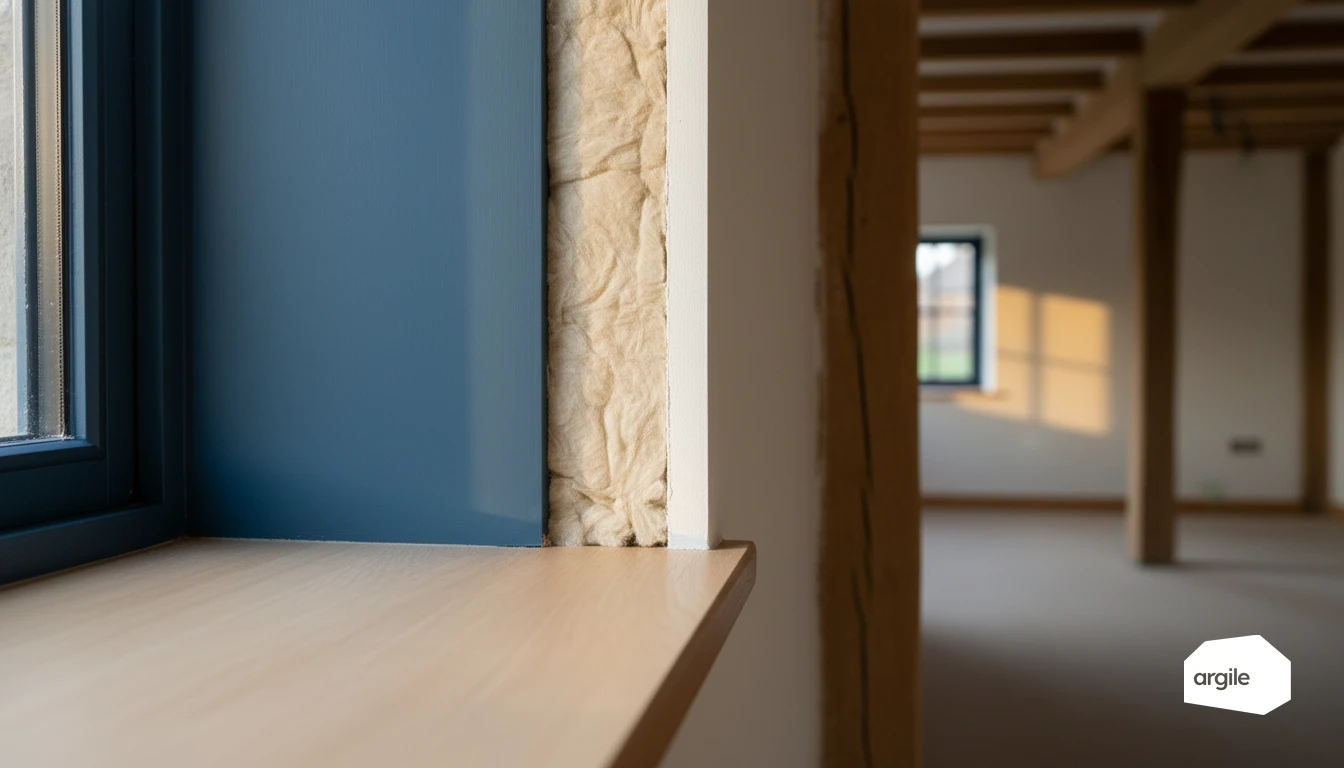
On a job site, a few extra or fewer centimetres can change everything. Your job is to find the sweet spot between real gain, budget, and installation constraints, without oversizing just to "do better." Here we help you decide quickly and cleanly, with a field method that also speaks to the client.
5 min read
Reveal your expertise
One demo, and you see your expertise proven.
Contact us
