News
Articles by Argile
All our articles in the “Energy renovation” category.

A heat pump's ETAS (ηs) is its seasonal efficiency expressed in primary energy, under Regulation (EU) No 813/2013: for an air-to-water unit, ηs = SCOP / 2.5 × 100 − 3. The French CEE sheets BAR-TH-171 and BAR-TH-172 require at least 126 % at low temperature (35 °C) and 111 % at medium or high temperature (55 °C), read under the average climate on the heat pump alone.
9 min read
On a job site, the structure carries a lot of weight in the carbon footprint. Yet you can make real gains without upending your habits, by working the mix design, the additions and the right execution choices. The right reflex is to think it through as early as the pricing stage: what volume, what performance, and where it really counts.
5 min read
Between new ecodesign requirements and product data sheets that keep getting stricter, you need clarity to offer compliant heat generators without wasting time on back-and-forth. We sort out what actually changes on the job, from performance thresholds to labelling, to de-risk your quotes and avoid bad surprises at handover.
5 min read
On a job site, you see it right away: a glazed wall can be beautiful, but it can also let cold in during winter and cause overheating in summer. So-called "low-emissivity" treatment offers a simple answer: an almost invisible layer that sends heat back the right way, without changing the light. For you, it's a concrete lever to improve comfort and secure the performance figures you've promised the client.
5 min read
When you add a recirculation loop to the domestic hot water (DHW) system, your clients gain comfort, and you gain peace of mind on callbacks. But that continuous circulation can also push up losses in the pipework, especially if insulation and control are rough. Getting the setting right is often just a few hours of fine-tuning to stop kWh leaking into the walls.
5 min read
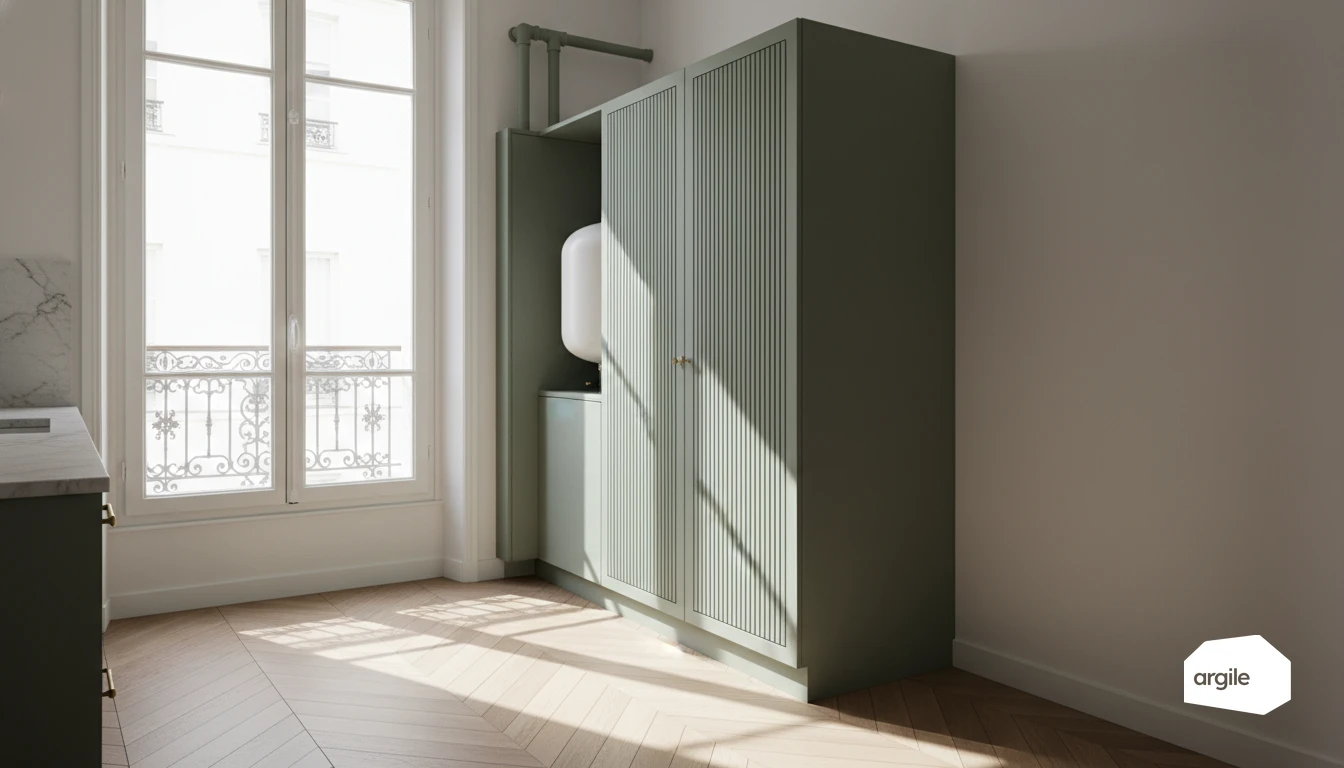
In an apartment building, hot water is not a detail. It is a line item that weighs on the bill and quickly triggers calls when it runs short. In centralised collective systems, production backed by solar energy can really make a difference, provided you size it correctly, connect it properly, and plan operation from the start.
5 min read

In an apartment building, measuring heat "as fairly as possible" on paper is tempting. On the ground, these small devices can quickly become a source of disputes, between poorly balanced radiators, airing habits, and insulation work that varies unevenly from one home to another. It is well worth knowing their limits so you can explain things simply, make the right diagnosis, and avoid bad surprises at the end of the heating season.
5 min read
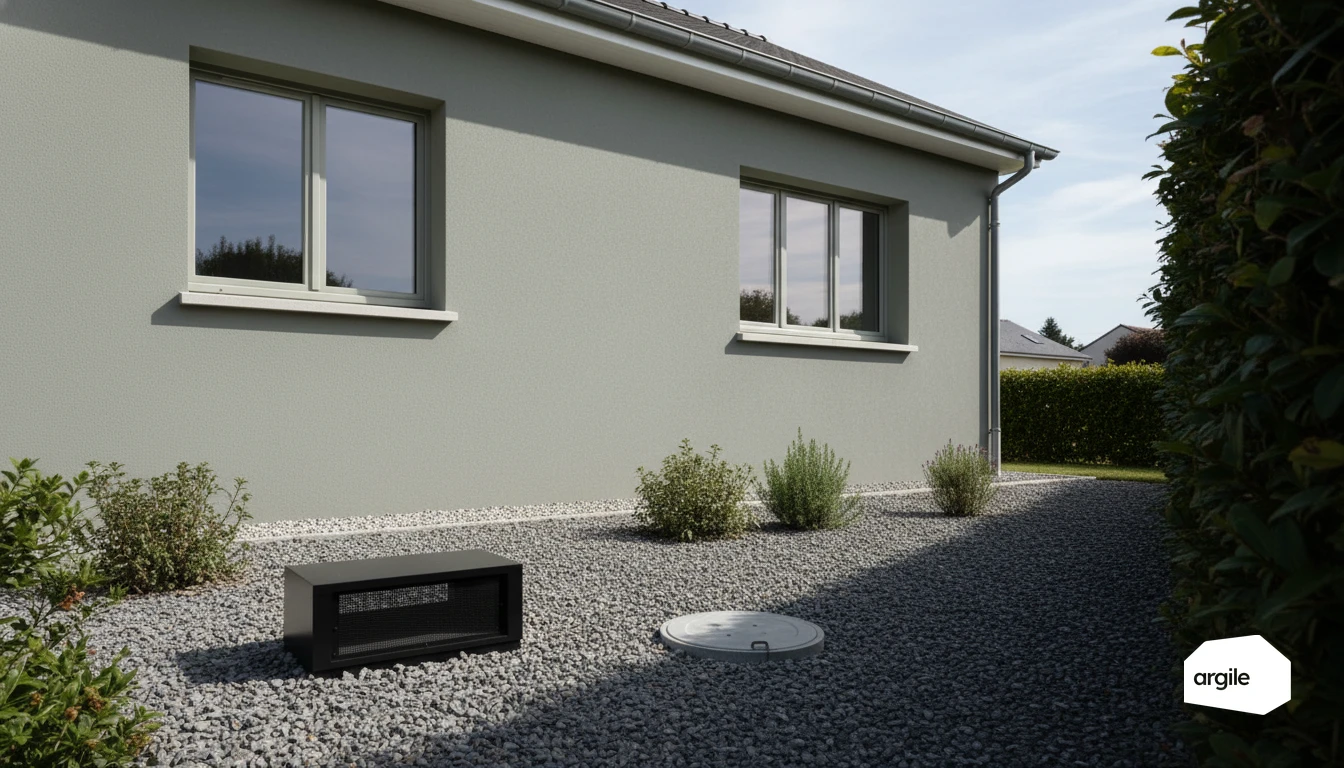
On site, the air-ground exchange can improve summer comfort without blowing the budget, provided you don't get the airflow, length and duct installation wrong. As a tradesperson, you have everything to gain by framing the sizing from the quote stage and anticipating the field lessons that make the difference: moisture, cleaning access, slopes, and drainage quality.
6 min read
The reference figure for domestic hot water consumption is not a sales estimate. The French 3CL-DPE 2021 method uses 56 litres per person per day at 40°C for conventional behaviour and 79 litres for heavy use. The instrumented ADEME and COSTIC monitoring campaign lands on the same measured average, with a standard deviation of 23 litres.
5 min read
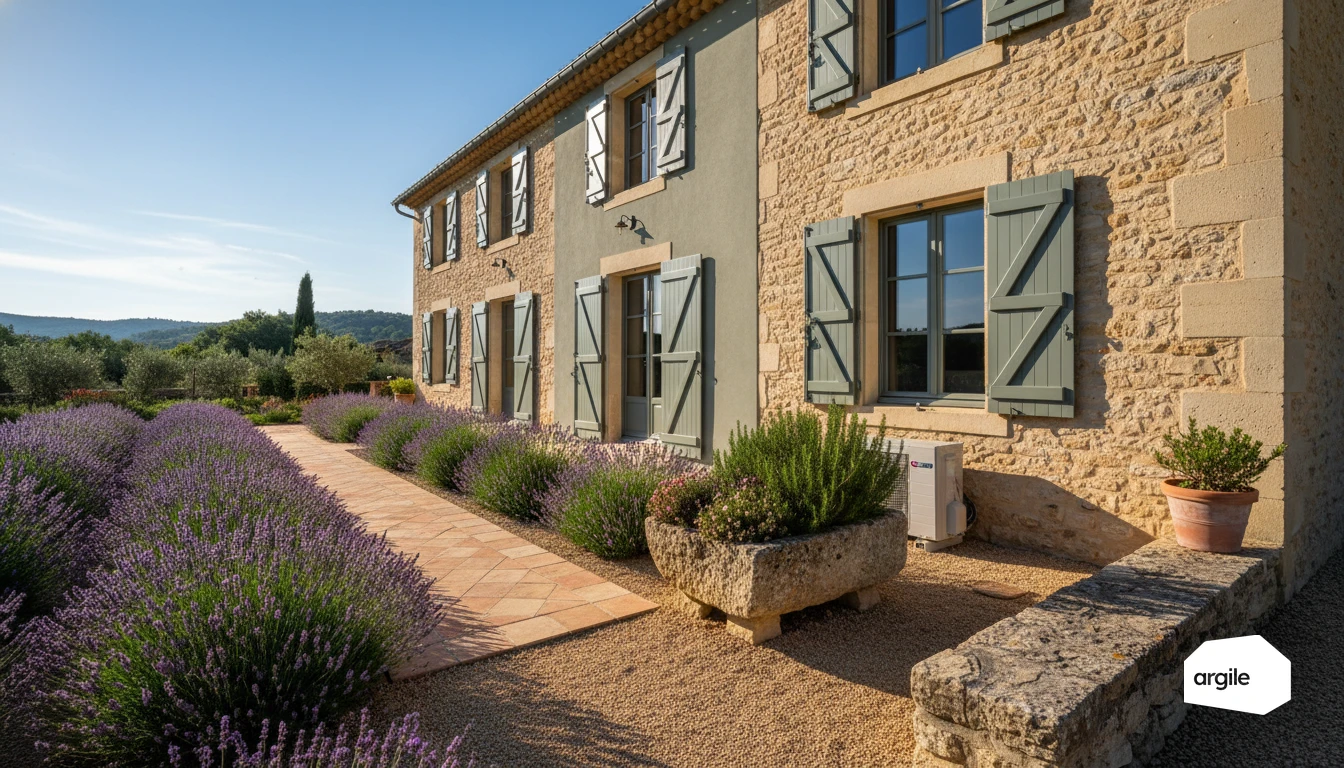
Between shifting prices and uncertain supply, your projects are no longer just a technical matter. In renovation, every decision on insulation, heating, or ventilation can reduce dependence on imported energy and protect your clients' bills. It's up to you to turn this geopolitical context into concrete work, easy to explain and profitable to carry out.
5 min read
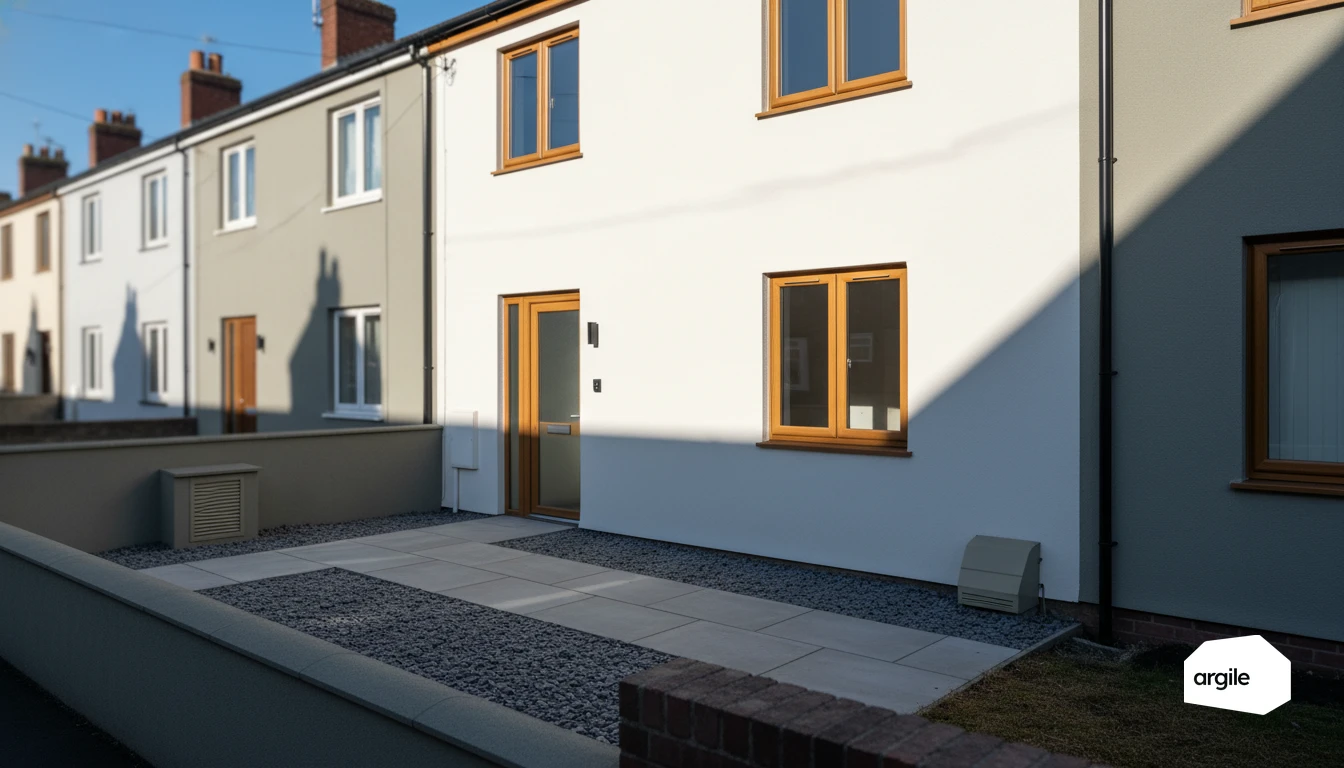
When you're looking to improve comfort without pushing up the bill, the ground can become a real ally. By routing fresh air through a buried duct, you temper it before it enters the building, which helps smooth out cold and heat peaks. The result is a solution that's simple to explain to the customer, provided you take care with the layout, drainage and maintenance from the job-site stage.
5 min read
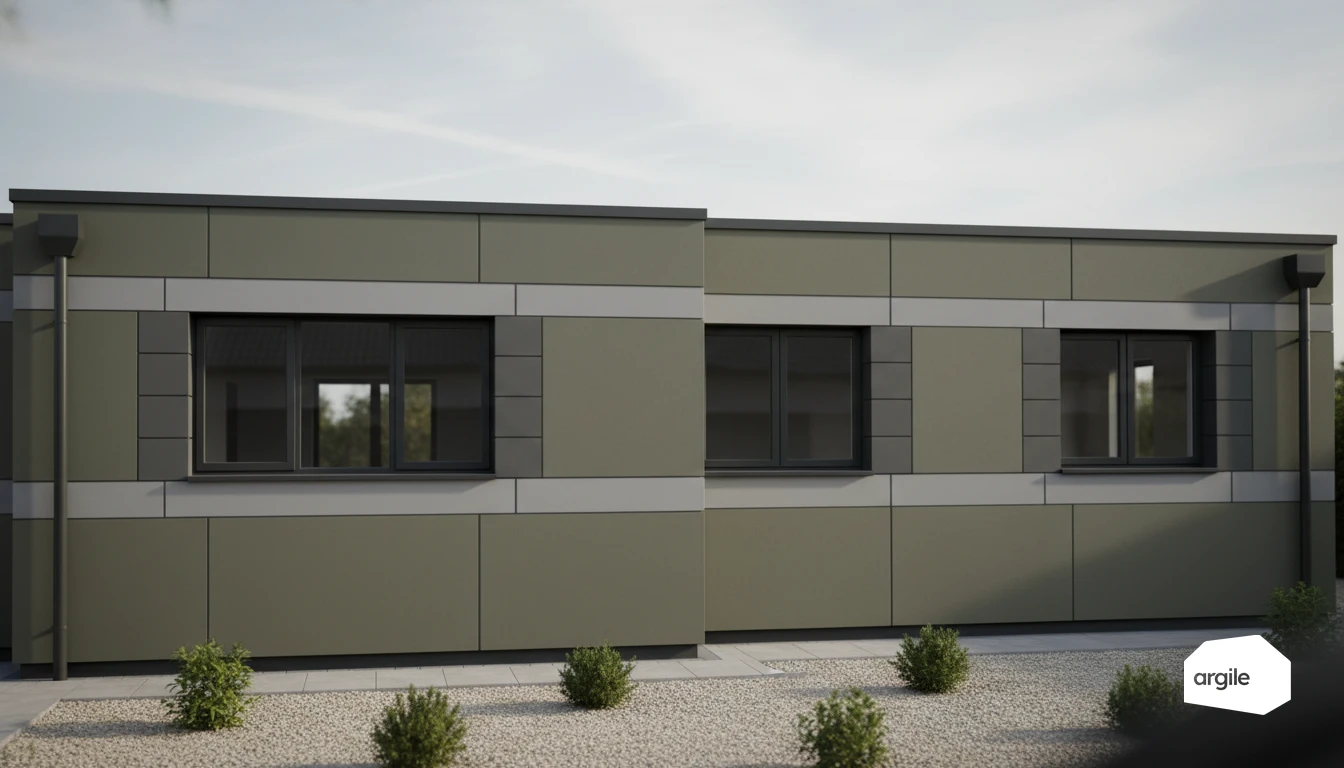
On a facade, external thermal insulation (ITE) changes everything, including fire behaviour. As a tradesperson, you need to secure the job from the design stage onward, material choices, critical junctions, continuity, and how penetrations are treated, to stop a fire from spreading through the building envelope. With the right rules and the right reflexes, you gain in compliance, peace of mind and quality of installation.
5 min read
Reveal your expertise
One demo, and you see your expertise proven.
Contact us
