News
Articles by Argile
All our articles in the “Contractors” category.
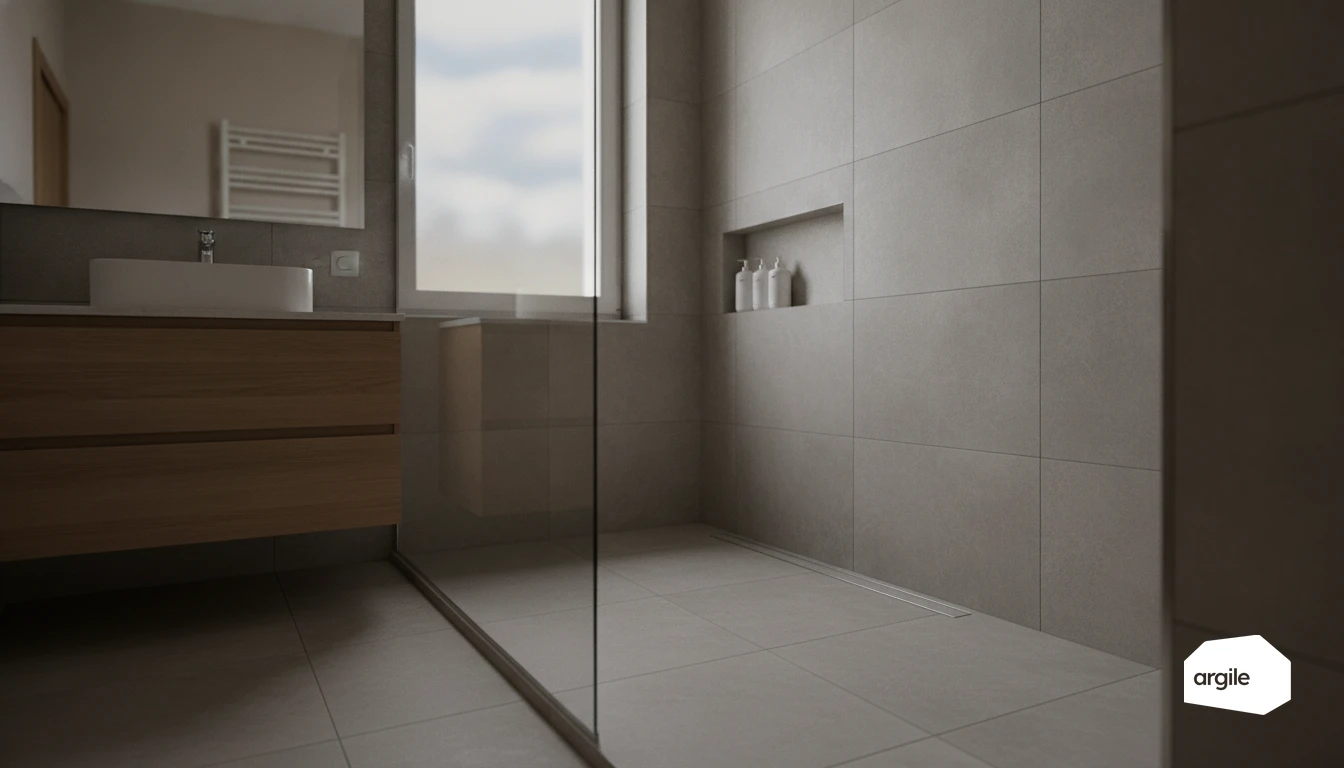
In renovation, a level-access shower comes down to two unforgiving points: slope and waterproofing. As a tradesperson, you save time and avoid call-backs when you secure the substrate, upstands, and critical details around the drain from the outset. Good layout and the right products, installed in the right order, make the difference between a smooth job and a claim.
5 min read
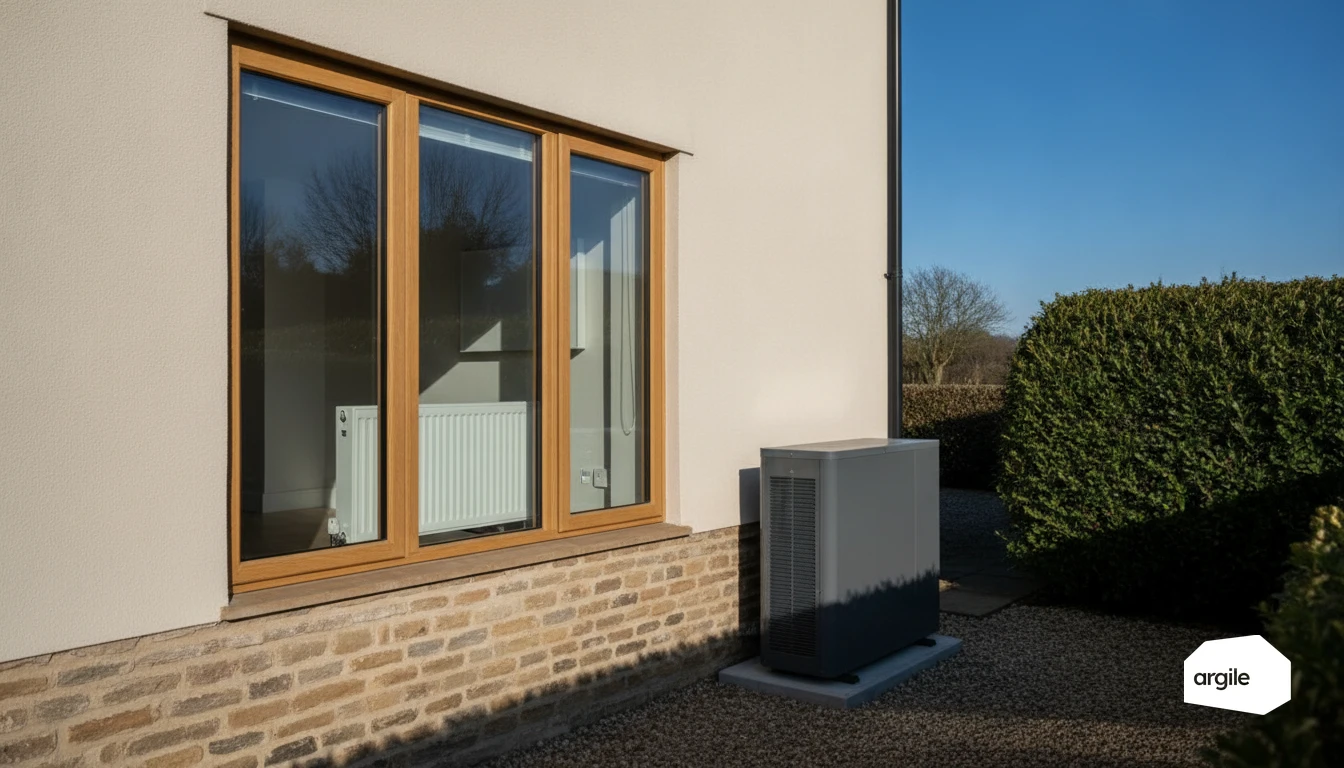
In the field, your clients want comfort in summer and winter, and you need to decide quickly between a solution that blows air and another that feeds a water circuit. Price, installation constraints, noise, outdoor space, compatibility with existing emitters, everything matters. By clarifying these rules upfront in the quote, you secure the job and avoid nasty surprises at commissioning.
5 min read
Good heating control is no longer just a fixed setpoint. On the job site, you can offer settings that adapt to the household's rhythms, free heat gains and weather variations, improving comfort without overconsuming. Understanding how the device "learns" and what data it uses helps you avoid vague promises, ask the right questions to the client and secure the commissioning.
5 min read

Renovating an old building tied to local history is a project where every choice matters. You need to gain comfort and energy efficiency without betraying the character of the place, or getting bogged down in unnecessary details. With a clear method and the right materials, you move fast, cleanly, and secure the result.
5 min read

On a job site, choosing the insulation under the roof covering isn't just a technical question. You're the one who has to decide between thermal performance, moisture management, available height and ease of installation, without overcomplicating things. With the right approach, you secure comfort in both summer and winter, and you avoid the problems that come back to cost you.
5 min read
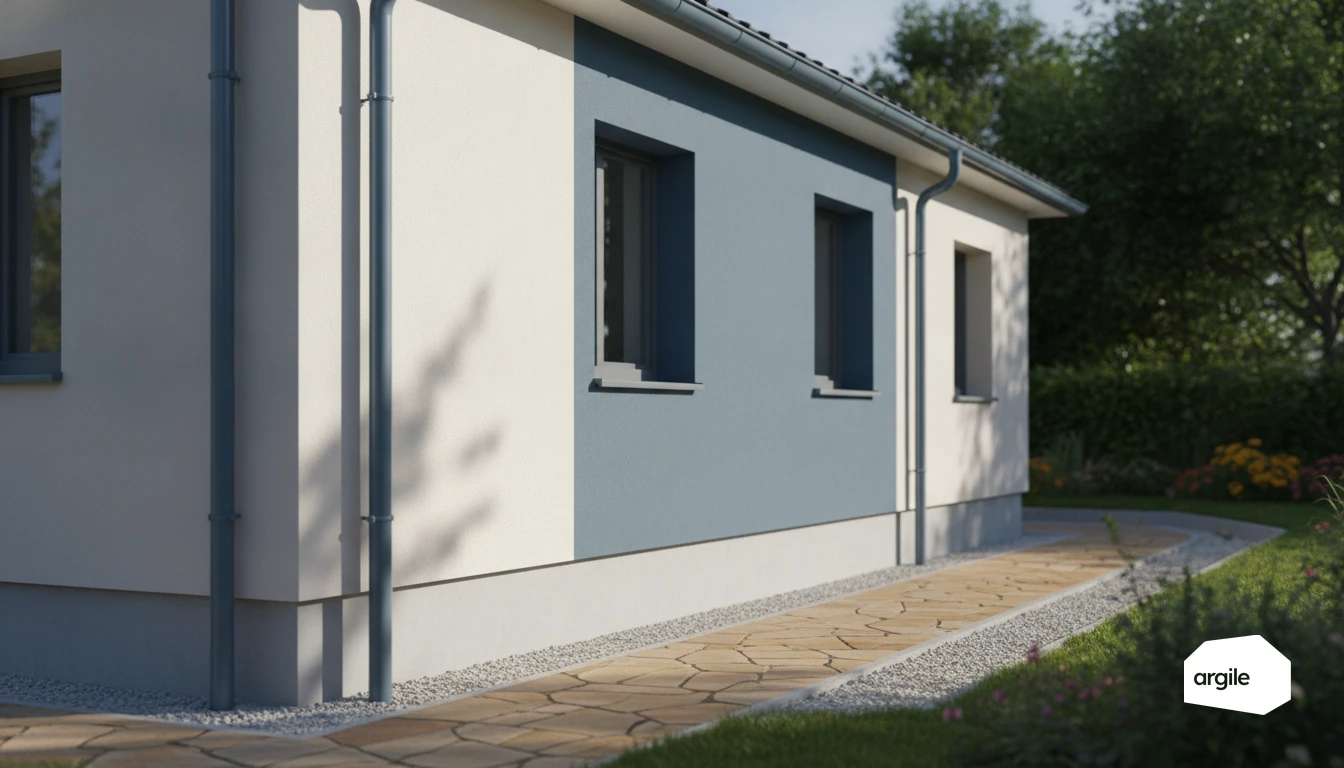
Render-on-insulation systems sit under no British Standard code of practice of their own: the dimensions come from the system's own certificate, and the regulatory floor comes from Approved Document C. A damp-proof course at least 150 mm above adjoining ground, cavity trays with weep holes every 900 mm, and an exposure zone read off BS 8104 before the build-up is chosen.
6 min read
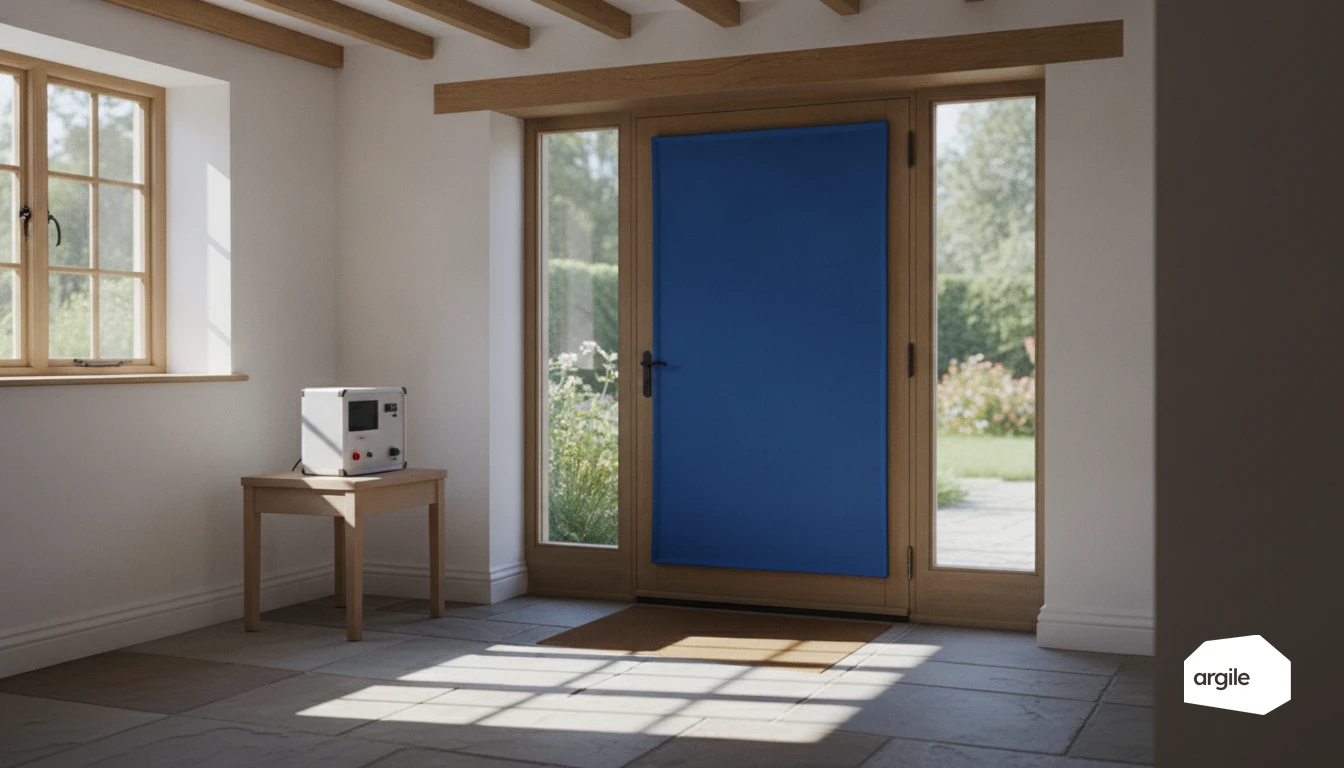
Air leakage testing is judged on an enforceable figure, not on a draught: 0.60 m³/(h·m²) of heat-loss envelope for a detached house, 1.00 for multi-unit housing, under article 19 of the French order of 4 August 2021. Two uplifts can move that target, sampling and works still to come after handover, and both are settled on site rather than in the report. Here are the thresholds, the corrections, and the report to demand from the tester.
5 min read
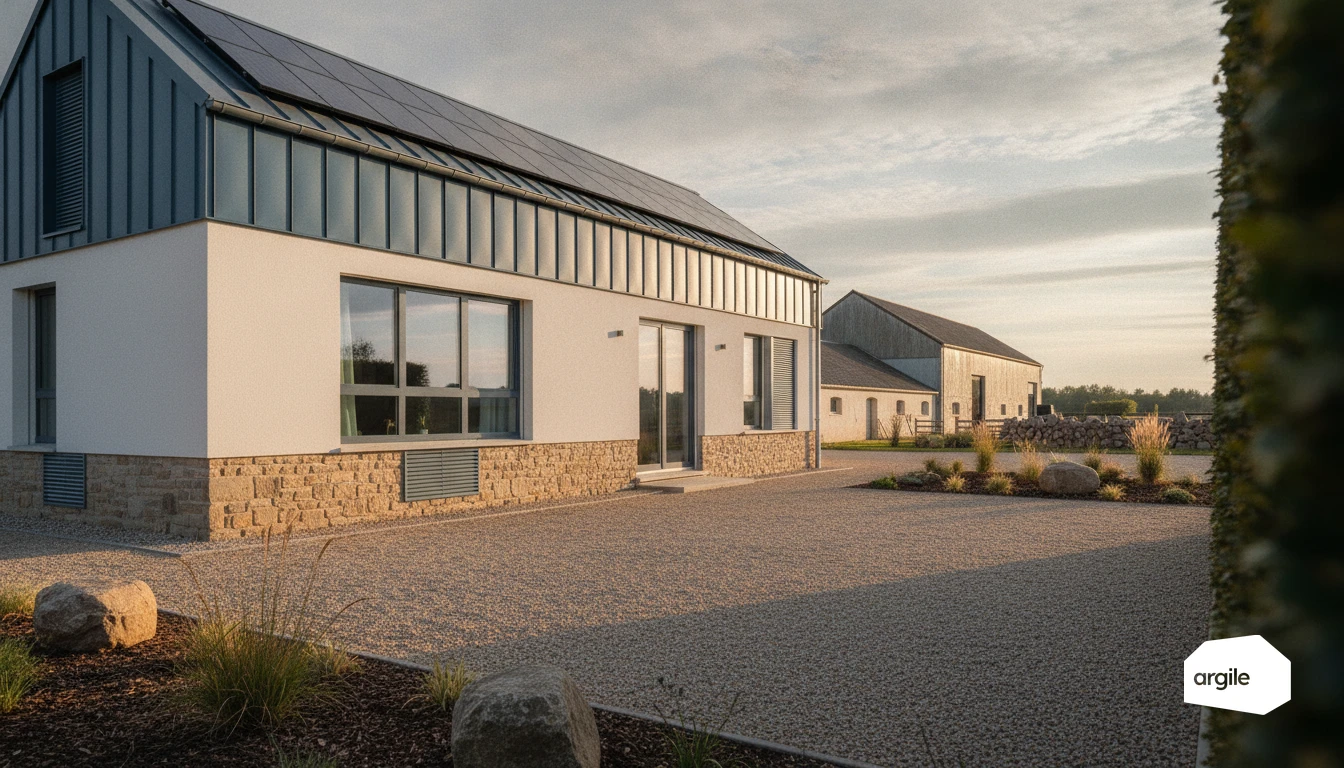
An agricultural building conversion is settled by two texts before it is settled on site: article L. 151-11 of the French planning code, which governs change of use in agricultural and natural zones, and the decree of 30 May 2016, which triggers insulation duties as soon as space is converted to habitable use. Here are the binding thresholds, the thermal resistances to hit, and what the survey has to record before any pricing.
5 min read
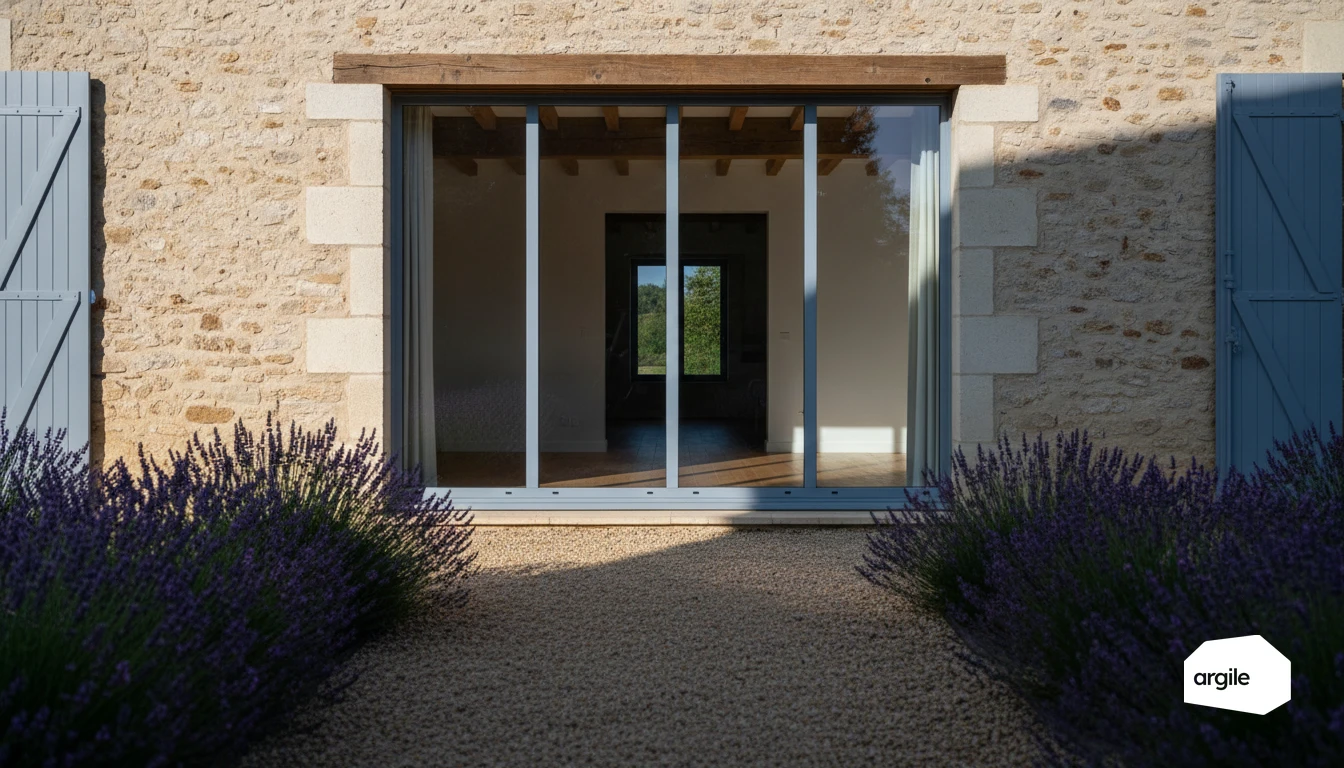
In renovation, every opening counts. When you're aiming for a genuinely airtight, high-performing envelope, a window with no opening sash becomes a simple ally to install, robust and formidable against heat loss. It's up to you to choose where to place it to gain comfort, limit thermal bridges and add value to your project, without complicating the installation or day-to-day use.
5 min read

The refrigerant charge commands two things: how the machine performs and what you owe the regulator. The second is not read in kilos but in tonnes of CO2 equivalent, and the conversion is one multiplication by the GWP. Here is the conversion table by refrigerant, the leak check interval table, and what gets logged after every job.
5 min read
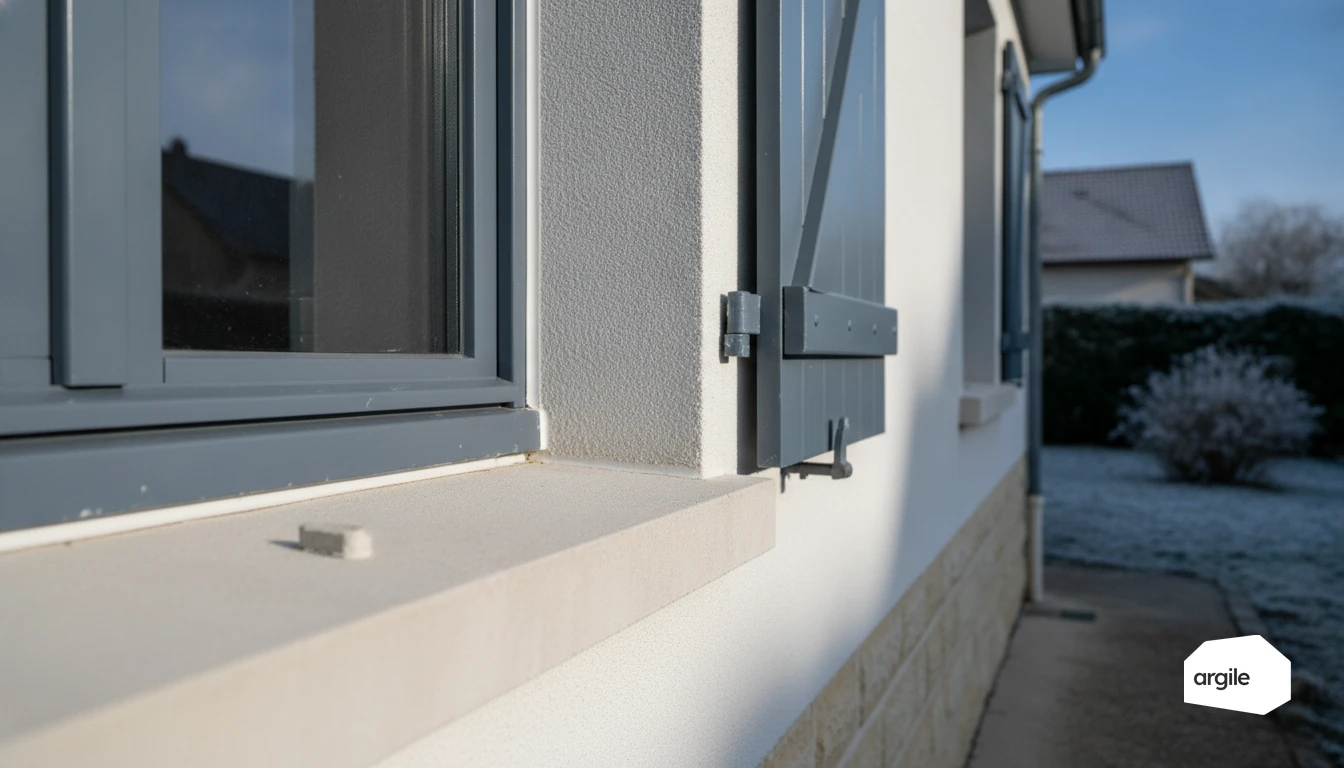
A poorly treated window reveal is often exactly where cold air sneaks in, even after a well-executed job. By carefully handling this sensitive point, you secure the continuity of the insulation, cut down on callbacks, and improve the comfort your client actually feels. Here's a rundown of the right habits, without unnecessary added thickness or complicated finishes.
5 min read
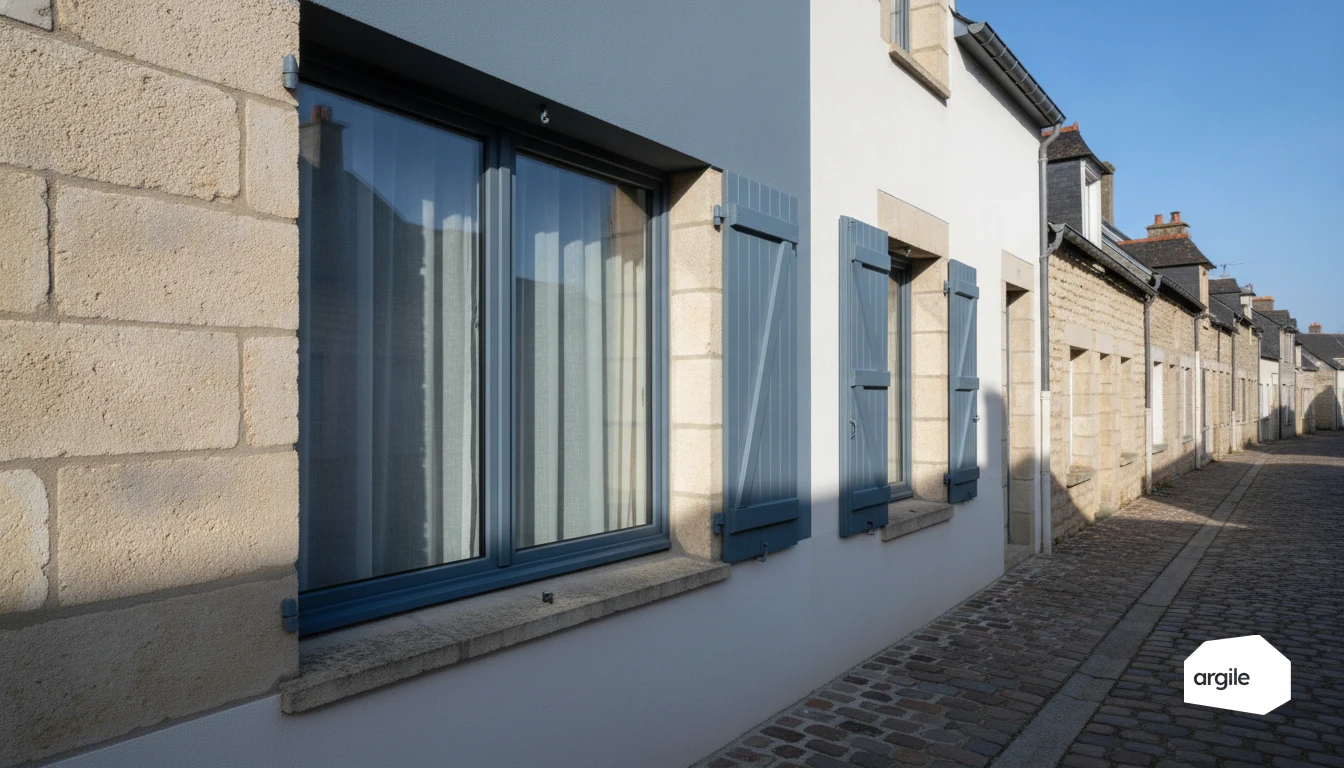
Asymmetry is not a sales line, it is a way of pulling two critical frequencies apart. A 4 mm pane dips around 3,000 Hz, a 10 mm pane around 1,200: a 4/16/4 unit stacks both dips at the same point in the spectrum, a 10/16/4 separates them by more than an octave. What remains is reading the right index for the noise source, and not giving back on the install what the glazing gained.
5 min read
Reveal your expertise
One demo, and you see your expertise proven.
Contact us
