News
Articles by Argile
All our articles in the “Energy renovation” category.

Between a heat pump and a gas boiler, the difference isn't only in the quote: it's also in the environmental impact over the equipment's entire life cycle. This article works through the DESNZ conversion factors, the SCOP assumptions to use in retrofits, the role of the refrigerant (R32 vs R290), and gives sourced orders of magnitude for your on-site recommendations.
5 min read

On a quote or an audit, the same gas can display two calorific values, and the gap is not a minor detail. GCV and NCV change the result, so your billed kWh, your stated efficiencies and your comparisons between solutions. By mastering the conversion ratio, you secure your pricing and avoid endless arguments at the end of a job.
5 min read

At your clients' homes, a poorly used heating appliance can quickly show. Odours, smoke at start-up, deposits on the glass, indoor and outdoor air both suffer. As a tradesperson, you control the right habits. Correct sizing, a suitable flue, regular servicing and simple lighting advice change everything, bringing real comfort and lower emissions.
5 min read

On a job, heat is often the item that weighs heaviest in the carbon footprint. When a neighbourhood is supplied by a network, your role is to check what's actually behind the substation and steer the client towards the right settings, at the right time. Wood energy, heat recovery, geothermal, gas top-up, the mix is evolving fast and it's changing how you size, balance, and control an installation. By understanding the sources used and their constraints, you secure performance and gain credibility when questions about decarbonisation come up.
5 min read
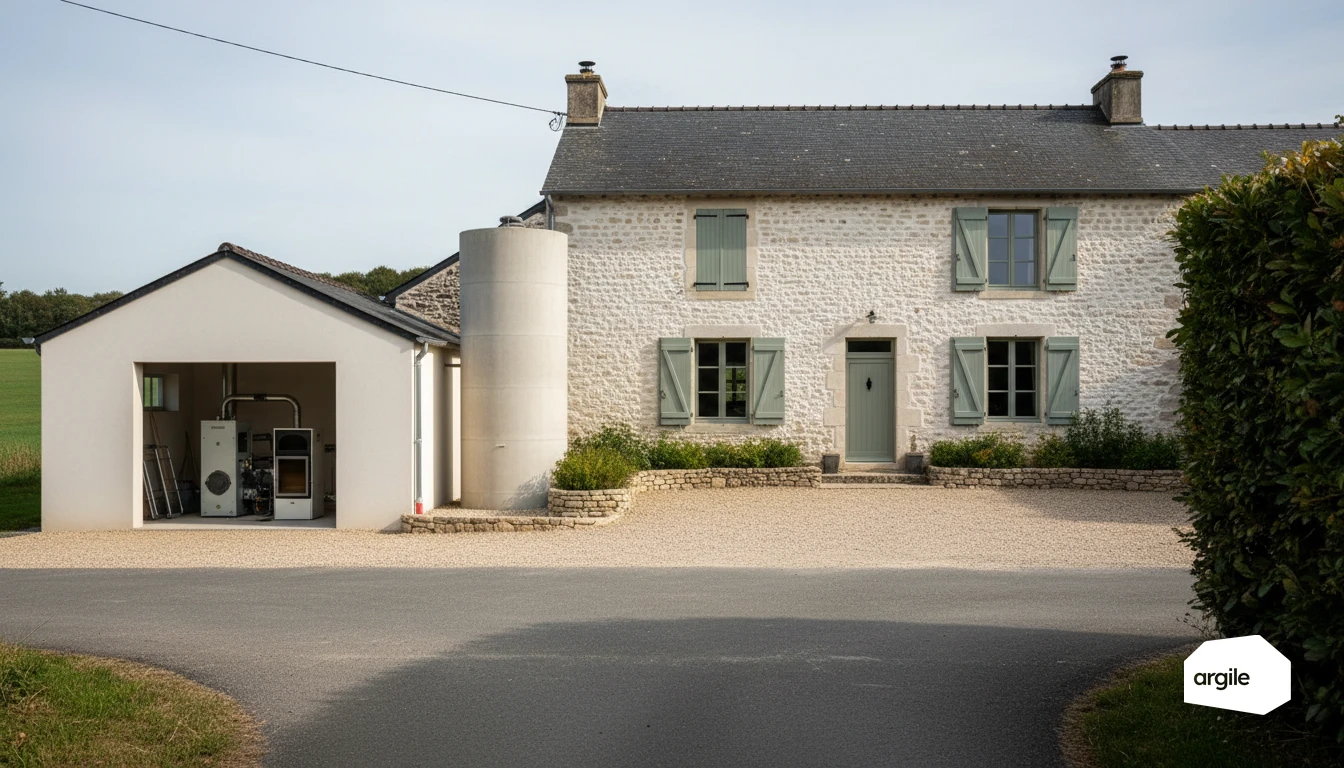
In a large building, heating is never a "detail": it's a line item that weighs on your costs, your job-site timelines and client satisfaction. With forest wood chips, you can aim for a robust solution built to run for a long time, provided you size the output, storage and feed system correctly. You gain peace of mind by planning fuel logistics, delivery access and maintenance right from the quote stage.
5 min read
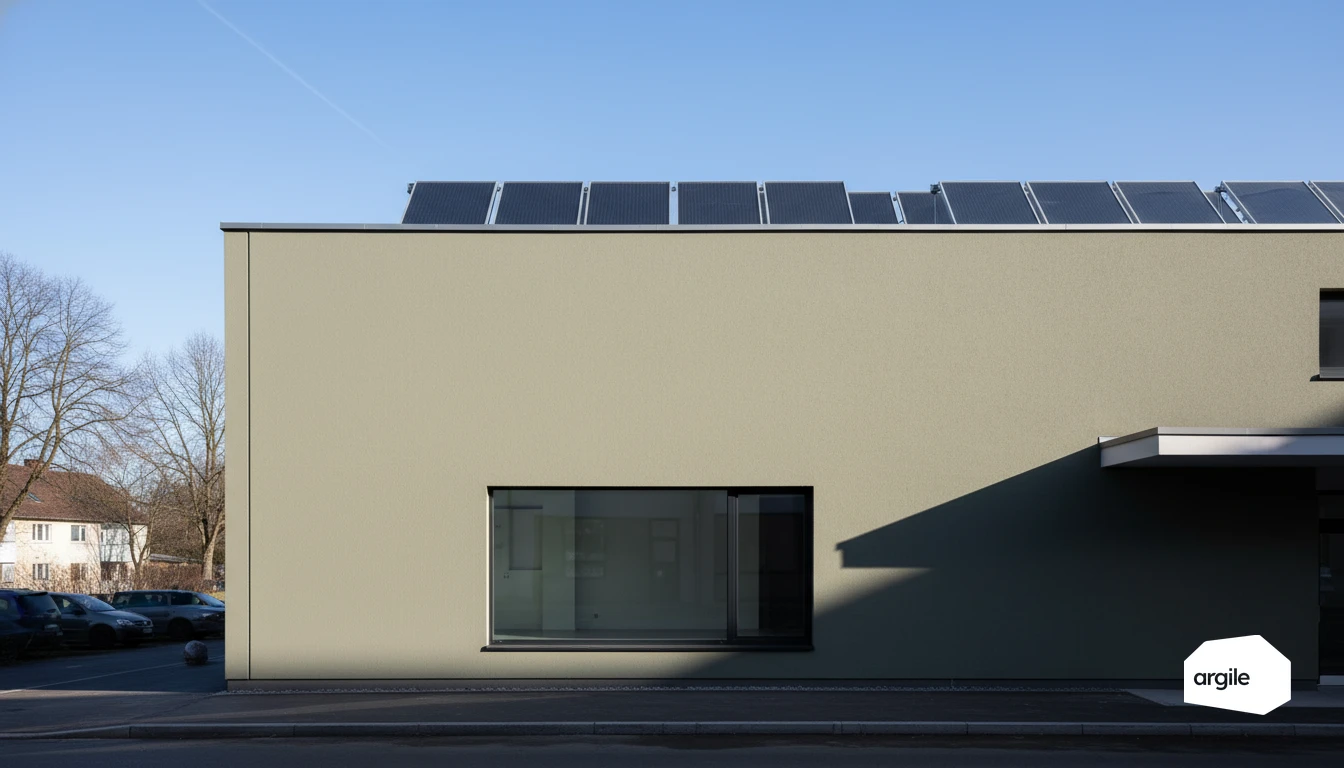
Sizing a communal solar DHW installation does not start from the available roof but from the hot water volume consumed in the leanest month. The SOCOL 2021 sheet sets the store volume on that minimum monthly consumption, then derives the collector area through a ratio running from 40 to 100 litres per square metre depending on the third of the country concerned.
5 min read

On a ground source heat pump, the horizontal loop is decided by the plot, not by the catalogue: clear area, plant access, soil type, no future loading over the trenches. On the paperwork side, the grant runs through MCS certification and a room-by-room heat loss calculation, not through a rule of thumb on floor area. Getting that wrong is a job that does not qualify.
5 min read
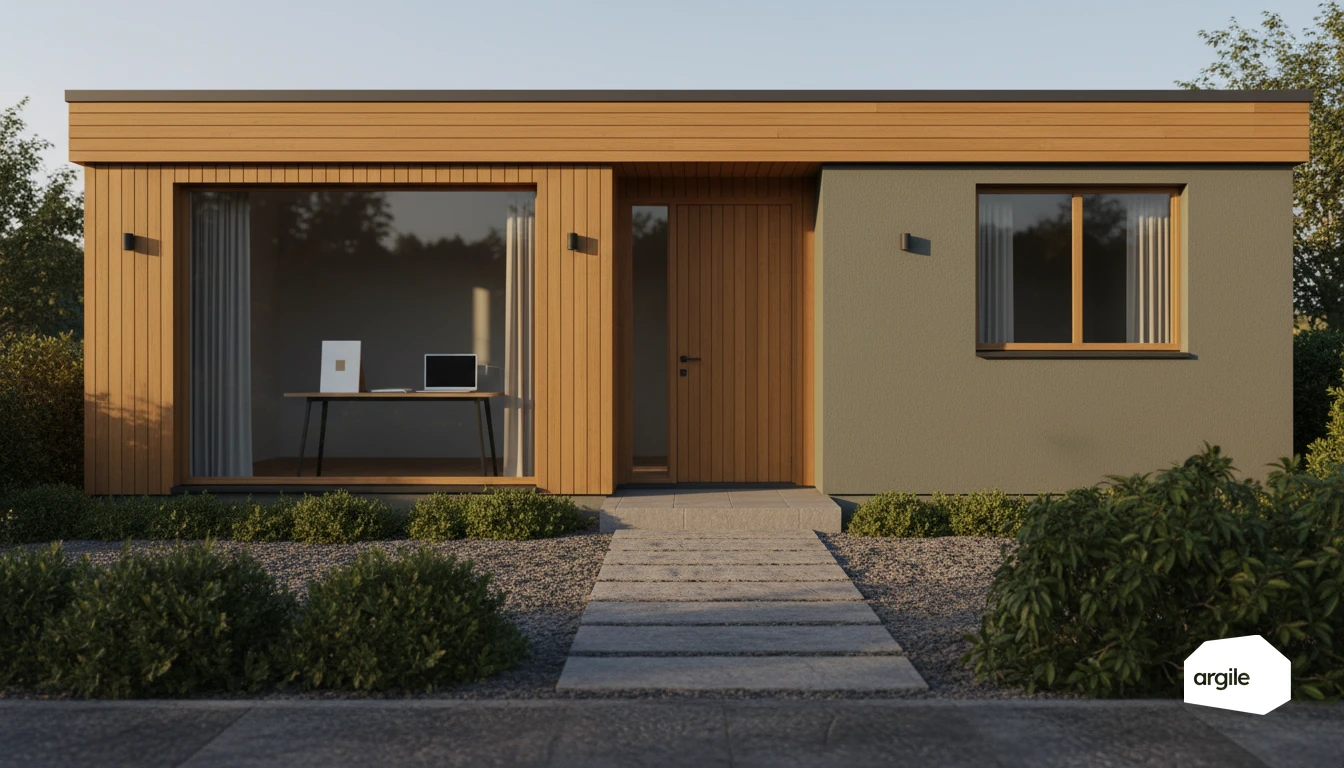
On an energy renovation site, every oversight costs time, and sometimes a grant. With a well-maintained digital model, you visualise the existing building, coordinate the trades and lock in your insulation and equipment choices before starting. The result is fewer back-and-forths, more accurate quotes, and a client who finally understands what you are proposing.
5 min read
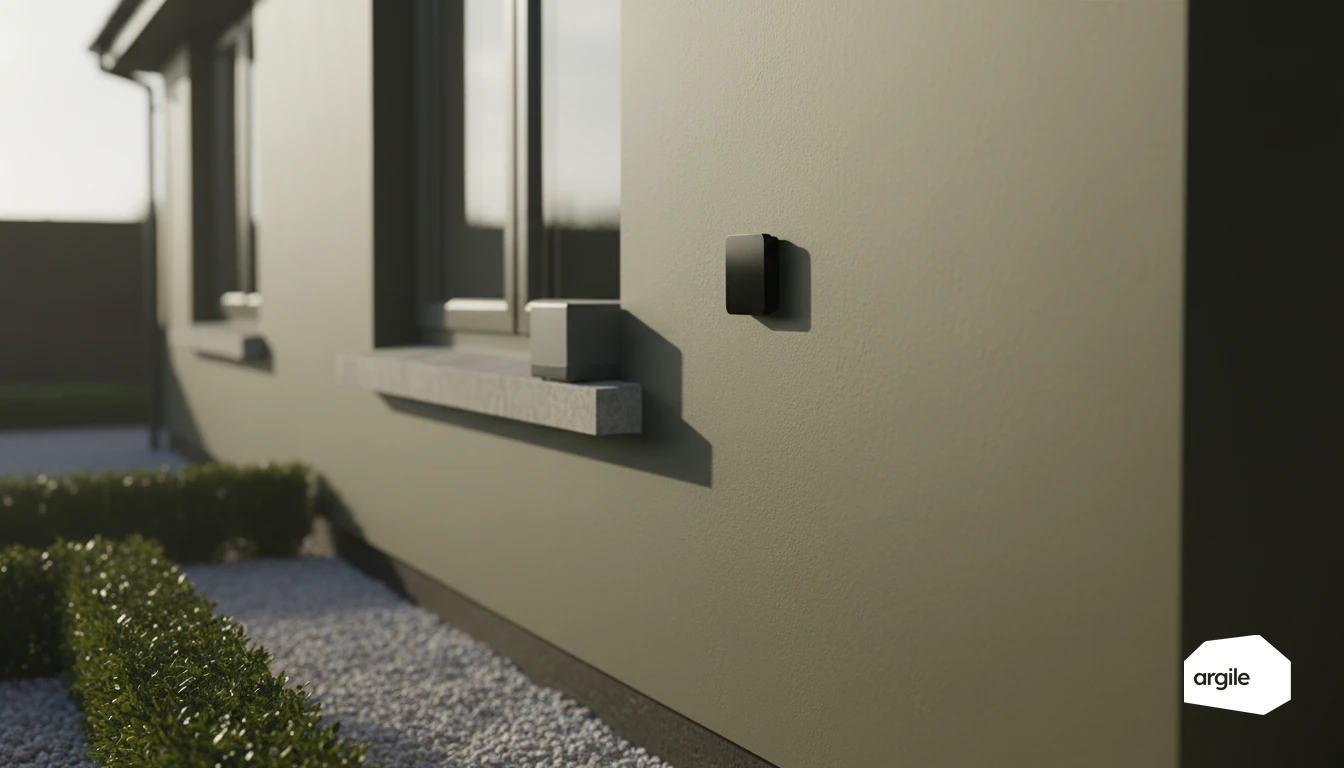
On site, only an actual measurement settles whether a wall is holding up or dragging down the whole work package. A heat flux meter gives you that figure without dismantling anything, provided you hold to the ISO 9869-1 protocol: 72 hours minimum in stable conditions, more than 7 days otherwise, and convergence within 5 % before quoting a number.
6 min read

When a client wants to move off gas, it's often up to you to quickly decide between an individual solution and a collective option, without promising the impossible. Between power constraints, available space, noise, connection work and support schemes, the right choice is decided on site, not on a product sheet. With a simple site-visit and costing method, you secure the decision and avoid callbacks.
5 min read
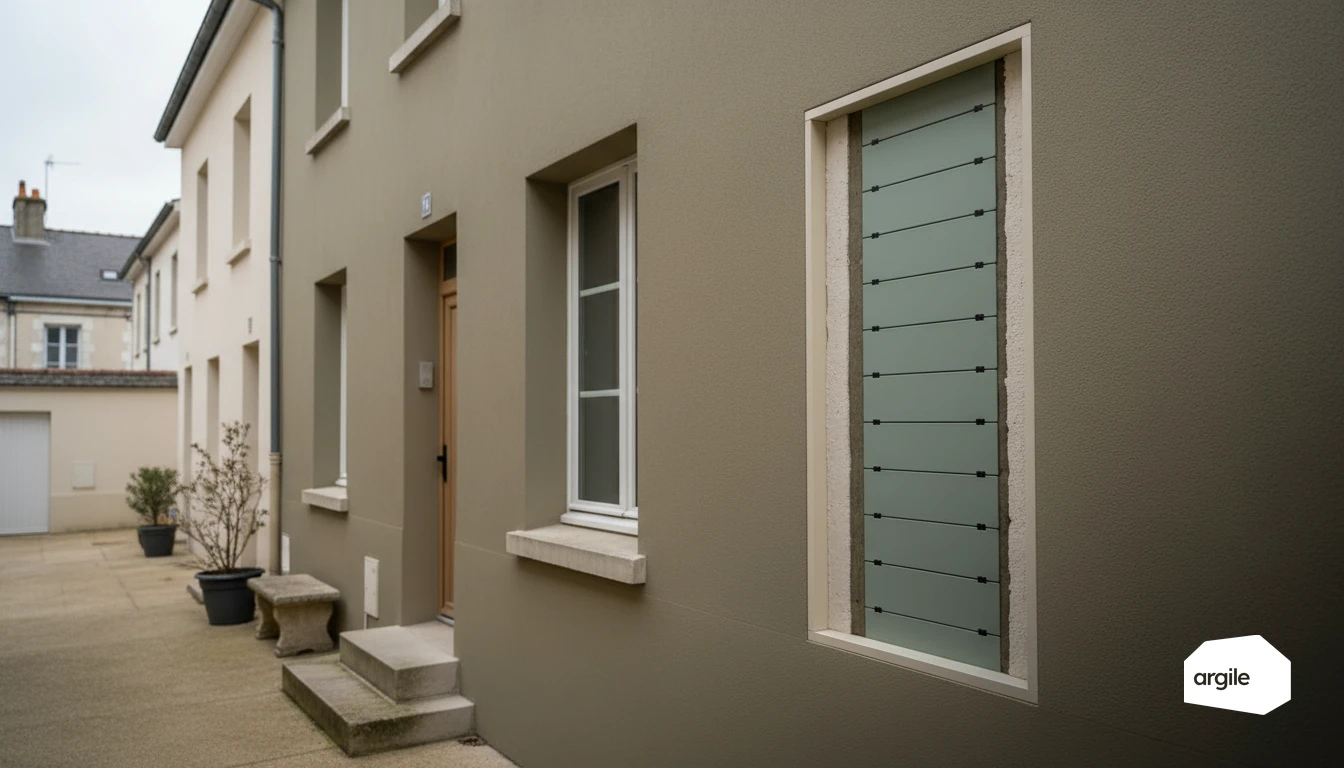
When a job site lacks thermal mass, summer overheating and heating swings come back quickly, even after good insulation. By integrating phase change materials into a partition or a lining, you smooth out the temperature without adding weight to the structure or eating into your schedule. It's a clever solution to offer wherever every centimetre and every degree counts.
5 min read

Your clients want more comfort, less noise and lower bills, without windows getting endlessly thicker. Vacuum glazing offers a serious route to better insulation while keeping slimmer profiles, it's up to you to judge where it's worth it on your projects. If you ask the right questions from the measuring stage, you avoid bad surprises during manufacturing and installation.
5 min read
Reveal your expertise
One demo, and you see your expertise proven.
Contact us
