News
Articles by Argile
All our articles in the “Energy renovation” category.

You're hearing more and more about decarbonized gases on job sites and from your clients, but between promises, costs, and constraints, it's hard to know what will actually hold up over 10 to 20 years. Your challenge is spotting the credible use cases, the equipment that might arrive, and the points of attention on safety, network, and maintenance, so you can advise without overselling. Here's a simple sort-through, to help you decide when to keep an eye on the topic, and when to stick with solutions that are already robust.
5 min read

In a co-owned building, the question of collective heating usually comes down to three points: real comfort in the flats, controlled service charges, and work that can be carried out without blocking the site for months. You have a key role in making a simple diagnosis, comparing scenarios, and securing a solution that passes the general assembly vote without bad surprises. And if the right option isn't the one people initially assumed, all the better: you save everyone time.
5 min read
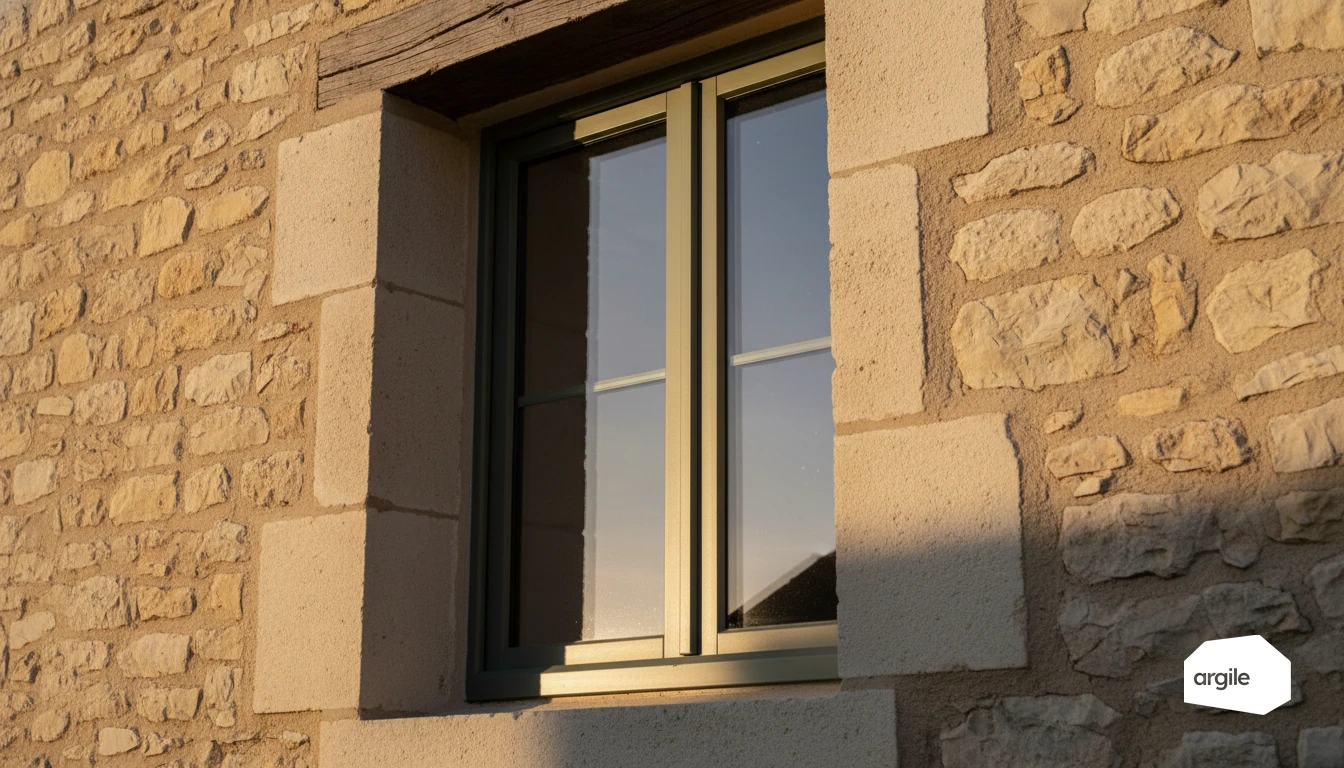
Between air, argon, and krypton, the gas between the two panes can make a real difference to comfort and heat loss. As a tradesperson, it's a simple lever for hitting the right performance without unnecessary extra cost, depending on exposure, window size, and the client's budget. That means offering a clear solution, and avoiding choices made "by feel."
5 min read
The solar factor Sw is not a comfort criterion left to judgement: it gates the energy saving grant, paired with the Uw, and the scheme sheet sets the exact values. Two traps keep coming back in files: the Sw of a window is not the g of its glazing and is not assessed to the same standard, and a roof window inverts the logic by capping the Sw rather than flooring it. Here are the required pairs and how to evidence them.
7 min read
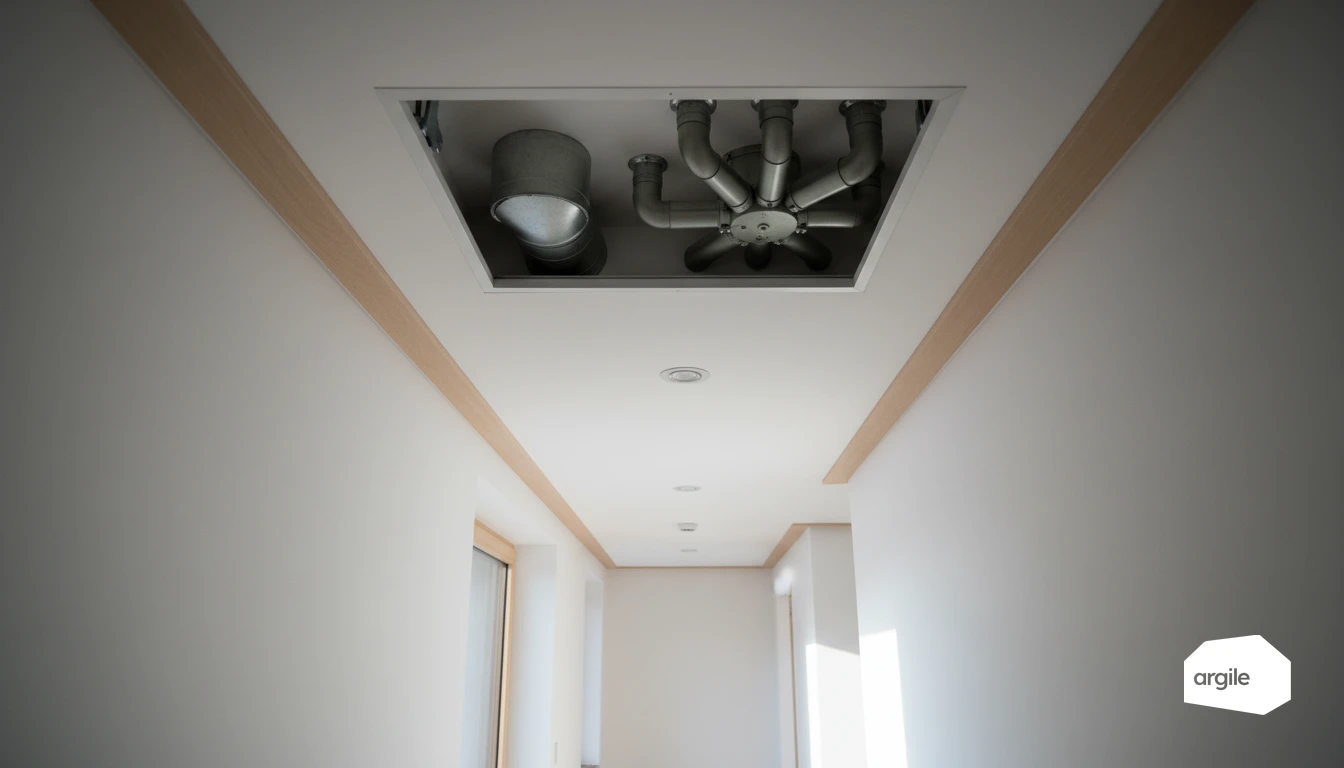
On a multi-unit ventilation system, the choice between a single riser and a branched network comes down to three measurable things: the cumulative flow rate the riser has to carry, the space actually available in the service shaft, and how you will balance and measure dwelling by dwelling. The rest is pricing, not architecture.
5 min read
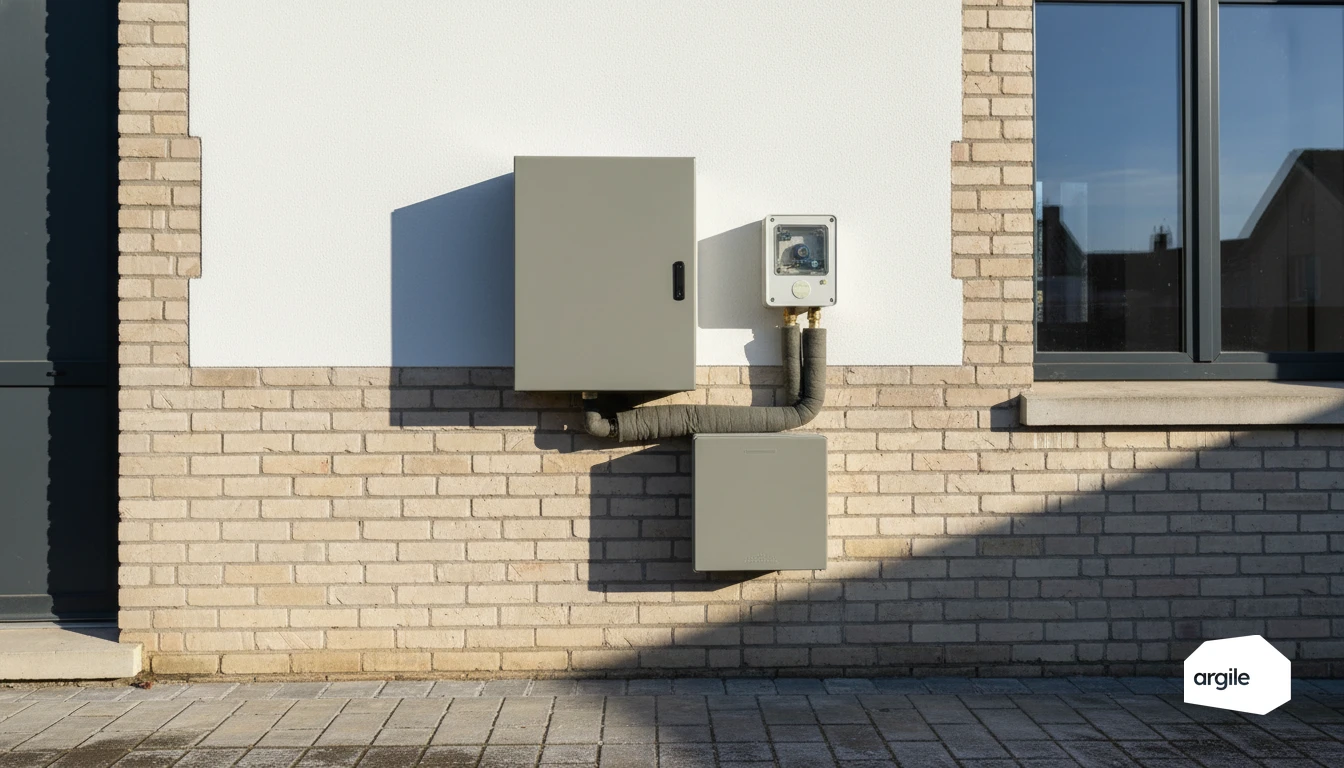
Choosing a communal DHW system is two separate decisions: the distribution architecture, which sets the losses, and the generator, which sets the cost per kWh. Secondary return losses commonly run at 60 to 150% of the DHW demand itself, which weighs more than the efficiency gap between two generators.
5 min read
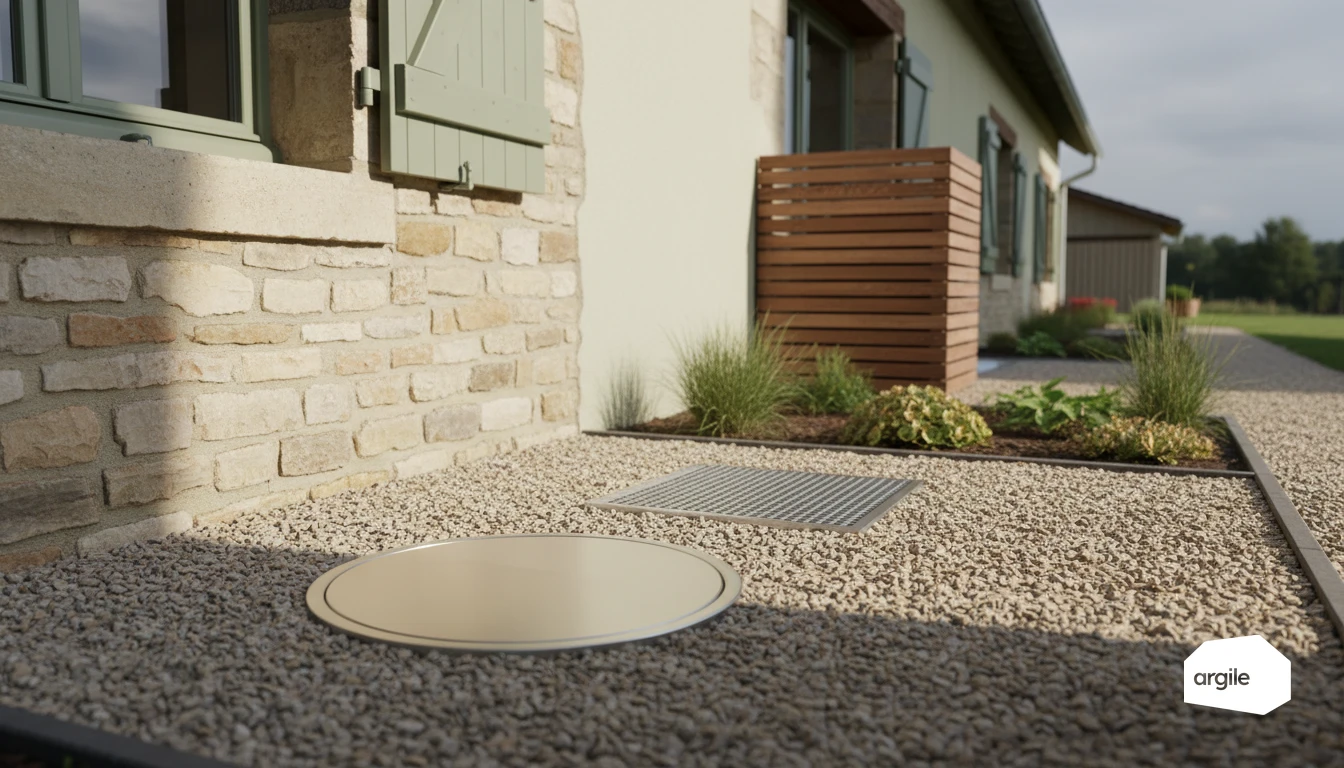
On a ground-source project, the real difference between a groundwater circuit and a buried circuit is what you're allowed to do, and how you prove it. Between procedures, distances, pollution risks and inspections, you save time when everything is framed from the technical site visit onward. Here, we help you decide quickly between the two setups and secure your regulatory file, so you can move forward with confidence and deliver an installation that's clean, compliant, and free of bad surprises.
5 min read
On a job site, energy performance often comes down to details. Heating, ventilation, lighting, setpoints, schedules, everything can be controlled from a single interface, provided the right sensors and automation are in place. For you, as a tradesperson, this is a concrete lever to deliver the announced performance, limit drift and prove results to the client, without spending your days adjusting each piece of equipment one by one.
5 min read
On a renovation quote, the right figure in the right place can make all the difference. Understanding how a home's consumption translates into the equivalent used by calculation methods helps you explain your choices, size correctly, and avoid endless discussions. In short, you keep control of the announced performance, and of the client's trust.
5 min read
In a 1970s co-ownership, you often juggle facades that need treatment, aging utilities and decisions made by many voices. Your value is framing the project with a clear diagnosis, well-coordinated trades and a phasing that limits surprises and complaints. With the right method, you turn a heavy project into a readable action plan that pays off for the whole building.
5 min read
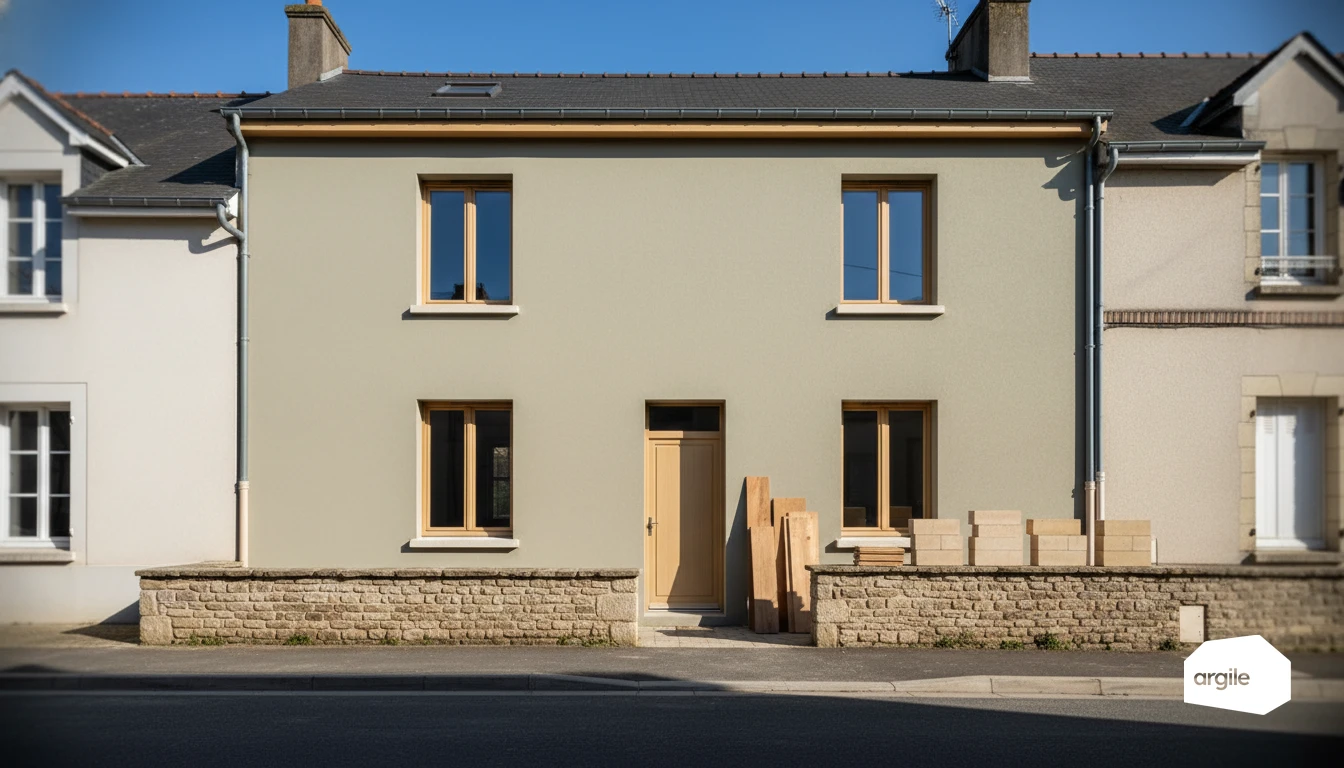
Low carbon in a retrofit is not proved by argument, it is proved by paperwork: an EPD to BS EN 15804 for the product, delivery notes, and a waste trail that stands up. And the waste trail is not optional. The duty of care under the Environmental Protection Act 1990 requires an accurate written description of every load and a transfer note kept for two years, three for hazardous waste.
5 min read
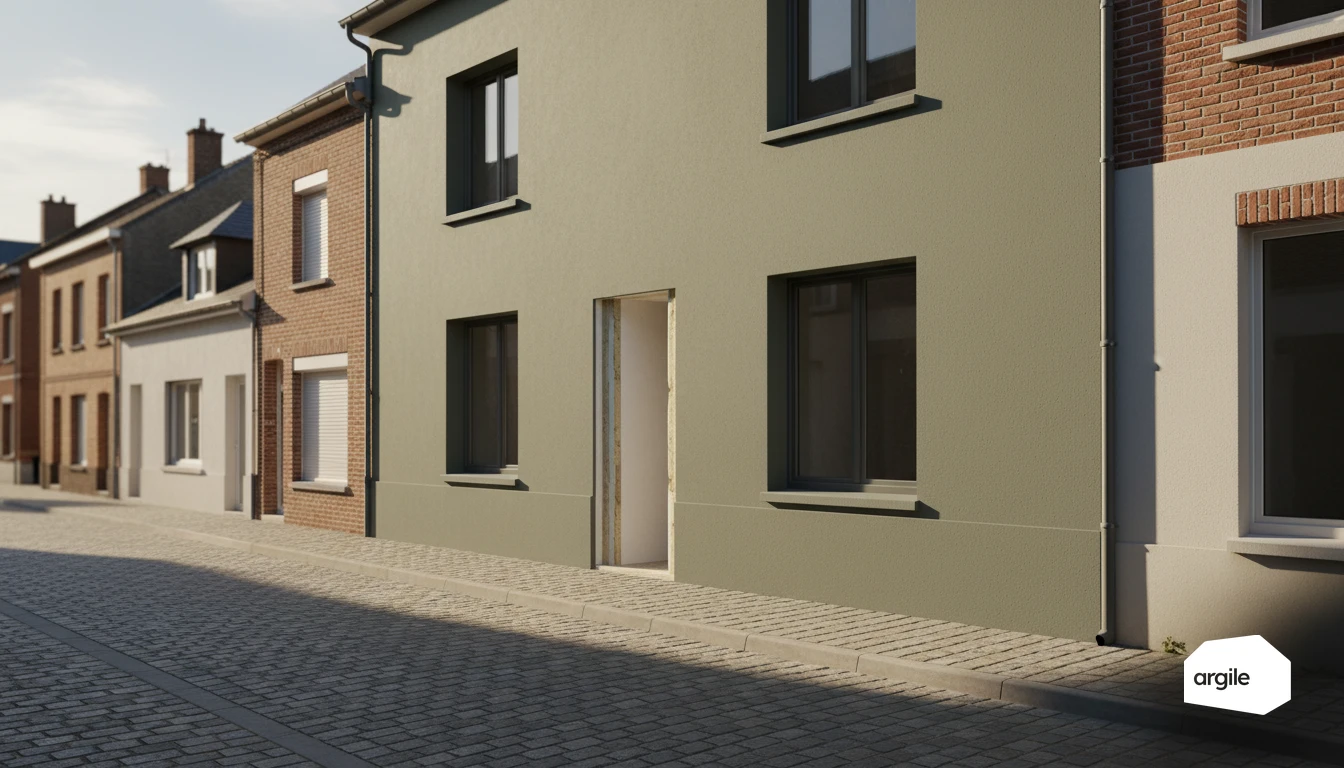
On site, a wall's performance isn't a matter of feel but a simple number that speaks for itself. Reading a U-value correctly means knowing where losses occur, comparing two solutions without error, and justifying your choices to the client in clear terms. With a few reference points, you save time when quoting and secure the result once the wall is closed up.
5 min read
Reveal your expertise
One demo, and you see your expertise proven.
Contact us
