What Argile brings to a successful energy renovation
With Argile, you cut the time between the first visit and a workable quote, without sacrificing precision. The quick energy diagnosis helps you structure your site notes and compare renovation variants in a few minutes. On the feasibility side, the platform cross-references your field data with automated analysis to spot sticking points earlier and avoid bad surprises at installation time. Finally, you present clear scenarios, with the expected gains, the phasing and the subsidies, so the client understands what they're buying. The result: the decision is simpler, trust builds, and the signature comes faster.
- Faster quoting with ready-to-compare scenarios.
- Better-secured feasibility thanks to constraints detected upfront.
- Clearer explanations that remove hesitation.
2026 case study: comprehensive renovation of a 1970s house (insulation + heating)
Starting point
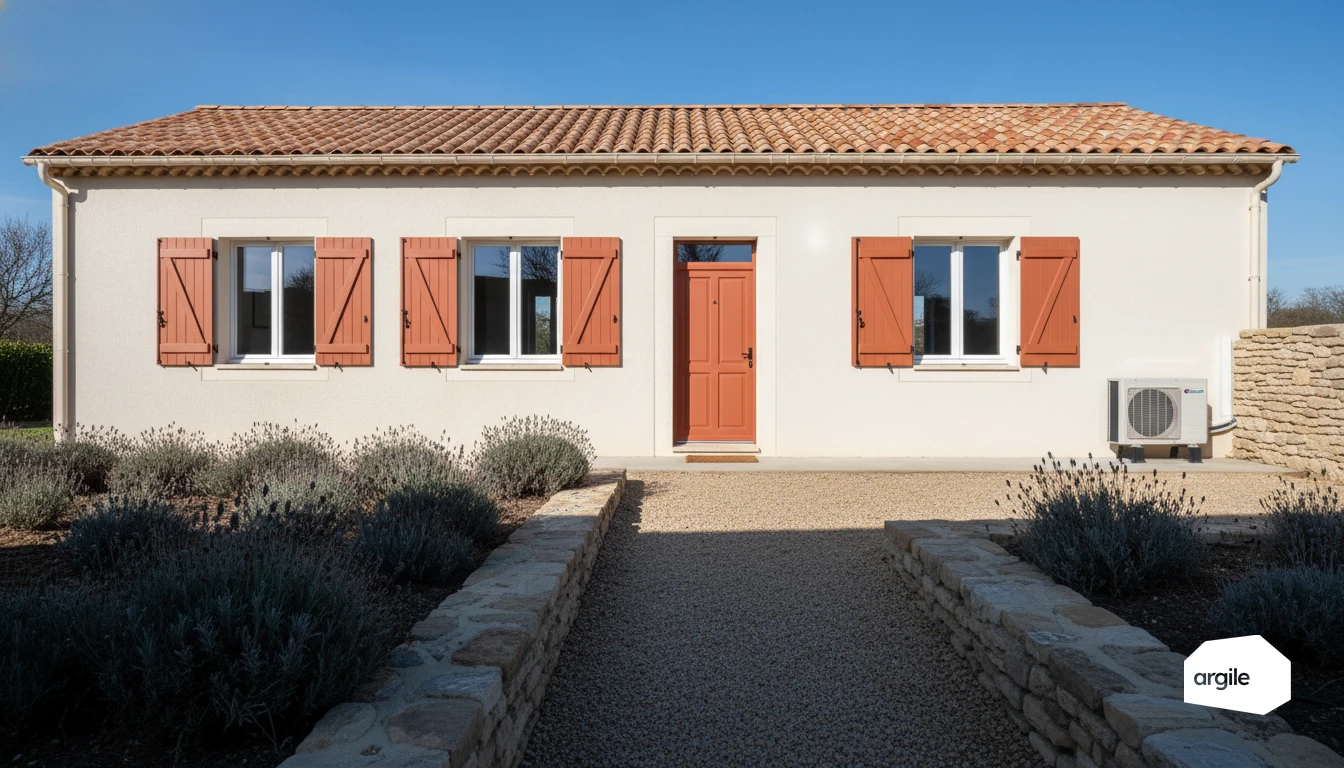
A 1970s house, a climbing bill, rooms cold in winter and too hot in summer. The diagnosis mainly points to a poorly insulated envelope and an energy-hungry heating system, with classic constraints of the building stock: a hard-to-reach loft, thermal bridges around window reveals, and ventilation that needs securing to avoid humidity.
Key steps with Argile
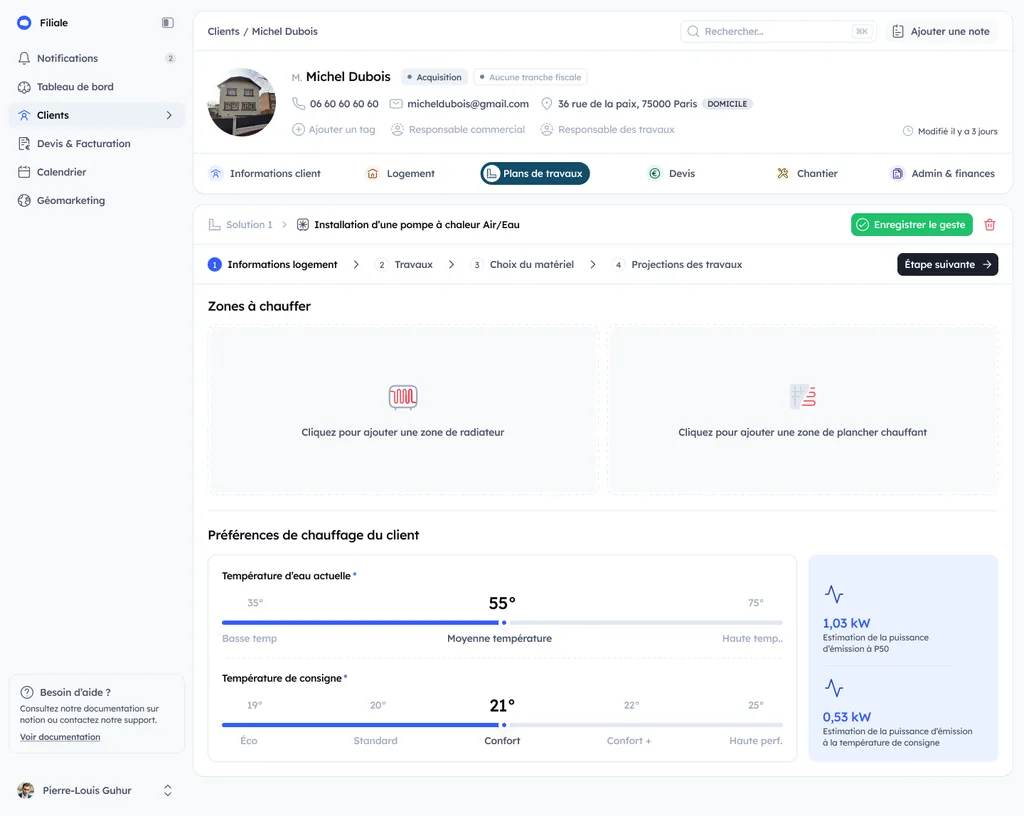
With Argile, the tradesperson runs a quick diagnosis, then compares consistent scenarios. Insulation first (loft, walls, windows depending on feasibility), then heating with a properly sized heat pump. The guided technical visit structures the site notes and photos, anticipates the sensitive points (networks, drilling, unit locations) and prepares the quote.
Result
- Objectively measured energy gain and more stable comfort.
- Remaining cost clarified thanks to a built-in subsidy estimate.
- A better-prepared job site, fewer surprises, a smoother schedule.
2026 case study: replacing a boiler with a heat pump alongside heat-loss treatment
In this 2026 project, the tradesperson avoids a classic mistake: sizing a heat pump without looking at the envelope. The usual result is an oversized unit, short cycling and reservations at handover. With Argile, the quick diagnosis highlights the dominant sources of heat loss, a poorly insulated loft, weak walls, thermal bridges, ventilation to fix. The tool ranks the works by impact, then simulates the heating demand after treatment. You propose the priority work packages first, then a heat pump sized to the real load, with more accurate power output and a low-temperature regime that's better maintained. That is the air-to-water heat pump flow, where the output required is worked out from the site visit and the equipment is chosen in the same pass. Other tradespeople describe what the tool changed for them in their testimonials about Argile.
- Before the heat pump: targeted insulation, airtightness, ventilation adjustments.
- Afterwards: a consistent choice of emitters and stabilized sizing.
In the end, the equipment fits, there are fewer reservations, and the client is more convinced because the quote tells a complete, coherent story.
2026 case study: loft and wall insulation, balancing budget against performance
Client goal
The client wants more comfort quickly, without blowing the budget. In Argile, the registered tradesperson starts from an express diagnosis, then targets the "leakiest" areas: loft and walls. The brief is simple, stop the cold-wall sensation and limit temperature swings, while keeping the scope of works consistent with the rest of the project.
Comparing scenarios in Argile
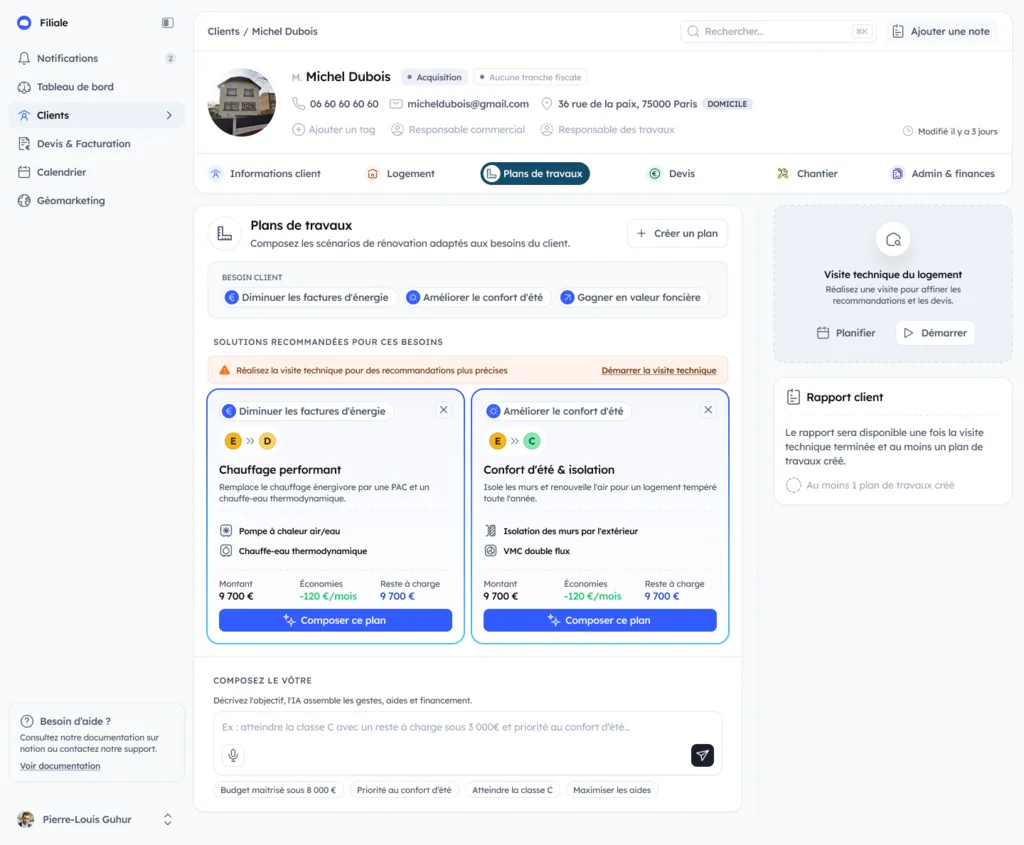
- Scenario 1: loft first. Quick gain, short job, few unknowns.
- Scenario 2: loft + walls. Better performance, but a longer schedule, finishing work to coordinate.
That kind of comparison builds itself when the relevant measures are proposed from the home and the objectives, then assembled into works plans.
Result
The client chooses a deliberate compromise, with the option to scale up later. The quote becomes easier to read: line items separated, expected performance impacts and a clarified schedule.
2026 case study: condominium or terraced house, when constraints complicate everything
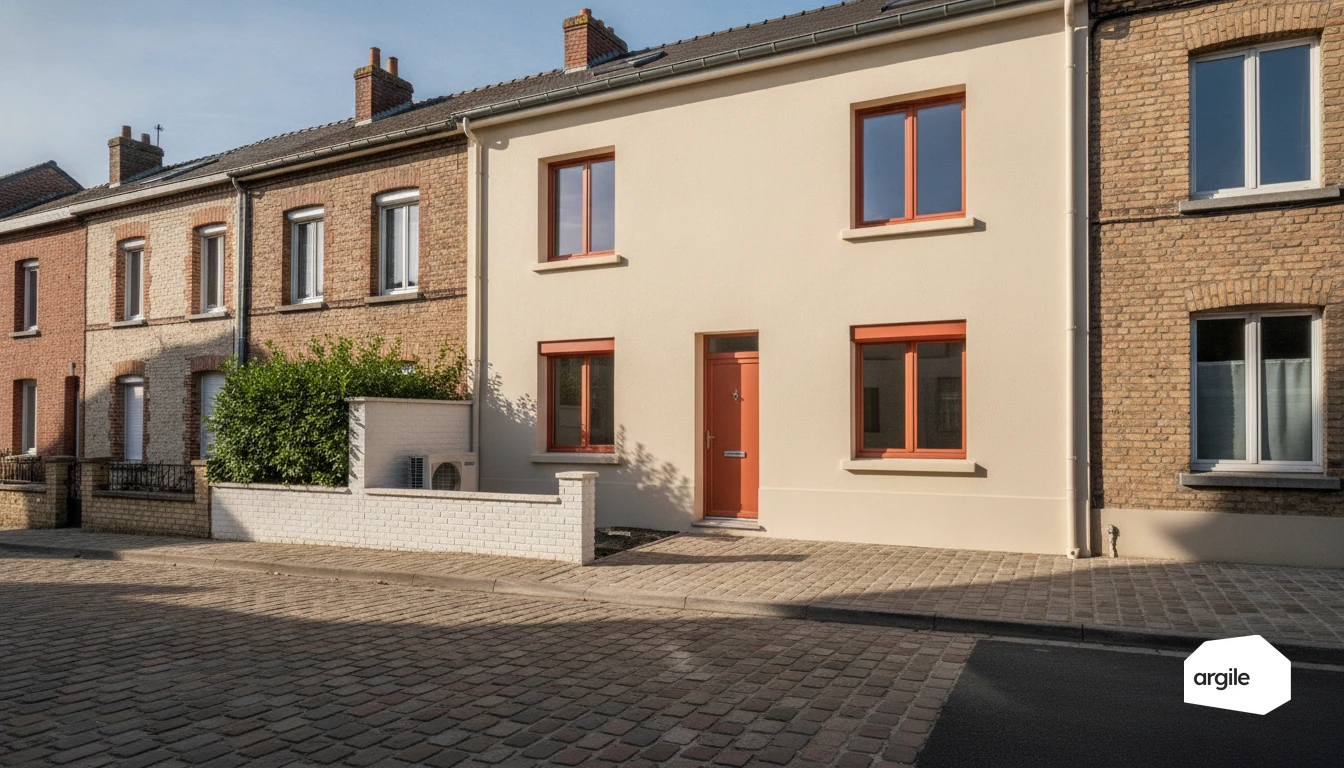
In a condominium or a terraced house, works quickly run into very concrete obstacles. Limited site access, a shared courtyard, no way to insulate a party wall from the outside, visible façades that trigger a prior planning declaration, and, in apartment buildings, decisions that need to line up with the property manager and a vote at the general assembly. The result: visits get repeated and quotes drag on.
- Typical constraints: moving materials around, encroachment on common areas, local planning rules, coordinating neighbours, the property manager and contractors.
- What Argile brings: spotting constraints at the address (surroundings, building envelope, access) and preparing the visit with a targeted checklist so nothing gets missed.
- Result: fewer back-and-forths, faster decisions with the client, and stronger quotes from the first conversation.
Repeating these successes on your next projects with a simple method
To move fast, prepare every appointment like a technical visit. Address, year built, floor area, EPC, photos of the façades, the loft and the boiler. Add the energy bills and the proof of income or benefits that sets the eligibility route. Ask 5 questions: Discomfort? Humidity? Budget and timeline? Works already done? EPC target?
- Standardise your deliverables: two clear scenarios, a "priority" one and an "ambitious" one. A pre-quote broken down by line item. Then a funding summary with an estimate of what is left to pay, subject to eligibility and filing before signature.
- To stay smooth through to the job site, keep track of the sales and admin side. Check consistency between the quote, product data sheets and commitment dates. Identify the authorized representative if needed. And keep a list of "invoices, certificates, photos" to trigger payment without back-and-forth.